
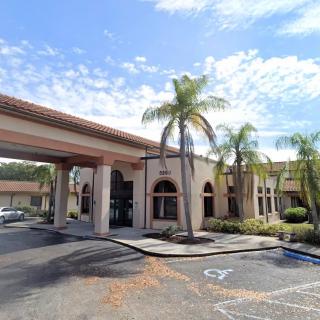
2709 Swamp Cabbage Ct # 105, Fort Myers, FL 33901
To contact a resident: (239) 275-5165
For more information about senior living options: (866) 208-4318
Overall Review of Associated Home Health
Pros
 The office welcomes visitors with a nice and clean environment.
- The company is described as a good place to work.
- The nurses are good in every aspect: responsible, pleasant, and supportive in patient care.
- It is a recommended place for the needs of loved ones, with friendly staff focused on patients and employees.
- Nurse Linda Turner performed a wonderful job saving the patient’s arm and taking care of the wound.
Cons
 They claim the agency treats clients like a bill and doesn’t care about their life situation.
- They allege the agency has absolutely no professional ethics.
- They say the agency sends whoever they have, regardless of preparedness, and offers no options.
- They state there are no trained staff and this isn’t disclosed up front.
- They recount their daughter ending up in hospital, and the agency dropping them due to lack of nurses.
- They criticize owner Gina, saying she should choose her team better because they have no empathy.
- They report the caregiver did not show up for scheduled times and the office blamed the caregiver, offering no remedy and leaving them without care.
Review
Associated Home Health in Fort Myers, FL is best suited for families that want in-home nursing support with a track record of capable, compassionate caregivers who can deliver solid wound care and routine med management. The strongest appeal lies in the impression that when a nurse is assigned, that individual can be responsible, pleasant, and genuinely focused on the patient’s needs. The office environment is welcoming, which matters for families navigating care plans and scheduling. When the right nurse is on the case, the service can feel steady, personal, and responsive enough to support ongoing home-based care without forcing a move to a facility.
However, there is a clear warning for families considering this agency: those with fragile or highly complex needs should weigh alternatives carefully. The most troubling threads in the feedback center on reliability and staffing predictability. Several reviews describe occasions when a caregiver did not show up for scheduled visits, with the explanation that caregivers are contracted and manage their own schedules. For families already juggling medical appointments or tight daily routines, gaps in care become material barriers, not minor inconveniences. For parents caring for a child, or any patient with acute or unpredictable needs, those gaps translate into real risk, and the absence of proactive contingency planning is a red flag.
On the upside, a subset of care experiences highlights the agency’s strengths. When a nurse is consistently available, the quality of care can be high. Positive notes emphasize nurses who are responsible, pleasant, and willing to support the care plan, with particular admiration for individualized clinical outcomes such as effective wound management. There are accounts of nurses delivering exceptional expertise, including cases where a nurse’s intervention directly improved a patient’s condition. The presence of a supportive, patient-centered ethos among staff and a welcoming office culture should not be dismissed; these factors can translate into meaningful day-to-day benefit when staffing aligns with patient needs.
Yet the cons carry weight, and they do not disappear with occasional good experiences. The most salient negatives center on scheduling instability, lack of reliable backup, and insufficient communication from management when issues arise. Families report feeling let down when coverage falls through and are told that there is little they can do to expedite or rectify the situation. The sense that caregivers are treated as interchangeable contractors rather than as a fixed team can erode trust, especially for families depending on predictable routines. The geographic footprint adds another layer of complexity; if local coverage cannot be guaranteed, the risk of delayed or missed care grows starkly, underscoring a mismatch for patients who require seamless, continuous support.
With these dynamics in play, the question becomes whether the positives can offset the negatives. For households able to lock in a reliable primary nurse and to negotiate a clear, written schedule with guaranteed backup coverage, the favorable aspects, competent clinical care, attentive staff, and a supportive office environment, can carry real value. In this scenario, the agency’s strengths become tangible: skilled wound care, responsive professionals, and a culture that prioritizes patient needs when staffing aligns. But the promise rests on a precarious foundation. When coverage is inconsistent, communications falter, and staff turnover appears high, the advantages quickly diminish. For higher-need patients, especially those with complex medical or pediatric requirements, the risk of care disruption is too great to ignore.
Bottom line: Associated Home Health may serve a narrow slice of families well, those who can secure a consistent assignment, insist on clear scheduling, and tolerate some variability in staffing. For others, particularly families with fragile seniors or children who require unwavering reliability and accountability, alternatives deserve serious consideration. The agency’s admitted reliance on contracted staff and inconsistent follow-through should prompt cautious scrutiny: demand a guaranteed primary nurse, require written backup plans, and verify how back-up coverage is arranged and communicated. If exploring in-home care against the backdrop of assisted living options, prioritize providers with demonstrable, stable staffing models, transparent scheduling, and strong contingency planning. In the end, the decision hinges on who bears the risk of gaps, and whether the care team can be counted on to be consistently there when it matters most. Fort Myers families weighing this choice should proceed with a concrete service agreement and a readiness to pivot if reliability remains elusive.
 Southwest Florida International (8 miles away)





 Ten Vital Duties of a Senior Caregiver: A Comprehensive Guide
 9 Stimulating Memory Activities for Seniors: Puzzles, Cards, and Much More
 Managing Nursing Home Expenses After Medicare Coverage Ends