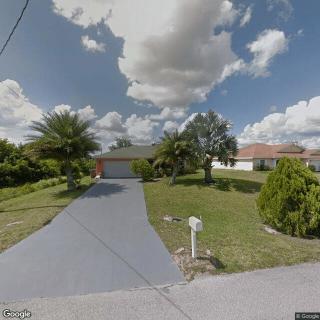
The Ebenezer ALF II is an assisted living community in Lehigh Acres, FL.
Information last verified:
304 Chaucer Avenue, Lehigh Acres, FL 33936
For more information about senior living options: (866) 208-4318
4.6 from 62 reviews
5 stars
52
4 stars
5
3 stars
1
2 stars
0
1 stars
4
Overall Review of The Ebenezer ALF II
common18 reviews mention this
Staff feel welcoming and responsive
Residents and families consistently describe staff as kind, responsive, and easy to trust.
Across multiple reviews, families say the staff is welcoming from the first day and follows through when concerns come up. Several people highlight empathy and responsiveness, and others mention communication that helps them feel confident in day-to-day care. A few reviews also call out staff longevity or the familiarity of seeing the same faces working regularly.
common12 reviews mention this
Clean, home-like setting matters
Many reviews mention a clean, comfortable environment that feels more like home than a facility.
Residents and families repeatedly describe the building as clean and well kept, with rooms that feel personal rather than institutional. Reviews also mention a warm or homey atmosphere and that it helps loved ones feel at ease. Even when one review comments on the building being dated, it still notes cleanliness alongside their overall care experience.
common14 reviews mention this
Planned activities keep residents engaged
Reviews frequently mention organized activities and outings that help residents stay social and involved.
Many reviewers say there are plenty of daily activities, including events that encourage participation and social connection. Some note outings and regular engagement, while others describe residents looking forward to specific visits or activities. While one reviewer says their loved one doesn’t join in, they still describe the activity options as available if desired.
caveat4 reviews mention this
Meals and food quality vary
Dining is a mixed experience, with some praising meals and others reporting limited nutrition.
Several reviews mention three meals a day and positive comments about food, including a chef being involved and meals described as delicious or top notch. Other reviews raise concerns about meal quality and nutrition, including claims about residents getting limited fresh produce and overall nutrition. The community offers special dietary support such as diabetes diet and special dietary restrictions, which may help with certain needs.
How we summarize
Counts show how many written reviews mention each theme; a review can touch several themes, and only frequently mentioned themes are displayed.
Features
Housing
10 resident community capacity
Types of Care
Assisted Living
Amenities
Cable or satellite TV
Dining room
Fully furnished
Garden
Housekeeping services
Move-in coordination
Outdoor space
Telephone
Wi-Fi/high-speed internet available
Transportation
Southwest Florida International (7 miles away)
Care Services
24-hour supervision
Activities of daily living assistance
Assistance with bathing
Assistance with dressing
Assistance with transfers
Coordination with health care providers
Diabetes diet
Meal preparation and service
Medication management
Special dietary restrictions
Transportation arrangement (medical)
Transportation to doctors appointments
Dining
Diabetes diet
Special dietary restrictions
Activities
Community-sponsored activities
Scheduled daily activities
Nearby Places of Interest
Physicians
Pediatric Centers of Lee County (0.8 miles)
Radiology Services At Lehigh Reginal Medical (0.8 miles)
Keys Cardiology (0.8 miles)
Sager Steven B DO (0.8 miles)
Bulen Jerry Do (0.9 miles)
Kutob, David Dr - Lehigh Hospital Emergency Room (1.1 miles)
South Florida Ear, Nose and Throat: Michael Jaindl, MD (1.2 miles)
Restaurants
McDonald's (0.8 miles)
Arby's (0.9 miles)
Country Style Ice Cream (0.9 miles)
Culver's (1.2 miles)
Perkins Restaurant and Bakery (1.4 miles)
Popeyes Louisiana Kitchen (1.5 miles)
Taco Bell (1.5 miles)
Pharmacies
Medicine Shoppe (0.9 miles)
Walgreens (1 miles)
Acres Pharmacy (1.2 miles)
Walmart Pharmacy (1.2 miles)
CVS Pharmacy (1.2 miles)
Winn-Dixie (2.9 miles)
CVS Pharmacy (6.9 miles)
Cafes
Havana Bakery (6.1 miles)
Starbucks (8.5 miles)
First Watch - Colonial (9.3 miles)
Starbucks (9.7 miles)
Parks
Buckingham Park (6.5 miles)
Barkingham Dog Park (6.6 miles)
RSW Aircraft Observation Area (8.1 miles)
Transportation
Concourse B (7.5 miles)
Main Terminal (7.6 miles)
Southwest Florida International Airport (RSW) (7.6 miles)
Security Checkpoint (7.7 miles)
Delta Air Lines (7.7 miles)
American Airlines Ticket Counter RSW (7.7 miles)
Avis Rent A Car (7.7 miles)
Hospitals
LPG Orthopedics - The Sanctuary (9.1 miles)
Johns Hopkins All Children's Outpatient Care (9.9 miles)
Places of Worship
Blessed Pope John the XXIII Catholic Church (9.6 miles)
Unitarian Universalist Church of Fort Myers (10.4 miles)
Assisted living communities offer diverse activities beyond traditional games to enhance seniors' physical health, cognitive well-being, emotional enrichment, and social connections, including fitness classes, creative expression, and intergenerational interactions. These enriching programs foster community bonds and support residents' independence and happiness.
The article differentiates between assisted living and memory care, explaining that assisted living supports seniors with daily activities while promoting independence, whereas memory care provides specialized services for individuals with dementia, focusing on secure environments and cognitive support. It also addresses staff training, safety considerations, costs, family involvement, and transition strategies for families navigating these care options.
Family caregivers face emotional, legal, and practical challenges when elderly parents refuse assisted living, often due to fears of losing autonomy. Open conversations and professional assessments can help address these concerns while exploring alternatives and ensuring safety, potentially leading to legal guardianship if necessary.
Get PricingAsk A QuestionSchedule A TourContact Senior Advisor
By clicking submit, you agree to our Partner's Terms of Use. You
also consent to receive calls and texts, which may be autodialed, from our Partner. Your consent is not a condition to
using our Partner's service. Please visit our Partner's Privacy Policy for information about their privacy practices.

 10 resident community capacity
 Assisted Living
 Cable or satellite TV
 Dining room
 Fully furnished
 Garden
 Housekeeping services
 Move-in coordination
 Outdoor space
 Telephone
 Wi-Fi/high-speed internet available
 Southwest Florida International (7 miles away)
 24-hour supervision
 Activities of daily living assistance
 Assistance with bathing
 Assistance with dressing
 Assistance with transfers
 Diabetes diet
 Meal preparation and service
 Medication management
 Special dietary restrictions
 Transportation arrangement (medical)
 Transportation to doctors appointments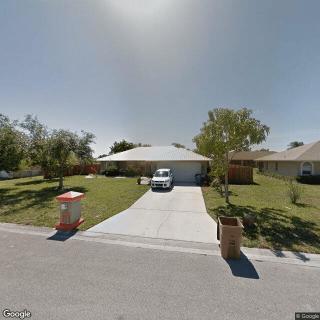
 Close to pharmacies, physicians, and dining; 24/7 staff and security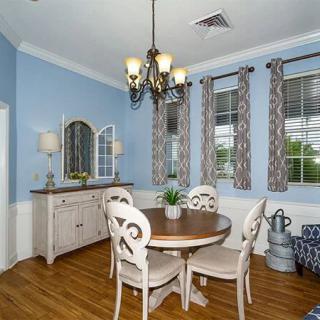

 Beyond the Bingo Hall: 50+ Enriching Activities for Seniors in Assisted Living
 Understanding the Distinctions: Assisted Living and Memory Care Explained
 Guiding Elderly Parents Who Refuse Assisted Living: 6 Practical Steps