
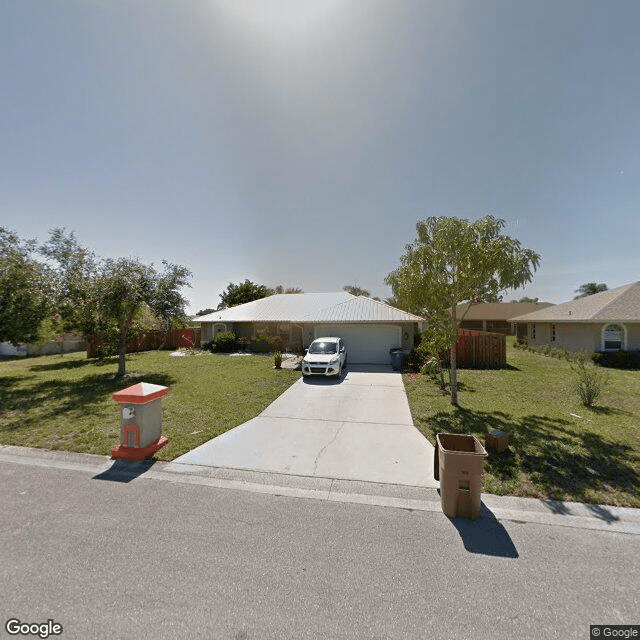
19 Sagewood Ave, Lehigh Acres, FL 33936
To contact a resident: (239) 707-4488
For more information about senior living options: (866) 208-4318
Overall Review of Douglas Community Residential Home Inc
Cons
 It is the worst assisted living facility.
- The staff is incompetent.
- There is a lack of nutritious meals.
- Lunch consisted of a hotdog on a bun with ketchup.
- The employees have no experience dealing with seniors.
- They feel they were ripped off.
- They advise against taking a loved one there.
- It was a huge disappointment.
- They would like a refund.
- They believe more educated help would have prevented issues for their mom.
Review
Douglas Community Residential Home Inc in Lehigh Acres is best suited for families seeking a tiny, home-like setting where caregivers are visibly accessible and daily life can feel intimate. The facility’s limited footprint suggests a setting where staff can know residents well and where family members hope to stay closely involved during the day. However, with only two reviews contributing to a 3-star average, the experience bifurcates sharply: one party reports a highly positive outcome, while the other depicts a cascading series of care gaps. That contrast signals a facility that may deliver adequate warmth and proximity for some, but can fall far short on core quality measures for others. In practical terms, this is a place that demands cautious assessment before any commitment.
For families weighing alternatives, this community is not the right fit for seniors who require consistently professional, well-trained caregiving, predictable routines, and nutritionally sound meals. The strongest red flags in the available feedback point to staff competence and meal quality: complaints of “incompetent help,” staff with little experience handling seniors, and a meal described as a hotdog on a bun with ketchup. When basic nutrition and trained oversight are in question, the risk to safety, dignity, and medical stability becomes real. If any dependability on staff expertise or a predictable dietary plan is non-negotiable, other options should be prioritized.
The potential advantages of a small, intimate home setting do not reliably offset the most serious concerns raised. A smaller house can, in theory, permit closer, more individualized attention and easier oversight by family members, yet that advantage hinges on capable staff and solid routines. In this case, the proximity of caregivers and residents is rendered hollow by reports of limited training and a lack of senior-specific experience. The “cozy” environment becomes a liability when trained judgment, timely response to needs, and consistent nutrition are in question. In short, proximity without competency fails to deliver meaningful value.
Privacy and control emerge as additional fault lines. The reviewer notes that many family members come and go, and even implies the house next door blurs boundaries; such openness can be a blessing for some families but a disruption to others who require structured visiting hours, defined caregiver roles, and clear accountability. A separate and troubling thread is the financial tone of the critique, with suggestions of feeling misled or “ripped off” and an attempt to shift blame onto the resident rather than on care leadership. These impressions, whether fully borne out or not, illuminate a culture concern that families must probe deeply during visits and conversations with administrators.
When evaluating this community, use a hard-edged due diligence checklist. Request a current, written menu with portion sizes and dining staff qualifications; verify whether a dietitian or nutritionist is involved in menu planning and whether accommodations can be made for medical or texture-modified diets. Ask for staff-to-resident ratios on every shift and a clear turnover rate; obtain credentials for the caregiving team and a current plan of care that reflects monthly updates. Insist on observing a meal service, a care plan review with a supervisor, and a trial period to assess responsiveness, communication, and the consistency of daily routines. Most importantly, demand transparent discussions about billing, incident reporting, and grievance handling before any commitment.
Bottom line: this community appears ill-suited for seniors whose safety hinges on consistently capable caregiving, predictable nutrition, and professional boundaries. The wisest approach is to treat the strong testimony of a negative review as a serious contraindication, while recognizing the existence of at least one favorable experience that may reflect variability rather than a universal standard. For families with clear expectations around staff training, meal quality, and governance, clearer, alternative options should be pursued. Visiting the property with a structured checklist, prompting candid responses from leadership, and comparing against other nearby facilities will yield the most reliable guidance for making a solid, confidence-backed choice.
 Board and Care Home
 Southwest Florida International (7 miles away)
 Small, intimate ALF with 24/7 supervision, ADL support, diabetes-friendly meals, and coordinated medical care.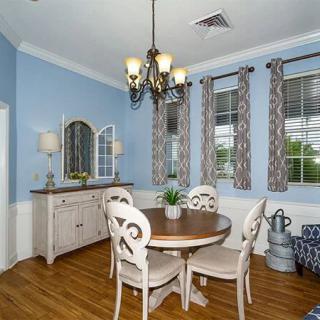

 Ten Vital Duties of a Senior Caregiver: A Comprehensive Guide
 9 Stimulating Memory Activities for Seniors: Puzzles, Cards, and Much More
 Managing Nursing Home Expenses After Medicare Coverage Ends