The Canopy of Harper Lake in Lake City, FL

Save

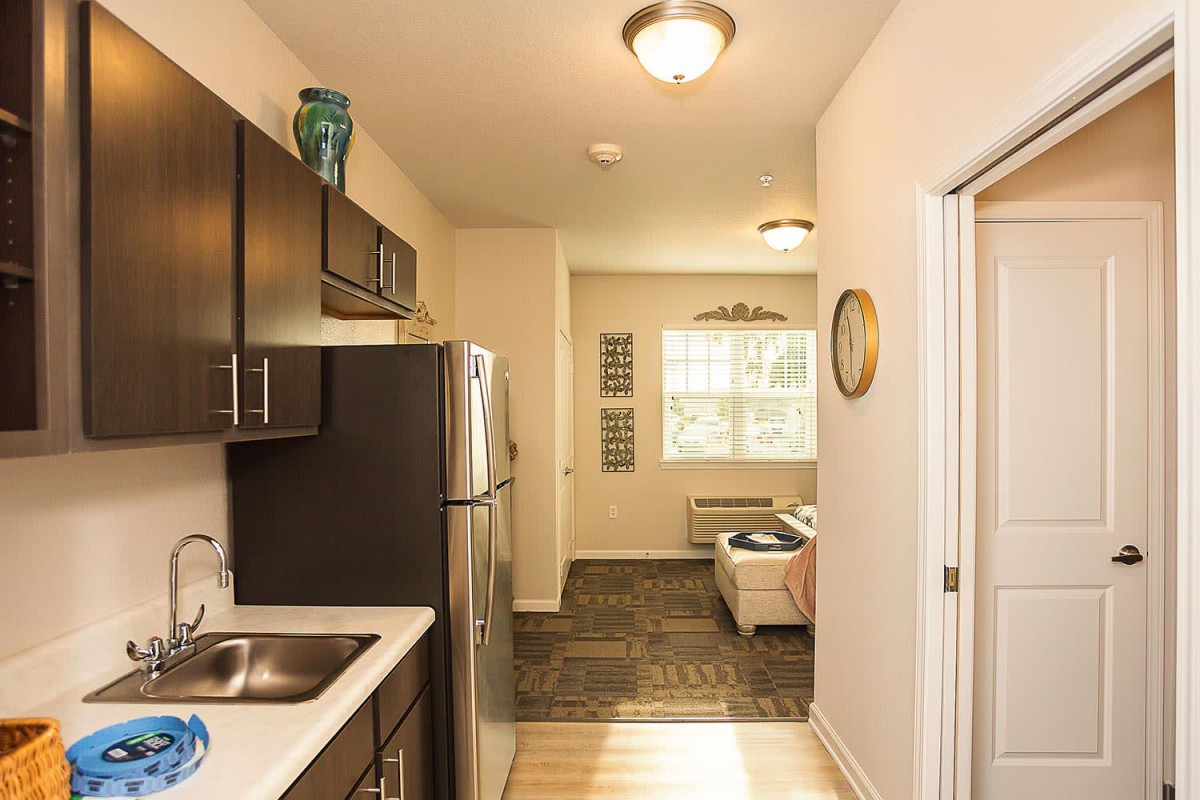
  • Interior

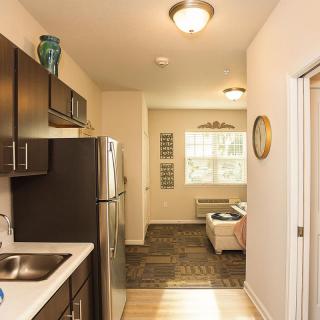
    A cozy apartment showcasing a modern kitchen leading into a compact living room with ample natural light.
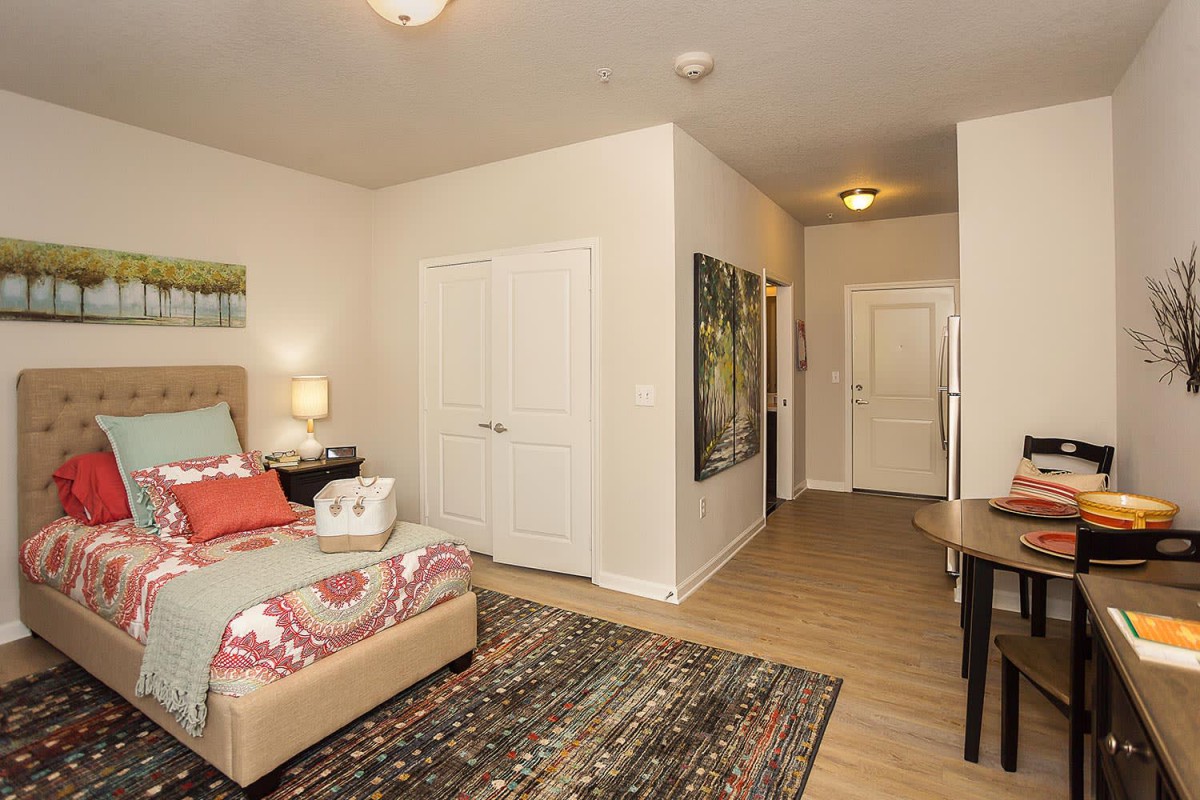
  • Decor

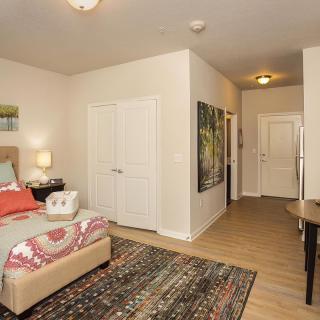
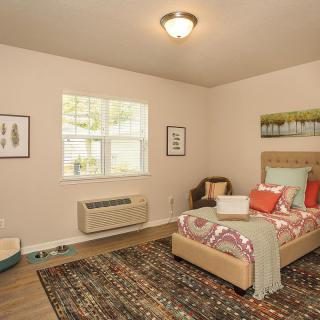
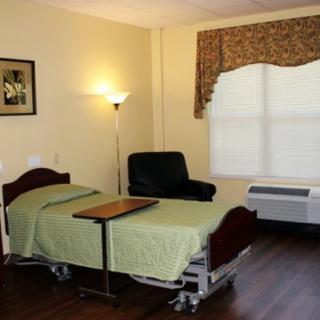
    A cozy bedroom with a neatly made bed, decorative accents, and wall art.
  • Living Room

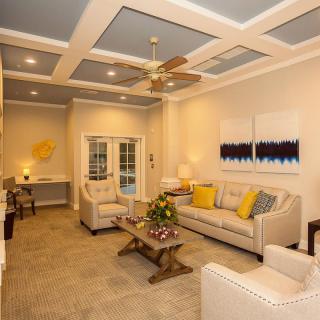
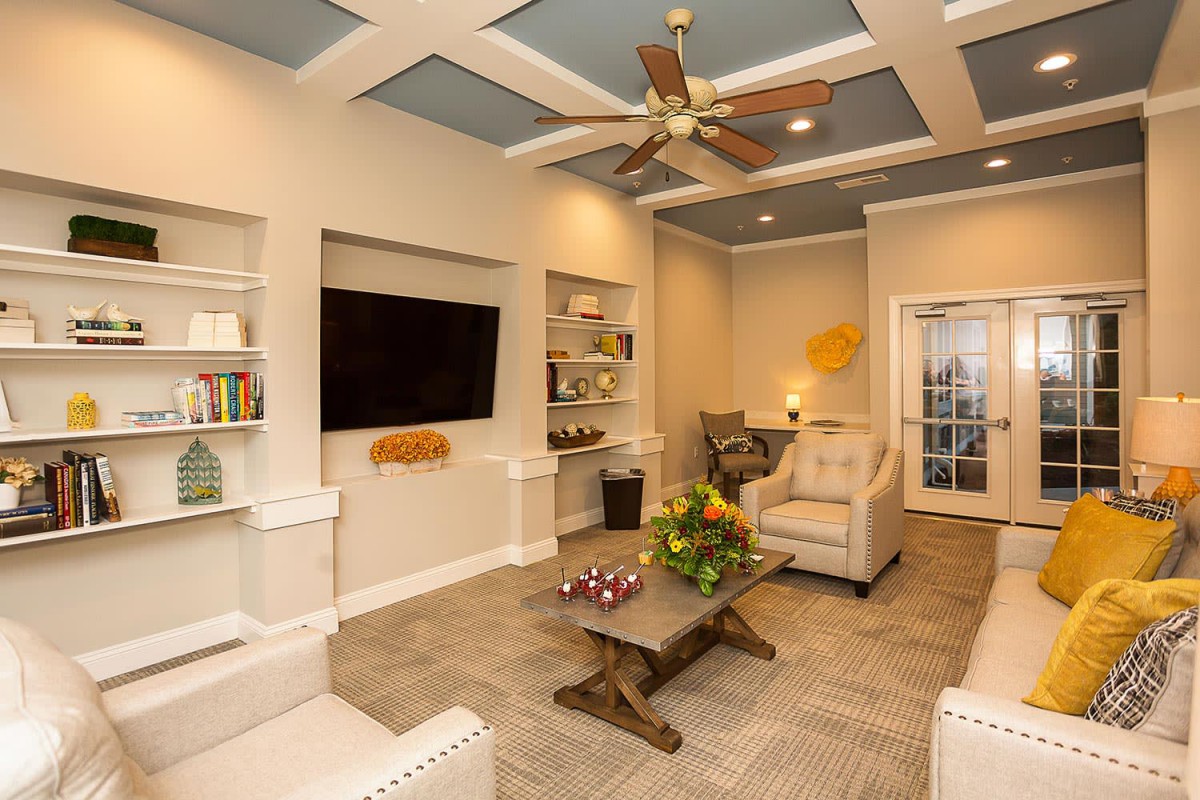
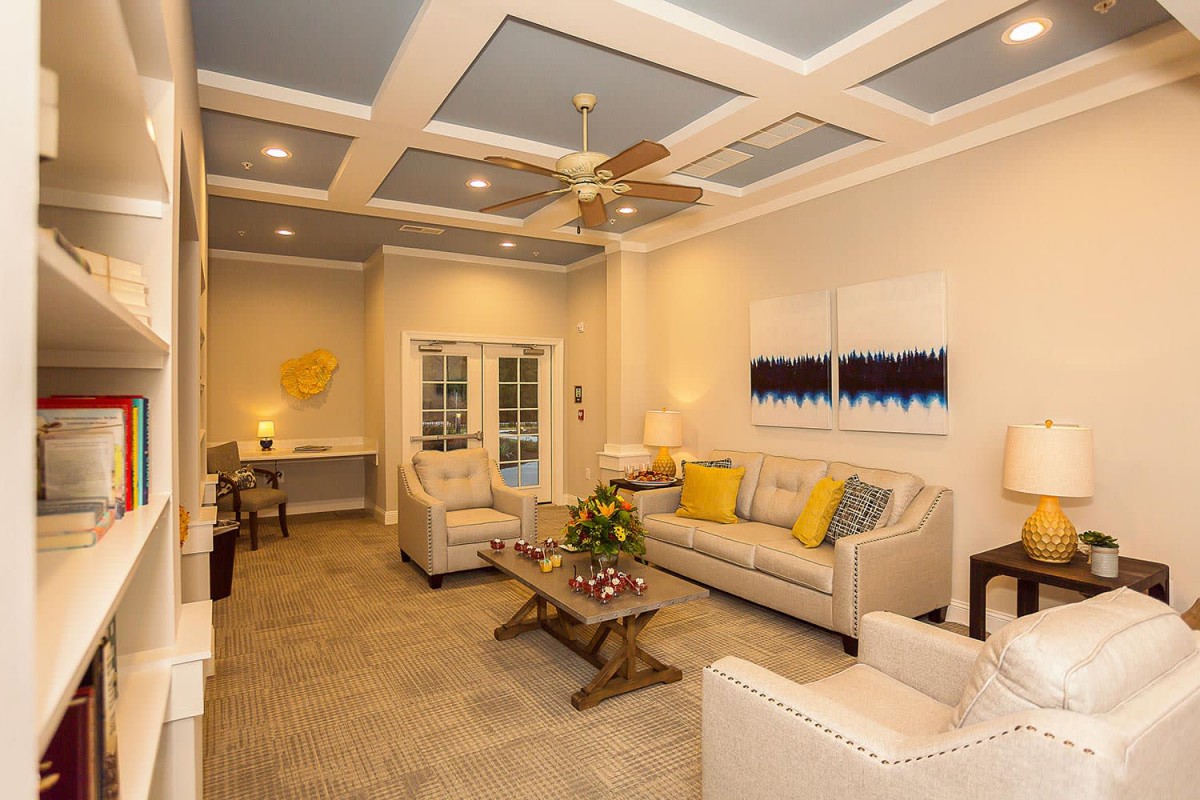
    A modern and cozy living room with a large television, comfortable seating, and stylish decor.
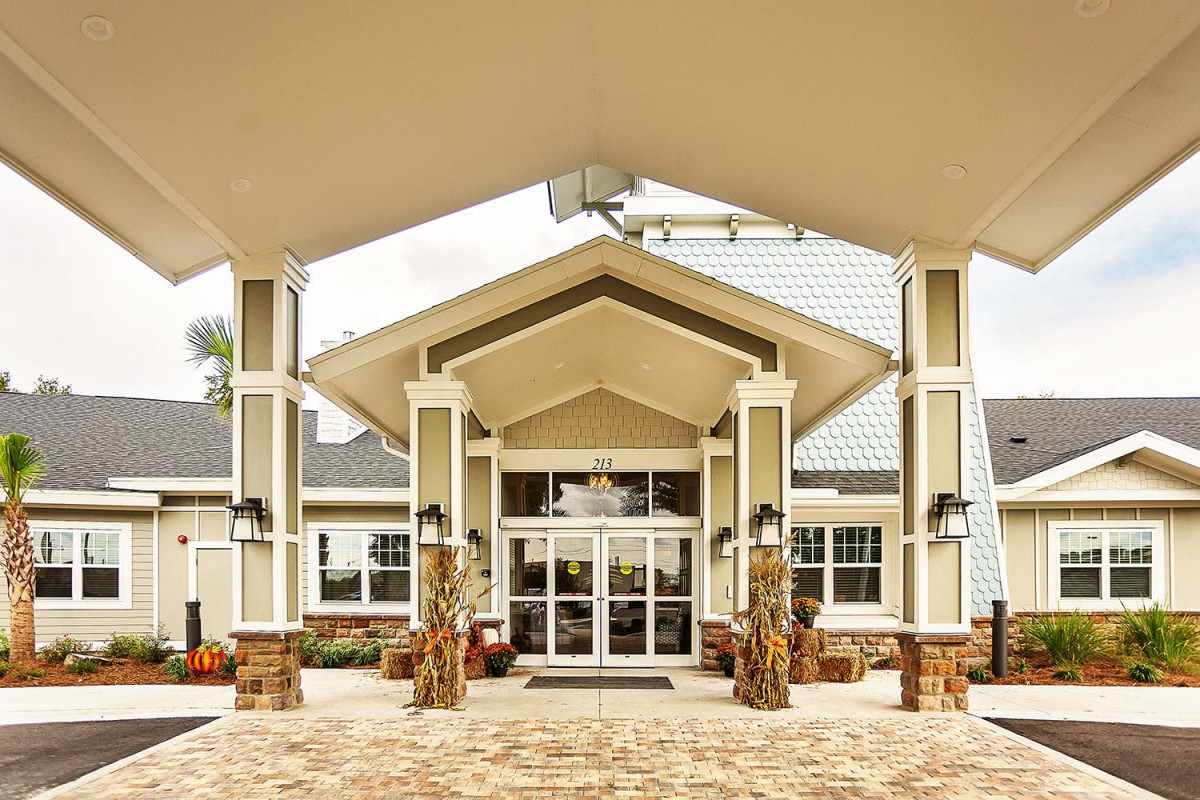
  • Building

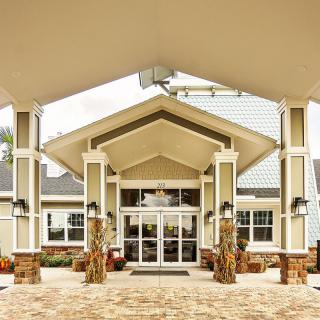
    Main entrance of a building with architectural columns and a covered porch.
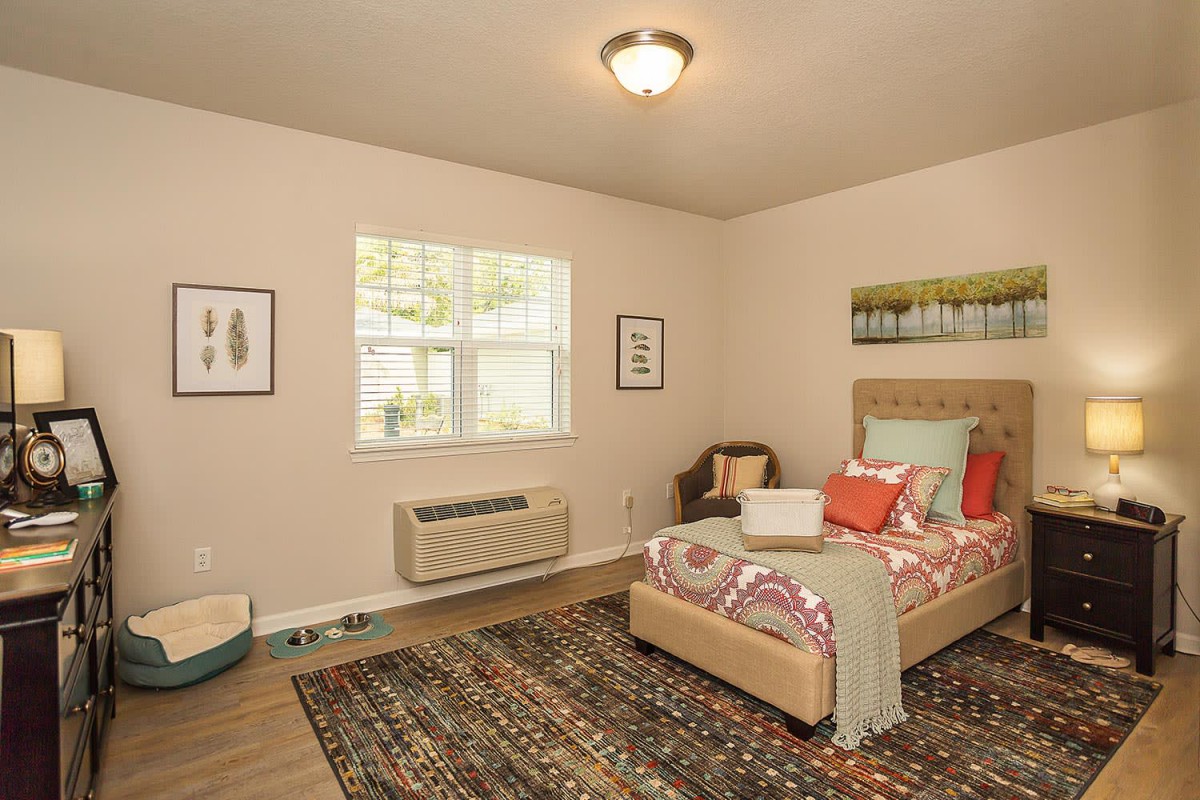
  • Bedroom

    A cozy bedroom with stylish decor, featuring a bed, artwork, and a colorful rug.
  • Dining

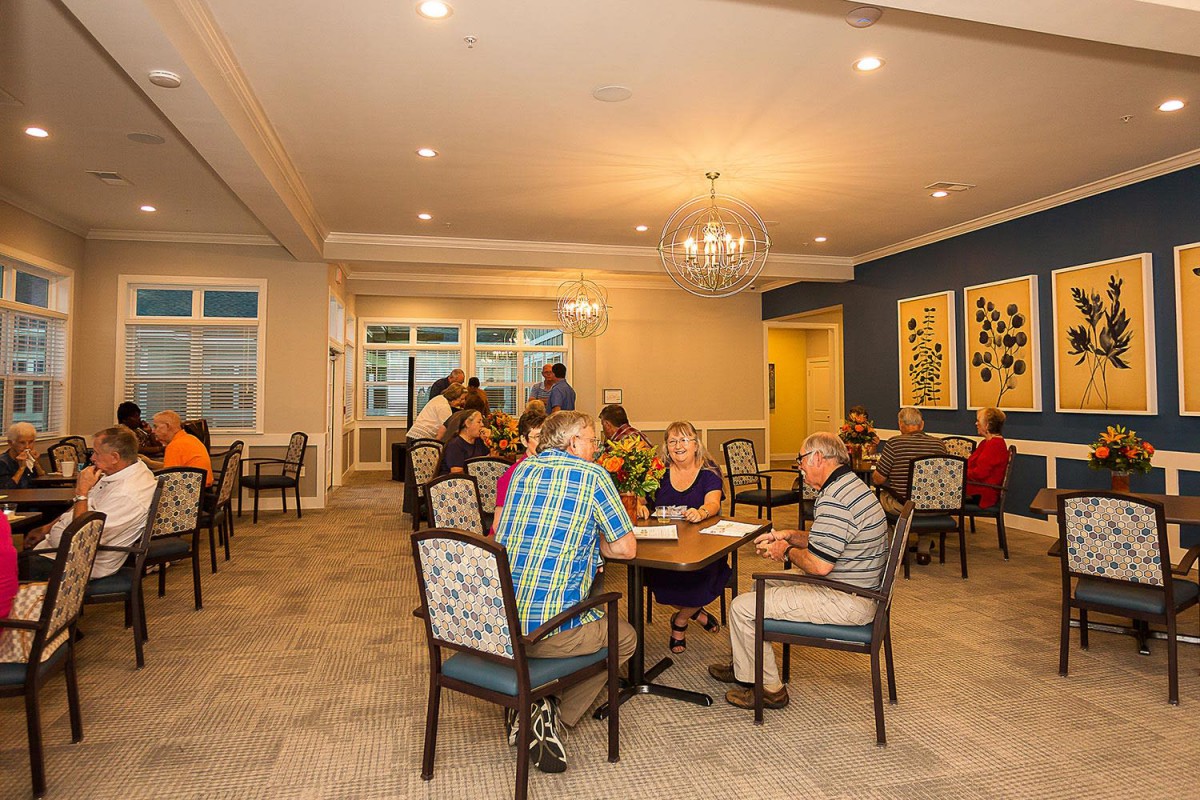
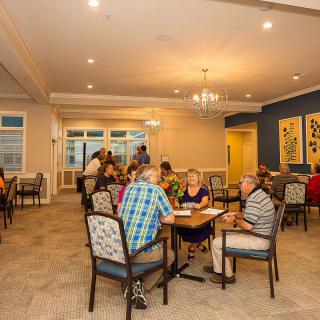
    A group of seniors socializing in a dining area, with several tables and chairs arranged for comfort and conversation.
  • Lighting

    A cozy living room with elegant decor, featuring comfortable seating and stylish artwork.
  • Wall Art

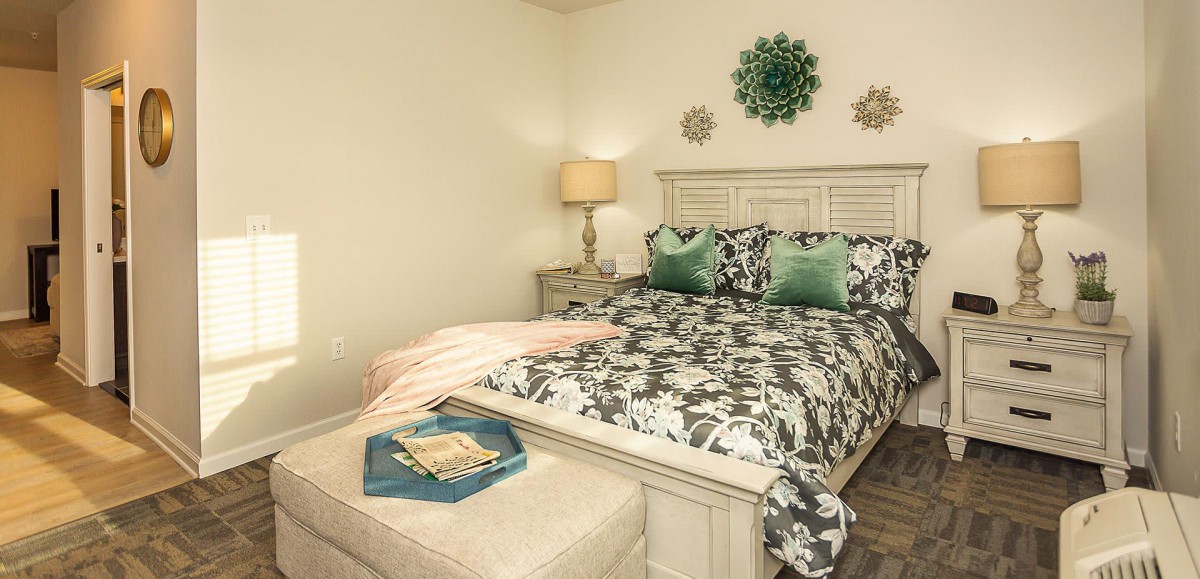
    A cozy bedroom with patterned bedding, decorative pillows, and soft lighting.

The Canopy of Harper Lake in Lake City, FL

Information last verified:

213 NW Gleason Drive, Lake City, FL 32055

For more information about senior living options: (844) 490-3973

4.5 from 52 reviews
5 stars
44
4 stars
1
3 stars
0
2 stars
1
1 stars
6

Seniors.FYI Elite Community Awards

Top 5% Senior Living Community in 2019Top 5% Senior Living Community in 2021

Add this award to your website

The Canopy of Harper Lake Costs & Pricing

The Canopy of Harper Lake offers competitive pricing for its accommodations compared to local and state averages. For a studio unit, residents can expect to pay $3,350 per month, which is slightly above the Columbia County average of $3,118 but lower than Florida's overall average of $3,823. In the case of one-bedroom apartments, The Canopy aligns with Columbia County's rate at $4,350; however, this price point is notably higher than the state average of $3,864. Overall, while The Canopy of Harper Lake reflects a premium in specific categories relative to nearby options, it maintains a strategic alignment within the broader Florida market.

Floor plansThe Canopy of Harper LakeColumbia CountyFlorida
Studio$3,350$3,118$3,823
1 Bedroom$4,350$4,350$3,864

Overall Review of The Canopy of Harper Lake

Pros

  • pro The Canopy at Harper Lake is a wonderful community where residents are well cared for by an amazing, compassionate staff.
  • pro The memory care team is incredibly attentive, with excellent communication, patience, and genuine care for residents and their families.
  • pro The Canopy makes residents feel safe, comfortable, and valued.
  • pro It feels like a true home, filled with peace, enthusiasm, and good vibes, created by a dedicated team.
  • pro The staff at The Canopy are kind, professional, and treat residents like family.
  • pro The facility is clean, inviting, and beautifully maintained, with engaging activities for residents.
  • pro The cuisine is excellent, with skilled chefs planning nutritious, delicious meals.
  • pro The Canopy consistently goes above and beyond in care and support for residents and families.
  • pro Families feel confident and at peace about their loved one's care at The Canopy.
  • pro The Canopy at Harper Lake is highly recommended for its caring, loving atmosphere.

Cons

  • pro They state that the memory care unit should be shut down and that the facility has no business caring for such a vulnerable elderly population.
  • pro They allege neglect and abuse in memory care, including residents being yelled at and physically harmed.
  • pro They report high staff turnover and a lack of dementia-care training, making proper memory care effectively nonexistent.
  • pro They criticize management for poor leadership and constant changes, with little real accountability.
  • pro They describe unsafe conditions, such as a resident sleeping on a urine-soaked mattress due to improper incontinence care.
  • pro They characterize the overall experience as a nightmare and express relief only after significant changes were made.

Review

The Canopy at Harper Lake is best suited for families seeking a warm, homelike senior living environment with a strong emphasis on compassionate care, social engagement, and hands-on staff attention. It works particularly well for residents who benefit from memory care support within a connected, family-like community, and for families that prize a beautiful, well-maintained setting with plentiful activities, reliable communication, and meals that feel homestyle. This is a place where residents are encouraged to participate in daily life, and where staff consistently strives to honor dignity and independence while providing supportive oversight. Those who want a facility that feels like a true home, where staff members are approachable and residents form genuine connections, will find much to love here. Still, this community is not a one-size-fits-all solution; for families whose loved one requires highly specialized dementia care with airtight safety protocols and a flawless leadership track record, alternatives may be worth comparing.

On balance, the strongest appeal centers on the staff and the culture. Reviews repeatedly highlight a dedicated, caring team, people who treat residents as family, communicate with families transparently, and create a sense of safety, belonging, and respect. The environment is lauded as clean, attractive, and homey, with a calm, welcoming atmosphere that translates into meaningful daily life: engaging programming, social events, and activities that residents actually participate in and enjoy. The dining experience is frequently praised, with competent culinary leadership and nutrition-aware menus that feel thoughtfully prepared. For families prioritizing consistent, compassionate care in a well-appointed setting, these are not small advantages; they directly influence daily quality of life, resident mood, and family peace of mind.

Yet the memory care component has been a source of significant concern in past reviews, and that reality cannot be dismissed. Some families report severe lapses in the memory care unit, including allegations of neglect and inappropriate handling, with painful stories of inadequate supervision, staff turnover, and residents experiencing distress. Those accounts understandably drive caution for anyone whose loved one relies primarily on memory care services. That said, later feedback acknowledges meaningful leadership and staffing changes, with reports of improved care, more licensed nurses, and better overall operations. The current situation appears mixed across families and units, but the trend toward stronger staffing and clearer accountability is a meaningful counterbalance to earlier red flags.

This juxtaposition, strong general care and culture on the one hand, guarded feedback about memory care specifics on the other, defines the practical yardstick. The best way to interpret it is to separate the memory care experience from the rest of the campus performance and to verify the current state directly. For families weighing this community, the key question is whether the memory care team now demonstrates consistent, credentialed leadership, stable staffing levels, and transparent, proactive communication. If those elements are in place on a prospective resident’s shift, the pros can far outweigh the cons. If they are not, or if a loved one requires highly specialized dementia oversight with minimal risk of distress or miscommunication, alternatives deserve consideration.

Additional practical factors tilt the balance in favor of a careful, deliberate decision. The Canopy’s strengths, housekeeping, structure, social programming, and a genuinely welcoming staff, translate into tangible daily benefits: predictable routines, accessible activities, and an environment where residents are treated with warmth and respect. However, isolated complaints about cleanliness lapses or missteps in care remind families to conduct due diligence: visit during peak activity times, observe housekeeping quality, and request to meet with the memory care director to review current staffing ratios, care plans, and incident reporting. Understanding how the team handles difficult days, how quickly concerns are escalated, and what ongoing staff development looks like will clarify whether the promised culture is translating into consistent practice.

In the end, The Canopy at Harper Lake stands out as a compelling option for families prioritizing a home-like setting with a compassionate, engaged staff and a robust activity calendar. It is a particularly strong choice for residents who need supportive memory care within a family-centered community and for families who want visible, ongoing family involvement as part of the care plan. The most meaningful caveat concerns memory care quality and stability; while recent updates point to real improvements, this area should be evaluated with direct conversations, current resident references, and a clear care plan that outlines staffing levels, supervision, and escalation channels. For families comfortable with a campus that generally delivers warmth, dignity, and engagement, and willing to probe the memory care operation until confident in its consistency, The Canopy at Harper Lake earns strong, actionable consideration. If memory care stability and a spotless safety history remain non-negotiable, broader comparison among similarly rated options will be prudent to ensure the best possible fit for the loved one’s needs.

Features

Types of Care

  • Assisted Living Assisted LivingAssisted living facilities provide crucial support and care for seniors who may need help with daily tasks such as medication management, bathing, and meal preparation. These communities offer a safe and comfortable environment where seniors can maintain their independence while receiving the assistance they need to thrive in their golden years.
  • Independent Living Independent LivingIndependent living communities are important for seniors because they offer a safe and supportive environment where older adults can live independently while still having access to amenities and services that enhance their quality of life. These communities provide social opportunities, recreational activities, and assistance with daily tasks, promoting overall well-being and allowing seniors to maintain their independence for as long as possible.
  • Memory Care Memory CareMemory care is crucial for seniors as it provides specialized support and services for individuals with dementia or Alzheimer's disease. These programs offer a safe and secure environment where residents receive personalized care, cognitive stimulation, and help with daily activities. Memory care helps seniors maintain their independence, quality of life, and dignity while also providing peace of mind for their families.

Amenities

  • Activities on-site Activities on-siteActivities on-site are important for seniors because they provide opportunities for socialization, mental stimulation, physical activity, and overall well-being. Engaging in activities can help seniors stay active, maintain their independence, and improve their quality of life.
  • Air-conditioning Air-conditioningAir conditioning is important for seniors as they are more vulnerable to heat-related illnesses and may have underlying health conditions that make it difficult for them to regulate their body temperature. It helps to keep them comfortable, safe, and healthy in hot weather.
  • Beautician on-site Beautician on-siteHaving a beautician on-site at a senior living community is important for seniors as it allows them to easily access grooming and personal care services, boosting their self-esteem and overall well-being. It also provides convenience and helps seniors maintain their sense of independence and personal style.
  • Devotional services off-site Devotional services off-siteDevotional services off-site are important for seniors as they provide spiritual nourishment, social engagement, and a sense of community outside of the senior living facility. This can enhance overall well-being and help combat feelings of isolation and loneliness often experienced by older adults.
  • Devotional services on-site Devotional services on-siteDevotional services on-site provide seniors with spiritual support and a sense of community, as well as an opportunity for reflection and guidance during their senior living experience. This can promote emotional well-being and connection to others, leading to a more fulfilling and enriching lifestyle in their later years.
  • Ground floor units Ground floor unitsGround floor units are important for seniors because they provide easy accessibility, reduced risk of falls and injuries, and convenience for those with mobility issues. Seniors can avoid climbing stairs or using elevators, making daily tasks and activities more manageable and enjoyable.
  • Handicap accessible Handicap accessible"Handicap accessible" amenities are crucial for seniors to ensure they can easily navigate and access facilities, services, and activities without barriers or limitations due to physical impairments. This promotes independence, safety, and inclusivity for seniors in senior living communities.
  • Indoor common areas Indoor common areasIndoor common areas are crucial for seniors as they provide a space for socialization, recreation, and community engagement, promoting overall well-being and reducing feelings of isolation and loneliness.
  • Kitchenette KitchenetteKitchenettes are important for seniors living in senior living communities because they provide the convenience and independence of being able to prepare simple meals and snacks in the comfort of their own living space. This can help promote a sense of autonomy and well-being for seniors, allowing them to maintain some level of control over their dietary choices and daily routines.
  • Outdoor common areas Outdoor common areasOutdoor common areas are important for seniors as they provide a space for socialization, physical activity, and relaxation. Being outside in nature can improve mood and overall well-being, while also encouraging movement and engagement with others. These spaces can help combat feelings of isolation and promote a sense of community among residents.
  • Respite or short term stays offered Respite or short term stays offeredRespite or short term stays provide seniors with a temporary solution when their regular caregiver is unavailable, offering them the opportunity to receive additional care and support during times of need, while also giving caregivers a chance to rest and recharge.
  • Wheelchair accessible showers Wheelchair accessible showersWheelchair accessible showers are crucial for seniors as they provide a safe and independent bathing option for those with mobility challenges. These showers help prevent falls and allow seniors to maintain their dignity and autonomy while ensuring they can bathe comfortably.
  • Wi-Fi/high-speed internet available Wi-Fi/high-speed internet availableWi-Fi/high-speed internet is important for seniors to stay connected with loved ones, access online resources, and participate in virtual activities to combat feelings of loneliness and isolation. It also allows them to easily manage healthcare needs, access entertainment, and engage in lifelong learning opportunities.

Care Services

  • Ambulatory care Ambulatory care"Ambulatory care services provide essential medical support and treatment to seniors without requiring hospitalization, allowing them to maintain their independence and quality of life while managing chronic conditions or receiving routine medical care."
  • Diabetic care Diabetic careDiabetic care is crucial for seniors as they are more susceptible to developing diabetes due to aging and other health conditions. Proper management of diabetes can help prevent complications such as heart disease, vision loss, and nerve damage, improving the overall quality of life for seniors in senior living communities.
  • Incontinence care Incontinence careIncontinence care is essential for seniors to maintain their dignity, hygiene, and overall quality of life. By addressing incontinence issues promptly and effectively, seniors can enjoy a sense of independence and comfort in their daily activities.
  • Medication management Medication managementMedication management is crucial for seniors to ensure they are taking the right medications at the correct dosages and times. This helps prevent adverse drug interactions, reduces the risk of medication errors, and promotes overall health and well-being. Proactive management also allows for adjustments as needed based on changing health conditions or new prescriptions.

Dining

  • Anytime dining Anytime diningAnytime dining is important for seniors because it allows them the flexibility to eat when they are hungry, rather than being restricted to set meal times. This can be especially beneficial for those with medical conditions or medications that affect their appetite, as well as those who may have difficulty adhering to a strict dining schedule. Overall, anytime dining promotes independence and overall well-being for seniors in senior living communities.
  • Gluten-free Gluten-freeGluten-free options are important for seniors as they are more prone to digestive issues and dietary sensitivities. Offering gluten-free meal choices in senior living communities can help improve their overall health and well-being.
  • Guest meals Guest mealsGuest meals are important for seniors living in senior living communities because they provide an opportunity for socialization and companionship. Sharing a meal with friends, family, or new acquaintances can help combat feelings of loneliness and isolation, promote a sense of community, and enhance overall well-being. Additionally, guest meals allow seniors to enjoy delicious food in a comfortable setting without the hassle of cooking or cleaning up, making dining a pleasurable and stress-free experience.
  • Kosher KosherKosher options are important for seniors because they adhere to dietary laws that are significant to many Jewish individuals, providing them with peace of mind and an opportunity to maintain their cultural traditions and beliefs while living in a senior living community.
  • Low / no sodium Low / no sodiumLow/no sodium options are important for seniors because excessive sodium intake can lead to high blood pressure, heart disease, and other health issues commonly experienced by older adults. By choosing low/no sodium foods, seniors can better manage their health and reduce their risk of developing these conditions.
  • Meals provided Meals provided"Meals provided" are crucial for seniors in assisted living communities as it ensures they have access to nutritious, balanced meals without the stress of meal planning and preparation. This can help promote overall health and well-being for seniors who may have limited mobility or cognitive abilities.
  • No Sugar No SugarNo sugar diets are important for seniors because they can help prevent or manage chronic conditions such as diabetes, heart disease, and obesity. Sugar can also contribute to cognitive decline and inflammation in the body, so reducing sugar intake can lead to overall improved health and well-being in older adults.
  • Organic OrganicOrganic foods are important for seniors because they contain fewer chemicals and pesticides, which can be harmful to aging bodies. Additionally, organic foods often have higher nutrient levels, making them a healthier choice for maintaining overall well-being in older adults.
  • Professional chef Professional chefProfessional chefs are important for seniors living in senior living communities because they provide nutritious and delicious meals that cater to their dietary needs and preferences. A professional chef can ensure that seniors are receiving balanced, flavorful meals that support their overall health and well-being.
  • Restaurant style dining Restaurant style diningRestaurant style dining is important for seniors as it offers them a social and enjoyable dining experience, promotes healthy eating habits, and provides personalized menu options to cater to their dietary needs and preferences. This type of dining setting can enhance their overall quality of life and create a sense of community within the senior living facility.
  • Room service Room serviceRoom service is important for seniors in a senior living community because it provides convenience and allows them to have their meals delivered directly to their room. This can be especially beneficial for seniors who may have mobility issues or difficulty accessing the dining area. Room service ensures that seniors are able to receive nutritious meals without having to navigate through the facility, allowing them to maintain their independence and overall well-being.
  • Special dining programs Special dining programsSpecial dining programs are important for seniors because they provide nutritious meals tailored to their dietary needs and preferences. These programs also offer socialization opportunities, promote overall health and well-being, and can help prevent malnutrition.
  • Vegan VeganVegan diets can provide numerous health benefits for seniors, including lower risk of chronic diseases, improved digestion, and increased energy levels. Additionally, plant-based diets are often rich in essential nutrients that can support overall well-being and longevity in older adults.
  • Vegetarian VegetarianA vegetarian diet is important for seniors because it can help lower the risk of chronic diseases, maintain a healthy weight, and provide essential nutrients needed for aging bodies. Additionally, plant-based diets are often easier on digestive systems and can contribute to overall well-being in older adults.

Activities

  • Art classes Art classesArt classes are important for seniors because they provide a creative outlet, improve cognitive function, reduce stress and anxiety, promote socialization, and enhance overall well-being and quality of life.
  • Day trips and outings Day trips and outingsDay trips and outings are important for seniors as they provide opportunities for socialization, mental stimulation, physical activity, and a break from daily routines. These experiences can enhance overall well-being and quality of life for older adults living in senior communities.
  • Devotional activities offsite Devotional activities offsiteDevotional activities offsite are important for seniors because they provide social engagement, spiritual growth, and a sense of community outside of their living environment. This can improve overall well-being, mental health, and combat feelings of isolation or loneliness.
  • Devotional activities on-site Devotional activities on-siteDevotional activities on-site provide seniors with a sense of community, spiritual fulfillment, and emotional support, promoting overall well-being and a positive sense of purpose in their lives.
  • Educational speakers / life long learning Educational speakers / life long learningEducational speakers and lifelong learning opportunities are crucial for seniors as they provide mental stimulation, promote social engagement, and contribute to overall well-being. Continuous learning helps seniors stay mentally sharp, build new skills, and maintain a sense of purpose and fulfillment in their lives. It also allows them to stay connected to the world around them and fosters a sense of community within senior living facilities.
  • Happy hour Happy hourHappy hour is important for seniors as it provides a social activity that promotes camaraderie and reduces feelings of loneliness or isolation. It also offers an opportunity for older adults to relax, unwind, and enjoy some drinks or snacks in a fun and welcoming atmosphere.
  • Karaoke KaraokeKaraoke provides seniors with a fun and social activity that can boost mood, confidence, and cognitive function. It encourages social interaction, physical movement, and creative expression, making it an important form of entertainment for senior living communities.
  • Live dance or theater performances Live dance or theater performancesLive dance or theater performances are important for seniors because they provide opportunities for socialization, mental stimulation, and emotional engagement. These performances can help combat feelings of isolation and loneliness, while also offering a sense of connection to the arts and culture. Additionally, watching live performances can bring joy and create lasting memories for seniors in their later years.
  • Live musical performances Live musical performancesLive musical performances can provide seniors with a sense of joy, nostalgia, and connection. Music has the power to evoke emotions and memories, improve mood and cognitive function, and foster social interaction among seniors. It can also serve as a form of therapy and stress relief for older adults, making it an important activity to include in senior living communities.
  • Live well programs Live well programs"Live well programs are essential for seniors as they provide opportunities for physical activity, social engagement, and mental stimulation, ultimately promoting overall health and well-being in later years."
  • Visiting chaplain or priest Visiting chaplain or priestHaving a visiting chaplain or priest at a senior living community is important for seniors because it provides spiritual support, comfort, and guidance during a time of life that can be challenging and uncertain. Their presence can help seniors feel connected to their faith, find peace of mind, and cope with the emotional and mental struggles they may face in their later years.
  • Wine tasting Wine tastingWine tasting can be a fun and social activity for seniors, allowing them to engage their senses, learn about different varieties of wine, and potentially meet new friends. It also offers health benefits such as improved cognitive function and reduced risk of heart disease when consumed in moderation.

Description

The Canopy of Harper Lake in Lake City, FL is an exceptional assisted living community offering a range of care services and amenities to cater to the unique needs of its residents. With a focus on independent living and memory care, this community ensures that individuals can maintain their independence while receiving the support they require.

The community is equipped with various amenities to enhance the comfort and convenience of residents. Air-conditioning ensures a pleasant environment throughout the year, while a beautician on-site allows residents to conveniently access salon services. Devotional services are available both on-site and off-site for those seeking spiritual guidance. Ground floor units and wheelchair-accessible showers make it easy for residents with mobility challenges to navigate their surroundings. Indoor common areas provide spaces for socializing and relaxation, while outdoor common areas offer opportunities to enjoy fresh air and nature. Wi-Fi/high-speed internet connectivity enables residents to stay connected with loved ones and access online resources.

The Canopy of Harper Lake also provides essential care services such as diabetic care, incontinence care, and medication management. Trained caregivers are committed to meeting the specific needs of each resident, ensuring their health and well-being.

When it comes to dining, residents have an array of appetizing options at their disposal. From gluten-free meals to kosher offerings, low/no sodium options to organic choices, the community caters to diverse dietary requirements. A professional chef prepares delicious meals served restaurant-style in an elegant dining setting. Room service is available for added convenience, and special dining programs add variety to the culinary experience. The community accommodates different preferences with vegan and vegetarian choices as well.

Engaging activities are plentiful at The Canopy of Harper Lake. Residents can enjoy day trips and outings that promote exploration and adventure. Devotional activities foster spiritual growth while educational speakers provide learning opportunities. Happy hours create a lively social atmosphere, while karaoke nights bring out the inner performer in residents. Live dance or theater performances and musical acts provide entertainment, and the community encourages overall wellness with its Live Well programs. The presence of a visiting chaplain or priest ensures that residents' spiritual needs are met, while wine tasting events add a touch of sophistication.

The location of The Canopy of Harper Lake further adds to its appeal. With 3 nearby cafes, parks, and transportation options, residents can easily access amenities within their community. 9 pharmacies and 25 physicians in close proximity ensure prompt medical care when needed. A wide selection of restaurants allows for dining out experiences, while nearby places of worship cater to various religious affiliations. Additionally, there is a theater close by for cultural enrichment, and several hospitals in the vicinity offer peace of mind regarding healthcare accessibility.

The Canopy of Harper Lake is a vibrant assisted living community that combines comfort, care services, amenities, and an engaging lifestyle to create an exceptional living experience for its residents.

Nearby Places of Interest

This part of Lake City, Florida, offers a convenient and accessible location for senior living. With several hospitals nearby including the Veteran's Administration Hospital and Lake City VA Medical Center, residents have access to quality healthcare services. There are plenty of dining options such as Two Fat Guys Burgers & Fries and Fu King Chinese Restau within walking distance. Pharmacies like Winn-Dixie and CVS are also close by for any medication needs. In addition, there are various parks for leisurely strolls and places of worship for spiritual fulfillment. Transportation options like USA Taxi & Airport Subtle make it easy to get around the area. Overall, this neighborhood provides a well-rounded environment with essential amenities for seniors to enjoy a comfortable and fulfilling lifestyle.

Hospitals

  • Veteran's Administration Hospital (0.1 miles)
  • Lake City VA Medical Center (0.2 miles)
  • VA Hospital (0.2 miles)
  • Wolfson Children's Hospital-Children's Specialty Center (0.5 miles)
  • Lake Shore Hospital (0.6 miles)
  • Shands Lake Shore Regional Medical Center - Emergency Room (0.7 miles)
  • Lake Shore Hospital Authority (0.7 miles)

Restaurants

  • Two Fat Guys Burgers & Fries (0.2 miles)
  • McDonald's (0.2 miles)
  • Fu King Chinese Restau (0.3 miles)
  • KFC (0.3 miles)
  • Taco Bell (0.4 miles)
  • Wendy's (0.4 miles)
  • Shirley's Restaurant (0.6 miles)

Pharmacies

  • Winn-Dixie (0.2 miles)
  • North Florida Pharmacy (0.3 miles)
  • CVS Pharmacy (0.3 miles)
  • Baya Pharmacy (0.7 miles)
  • Baya Pharmacy (1.4 miles)
  • Baya Medical (1.4 miles)
  • Walgreens (1.9 miles)

Physicians

  • 1st Class Medical (0.3 miles)
  • Cmsmg Dermatology (0.3 miles)
  • Mercy Medical Urgent Care (0.4 miles)
  • North Florida Hearing & Balance Center (0.4 miles)
  • North Florida Eyecare (0.4 miles)
  • Graper Facial Institute (0.7 miles)
  • Resolutions Health Alliance (0.7 miles)

Parks

  • Olustee Park (0.4 miles)
  • Wilson Park (0.6 miles)
  • Alligator Lake Park (1.7 miles)

Places of Worship

  • Mt Ararat Baptist Church (0.5 miles)
  • Southern Baptist Convention (0.6 miles)
  • Lake City Church of God (0.6 miles)
  • Grace City Ministries (0.7 miles)
  • Mt Pisgah Ame Church (0.8 miles)
  • Cleopatra J Steele Ministries (0.8 miles)
  • Macedonia Seventh Day Adventist Church (0.8 miles)

Transportation

  • USA Taxi & Airport Subtle (0.5 miles)
  • U-Haul Neighborhood Dealer (2.4 miles)
  • U-Haul (2.6 miles)

Cafes

  • Ellianos (0.5 miles)
  • Starbucks (2.3 miles)
  • Panera Bread (2.5 miles)

Theaters

  • Regal Ua Cinema 90 (2.7 miles)

Frequently Asked Questions

How much does it cost to live at The Canopy of Harper Lake in Lake City, FL?
Where is The Canopy of Harper Lake?
Does The Canopy of Harper Lake provide care for residents with dementia or Alzheimer's disease?
What photos are available for The Canopy of Harper Lake in Lake City, Florida?

Nearby Communities

  • Baya Pointe Nursing And Rehabilitation Center

    Baya Pointe Nursing And Rehabilitation Center

    Lake City, FL

    3.6 from 100 reviews
     

    pro Strong rehab team with proactive communication from the Rehab Manager.


  • Welcome Home A Loving Family

    Welcome Home A Loving Family

    Lake City, FL

    4.3 from 102 reviews
     

    pro Fully furnished apartments with comprehensive care services and coordinated health care.

  • Avalon Healthcare Center

    Avalon Healthcare Center

    Lake City, FL

    3.9 from 61 reviews
     

    pro Extensive amenities and comprehensive care.

  • Avalon Healthcare Center

    Avalon Healthcare Center

    Lake City, FL

    3.9 from 76 reviews
     

    pro Friendly, attentive staff with clear family communication.

  • Solaris Healthcare Lake City

    Solaris Healthcare Lake City

    Lake City, FL

    4.7 from 33 reviews
     

    pro 24/7 nursing and supervision with private, kitchenette-equipped rooms and restaurant-style dining.

  • Willowbrook Assisted Living

    Willowbrook Assisted Living

    Lake City, FL

    4 from 41 reviews
    $2,075 to $2,825 / month

    pro Caring, professional staff in a clean, welcoming environment with engaging activities.

  • Plantation Oaks Senior Living

    Plantation Oaks Senior Living

    High Springs, FL

    4.5 from 53 reviews
    $2,145 to $3,200 / month

    pro Caring, professional staff that fosters a family-like atmosphere and offers engaging activities.

Assisted Living in Nearby Cities

Related Resources

  • when should someone with dementia go into a care home8 Important Indicators That Memory Care May Be Necessary

    The article highlights eight indicators that a loved one with dementia may require specialized memory care, emphasizing the emotional and logistical challenges families encounter in this decision. It discusses signs such as difficulties with daily tasks, safety concerns, and caregiver burnout, suggesting that memory care facilities can provide the necessary support and structured environments for those experiencing cognitive decline.

  • what do dementia patients think aboutDelving into the Inner World of Dementia: Insights into Thoughts and Awareness

    Dementia, primarily caused by Alzheimer's disease but also linked to other conditions, leads to cognitive decline impacting memory and daily functioning, with individuals experiencing varied awareness of their impairments. Despite memory loss, emotional connections persist, enabling responses to familiar stimuli, highlighting the need for caregivers to provide compassionate support that recognizes both limitations and retained emotional depth.

  • does my mom have dementia quizFive Subtle Dementia Indicators to Observe: An In-Depth Guide to Understanding “Does My Mom Have Dementia?”
    The article presents five subtle indicators of dementia, such as memory lapses and mood swings, to help families assess cognitive decline in loved ones. It emphasizes early detection, open communication, and seeking professional help while providing practical support steps.