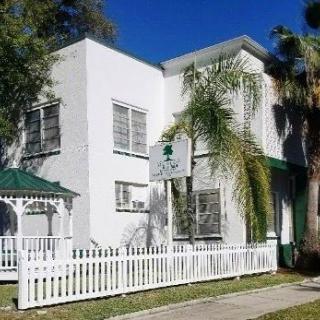
509 West Verona Street, Kissimmee, FL 34741
For more information about senior living options: (866) 208-4318
Overall Review of Greenleaf Assisted Living
Pros
 Green Leaf assisted living is the best.
- The staff has become his family.
- The staff have gone above and beyond to make him feel safe and a part of a family.
- He is thriving.
- Joy is the manager who knows each resident personally and accommodates the needs of every resident individually.
- The facility is highly recommended.
- The food is excellent.
- The staff is amazing and caring.
- Green Leaf took great care of him.
Cons
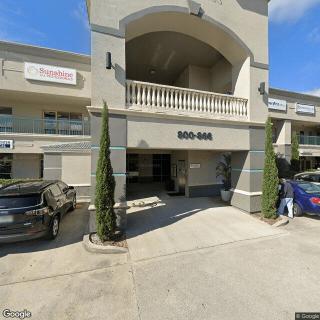
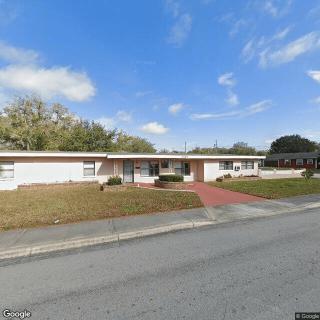
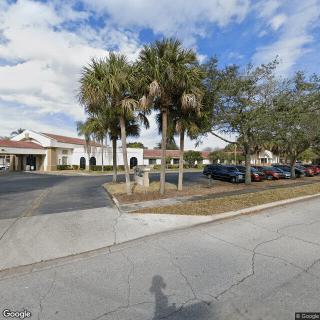
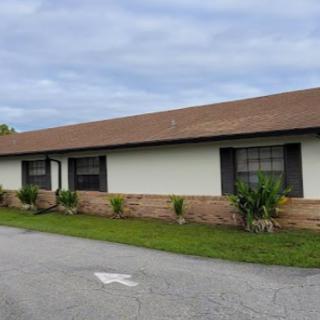
 The facility is described as falling apart and in need of renewal.
- The building inside and out looks awful and not inviting.
- It allegedly looks like someone would be sent to die there.
- The food quality is described as poor and insufficient.
- A resident death is alleged due to lack of proper fire safety.
- The place is unhealthy due to mold growing in the ceiling.
- The staff are described as disrespectful toward the tenants.
Review
Greenleaf Assisted Living in Kissimmee is best suited for families that prize a warm, relationship-driven care environment where staff become part of the resident’s daily life. It works well for individuals who need practical, hands-on support with medication management, meal preparation, and social integration, including residents with cognitive or brain-injury concerns who benefit from steady, personalized supervision. Multiple accounts highlight a manager and frontline staff who know residents personally, tailor care to individual needs, and cultivate a genuine sense of belonging. When care is defined by everyday fidelity, the environment can feel like a true home, with staff who treat residents as family and families as partners in daily routines.
Yet this community is not for everyone, and families should consider alternatives if certain expectations are non-negotiable. Those seeking a consistently pristine facility with cutting-edge renovations, flawless safety systems, and uniformly high-end dining may prefer another option. A number of reviews describe the building as aging and not particularly inviting, with mold and ongoing repairs cited as ongoing concerns. Dining quality is described as inconsistent, and some reviewers perceive disrespectful interactions from staff. A highly negative narrative about a life-threatening incident further underscores the reality that safety perceptions and incident responses are a critical factor for many families to weigh.
The strongest positives here, staff devotion, a family-like atmosphere, and targeted care for residents with complex needs, do appear to offset some drawbacks for the right resident. The facility’s LMH credentials and staff experience with brain injuries can be decisive for families looking for oversight beyond standard elderly care. The ability for a family advocate or a durable POA to engage with management on a regular basis adds practical value, as does the sense that residents participate in meals and routine activities with meaningful support. For people who fit this care model, the day-to-day experience can be stable, predictable, and personally affirming, with a real emphasis on belonging and personal attention.
Nevertheless, the cost of those advantages is a tangible risk in several domains. Maintenance and safety gaps surface repeatedly in reviews, with mold, subpar room conditions, and a backlog of repairs signaling ongoing health and safety concerns. The more severe reports, ranging from allegations of neglect to a life-threatening incident, create a substantial red flag about quality control and crisis responsiveness. Discrepancies in staff behavior, including disrespectful treatment alleged by some, amplify the risk that a positive daily routine could be compromised by a volatile or inconsistent safety culture. In short, the positive elements rely on a fragile balance that some families may not be willing to accept.
Practical decision-making should center on a disciplined, in-person vetting process. Prospective families ought to insist on an up-to-date, on-site evaluation with the administrator, ask for evidence of recent resident stability with similar needs, and speak directly with several families about their ongoing experiences. Verify licensure and safety records, review cleaning and maintenance schedules, and scrutinize the dining program for reliability and nutrition. Observe interactions between staff and residents during the tour, and confirm that a proactive plan exists for addressing mold, repairs, and safety concerns. For residents with brain injuries or psychiatric needs, demand documentation of LMH-trained staff and clear care-planning processes that demonstrate individualized strategies.
In sum, Greenleaf Assisted Living offers a compelling package for families prioritizing close-knit, attentive care and a home-like atmosphere, especially when a resident’s needs include cognitive or neurological support. However, the facility’s apparent maintenance gaps and mixed signals about safety and consistency counsel caution. For families requiring modern facilities, uniform food quality, and unwavering safety standards, alternatives should be actively explored. The prudent path is a thorough, in-person vetting: tours, candid conversations with current residents or families, a deep dive into safety and maintenance records, and a clear alignment of one’s risk tolerance with the realities of daily life at Greenleaf. The right choice will align both emotional and clinical priorities for the loved one.
 75 resident community capacity
 Assisted Living
 Air-conditioning
 Beauty salon
 Cable or satellite TV
 Computer center
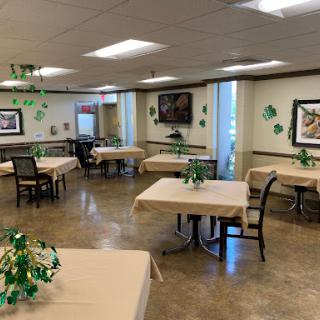
 Dining room
 Fitness room
 Fully furnished
 Gaming room
 Garden
 Housekeeping services
 Kitchenette
 Move-in coordination
 Outdoor space
 Private bathrooms
 Restaurant-style dining
 Small library
 Telephone
 Wellness center
 Wi-Fi/high-speed internet available
 Orlando International (11 miles away)
 Community operated transportation
 24-hour call system
 Activities of daily living assistance
 Assistance with bathing
 Assistance with dressing
 Assistance with transfers
 Diabetes diet
 Medication management
 Special dietary restrictions
 Concierge services
 Planned day trips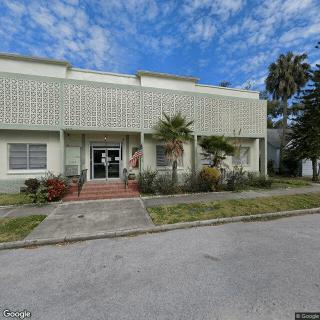


 Comprehensive Supportive Living Arrangements for Adults with Disabilities
 Funding and Affording Assisted Living: A Thorough Overview
 Assisted Living Expenses and Long-Term Care Insurance: A Comprehensive Exploration