
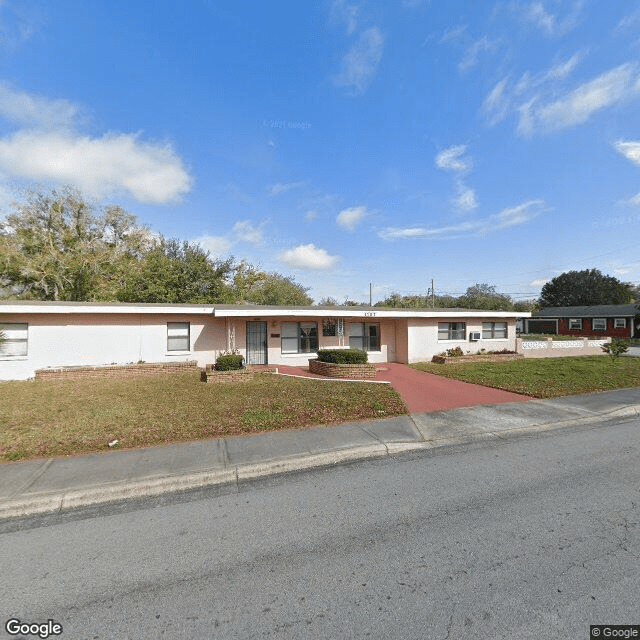
1707 West Oak Street, Kissimmee, FL 34741
For more information about senior living options: (866) 208-4318
The Gentle Shepherd Assisted Living Facility Costs & Pricing
The Gentle Shepherd Assisted Living Facility offers competitive pricing for its accommodations, particularly when compared to both Osceola County and the broader state of Florida. For semi-private rooms, residents can expect a cost of $2,200 per month, which is significantly lower than the county average of $2,833 and the state average of $3,009. Similarly, private rooms at The Gentle Shepherd are priced at $2,500 per month - again more affordable than the county's average of $3,702 and Florida's average of $3,699. This positioning not only highlights The Gentle Shepherd's commitment to providing quality care options at accessible prices but also makes it an appealing choice for families seeking supportive living environments for their loved ones.
| Floor plans | The Gentle Shepherd Assisted Living Facility | Osceola County | Florida |
|---|---|---|---|
| Semi-Private | $2,200 | $2,833 | $3,009 |
| Private | $2,500 | $3,702 | $3,699 |
Assisted Living communities with a similar price nearby
-
from +$400 / mo
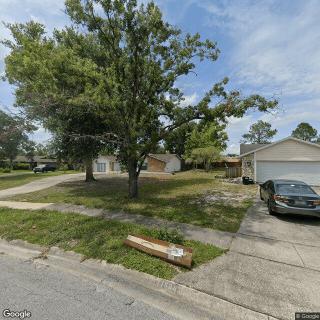
Faith House Of Winter Park
$2,600 to $3,100 / month24.9 miles away -
from -$300 / mo
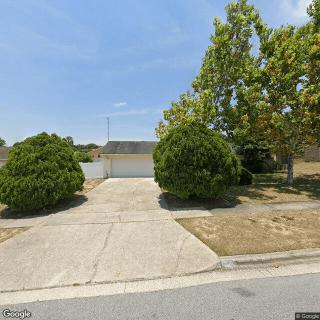
Ionie's Assisted Living II
$1,900 to $2,400 / month20.1 miles away -
from -$200 / mo
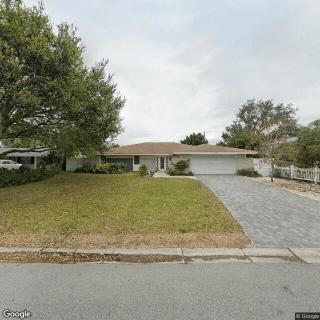
Swan at Lake Conway Assisted Living Facility
$2,000 to $2,500 / month13.7 miles away -
from -$400 / mo
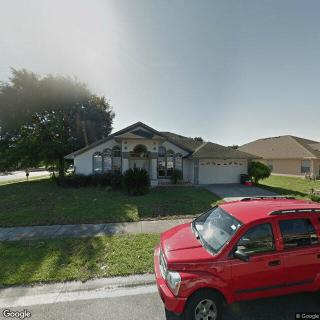
White Flowers Assisted Living Facility
$1,800 to $2,500 / month20.8 miles away -
from +$300 / mo

Sonata Hunter's Creek
$2,500 to $5,515 / month2.5 miles away
Overall Review of The Gentle Shepherd Assisted Living Facility
Pros
 They found a place for their stepmother at Gentle Shepherd Assisted Living Facility.
- The facility is very clean.
- The room she is in is very good.
- They are very happy with it.
- Gentle Shepherd takes care of her very well.
- The staff is very friendly.
Cons
 She is not very happy there because she wants to be on her own in her own house.
- That is the only problem they have.
Review
Gentle Shepherd Assisted Living Facility in Kissimmee is best suited for families seeking a nearby, well-kept, reassuring option where an older adult can settle into a comfortable, private space with dependable daily care. The community excels for residents who value a clean, orderly environment and a private room that feels solidly comfortable rather than temporary. Proximity to family, implied by the positive note about being close to home, matters here, because it enables regular in-person oversight and meaningful family involvement. In short, this is a practical, stability-first choice for seniors who can tolerate a transition toward assisted living while staying anchored to familiar surroundings.
Those weighing alternatives should be mindful of a fundamental caveat: this option may not be ideal for residents who insist on living entirely independently or who will not accept any substantial changes to daily autonomy. For someone determined to remain in their own house, or for individuals requiring a higher level of medical support or more expansive social programming, different communities, perhaps with stronger autonomy-oriented or in-home care elements, could be a better fit. The review’s central tension, the resident’s wish to be in her own home, signals that the best match depends on how much independence the senior is willing to trade for the safety and routine of assisted living.
On the plus side, cleanliness and the quality of the living space stand out as tangible, concrete advantages. The facility earns credibility from being described as very clean, with a room described as “very good.” A well-kept environment reduces infection risk, supports comfort, and makes daily routines smoother for both resident and caregivers. Add in a staff that is noted as friendly and responsive, and the foundation for trustworthy, reliable care becomes clear. The physical setting and demeanor of the team collectively create a sense of security, which is essential when a family is navigating a major lifestyle change for a loved one.
The principal drawback centers on the emotional dimension of moving into assisted living. The resident in question is 92, highly capable of appreciating good care, yet unhappy because she longs to be independent and at home. That emotional resistance does not negate the care quality or the staff’s devotion; it simply means happiness is not automatic and requires ongoing attention. In this case, family engagement appears to play a crucial role, visits of four to five times per week illustrate a robust support network that can help alleviate loneliness, keep the resident engaged, and gradually normalize the new routine. The human factor, how the resident feels day to day, remains the dominant variable.
The way the pros offset the cons centers on the combination of proximity, attentiveness, and a care plan that invites gradual adjustment. Being close to family makes it practical to maintain frequent contact, monitor well-being, and coordinate care without transporting the resident long distances. A clean, comfortable space plus friendly staff fosters trust, reduces anxiety about daily tasks, and provides predictable routines that can ease emotional strain over time. While a strong desire for independence cannot be erased, these structural strengths create a workable pathway for acclimation, especially when supported by consistent family involvement and open communication with caregivers.
For families evaluating Gentle Shepherd, a clear, action-oriented approach yields the best outcome. Confirm the level of daily support included in the plan and what triggers upgrades in care if needs evolve. Schedule extended stays or trial periods to gauge adaptability and happiness, and probe the social programming and opportunities for meaningful engagement beyond basic care. Investigate how staff handle residents who are adjusting emotionally, including strategies for familiarity, orientation, and routine-building. Finally, assess whether the beloved’s priorities, privacy, proximity to home, and steady care, align with the facility’s offerings, and whether the family is prepared to sustain regular presence to nurture a positive transition. When aligned, Gentle Shepherd delivers a solid, practical solution in a market where choice is critical.
 6 resident community capacity
 Assisted Living
 Board and Care Home
 Respite Care
 Activities on-site
 Cable or satellite TV
 Devotional services off-site
 Dining room
 Fully furnished
 Garden
 Housekeeping services
 Indoor common areas
 Move-in coordination
 Outdoor space
 Private
 Telephone
 Wi-Fi/high-speed internet available
 Orlando International (11 miles away)
 24-hour supervision
 Ambulatory care
 Assistance with bathing
 Assistance with dressing
 Assistance with transfers
 Diabetes diet
 Diabetic care
 Incontinence care
 Meal preparation and service
 Medication management
 Special dietary restrictions
 Transportation arrangement (medical)
 Transportation to doctors appointments



 An Extensive Exploration of the VA Aid and Attendance Benefit
 Senior Transition Services: Understanding Their Role, Cost, and Importance
 Exploring the Path to Senior Living: A Comprehensive Look at Independent Living and Assisted Living