For more information about senior living options: (866) 208-4318
3.8 from 51 reviews
5 stars
31
4 stars
3
3 stars
4
2 stars
1
1 stars
12
Bartram Crossing Costs & Pricing
Bartram Crossing presents a premium living experience, reflected in its monthly costs that exceed those of both Duval County and the broader state of Florida. For instance, a studio at Bartram Crossing is priced at $4,600, significantly higher than the county's average of $3,660 and Florida's average of $3,823. The one-bedroom units follow suit with a cost of $5,600, surpassing Duval County's competitive rate of $3,639 and the state's $3,864. When considering two-bedroom accommodations, Bartram Crossing stands at $8,627 while Duval County and Florida average around $4,531 and $4,711 respectively. These figures highlight Bartram Crossing as a luxury option in the market, appealing to those seeking an upscale residential environment despite its elevated price point compared to local and state averages.
Floor plans
Bartram Crossing
Duval County
Florida
Studio
$4,600
$3,660
$3,823
1 Bedroom
$5,600
$3,639
$3,864
2 Bedrooms
$8,627
$4,531
$4,711
Skilled Nursing Facilities with a similar price nearby
Residents repeatedly describe caring, friendly staff who stay involved with day-to-day needs.
Many reviews highlight staff compassion and responsiveness, with families and residents thanking nurses, CNAs, and therapy teams for making care feel supportive during difficult health moments. Several reviewers also call out specific caregivers for kindness, encouragement, and keeping them at ease. A few reviews still express major concerns overall, but even those accounts often single out certain staff members as especially helpful.
common5 reviews mention this
Food quality is mixed
Dining receives both praise and complaints, including reports of cold or inadequate meals.
Some residents say the food was good and that meals helped restore appetite. Others report issues ranging from consistently cold meals and lukewarm food to very poor dietary quality. A separate set of reviews describes food service positively alongside overall rehab experiences, so results seem uneven across stays and units.
caveat7 reviews mention this
Communication and discharge planning
Several families report difficulty getting updates and problems coordinating discharge planning.
Multiple reviews describe a hard time reaching someone directly or getting timely, accurate updates, including frustration with automated phone systems. Others say communication broke down around case management and that families struggled to receive clear information. Reviewers also mention concerns with discharge planning—such as decisions being made without involving family or plans that did not feel adequately coordinated for the person’s needs.
caveat5 reviews mention this
Safety concerns and medical follow-through
Some reviewers raise serious safety and medical-care concerns.
A number of concerns involve medical follow-through and safety, including reports of a staph infection outbreak without notification to families. Other reviews mention falls during the stay, sore development tied to hygiene help, and situations where a resident had to be transported to a hospital for higher-level care. Even when individual staff members are praised, these accounts point to gaps in oversight, escalation, or the level of medical attention needed.
How we summarize
Counts show how many written reviews mention each theme; a review can touch several themes, and only frequently mentioned themes are displayed.
Features
Housing
100 resident community capacity
Types of Care
Assisted Living
Memory Care
Skilled Nursing Facility
Pets
Cats allowed
Dogs allowed
Amenities
Activities off-site
Activities on-site
Air-conditioning
Bath tubs
Beautician on-site
Beauty salon
Cable or satellite TV
Computer center
Devotional services off-site
Devotional services on-site
Dining room
Fitness room
Fully furnished
Gaming room
Garden
Ground floor units
Handicap accessible
Housekeeping services
Indoor common areas
Kitchenette
Move-in coordination
Outdoor common areas
Outdoor space
Private bathrooms
Respite or short term stays offered
Restaurant-style dining
Small library
Telephone
Wellness center
Wheelchair accessible showers
Wi-Fi/high-speed internet available
Transportation
Community operated transportation
Transportation arrangement
Transportation arrangement (non-medical)
Transportation to doctors appointments
Care Services
12-16 hour nursing
24-hour call system
24-hour supervision
Activities of daily living assistance
Ambulatory care
Assistance with bathing
Assistance with dressing
Assistance with transfers
Diabetes diet
Diabetic care
Incontinence care
Meal preparation and service
Medication management
Mental wellness program
Special dietary restrictions
Dining
Anytime dining
Diabetes diet
Gluten-free
Low / no sodium
Meals provided
No Sugar
Professional chef
Restaurant style dining
Special dietary restrictions
Special dining programs
Vegetarian
Activities
Art classes
Catholic services
Community-sponsored activities
Concierge services
Cooking classes
Day trips and outings
Devotional activities offsite
Devotional activities on-site
Educational speakers / life long learning
Fitness programs
Happy hour
Karaoke
Live well programs
Planned day trips
Protestant services
Resident-run activities
Scheduled daily activities
Visiting chaplain or priest
Videos
Nearby Places of Interest
This area of Jacksonville, Florida offers a convenient and diverse array of amenities for seniors looking to settle down. With multiple hospitals and physicians in close proximity, residents have easy access to healthcare services. There are also plenty of dining options ranging from casual eateries like Applebee's and McDonald's to more upscale choices such as Lemongrass Thai Bistro. Additionally, pharmacies like Walgreens and CVS provide accessible medication services. Places of worship such as Shepherd of the Woods Lutheran Church and St Joseph's Catholic Church cater to spiritual needs, while parks like Losco Regional Park offer opportunities for outdoor recreation. The presence of transportation services like Hertz Rent A Car ensures ease of mobility, while cafes like Starbucks and Twisted Compass Brewing Co provide cozy spots for socializing. Overall, this area provides a well-rounded environment for seniors looking for a comfortable and convenient living experience in Jacksonville.
Hospitals
Baptist Medical Center South (0.3 miles)
Baptist South hospital (2.9 miles)
Physicians
Srb Obgyn (0.4 miles)
Nemours Jax South Office (1 miles)
Baptist Primary Care (3.2 miles)
Avecina Medical (5.1 miles)
Cara C. Prier, MD (5.4 miles)
Saint Augustine Pediatrics (5.5 miles)
Innovative Physiatry Spine Clinic: Dr Suyin Lee, DO (5.5 miles)
Bartram Crossing presents a premium living experience, reflected in its monthly costs that exceed those of both Duval County and the broader state of Florida. For instance, a studio at Bartram Crossing is priced at $4,600, significantly higher than the county's average of $3,660 and Florida's average of $3,823. The one-bedroom units follow suit with a cost of $5,600, surpassing Duval County's competitive rate of $3,639 and the state's $3,864. When considering two-bedroom accommodations, Bartram Crossing stands at $8,627 while Duval County and Florida average around $4,531 and $4,711 respectively. These figures highlight Bartram Crossing as a luxury option in the market, appealing to those seeking an upscale residential environment despite its elevated price point compared to local and state averages.
The features at Bartram Crossing are specifically designed to create a supportive environment that enhances the quality of life for residents with dementia or Alzheimer's disease. With 24-hour supervision, staff can ensure safety and provide immediate assistance as needed, fostering a sense of security among residents. Activities of daily living assistance--including help with bathing, dressing, and transfers--promotes independence while addressing the challenges posed by memory impairments. Incontinence care is handled compassionately, contributing to dignity and comfort in daily routines. Meal preparation and service tailored to individual dietary needs not only supports nutrition but also offers familiarity in routine, while medication management ensures adherence to prescribed treatments effectively. Additionally, the mental wellness program engages residents in cognitive activities that can stimulate memory function and emotional wellbeing, creating opportunities for social interaction and cognitive engagement that are crucial for those with memory-related conditions.
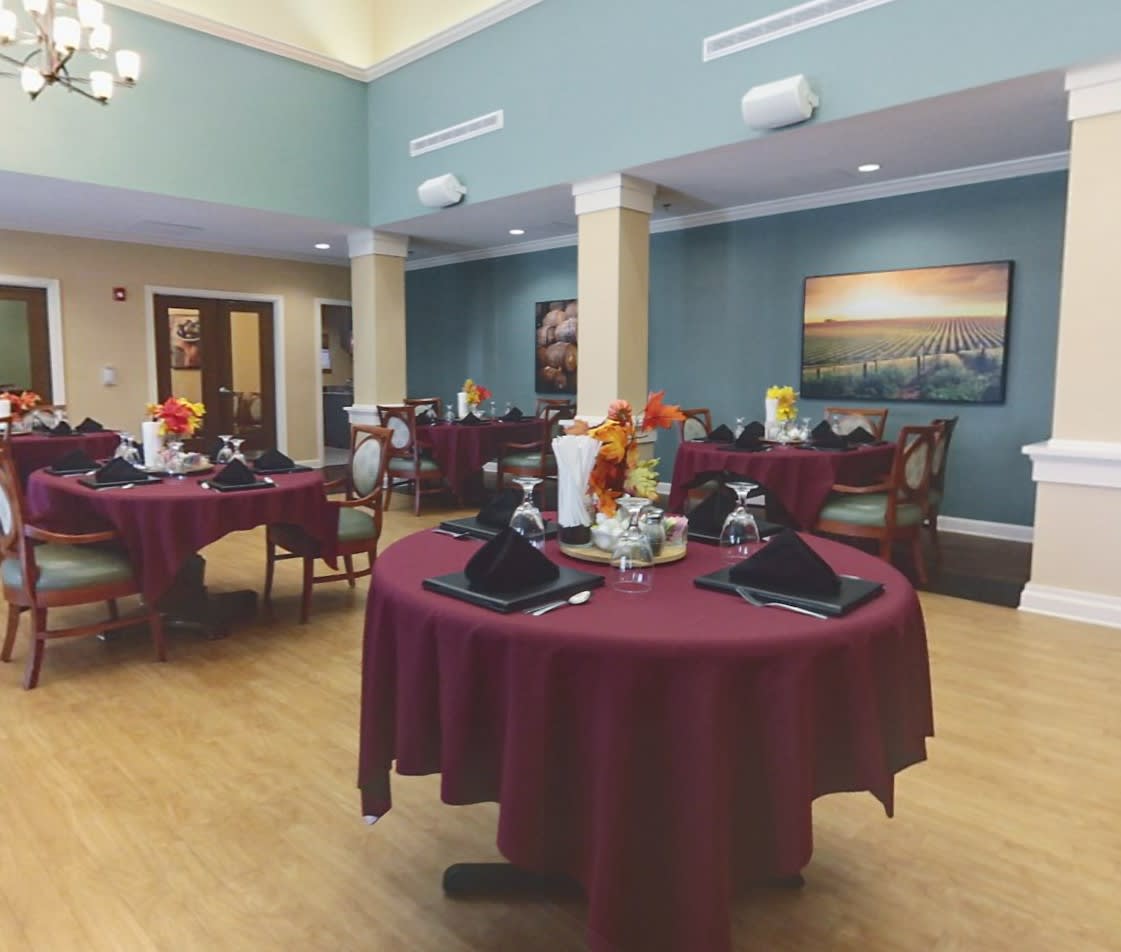
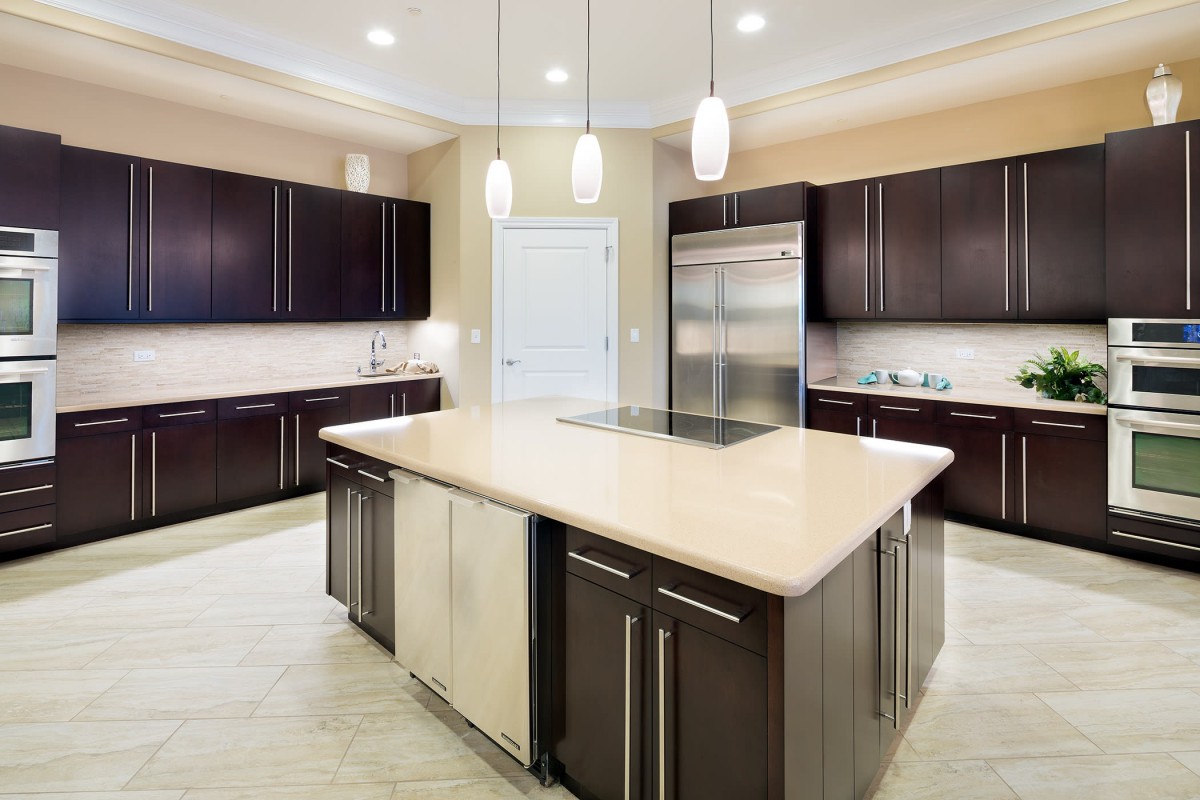
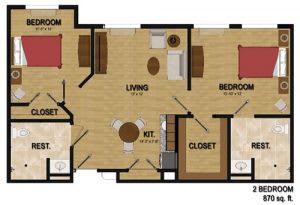
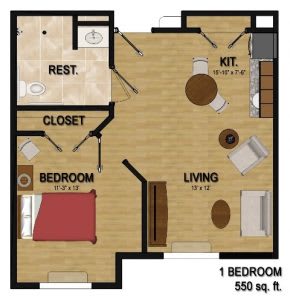
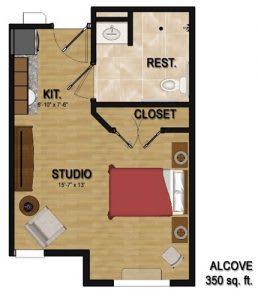
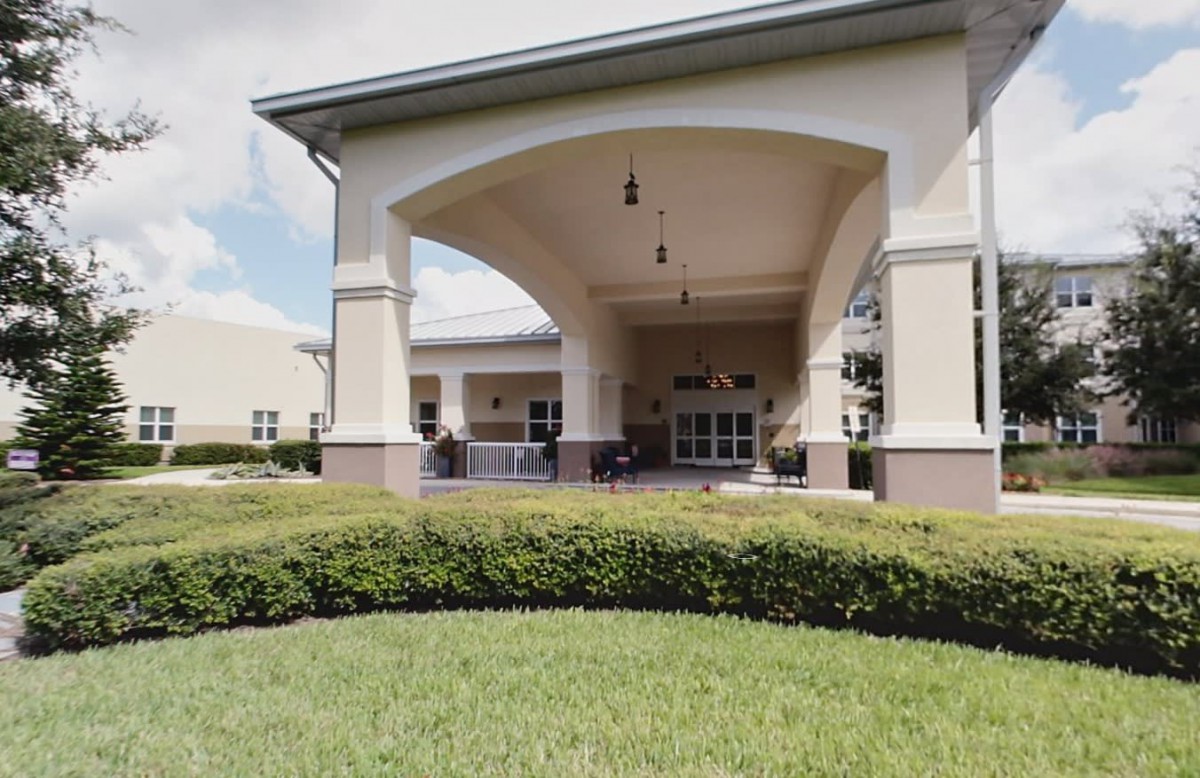
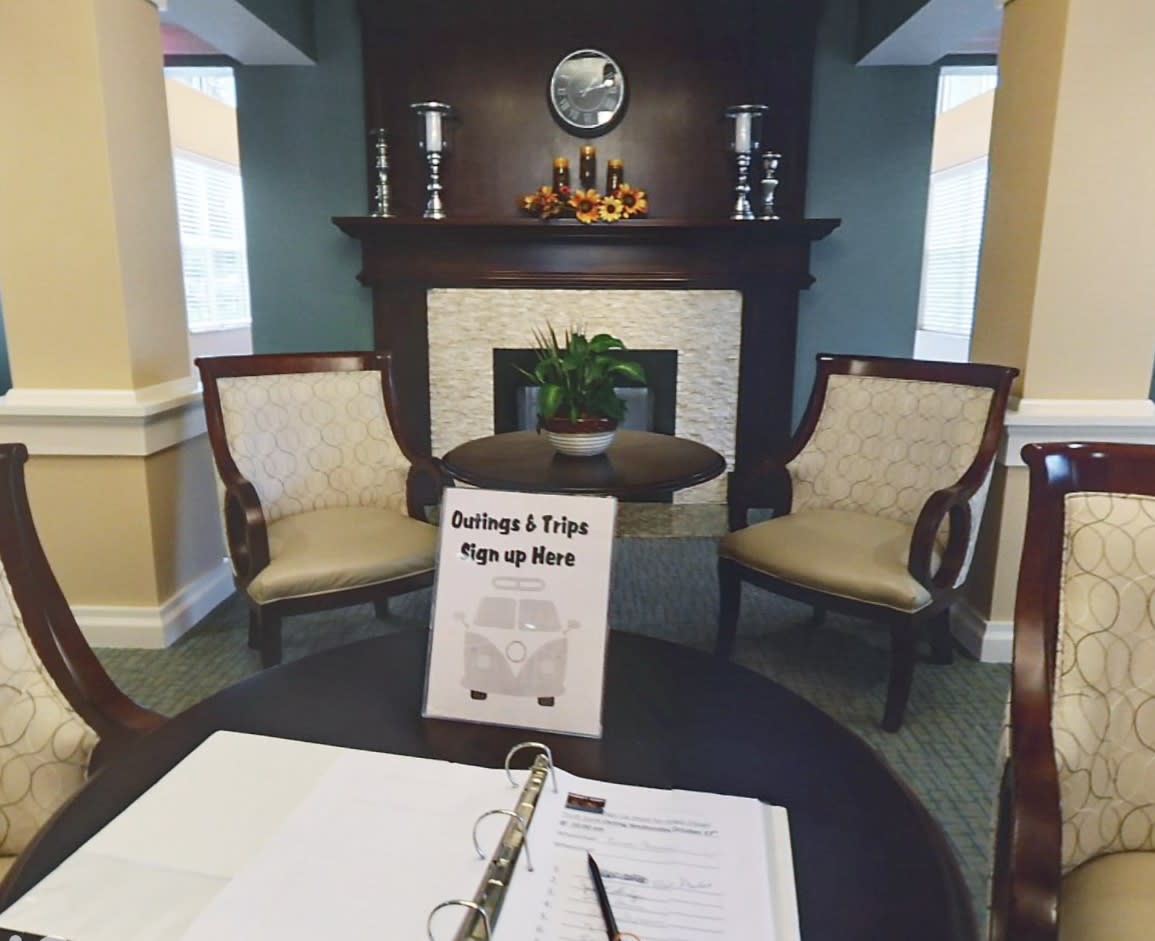
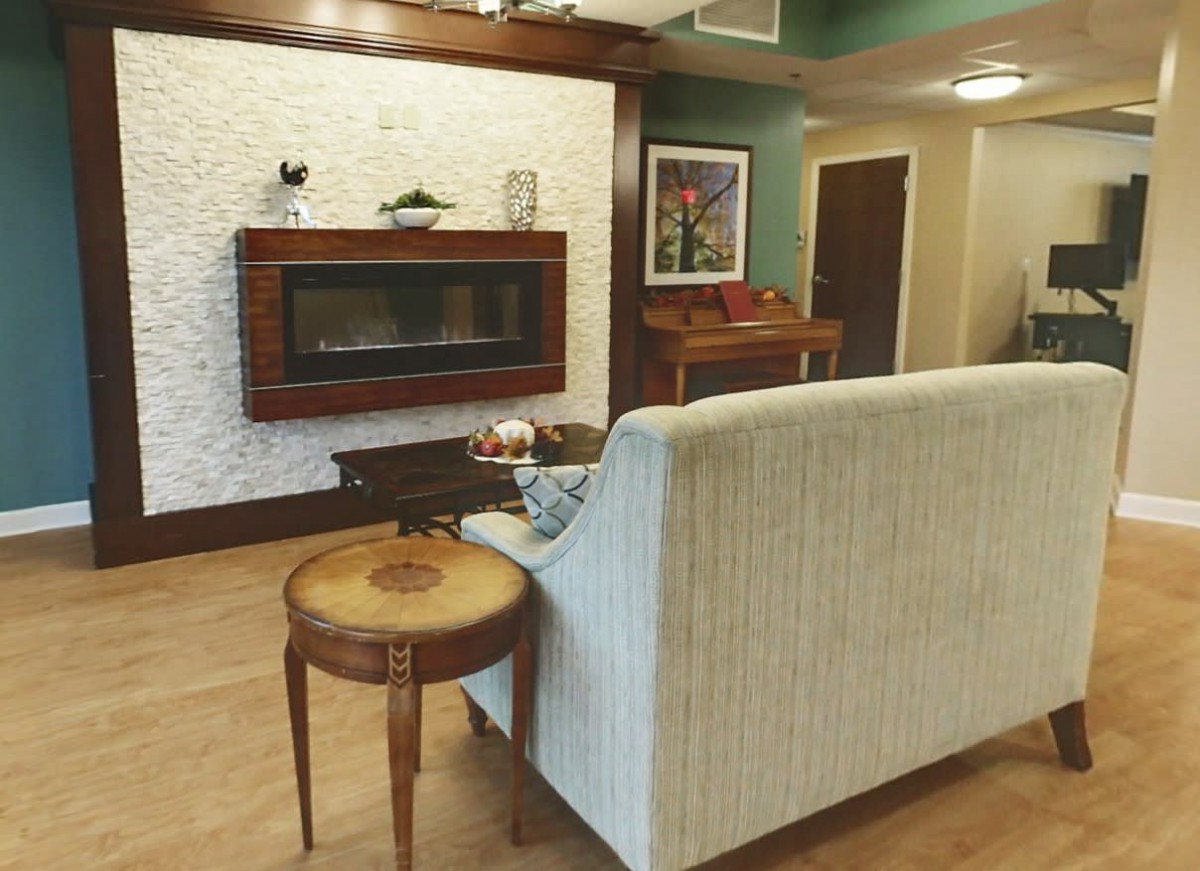
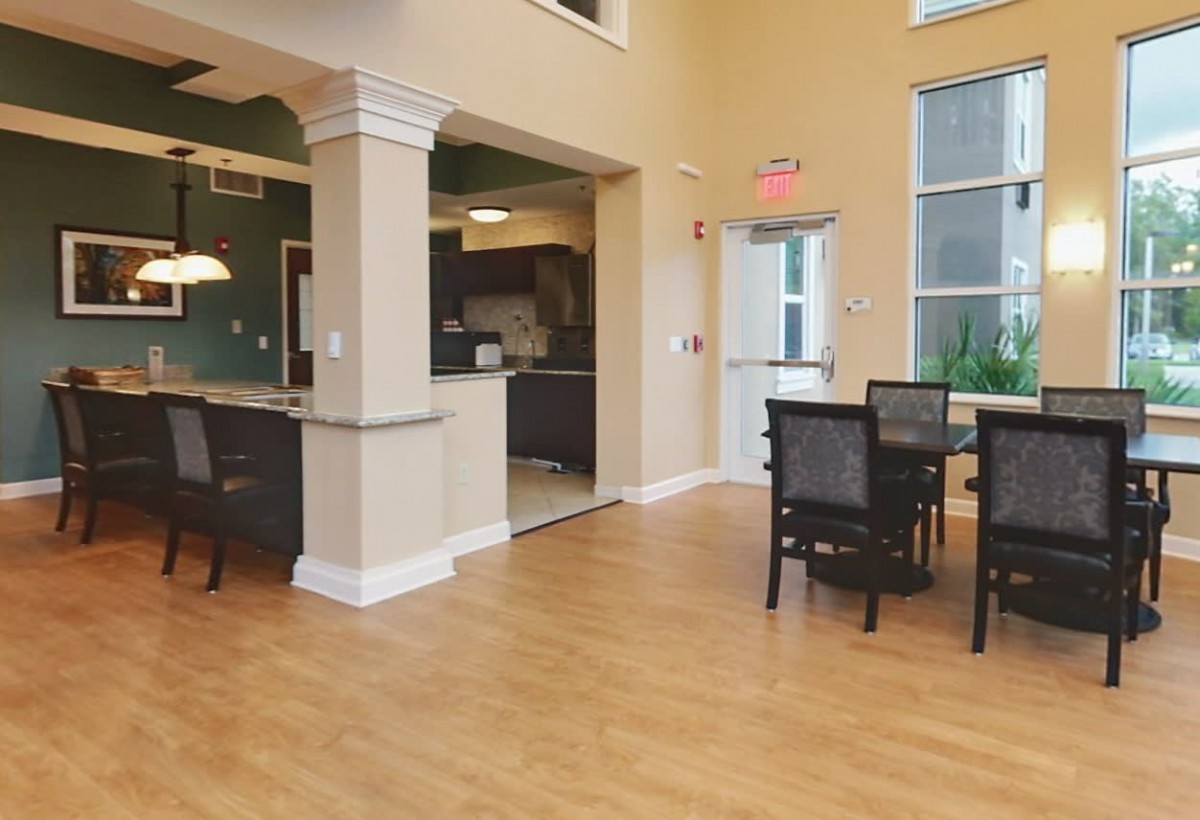
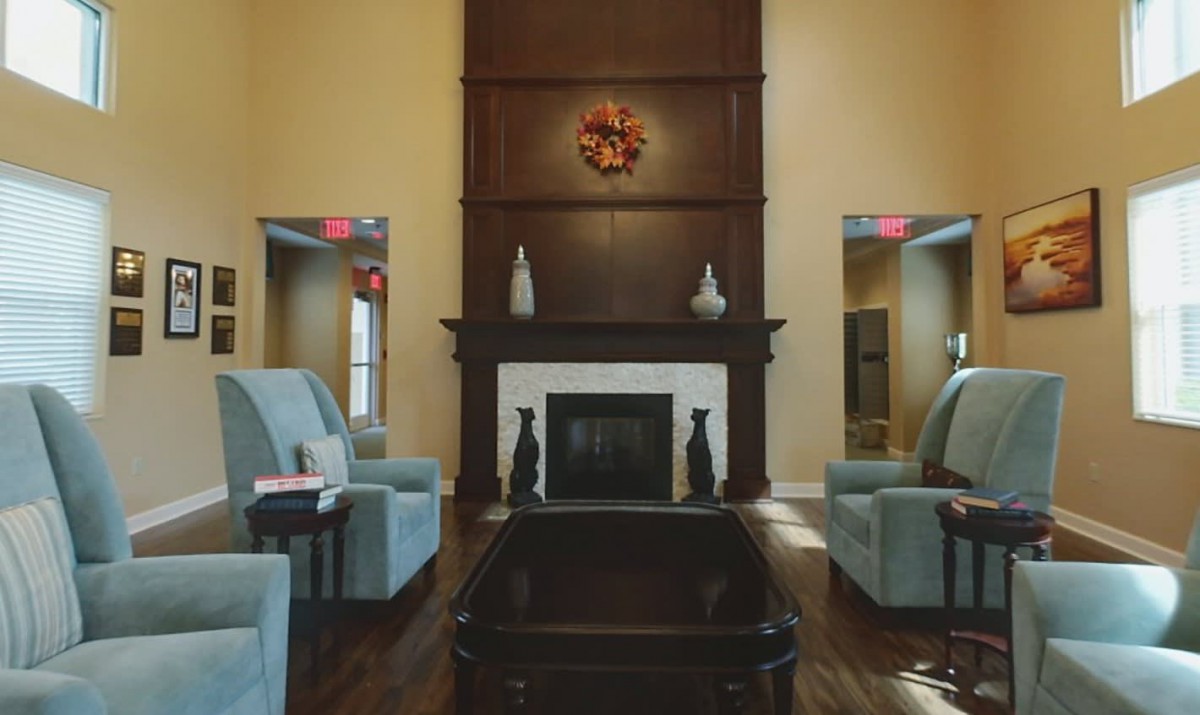
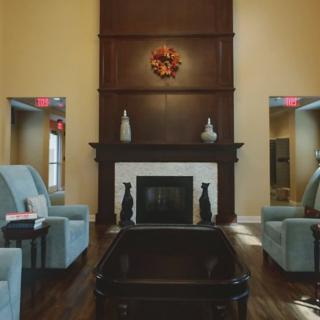
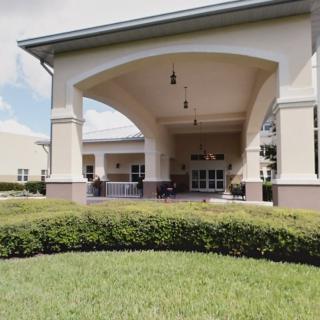
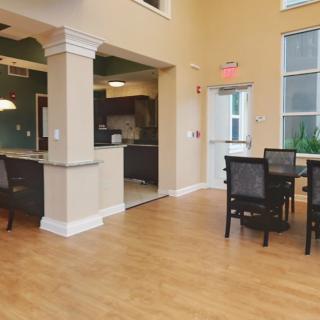
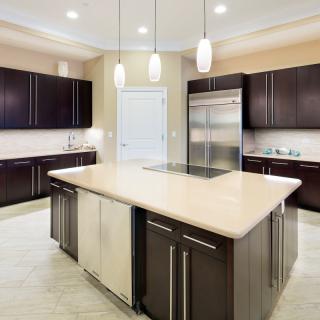
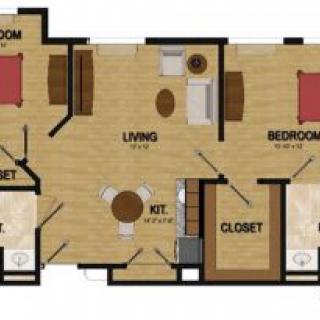
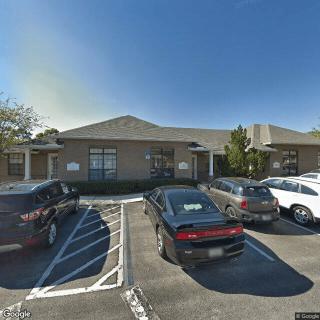
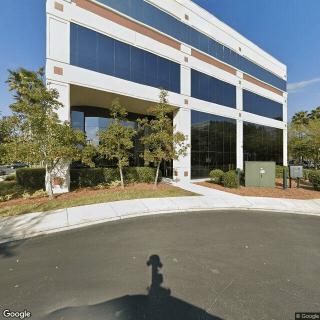
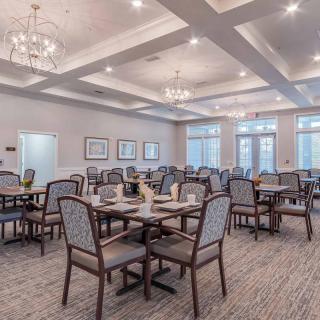
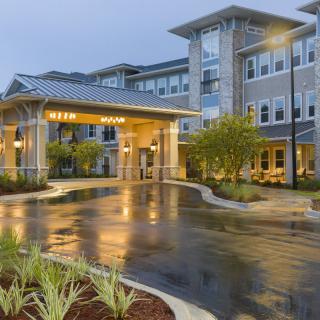
Bartram Crossing on seniors.fyi includes 11 photos including images showing interior, floor plan, decor, dining, living room, fireplace, seating area, kitchen, and more.
Nearby Communities
Bartram Lakes Assisted Living
Jacksonville, FL
3.8 from 32 reviews
All-in-one care campus with memory care, skilled nursing, and 24/7 supervision.
Coves
Jacksonville, FL
4.1 from 36 reviews
Serene environment with on-site activities and diabetic care.
River Garden Hebrew Home For The Aged
Jacksonville, FL
4.3 from 60 reviews
Clean, well-maintained facility with attentive staff and strong rehab/healthcare services.
Sodalis Jacksonville
Jacksonville, FL
4.5 from 114 reviews
$2,600 to $4,100 / month
Friendly, caring staff in a small, homey community offering personalized care and good dining.
Right at Home of Greater Jacksonville and St. Augustine - Jacksonville, FL
Jacksonville, FL
4.9 from 111 reviews
Nearby dining, medical, transportation, worship, and hospital access support convenience and well-being.
Amada Senior Care of Jacksonville, FL
Jacksonville, FL
4.9 from 64 reviews
Convenient, vibrant setting with easy access to nearby healthcare, dining, parks, and places of worship.
Canopy of Duval Station
Jacksonville, FL
4.4 from 59 reviews
$3,850 to $4,350 / month
Attentive staff with personalized care and engaging activities.
HarborChase of Mandarin
Jacksonville, FL
4.4 from 96 reviews
$4,195 to $6,495 / month
Friendly staff, clean and inviting environment with engaging activities and quality dining.
Brookdale Crown Point
Jacksonville, FL
4.5 from 103 reviews
$3,490 to $5,030 / month
Compassionate, attentive staff in a clean, homelike environment with engaging memory-care activities.
The transition from assisted living to skilled nursing care is often prompted by complex medical needs that assisted living cannot meet, with key indicators including frequent health declines, increased falls, severe memory issues, and caregiver burnout. Families should recognize these signs early to discuss options with healthcare providers and prepare for the emotional and logistical aspects of moving to a facility that offers comprehensive medical support.
Dementia is characterized by cognitive decline, with nutrition playing a vital role in brain health; while no specific diet can prevent or reverse it, a nutrient-dense diet rich in antioxidants and healthy fats may support cognitive function. The MIND diet, which emphasizes beneficial foods and limits processed items, along with proper hydration and individualized meal strategies, can enhance the well-being of dementia patients.
Dementia affects memory and cognitive function in older adults, presenting challenges for caregivers due to behavioral changes such as confusion and mood swings. Compassionate, person-centered care that considers individual history and preferences, along with effective communication and environmental modifications, is essential for supporting both patients and their caregivers.
Landscaping, Building, Architecture, Outdoor, and Entrance
Floor Plan
Kitchen, Lighting, and Appliances
Seating Area
Plant
Studio Apartment and Home Design
Get PricingAsk A QuestionSchedule A TourContact Senior Advisor
By clicking submit, you agree to our Partner's Terms of Use. You
also consent to receive calls and texts, which may be autodialed, from our Partner. Your consent is not a condition to
using our Partner's service. Please visit our Partner's Privacy Policy for information about their privacy practices.



 100 resident community capacity
 Assisted Living
 Memory Care
 Skilled Nursing Facility
 Cats allowed
 Dogs allowed
 Activities off-site
 Air-conditioning
 Bath tubs
 Beautician on-site
 Cable or satellite TV
 Computer center
 Devotional services off-site
 Dining room
 Fitness room
 Fully furnished
 Gaming room
 Garden
 Ground floor units
 Handicap accessible
 Housekeeping services
 Indoor common areas
 Kitchenette
 Move-in coordination
 Outdoor common areas
 Private bathrooms
 Respite or short term stays offered
 Restaurant-style dining
 Small library
 Telephone
 Wellness center
 Wheelchair accessible showers
 Wi-Fi/high-speed internet available
 Community operated transportation
 12-16 hour nursing
 24-hour call system
 Ambulatory care
 Assistance with bathing
 Assistance with dressing
 Assistance with transfers
 Diabetes diet
 Diabetic care
 Incontinence care
 Medication management
 Mental wellness program
 Special dietary restrictions
 Art classes
 Catholic services
 Concierge services
 Cooking classes
 Day trips and outings
 Educational speakers / life long learning
 Happy hour
 Karaoke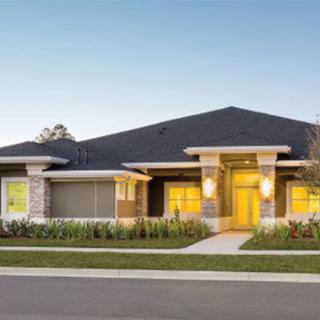
 All-in-one care campus with memory care, skilled nursing, and 24/7 supervision.
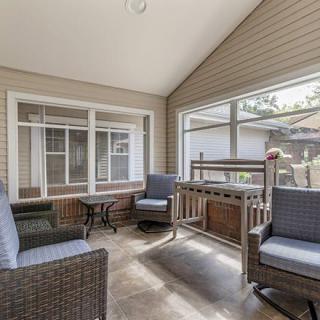
 8 Key Indicators That Suggest It May Be Time to Transition from Assisted Living to Skilled Nursing Care
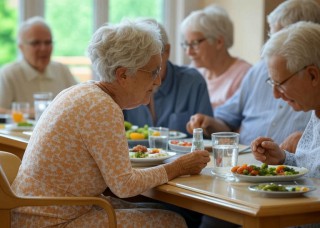 Nourishing the Mind: Essential Dietary Approaches for Dementia
 Understanding Dementia Behaviors: Practical Insights and Strategies for Caregivers