Grand Living at Citrus Hills in Hernando, FL

Save

  • Interior

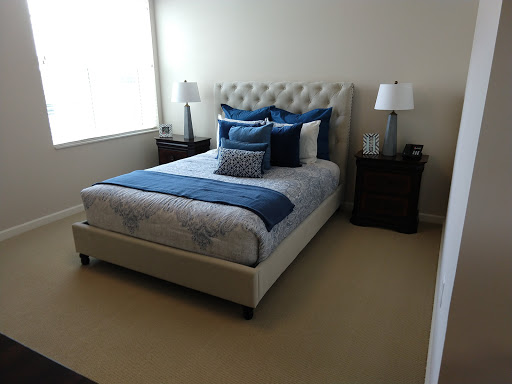
    A stylish modern bedroom featuring a comfortable bed with blue and white bedding, accented by decorative pillows and bedside lamps.
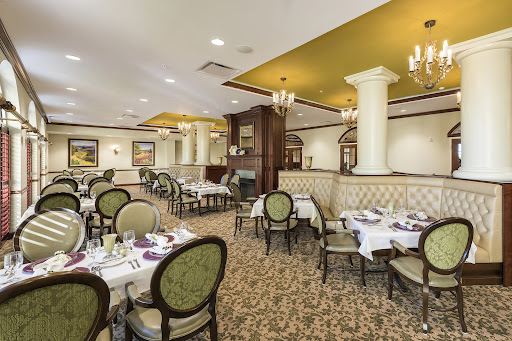
  • Decor

    An elegant dining area showcasing an inviting atmosphere with carefully arranged tables and luxurious furnishings.
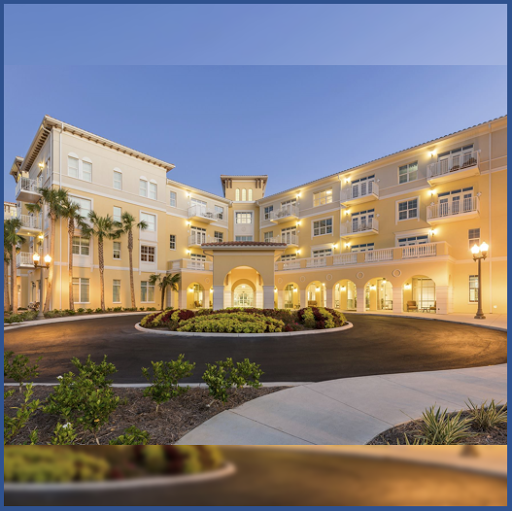
  • Building

    A modern, illuminated residential building at dusk.
  • Architecture

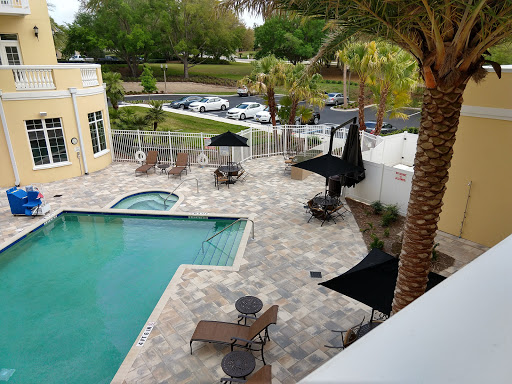
    A sunny day by the poolside of a charming apartment complex adorned with palm trees.
  • Windows

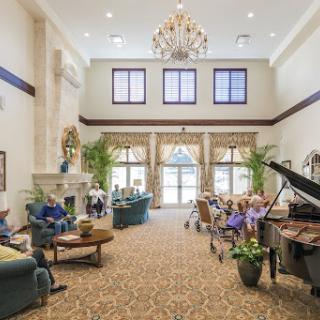
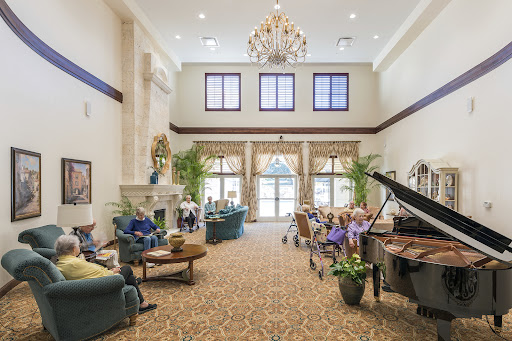
    A spacious and elegantly decorated lobby with a chandelier, comfortable seating, and a piano.
  • Landscaping

    A serene view of a poolside area featuring lounge chairs, palm trees, and a relaxing atmosphere.
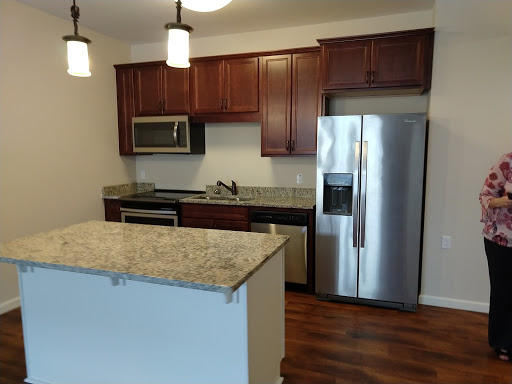
  • Kitchen

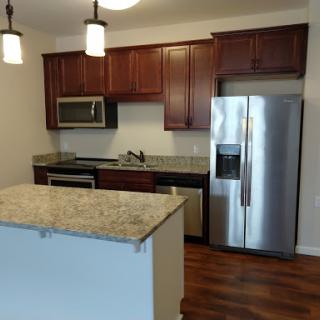
    A modern kitchen featuring granite countertops, wooden cabinets, and stainless steel appliances.
  • Lighting

    A beautifully lit hotel exterior at dusk, surrounded by lush landscaping.
  • Fireplace

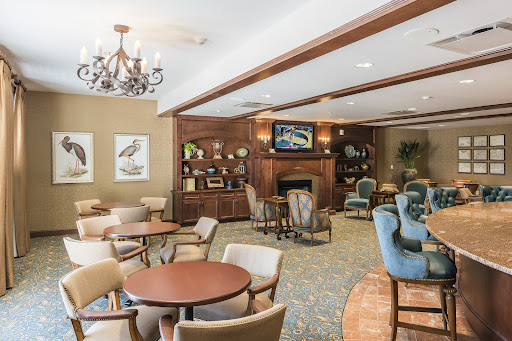
    A cozy lounge area featuring comfortable seating, a fireplace, and elegant decor.
  • Outdoor Seating

    A serene outdoor pool area surrounded by palm trees and comfortable seating, perfect for relaxation.
  • Conference Room

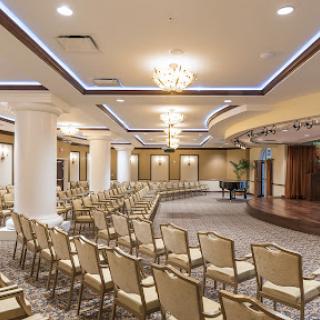
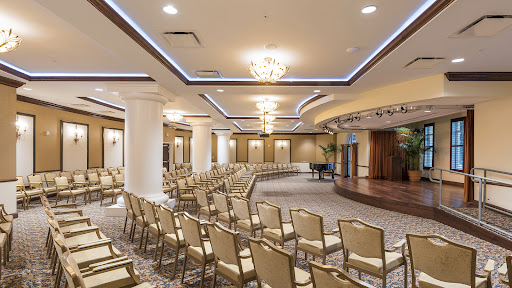
    An elegantly designed conference room set up for an event.

Grand Living at Citrus Hills in Hernando, FL

Information last verified:

850 West Norvell Bryant Highway, Hernando, FL 34442

For more information about senior living options: (844) 490-3973

4.4 from 88 reviews
5 stars
68
4 stars
4
3 stars
4
2 stars
3
1 stars
9

Seniors.FYI Elite Community Awards

Top 5% Senior Living Community in 2018

Add this award to your website

Overall Review of Grand Living at Citrus Hills

Pros

  • pro Residents feel safe, well cared for, and comfortable in the Citrus Hills community.
  • pro The dining program includes three dining rooms and plentiful, high-quality meals.
  • pro The staff are described as friendly, caring, compassionate, and attentive.
  • pro The life enrichment and activities program offers a wide range of options to keep residents engaged.
  • pro The community is impeccably clean and well maintained.
  • pro Leadership and communication are praised as professional and responsive, contributing to a first-class experience.
  • pro Families report exceptional care and that staff go above and beyond to support loved ones.
  • pro The memory care unit is well-run, clean, and staffed by attentive nurses and aides.
  • pro Amenities include a pool, gym, theater, spa, multiple dining venues, and more, creating a resort-like environment.
  • pro Executive Director Terri Mohler is highlighted as a caring, accessible leader who fosters a positive culture.
  • pro The atmosphere is described as warm, welcoming, and like a family.
  • pro Grand Living at Citrus Hills is described as top-of-the-line, with high-quality food, staff, and services.

Cons

  • pro The staff were not forthcoming about charges from day one.
  • pro The reviewer could not trust what the staff told them and felt the staff were not their friends.
  • pro The apartments were builder-grade in materials despite high-end public areas.
  • pro The courtesy bus driver drove recklessly, endangering passengers.
  • pro There was no outdoor space for residents to sit outside.
  • pro The executive director Terri Mohler was described as not a professional and letting personal opinions influence decisions.
  • pro The cost of living there was too high for the reviewer to justify.
  • pro A front desk staff member spoke rudely to a caregiver.

Review

Grand Living at Citrus Hills in Hernando is best suited for seniors who want a resort-style, all-in-one retirement option with strong care being a core promise, not an afterthought. This community shines for active older adults who value high-end amenities, robust life enrichment programming, multiple dining venues, and a clear path to memory care if needed. It’s especially well-matched for families seeking assurance that a skilled nursing and memory-care team can respond quickly, coordinate care, and maintain a warm, homelike atmosphere. If independence with minimal supervision is the goal, or if a smaller, more intimate setting is preferred, alternatives outside this scale and price point deserve careful consideration.

This is a place where several families would tell you alternatives are worth a hard look. First, the price tag can be a significant barrier, with some experiences suggesting the monthly commitment approaches six figures when all services are included. For those prioritizing budget predictability or a more gradual ramp into care, options that tier services more conservatively, smaller communities, or facilities with lower entry costs, may deliver better alignment. Additionally, residents who crave a distinct separation between independent living and assisted living floors may find the campus layout too sprawling or the mix of levels too integrated for comfort. In short, if cost sensitivity, a quieter footprint, or crisper separation of care levels matters, alternatives deserve serious comparison.

The strongest positives hinge on people, programming, and polish. Staffing is widely praised, nurses, activity directors, dining teams, and maintenance crews are described as consistently attentive, personable, and available. The food program stands out, with multiple dining rooms, a notable chef, and menus that residents and families frequently call out as excellent. The physical footprint reinforces value: a substantial gym, pool with features, a full theater, a bar/sl social area, and a diverse slate of daily activities that includes fitness, memory games, arts, and outings. Cleanliness and safety emerge as recurring strengths, undergirding peace of mind for families. In this mix, the key pro, comprehensive, high-touch care across the continuum, generally outweighs the tangible drawbacks for residents who crave an engaged, structured environment.

Yet the downsides cannot be ignored, and they carry enough weight to influence a move decision for some families. A number of reviewers flag the cost as the most consequential factor, noting that the value comes with a high price tag and sometimes opaque or surprising charges during the in-processing or move-in phase. Concerns about staffing gaps or turnover inform occasional service hiccups, and there are credible reports of less-than-stellar interactions at the point of entry or in day-to-day administrative conversations. The campus feel, while luxurious, can feel isolating for those who still value outdoor time or easier access to the surrounding community, and some residents express a sense that the long hallways and resort-scale environment may overwhelm those who are less mobile. These cons matter most when tight budgets or a preference for a smaller, more intimate setting are priorities.

On the care side, memory support is one area where Grand Living consistently earns high marks. The Monarch wing and memory-care program are repeatedly described as attentive, with staff who treat residents with respect and dignity, a strong emphasis on activity engagement, and a thoughtful approach to daily routines and care plans. Nursing leadership, directors who advocate for individualized care and quick plan adjustments, emerges as a standout, offering families a sense of confidence that a loved one’s care will adapt as needs change. For families comparing options for someone with memory impairment, this combination of specialized programming, hands-on supervision, and responsive leadership makes Grand Living a compelling choice that can extend independence and comfort.

The decision to move forward with Grand Living at Citrus Hills should hinge on practical alignment with priority needs: does the resident want a lively, activity-rich, social environment with multiple dining options and on-campus health support? Is the budget able to absorb the premium for a comprehensive package that promises aging in place with a high level of professional oversight? If the answer to either question is uncertain, or if there is a strong desire for more outdoor space, a tighter, more home-like setting, or a lower-cost path, it is prudent to explore other Citrus County or nearby communities before committing. Tours, transparent pricing discussions, and a close look at the memory-care unit will reveal whether the grand vision translates into daily reality.

In sum, Grand Living at Citrus Hills represents a high-caliber, full-spectrum option for seniors who want safety, ease, and social vibrancy wrapped in luxury. For families prioritizing exceptional caregiving assistance, memorable dining, and a thriving life-enrichment calendar, and who are prepared to invest accordingly, the decision is clear: this community delivers on its promises with visible warmth, professional leadership, and a compelling array of amenities. For those who must balance price, outdoor access, or a more intimate, low-key environment, entering a candid cost-and-care discussion and comparing at least one or two smaller or more budget-conscious communities will guard against buyer’s remorse. A deliberate, in-person tour remains the decisive next step to translate the stories into a practical, daily lived experience.

Features

Housing

  • 200 resident community capacity 200 resident community capacity

Types of Care

  • Assisted Living Assisted LivingAssisted living facilities provide crucial support and care for seniors who may need help with daily tasks such as medication management, bathing, and meal preparation. These communities offer a safe and comfortable environment where seniors can maintain their independence while receiving the assistance they need to thrive in their golden years.
  • Independent Living Independent LivingIndependent living communities are important for seniors because they offer a safe and supportive environment where older adults can live independently while still having access to amenities and services that enhance their quality of life. These communities provide social opportunities, recreational activities, and assistance with daily tasks, promoting overall well-being and allowing seniors to maintain their independence for as long as possible.
  • Memory Care Memory CareMemory care is crucial for seniors as it provides specialized support and services for individuals with dementia or Alzheimer's disease. These programs offer a safe and secure environment where residents receive personalized care, cognitive stimulation, and help with daily activities. Memory care helps seniors maintain their independence, quality of life, and dignity while also providing peace of mind for their families.

Pets

  • Cats allowed Cats allowed"Pet friendly" senior living communities are important for seniors because pets provide companionship, reduce feelings of loneliness and depression, promote physical activity and mental stimulation, and offer a sense of purpose and responsibility. Pets can improve overall well-being and quality of life for seniors in many ways.
  • Dogs allowed Dogs allowed"Pet friendly" senior living communities are important for seniors because pets provide companionship, reduce feelings of loneliness and depression, promote physical activity and mental stimulation, and offer a sense of purpose and responsibility. Pets can improve overall well-being and quality of life for seniors in many ways.

Amenities

  • Activities on-site Activities on-siteActivities on-site are important for seniors because they provide opportunities for socialization, mental stimulation, physical activity, and overall well-being. Engaging in activities can help seniors stay active, maintain their independence, and improve their quality of life.
  • Air-conditioning Air-conditioningAir conditioning is important for seniors as they are more vulnerable to heat-related illnesses and may have underlying health conditions that make it difficult for them to regulate their body temperature. It helps to keep them comfortable, safe, and healthy in hot weather.
  • Beauty salon Beauty salonBeauty salons are important for seniors because they provide a space for them to feel pampered, socialize, and maintain their personal grooming and hygiene. Regular visits to a beauty salon can help boost seniors' self-esteem and overall well-being.
  • Cable or satellite TV Cable or satellite TVCable or satellite TV is important for seniors because it provides entertainment, news, and companionship, helping to combat loneliness and boredom. It also offers a wide range of programming options tailored to different interests and preferences.
  • Computer center Computer centerA computer center is essential for seniors as it provides access to technology, communication tools, and resources that can enhance their daily lives. It allows them to stay connected with loved ones, engage in online activities, and learn new skills, ultimately promoting socialization and mental stimulation.
  • Devotional services off-site Devotional services off-siteDevotional services off-site are important for seniors as they provide spiritual nourishment, social engagement, and a sense of community outside of the senior living facility. This can enhance overall well-being and help combat feelings of isolation and loneliness often experienced by older adults.
  • Dining room Dining roomDining rooms are important for seniors as they provide a space for socialization, connection, and nutritious meals. They offer opportunities for residents to bond over shared meals, foster a sense of community, and promote healthy eating habits. Dining rooms also ensure that seniors have access to well-balanced meals tailored to their dietary needs and preferences.
  • Fitness room Fitness roomHaving a fitness room in a senior living community is essential for seniors to stay active, maintain their physical health, and improve their overall well-being. Regular exercise can help prevent falls, reduce the risk of chronic diseases, and promote mental sharpness. It also provides social opportunities for residents to connect with others and enjoy a sense of community.
  • Fully furnished Fully furnishedFully furnished senior living communities are important for seniors because they provide convenience, comfort, and a hassle-free moving experience. Seniors can easily settle into their new living space without the stress of having to buy and move furniture. This allows them to focus on enjoying their new home and community.
  • Gaming room Gaming roomGaming rooms are important for seniors as they provide a fun and engaging environment for socializing, cognitive stimulation, and physical activity. Games can improve memory, problem-solving skills, and overall mental well-being while fostering friendships and reducing feelings of isolation.
  • Garden GardenGardens are important for seniors as they provide a peaceful and therapeutic environment for relaxation, physical activity, and socialization. Being in nature has been shown to reduce stress, improve mood, and promote overall well-being. Gardens also offer opportunities for seniors to engage in gardening activities, which can improve mobility, flexibility, and cognitive function. Additionally, gardens create a sense of community and connection with others who share a passion for plants and outdoor spaces.
  • Housekeeping services Housekeeping servicesHousekeeping services are important for seniors because they help maintain a clean and safe living environment, promote independence, and reduce the risk of accidents or illnesses. Additionally, having assistance with household chores can alleviate physical strain and allow seniors to focus on other aspects of their well-being.
  • Indoor common areas Indoor common areasIndoor common areas are crucial for seniors as they provide a space for socialization, recreation, and community engagement, promoting overall well-being and reducing feelings of isolation and loneliness.
  • Kitchenette KitchenetteKitchenettes are important for seniors living in senior living communities because they provide the convenience and independence of being able to prepare simple meals and snacks in the comfort of their own living space. This can help promote a sense of autonomy and well-being for seniors, allowing them to maintain some level of control over their dietary choices and daily routines.
  • Move-in coordination Move-in coordinationMove-in coordination is important for seniors because it helps ease the transition into their new living environment. It ensures that all logistics, such as packing, organizing movers, and setting up utilities are taken care of, allowing seniors to focus on settling in and adjusting to their new home. Having a smooth move-in process can alleviate stress and anxiety, making the transition smoother and more enjoyable for seniors.
  • Outdoor space Outdoor spaceOutdoor spaces are important for seniors as they provide opportunities for physical activity, social interaction, exposure to natural light and fresh air, and a sense of connection to nature. Having access to outdoor spaces can improve overall well-being and quality of life for older adults living in senior communities.
  • Private bathrooms Private bathroomsPrivate bathrooms are important for seniors in senior living communities because they provide independence, dignity, and comfort. Having a private bathroom allows seniors to maintain their personal hygiene routines without the need for assistance, promoting a sense of autonomy and privacy. Additionally, private bathrooms help prevent the spread of infections and provide a safe and clean environment for seniors to navigate safely.
  • Restaurant-style dining Restaurant-style diningRestaurant-style dining is important for seniors because it allows them to enjoy delicious, nutritious meals in a social and upscale setting. This enhances their dining experience, promotes healthy eating habits, and fosters socialization with fellow residents, ultimately contributing to their overall well-being and quality of life.
  • Small library Small librarySmall libraries are important for seniors as they provide access to a variety of reading materials, including books, newspapers, and magazines. This can help stimulate their minds, keep them engaged, and provide a sense of community through book clubs and other social activities. Additionally, reading has been shown to improve cognitive function and overall mental well-being in older adults.
  • Telephone TelephoneTelephones are important for seniors as they provide a lifeline for communication with loved ones, emergency services, and healthcare providers. They offer a sense of security and independence, enabling seniors to stay connected and access assistance when needed.
  • Wellness center Wellness centerWellness centers are important for seniors because they offer a variety of programs and services that promote physical, mental, and emotional well-being. These centers provide opportunities for exercise, socialization, education, and relaxation, helping seniors maintain their overall health and quality of life.
  • Wi-Fi/high-speed internet available Wi-Fi/high-speed internet availableWi-Fi/high-speed internet is important for seniors to stay connected with loved ones, access online resources, and participate in virtual activities to combat feelings of loneliness and isolation. It also allows them to easily manage healthcare needs, access entertainment, and engage in lifelong learning opportunities.

Transportation

  • Community operated transportation Community operated transportationCommunity operated transportation is crucial for seniors as it provides them with the means to access essential services, social activities, and medical appointments. It allows seniors to maintain their independence and quality of life by ensuring they can participate in activities outside of their homes. Additionally, community-operated transportation services offer a safe and reliable way for seniors to travel without having to rely on family or friends for assistance.
  • Transportation arrangement Transportation arrangementTransportation arrangements are crucial for seniors as they may face challenges with driving, mobility, or access to public transportation. Having reliable transportation services ensures that seniors can easily attend appointments, social activities, and maintain their independence and quality of life.
  • Transportation arrangement (non-medical) Transportation arrangement (non-medical)Transportation arrangements are essential for seniors as they provide access to essential services, activities, and social interactions outside the home. This service helps maintain independence, mobility, and overall well-being for seniors who may have limited transportation options.
  • Transportation to doctors appointments Transportation to doctors appointmentsTransportation to doctors appointments is crucial for seniors as it ensures they have access to necessary medical care and support, promoting their health and well-being. It allows them to receive timely treatment, monitor existing conditions, and address any new health concerns efficiently. Additionally, transportation services can help seniors maintain their independence and quality of life by enabling them to stay connected with their healthcare providers.

Care Services

  • 12-16 hour nursing 12-16 hour nursing12-16 hour nursing care is crucial for seniors in order to ensure around-the-clock monitoring, timely medication administration, and prompt response to any health concerns or emergencies. This level of care helps to promote the overall well-being and safety of seniors living in senior living communities.
  • 24-hour call system 24-hour call system24-hour call systems are important for seniors because they provide peace of mind and immediate assistance in case of emergencies. This technology ensures that help is always available, promoting safety and security for elderly individuals living alone or in assisted living facilities.
  • 24-hour supervision 24-hour supervision24-hour supervision is important for seniors to ensure their safety, well-being, and access to immediate assistance in case of emergencies or health issues. This constant support provides peace of mind for both seniors and their loved ones, allowing them to age in place with dignity and security.
  • Activities of daily living assistance Activities of daily living assistanceActivities of daily living assistance are important for seniors because they provide essential support with tasks such as eating, bathing, dressing, and mobility. This assistance helps seniors maintain their independence, dignity, and overall quality of life as they age.
  • Ambulatory care Ambulatory care"Ambulatory care services provide essential medical support and treatment to seniors without requiring hospitalization, allowing them to maintain their independence and quality of life while managing chronic conditions or receiving routine medical care."
  • Assistance with bathing Assistance with bathingAssistance with bathing is crucial for seniors as it helps maintain personal hygiene, prevents infections, and ensures their overall well-being and comfort. It also provides a sense of dignity and independence for seniors who may struggle with this task on their own.
  • Assistance with dressing Assistance with dressingAssistance with dressing is important for seniors because it helps maintain their independence, promotes personal hygiene, prevents accidents and injuries, and improves overall quality of life. This service ensures that seniors can continue to dress comfortably and confidently, despite any physical limitations they may have.
  • Assistance with transfers Assistance with transfersAssistance with transfers is crucial for seniors as it helps prevent falls and injuries, maintains their independence, and ensures they can safely navigate their living environment. It also provides peace of mind for both seniors and their loved ones.
  • Diabetes diet Diabetes dietA diabetes diet is crucial for seniors as it helps manage blood sugar levels, reduce risks of complications, and improve overall health and well-being. By following a balanced and nutritious diet tailored to their specific needs, seniors can better control their diabetes and enhance their quality of life.
  • Diabetic care Diabetic careDiabetic care is crucial for seniors as they are more susceptible to developing diabetes due to aging and other health conditions. Proper management of diabetes can help prevent complications such as heart disease, vision loss, and nerve damage, improving the overall quality of life for seniors in senior living communities.
  • Meal preparation and service Meal preparation and serviceMeal preparation and service are crucial for seniors as they may have limited mobility or energy to cook nutritious meals. Having access to healthy and convenient food options can ensure they are getting the proper nutrition needed to maintain their overall health and well-being.
  • Medication management Medication managementMedication management is crucial for seniors to ensure they are taking the right medications at the correct dosages and times. This helps prevent adverse drug interactions, reduces the risk of medication errors, and promotes overall health and well-being. Proactive management also allows for adjustments as needed based on changing health conditions or new prescriptions.
  • Mental wellness program Mental wellness programMental wellness programs are essential for seniors as they promote cognitive stimulation, emotional support, and social engagement. These programs help prevent isolation, depression, and cognitive decline, ultimately enhancing the overall quality of life for older adults.
  • Mild cognitive impairment Mild cognitive impairment"Mild cognitive impairment" is important for seniors because it is an early stage of cognitive decline that can potentially progress to more severe conditions such as dementia. Recognizing and addressing mild cognitive impairment can help seniors receive appropriate care and support to maintain their quality of life and independence for as long as possible.
  • Special dietary restrictions Special dietary restrictionsSpecial dietary restrictions are important for seniors because age-related changes in metabolism and health conditions can make it difficult for their bodies to process certain foods. By following a diet tailored to their specific needs, seniors can maintain their overall health and well-being, manage chronic conditions, and reduce the risk of complications such as malnutrition or food interactions with medications.
  • Specialized memory care programming Specialized memory care programmingSpecialized memory care programming is crucial for seniors with cognitive impairments such as dementia or Alzheimer's disease. These programs provide a safe and supportive environment tailored to the unique needs of individuals with memory loss, helping them maintain their independence, dignity, and quality of life.

Dining

  • Diabetes diet Diabetes dietA diabetes diet is crucial for seniors as it helps manage blood sugar levels, reduce risks of complications, and improve overall health and well-being. By following a balanced and nutritious diet tailored to their specific needs, seniors can better control their diabetes and enhance their quality of life.
  • Meals provided Meals provided"Meals provided" are crucial for seniors in assisted living communities as it ensures they have access to nutritious, balanced meals without the stress of meal planning and preparation. This can help promote overall health and well-being for seniors who may have limited mobility or cognitive abilities.
  • Special dietary restrictions Special dietary restrictionsSpecial dietary restrictions are important for seniors because age-related changes in metabolism and health conditions can make it difficult for their bodies to process certain foods. By following a diet tailored to their specific needs, seniors can maintain their overall health and well-being, manage chronic conditions, and reduce the risk of complications such as malnutrition or food interactions with medications.

Activities

  • Activities on-site Activities on-siteActivities on-site are important for seniors because they provide opportunities for socialization, mental stimulation, physical activity, and overall well-being. Engaging in activities can help seniors stay active, maintain their independence, and improve their quality of life.
  • Community-sponsored activities Community-sponsored activitiesCommunity-sponsored activities are important for seniors as they provide opportunities for social interaction, mental stimulation, and physical activity. These activities can help improve overall well-being, combat loneliness and isolation, and promote a sense of belonging and purpose among older adults.
  • Concierge services Concierge servicesConcierge services are essential for seniors as they provide assistance with daily tasks and errands, enhance their quality of life by offering convenience and personalized care, and promote a sense of safety and security.
  • Devotional activities offsite Devotional activities offsiteDevotional activities offsite are important for seniors because they provide social engagement, spiritual growth, and a sense of community outside of their living environment. This can improve overall well-being, mental health, and combat feelings of isolation or loneliness.
  • Fitness programs Fitness programsFitness programs are crucial for seniors as they help improve strength, flexibility, balance, and overall well-being. Staying active can reduce the risk of chronic diseases, improve mental health, and enhance quality of life in older adults.
  • Planned day trips Planned day tripsPlanned day trips are important for seniors because they offer opportunities for socialization, mental stimulation, and physical activity. They provide a change of scenery and help seniors stay engaged and connected to their community, promoting overall well-being and quality of life.
  • Resident-run activities Resident-run activitiesResident-run activities are important for seniors as they encourage social interaction, creativity, and a sense of autonomy. These activities empower seniors to stay engaged and active in their community while fostering meaningful connections with their peers.
  • Scheduled daily activities Scheduled daily activitiesScheduled daily activities are important for seniors because they provide structure, socialization, mental stimulation, and physical activity. Engaging in regular activities can improve overall well-being and quality of life for seniors living in a community setting.

Description

Grand Living at Citrus Hills in Hernando, FL is a premier assisted living community offering a range of care services and amenities to enhance the lives of its residents. With a focus on both independent living and memory care, Grand Living provides tailored support to meet the unique needs of each individual.

The community features spacious and comfortable accommodations with air-conditioning and private bathrooms. Residents can enjoy the convenience of fully furnished units, along with housekeeping services to ensure a clean and organized living environment. The dining experience at Grand Living is exceptional, offering restaurant-style dining with meals provided throughout the day. Special dietary restrictions are accommodated to ensure that every resident receives proper nutrition.

There are numerous amenities available for residents to enjoy their time at Grand Living. From the beauty salon to maintain personal grooming, to the gaming room for entertainment, there are plenty of options for relaxation and recreation. The fitness room and wellness center promote physical well-being, while the small library and computer center provide opportunities for intellectual engagement. Wi-Fi/high-speed internet ensures connectivity for staying in touch with loved ones or exploring online.

To further enhance resident life, Grand Living offers various activities and programs designed to foster a sense of community and social interaction. Community-sponsored activities and scheduled daily activities keep residents engaged, while planned day trips provide opportunities for exploration outside of the community. Devotional services off-site cater to spiritual well-being, along with concierge services that offer assistance with various needs.

Additionally, Grand Living provides comprehensive care services to ensure the health and safety of residents. With 24-hour supervision and a 24-hour call system in place, help is readily available when needed. Assistance with daily living activities such as bathing, dressing, transfers, and meal preparation is provided by trained staff members who prioritize resident comfort. Medication management ensures that medications are taken correctly, while specialized memory care programming supports individuals with cognitive impairments.

Located in Hernando, FL, Grand Living is surrounded by convenient amenities and services. With cafes, parks, pharmacies, physicians, restaurants, places of worship, and hospitals nearby, residents have easy access to everything they may need in their daily lives.

Overall, Grand Living at Citrus Hills offers a warm and welcoming environment where residents can thrive physically, emotionally, and socially. With a comprehensive range of care services and amenities, this assisted living community is dedicated to providing the highest quality of life for every individual.

Nearby Places of Interest

This part of Hernando, Florida offers convenient access to essential services such as pharmacies, restaurants, cafes, physicians, parks, places of worship, and hospitals. With multiple pharmacies within a short distance, residents can easily access their medication needs. There are also various dining options nearby ranging from fast food to more upscale restaurants. In terms of healthcare, there are several physician offices in the area along with a surgery center and wound care center for specialized medical needs. The presence of parks provides opportunities for outdoor recreation and relaxation. Additionally, there are a variety of places of worship for spiritual fulfillment. Overall, this area offers a well-rounded community with necessary amenities for senior living.

Pharmacies

  • Walgreens (0.1 miles)
  • CVS Pharmacy (0.2 miles)
  • Drug Dealer's (1.3 miles)
  • Winn-Dixie (1.7 miles)
  • CVS Pharmacy (1.8 miles)
  • Health Mart Pharmacy (1.9 miles)
  • Walgreens (2 miles)

Restaurants

  • Burger King (0.2 miles)
  • Skyview Clubhouse (0.3 miles)
  • World Fusion (1.4 miles)
  • New China Chinese Restaurant (1.8 miles)
  • Bangkok Thai (1.8 miles)
  • Wendy's (2.1 miles)
  • McDonald's (2.3 miles)

Cafes

  • Cattle Dog Coffee Roasters (0.4 miles)
  • New England Pastry & Cafe (1.9 miles)
  • Panera Bread (7.7 miles)

Physicians

  • Citrus Hills Medical Center (0.9 miles)
  • PedIM Healthcare (1.4 miles)
  • Tri-County Hearing Aid (1.7 miles)
  • Citrusdiabetes Treatment Center (1.7 miles)
  • Bhadresh K Patel (1.8 miles)
  • Cypress Healing Art Center (1.8 miles)
  • 21st Century Oncology (1.8 miles)

Parks

  • Rockwood Park (0.9 miles)
  • Whispering Pines Park (7.1 miles)

Places of Worship

  • Iglesia Pan De Vida (1.6 miles)
  • Calvary Church (3.7 miles)
  • Hernazsm Prayer/News (4.8 miles)
  • Tree of Life Lutheran Church (5 miles)
  • First Church of God (5.8 miles)
  • Citrus Vineyard Community Church (6.9 miles)
  • North Oak Baptist Church (7.3 miles)

Hospitals

  • Pet Services of Florida (1.9 miles)
  • Lecanto Surgery Center (3.9 miles)
  • Conservancy Of Southwest FL (7.4 miles)
  • Bayfront Health Seven Rivers - Wound Care Center (8 miles)
  • Laboratory Corporation of America (8.2 miles)

Frequently Asked Questions

Where is Grand Living at Citrus Hills?
Does Grand Living at Citrus Hills provide care for residents with dementia or Alzheimer's disease?
Does Grand Living at Citrus Hills allow residents to have pets?
What photos are available for Grand Living at Citrus Hills in Hernando, Florida?

Nearby Communities

  • The Villages of Citrus Hills

    The Villages of Citrus Hills

    Hernando, FL

    4.1 from 105 reviews
     

    pro Comprehensive care services (meal preparation, medication management) with strong access to nearby pharmacies, physicians, hospitals, and other amenities.


  • Heritage

    Heritage

    Hernando, FL


    pro Comprehensive amenities (Wi-Fi, meals, medication management) with nearby healthcare, dining, and worship options.

  • Grove Health & Rehabilitation Center

    Grove Health & Rehabilitation Center

    Hernando, FL

    4.4 from 120 reviews
     

    pro Friendly, dedicated staff in a clean, well-maintained facility with engaging activities.

  • Brentwood Retirement Community

    Brentwood Retirement Community

    Lecanto, FL

    3.6 from 162 reviews
    $1,218 to $2,550 / month

    pro Friendly staff, private apartments, and affordable pricing with a sense of community.

  • Health Center at Brentwood

    Health Center at Brentwood

    Lecanto, FL

    3.1 from 115 reviews
     

    pro Effective therapy programs and supportive staff.

  • The Reserve at Citrus

    The Reserve at Citrus

    Lecanto, FL

    4.5 from 124 reviews
    $2,600 to $5,540 / month

    pro Caring staff, good dining, and clean, renovated spaces with engaging activities.

  • New Horizon Iverness

    New Horizon Iverness

    Inverness, FL

    4.1 from 35 reviews
    $1,975 to $2,975 / month

    pro Clean, welcoming atmosphere with friendly staff and engaging activities.

  • Crystal River Health And Rehabilitation Center

    Crystal River Health And Rehabilitation Center

    Crystal River, FL

    3.8 from 66 reviews
     

    pro Compassionate staff with strong family engagement and active programs, plus clean spaces.

  • Pure Restoration Assisted Living Of Crystal River

    Pure Restoration Assisted Living Of Crystal River

    Crystal River, FL

    4.3 from 6 reviews
     

    pro Personalized care with 24-hour supervision and medication management.

Related Resources

  • assisted living vs memory careAssisted Living and Memory Care: Understanding Their Core Differences

    Assisted living provides moderate support for seniors seeking independence, while memory care offers specialized support for individuals with dementia or cognitive impairments through structured routines and trained staff. Key differences include care approaches, environment security measures, staff training levels, activity types, and cost considerations.

  • assisted living vs nursing homeChoosing the Right Senior Care: A Detailed Exploration of Assisted Living and Nursing Homes

    Choosing between assisted living and nursing homes involves evaluating emotional and financial factors, with assisted living offering independence and support for daily activities at a lower cost, while nursing homes provide intensive medical care for individuals with significant health needs. The decision is influenced by personal preferences, health status, cognitive function, and varying Medicaid coverage across states.

  • how to prevent memory loss in old ageSafeguarding Your Memory Through the Golden Years: Eight Ways to Preserve Cognitive Health
    The article presents eight strategies for preserving cognitive health and memory in older adults, emphasizing a nutrient-rich diet, regular exercise, intellectually stimulating activities, adequate sleep, social connections, stress management techniques, limiting harmful substances, and regular medical checkups to mitigate age-related memory decline.