For more information about senior living options: (866) 208-4318
3.1 from 120 reviews
5 stars
51
4 stars
7
3 stars
7
2 stars
10
1 stars
45
Health Center at Brentwood Costs & Pricing
The Health Center at Brentwood offers private room accommodations at a monthly cost of $3,800. While this figure is slightly higher than the average for Citrus County, which stands at $3,520, it remains competitive within the broader context of Florida's state average of $3,699. This pricing reflects not just the basic room amenities but also encompasses the comprehensive care and support services that residents receive. By choosing Brentwood, individuals can expect a commitment to quality care in a supportive environment that may justify its premium over local and state averages.
Floor plans
Health Center at Brentwood
Citrus County
Florida
Private
$3,800
$3,520
$3,699
Overall Review of Health Center at Brentwood
differentiator20 reviews mention this
Therapy is a consistent highlight
Rehabilitation therapy is repeatedly described as helping residents regain strength.
Many reviewers credit the therapy team with real progress, including improved walking and better recovery after falls, fractures, hip surgery, and other setbacks. Several also mention physical and occupational therapy working on daily goals and pushing residents to do more. A few reviews note therapy as a major reason they would return or recommend the facility.
common45 reviews mention this
Staff care is a mixed picture
Residents and families describe caregivers who are kind, communicative, and responsive.
Across reviews, many residents and families praise nurses, CNAs, and therapists for being caring, attentive, and helpful. A number of comments also highlight communication—especially around updates, discharge coordination, and how staff treats residents day to day. At the same time, other reviewers describe understaffing and delayed help, which undercuts the experience for some families.
caveat18 reviews mention this
Food quality and timing are inconsistent
Dining quality and meal service timing receive both praise and frequent complaints.
Some reviewers say food is good, better than expected, or served on time, and a few mention specific portions or items they liked. Others report cold meals, small portions, poor taste, meals served not cooked enough, and limited choices for diabetic needs. Several also connect meal issues to concerns like weight loss or requests not being followed up.
caveat22 reviews mention this
Cleanliness and pest issues raise alarms
Cleaning quality is a recurring concern, including reports of pests.
While some reviewers describe the facility as clean and well kept, others report strong odor, roaches, and dirty conditions that affected bathrooms and rooms. Multiple negative reviews describe roaches specifically and mention problems like wet towels left behind or inconsistent hygiene. There are also comments about outdated or worn areas that some felt should be addressed.
caveat17 reviews mention this
Call bells and staffing strain
Response times and nighttime staffing appear to be a frequent weak spot.
Some reviewers praise quick responses to call lights and getting help promptly. Others describe long waits for nurses or CNAs, including call bells not answered, delays in medication, and difficulty getting assistance with toileting or care needs. A few also mention limited coverage at night, shower frequency concerns, and situations where help took much longer than expected.
caveat2 reviews mention this
Costs run above local benchmarks
Private pricing is priced above both county and state benchmarks.
The listing’s private pricing is shown as above county and state levels. Reviews do not consistently focus on pricing itself, but several families express concerns about whether care quality matched expectations, especially in the areas of communication, staffing responsiveness, and day-to-day follow-through.
How we summarize
Counts show how many written reviews mention each theme; a review can touch several themes, and only frequently mentioned themes are displayed.
Features
Housing
120 resident community capacity
Types of Care
Skilled Nursing Facility
Amenities
Air-conditioning
Beauty salon
Cable or satellite TV
Computer center
Dining room
Fitness room
Fully furnished
Gaming room
Garden
Housekeeping services
Kitchenette
Move-in coordination
Outdoor space
Private bathrooms
Restaurant-style dining
Small library
Telephone
Wellness center
Wi-Fi/high-speed internet available
Transportation
Community operated transportation
Transportation arrangement
Transportation arrangement (non-medical)
Transportation to doctors appointments
Care Services
12-16 hour nursing
24-hour call system
24-hour supervision
Activities of daily living assistance
Assistance with bathing
Assistance with dressing
Assistance with transfers
Diabetes diet
Meal preparation and service
Medication management
Mental wellness program
Special dietary restrictions
Dining
Diabetes diet
Special dietary restrictions
Activities
Community-sponsored activities
Concierge services
Fitness programs
Planned day trips
Resident-run activities
Scheduled daily activities
Nearby Places of Interest
Physicians
21st Century Oncology (0.8 miles)
Tri-County Hearing Aid (0.8 miles)
Dr Reddy (0.8 miles)
Citrusdiabetes Treatment Center (0.8 miles)
PedIM Healthcare (0.9 miles)
Bhadresh K Patel (1 miles)
Cypress Healing Art Center (1.1 miles)
Pharmacies
Winn-Dixie (0.8 miles)
CVS Pharmacy (0.8 miles)
Drug Dealer's (0.9 miles)
Walgreens (1.2 miles)
Walgreens (1.3 miles)
CVS Pharmacy (1.3 miles)
Walmart Pharmacy (1.4 miles)
Hospitals
Pet Services of Florida (0.8 miles)
Lecanto Surgery Center (3.7 miles)
Bayfront Health Seven Rivers - Wound Care Center (7 miles)
The Health Center at Brentwood offers private room accommodations at a monthly cost of $3,800. While this figure is slightly higher than the average for Citrus County, which stands at $3,520, it remains competitive within the broader context of Florida's state average of $3,699. This pricing reflects not just the basic room amenities but also encompasses the comprehensive care and support services that residents receive. By choosing Brentwood, individuals can expect a commitment to quality care in a supportive environment that may justify its premium over local and state averages.
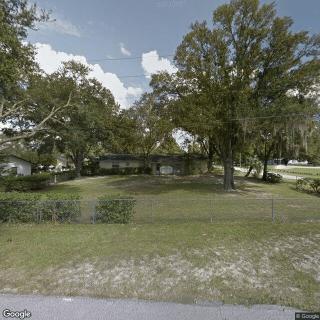
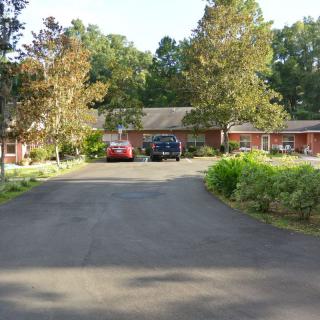
Health Center at Brentwood is located at 2333 N. Brentwood Circle, Lecanto, FL 34461 in Citrus County, Florida
Nearby Communities
Brentwood Retirement Community
Lecanto, FL
3.6 from 162 reviews
$1,218 to $2,550 / month
Friendly staff, private apartments, and affordable pricing with a sense of community.
Diamond Ridge Health And Rehabilitation Center
Lecanto, FL
4.7 from 118 reviews
$4,560 / month
Extensive amenities and comprehensive care services.
The Reserve at Citrus
Lecanto, FL
4.5 from 130 reviews
$2,600 to $5,540 / month
Caring staff, good dining, and clean, renovated spaces with engaging activities.
Grand Living at Citrus Hills
Hernando, FL
4.4 from 89 reviews
Attentive staff, spacious apartments with full kitchens, and a wide range of on-site amenities.
The Villages of Citrus Hills
Hernando, FL
4.1 from 114 reviews
Comprehensive care services (meal preparation, medication management) with strong access to nearby pharmacies, physicians, hospitals, and other amenities.
Heritage
Hernando, FL
Comprehensive amenities (Wi-Fi, meals, medication management) with nearby healthcare, dining, and worship options.
Crystal River Health And Rehabilitation Center
Crystal River, FL
3.8 from 68 reviews
Compassionate staff with strong family engagement and active programs, plus clean spaces.
Pure Restoration Assisted Living Of Crystal River
Crystal River, FL
4.3 from 6 reviews
Personalized care with 24-hour supervision and medication management.
New Horizon Iverness
Inverness, FL
4.1 from 35 reviews
$1,975 to $2,975 / month
Clean, welcoming atmosphere with friendly staff and engaging activities.
The guide outlines the eligibility criteria for home health care services, emphasizing clinical requirements, insurance options, and application processes. It distinguishes between Medicare's strict and Medicaid's flexible qualifications while addressing challenges families may face in securing necessary care at home.
Elder abuse affects many older adults worldwide and includes physical, emotional, neglectful, and financial harm, with about one in six individuals over 60 experiencing abuse annually. Prevention and intervention strategies focus on awareness, support for caregivers, and mandatory reporting, while recovery necessitates comprehensive support for both physical and emotional needs.
The guide details ten essential responsibilities of senior caregivers, including personal care, mobility assistance, medication management, and emotional support, while emphasizing the importance of safety, nutrition, and maintaining a safe living environment to enhance seniors' quality of life and independence.
Get PricingAsk A QuestionSchedule A TourContact Senior Advisor
By clicking submit, you agree to our Partner's Terms of Use. You
also consent to receive calls and texts, which may be autodialed, from our Partner. Your consent is not a condition to
using our Partner's service. Please visit our Partner's Privacy Policy for information about their privacy practices.

 120 resident community capacity
 Skilled Nursing Facility
 Air-conditioning
 Beauty salon
 Cable or satellite TV
 Computer center
 Dining room
 Fitness room
 Fully furnished
 Gaming room
 Garden
 Housekeeping services
 Kitchenette
 Move-in coordination
 Outdoor space
 Private bathrooms
 Restaurant-style dining
 Small library
 Telephone
 Wellness center
 Wi-Fi/high-speed internet available
 Community operated transportation
 12-16 hour nursing
 24-hour call system
 Activities of daily living assistance
 Assistance with bathing
 Assistance with dressing
 Assistance with transfers
 Diabetes diet
 Medication management
 Mental wellness program
 Special dietary restrictions
 Concierge services
 Planned day trips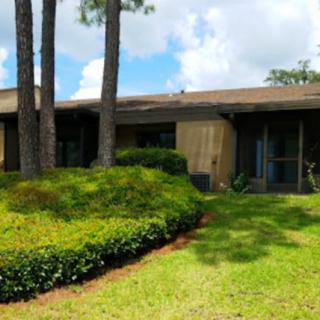
 Friendly staff, private apartments, and affordable pricing with a sense of community.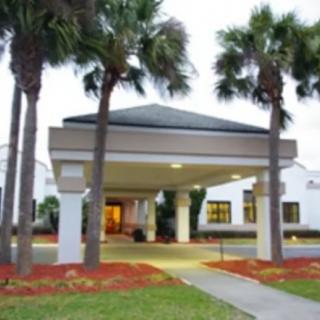


 Comprehensive Guide to Qualifying for Home Health Care Services
 Powerful Realities of Elder Abuse and the Most Effective Ways to Report It
 Ten Vital Duties of a Senior Caregiver: A Comprehensive Guide