136 Northeast 12Th Avenue, Crystal River, FL 34429
For more information about senior living options: (866) 208-4318
3.8 from 68 reviews
5 stars
39
4 stars
8
3 stars
3
2 stars
5
1 stars
13
Overall Review of Crystal River Health And Rehabilitation Center
common35 reviews mention this
Staff care and communication stand out
Residents and families repeatedly describe staff as caring, attentive, and communicative.
Across many reviews, people describe staff who treat residents with care and follow through on needs. Several reviewers also mention how updates and communication helped them feel informed—whether during daily care, therapy progress, or major transitions. Some comments are mixed when care feels inconsistent or staffing feels tight, but the dominant thread is that families noticed effort and responsiveness from the team.
caveat9 reviews mention this
Cleanliness is a mixed picture
Cleanliness gets both praise and sharp complaints in residents’ and families’ accounts.
A number of reviews describe the building as clean and well kept, including hallways, rooms, and the overall atmosphere. Other reviews are far more critical, describing dirty conditions, odors, visible mold, and rooms that felt unsanitary. Even when some staff are viewed positively, those negative cleanliness reports also mention impacts on comfort and day-to-day care.
caveat7 reviews mention this
Understaffing affects care timing
Multiple reviews link staffing strain to delayed responses and gaps in hands-on care.
Several reviews describe understaffing or unrealistic staffing ratios, with call lights left unanswered and limited hands-on time. A few reviewers also mention issues with medication timing and follow-through, including waiting periods and inconsistent schedules. Even where people describe the team as kind, they still report that coverage and coordination can fall short—especially during weekends or busy periods.
differentiator5 reviews mention this
Dementia and memory support
Reviews frequently reference dementia or memory-loss support as part of the care experience.
Some reviewers describe experience with dementia and Alzheimer’s care, including mention of a dedicated dementia unit and a locked-down area. Families also describe staff familiarity with memory-loss needs and comfort with the type of support their loved one required. A separate review ties care planning and daily routines to dementia-related needs, reinforcing that this is a recurring reason people choose the community.
How we summarize
Counts show how many written reviews mention each theme; a review can touch several themes, and only frequently mentioned themes are displayed.
Features
Housing
150 resident community capacity
Types of Care
Skilled Nursing Facility
Amenities
Air-conditioning
Beauty salon
Cable or satellite TV
Computer center
Dining room
Fitness room
Fully furnished
Gaming room
Garden
Housekeeping services
Kitchenette
Move-in coordination
Outdoor space
Private bathrooms
Restaurant-style dining
Small library
Telephone
Wellness center
Wi-Fi/high-speed internet available
Transportation
Community operated transportation
Transportation arrangement
Transportation arrangement (non-medical)
Transportation to doctors appointments
Care Services
12-16 hour nursing
24-hour call system
24-hour supervision
Activities of daily living assistance
Assistance with bathing
Assistance with dressing
Assistance with transfers
Diabetes diet
Meal preparation and service
Medication management
Mental wellness program
Special dietary restrictions
Dining
Diabetes diet
Special dietary restrictions
Activities
Community-sponsored activities
Concierge services
Fitness programs
Planned day trips
Resident-run activities
Scheduled daily activities
Nearby Places of Interest
Restaurants
Natalia's Pizza & Pasta (0.5 miles)
Burger King (0.7 miles)
Cody's Original Roadhouse (0.7 miles)
Sara's Diner (0.8 miles)
Thai Phoon Restaurant (0.9 miles)
Taco Bell (0.9 miles)
Dan's Clam Stand (0.9 miles)
Pharmacies
Don's Pharmacy (0.7 miles)
CVS Pharmacy (0.8 miles)
Walgreens (0.8 miles)
Winn-Dixie (1 miles)
Walmart Pharmacy (5.3 miles)
Brashear's Pharmacy (5.4 miles)
Winn-Dixie (6.2 miles)
Physicians
Medical Weight Loss Center (0.7 miles)
Citrus County Pediatrics (0.7 miles)
Gardner Audiology (0.7 miles)
Suncoast Eye Center/Crystal River (0.7 miles)
Envision Eye Specialist (0.8 miles)
Citrus Nephrology Associates (0.9 miles)
Dr Dalton Heath, DC (1.1 miles)
Hospitals
Laboratory Corporation of America (0.8 miles)
Bayfront Health Seven Rivers - Wound Care Center (1 miles)
Seven Rivers Community Hospital (5 miles)
Seven Rivers Regional Medical Center (5 miles)
Pet Services of Florida (6 miles)
Lecanto Surgery Center (6.1 miles)
Places of Worship
First Presbyterian Church (1 miles)
Southern Baptist Convention (1.3 miles)
St Timothy Lutheran Church (1.4 miles)
Crystal River Church of God (2.7 miles)
First Church of God (2.8 miles)
Southern Baptist Convention (6.1 miles)
Homosassa Springs Church of Christ (6.2 miles)
Parks
Hunter Springs Park (1.2 miles)
King's Bay Park (1.4 miles)
Yulee Sugar Mill Ruins (3.5 miles)
Citronelle Park (5.6 miles)
Fire Station Park (6.2 miles)
Ellie Schiller Homosassa Springs Wildlife State Park (6.6 miles)
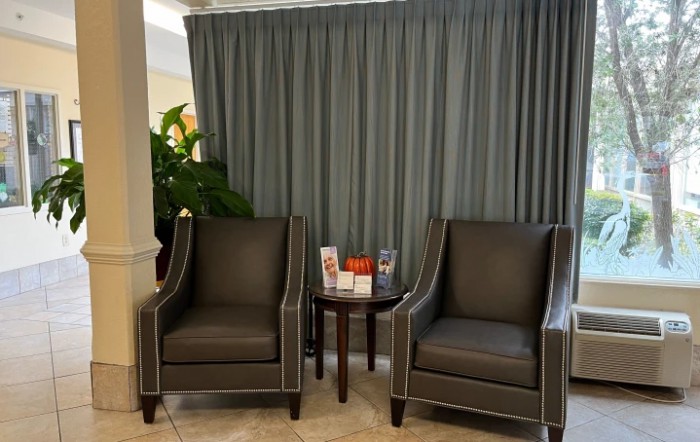
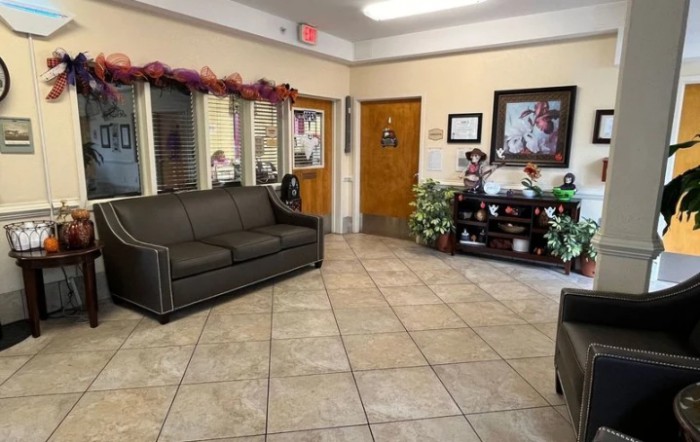
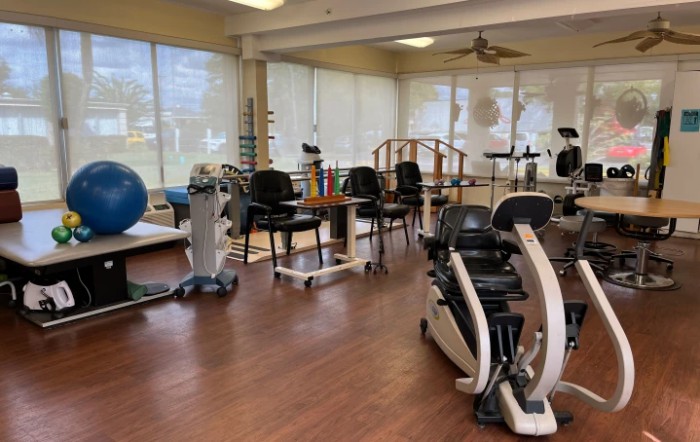
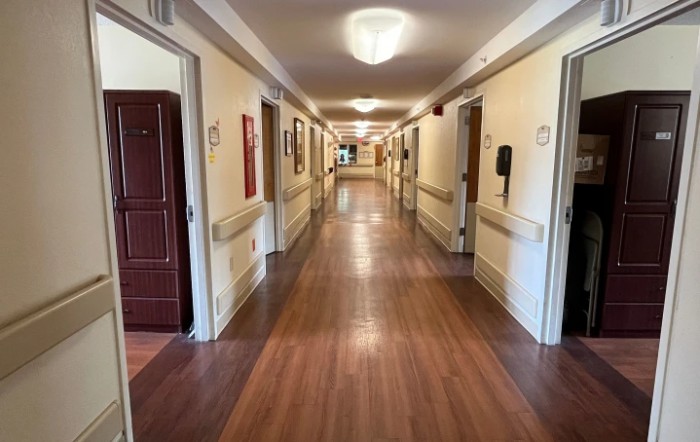
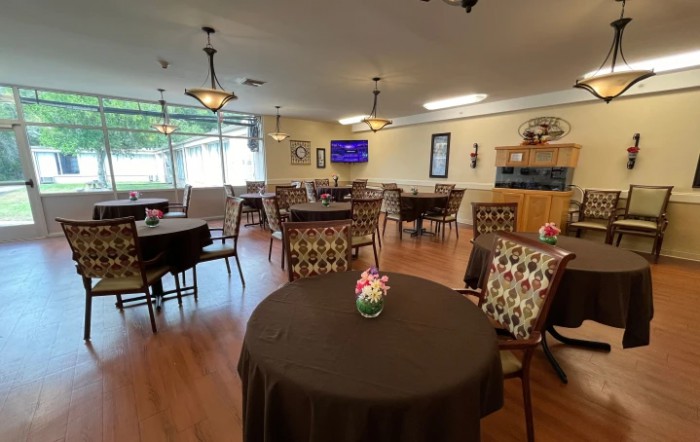
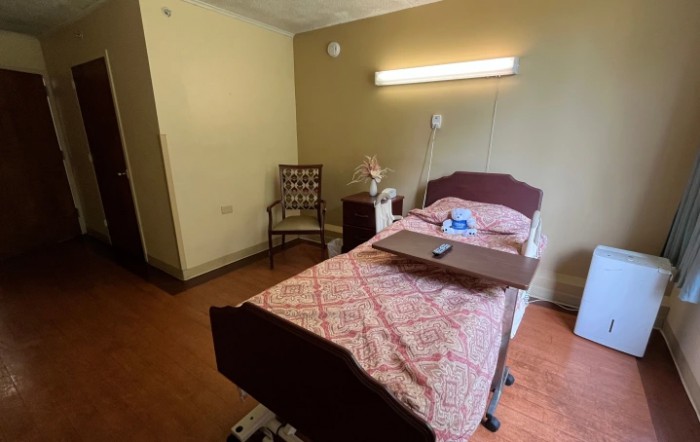
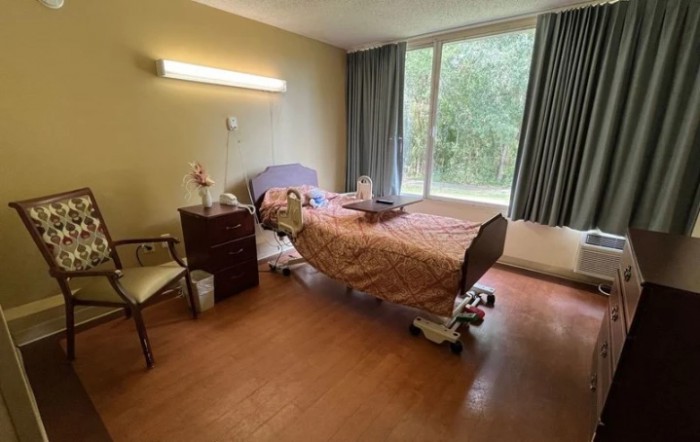
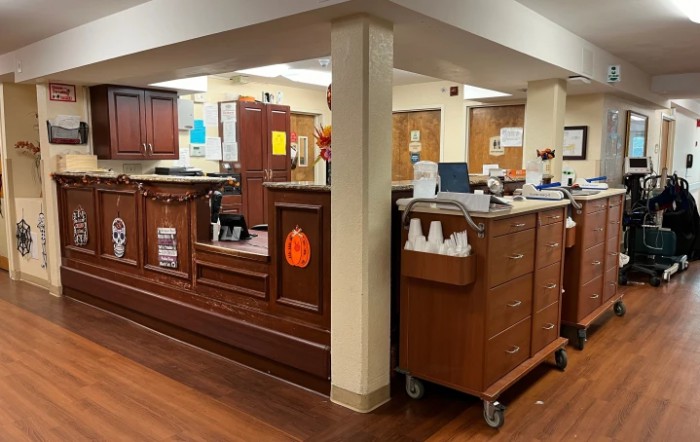
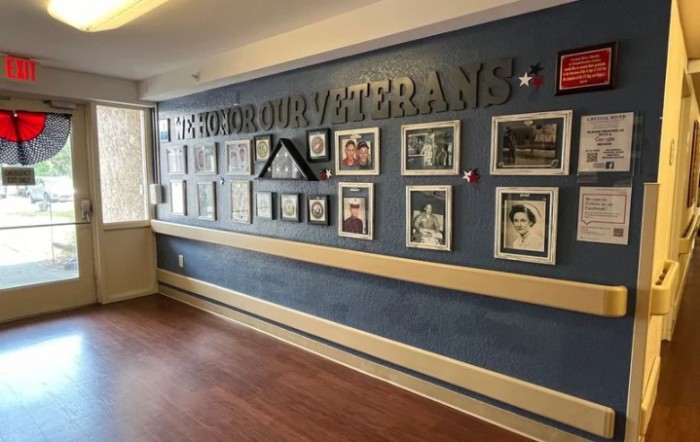
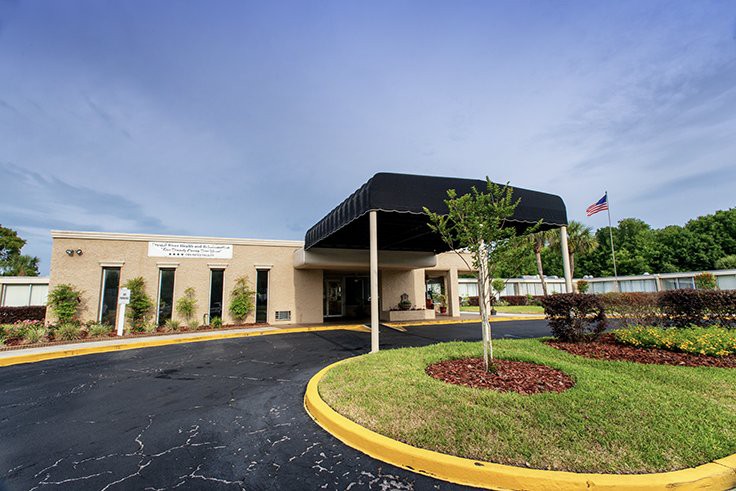
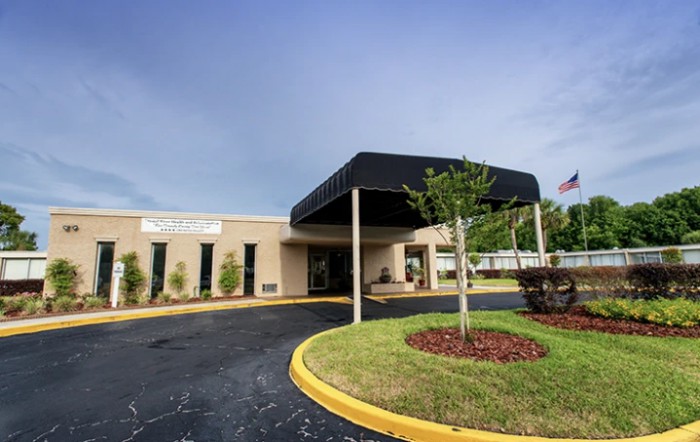
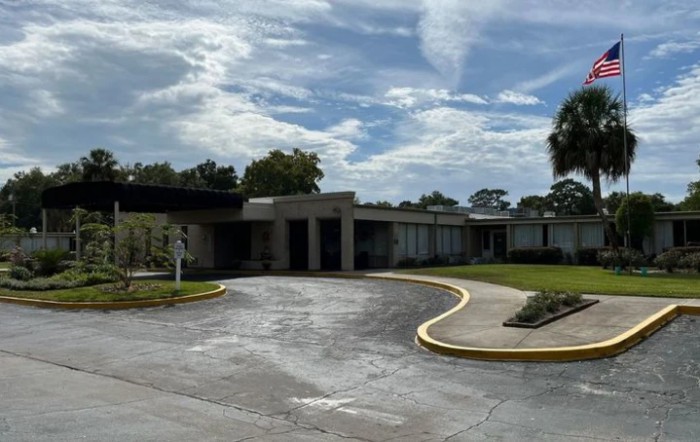
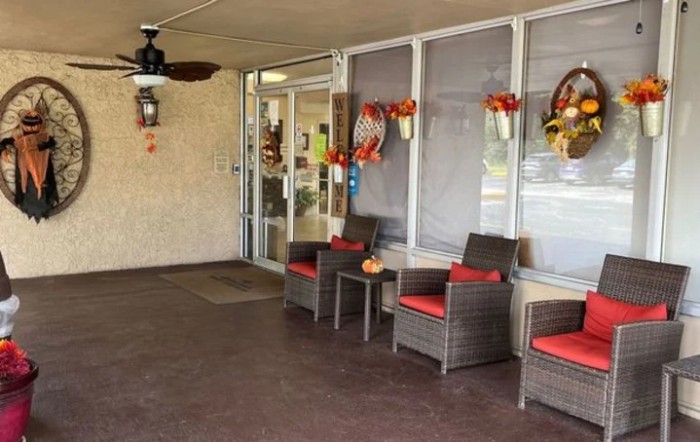
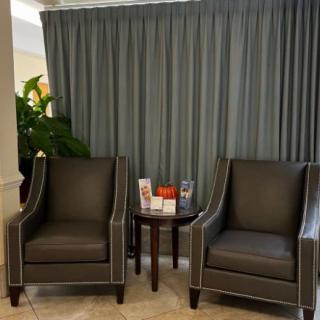
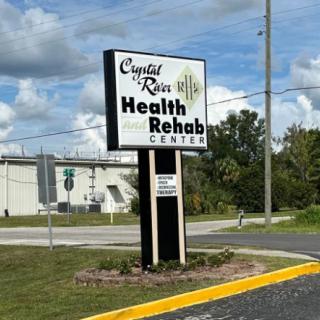
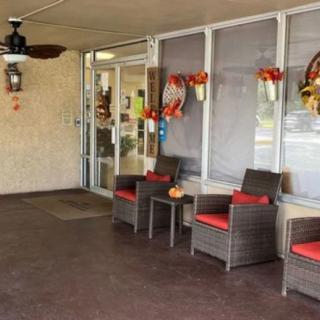
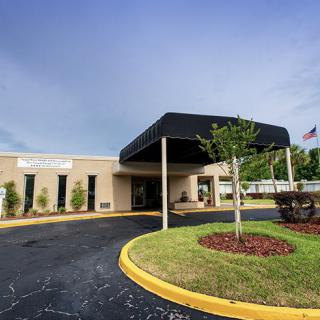
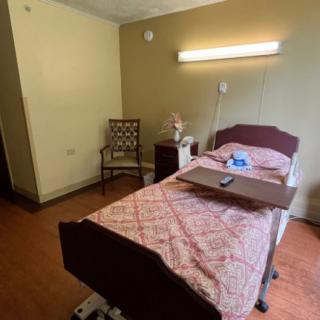
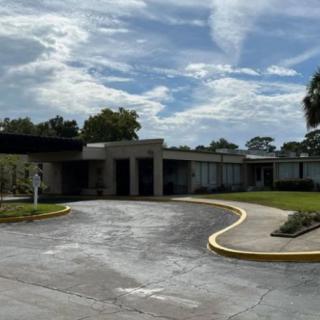
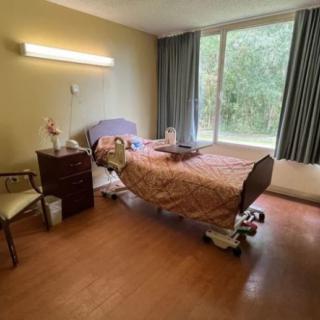
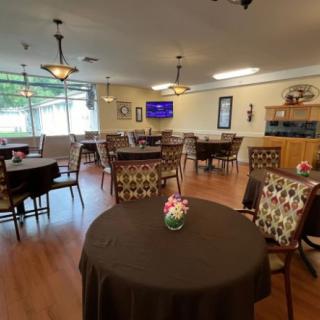
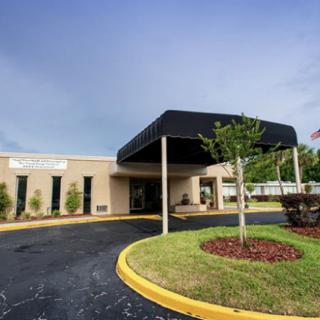
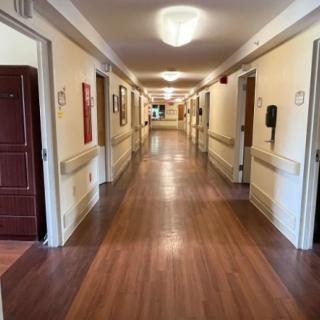
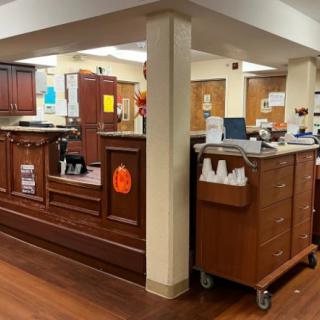
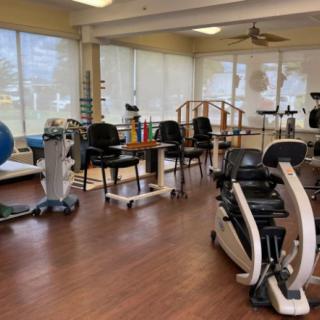
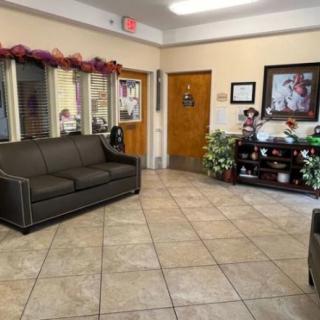
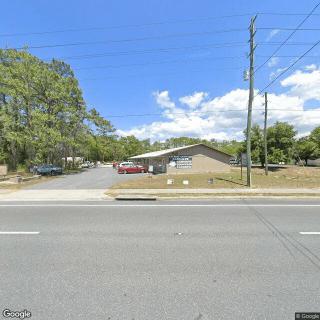
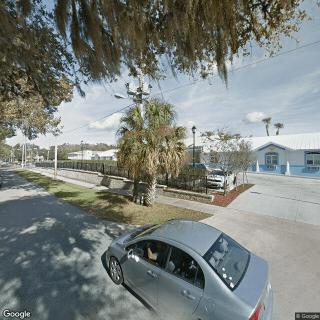
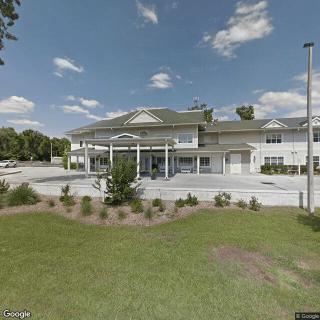
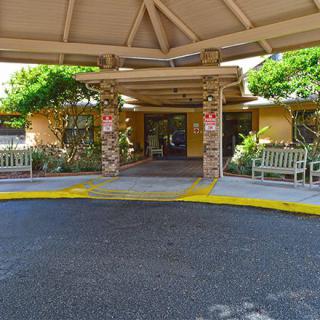
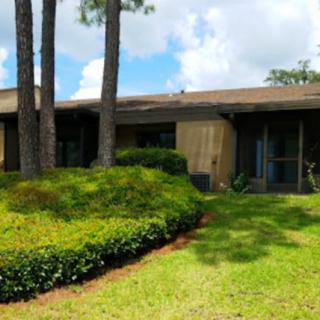
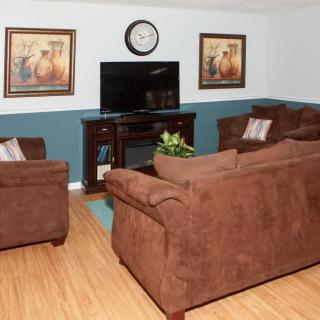
Crystal River Health And Rehabilitation Center on seniors.fyi includes 14 photos including images showing interior, building, decor, entrance, landscaping, bedroom, windows, plant, and more.
Nearby Communities
Pure Restoration Assisted Living Of Crystal River
Crystal River, FL
4.3 from 6 reviews
Personalized care with 24-hour supervision and medication management.
Cypress Cove Care Center
Crystal River, FL
3.7 from 58 reviews
Clean facility with friendly staff and engaging resident activities.
Mederi Home Health Care-Citrus
Crystal River, FL
Warm, home-like atmosphere with strong nearby healthcare and amenities.
Sunshine Gardens/ Crystal River LLC
Crystal River, FL
4.5 from 12 reviews
$2,550 to $5,100 / month
Warm, home-like environment with attentive, friendly staff and a clean, well-maintained facility.
Sunshine Gardens Crystal River
Crystal River, FL
4.3 from 6 reviews
$2,800 to $4,200 / month
Competitive pricing with comprehensive memory-care services (24/7 supervision, medication management, and specialized programs).
Cedar Creek Assisted Living
Crystal River, FL
4.5 from 10 reviews
Excellent resident care with attentive staff; apartment-style living available.
The Reserve at Citrus
Lecanto, FL
4.5 from 130 reviews
$2,600 to $5,540 / month
Caring staff, good dining, and clean, renovated spaces with engaging activities.
Brentwood Retirement Community
Lecanto, FL
3.6 from 162 reviews
$1,218 to $2,550 / month
Friendly staff, private apartments, and affordable pricing with a sense of community.
Sugarmill Manor Assisted Living
Homosassa, FL
4.5 from 23 reviews
$2,200 to $2,800 / month
Strong, outgoing staff and a clean, well-maintained facility with good value for memory care and assisted living.
The article examines living wills and advance directives, highlighting their significance in expressing healthcare preferences for those unable to communicate due to illness or incapacity. It discusses their historical development, legal components, limitations, practical drafting advice, and the importance of clear communication among families and healthcare professionals regarding end-of-life decisions.
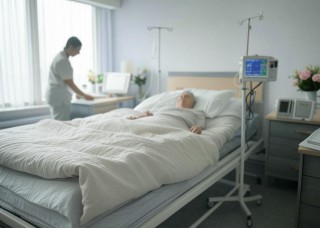
Hospice care focuses on providing comfort and support for individuals nearing the end of life, with Medicare Part A covering services like nursing care and counseling for patients with a terminal illness and a life expectancy of six months or less. While most hospice services are low-cost for eligible patients, families should be aware that certain expenses, such as room and board, may not be covered.
Caregiver burnout is a common issue resulting from the intense physical, emotional, and mental demands of caregiving, leading to symptoms like fatigue and social withdrawal. To prevent burnout, caregivers should recognize early warning signs and implement self-care strategies, seek support, and prioritize their own well-being alongside that of those they care for.
Crystal River Health And Rehabilitation Center photos
×
Interior
Outdoors
Decor
Building
Bedroom
Trees
Windows
Dining
Landscaping
Lighting
Hallway
Exercise Equipment
Plant
Interior
Decor
Bedroom
Dining
Landscaping
Windows
Building
Trees
Lighting and Doors
Seating Area, Outdoor, and Patio
Entrance
Outdoors
Exercise Equipment, Healthcare, Rehabilitation, Physical Therapy, and Fitness
Hallway
Office and Reception
Plant
Waiting Area
Reception Area and Paintings
Awning
Additional Photos
Get PricingAsk A QuestionSchedule A TourContact Senior Advisor
By clicking submit, you agree to our Partner's Terms of Use. You
also consent to receive calls and texts, which may be autodialed, from our Partner. Your consent is not a condition to
using our Partner's service. Please visit our Partner's Privacy Policy for information about their privacy practices.

 150 resident community capacity
 Skilled Nursing Facility
 Air-conditioning
 Beauty salon
 Cable or satellite TV
 Computer center
 Dining room
 Fitness room
 Fully furnished
 Gaming room
 Garden
 Housekeeping services
 Kitchenette
 Move-in coordination
 Outdoor space
 Private bathrooms
 Restaurant-style dining
 Small library
 Telephone
 Wellness center
 Wi-Fi/high-speed internet available
 Community operated transportation
 12-16 hour nursing
 24-hour call system
 Activities of daily living assistance
 Assistance with bathing
 Assistance with dressing
 Assistance with transfers
 Diabetes diet
 Medication management
 Mental wellness program
 Special dietary restrictions
 Concierge services
 Planned day trips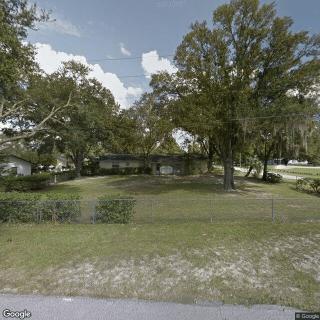
 Personalized care with 24-hour supervision and medication management.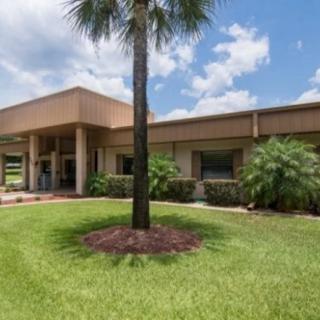
 A Detailed Exploration of Living Wills and Advance Directives
 Comprehensive Guide to Medicare Coverage for Hospice Care
 Caring for Those Who Care: Recognizing, Understanding, and Overcoming Caregiver Burnout