The Reserve at Citrus in Lecanto, FL

Save

  • Interior

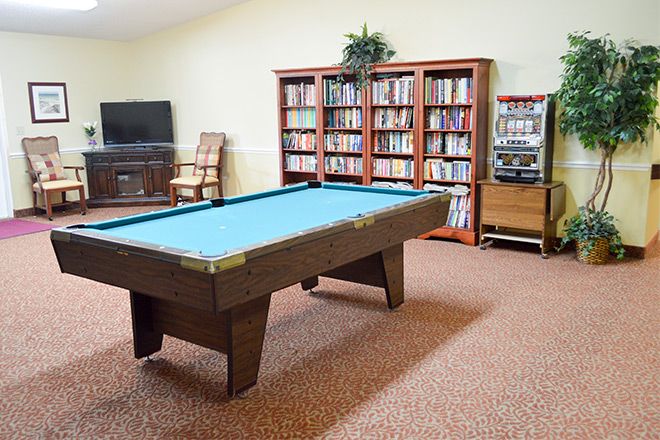
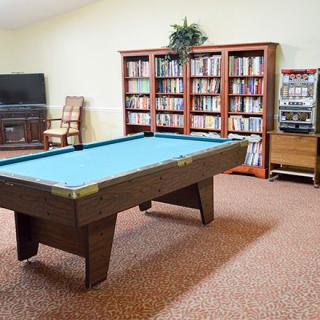
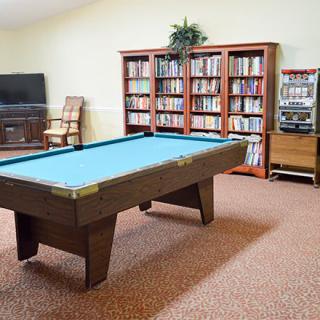
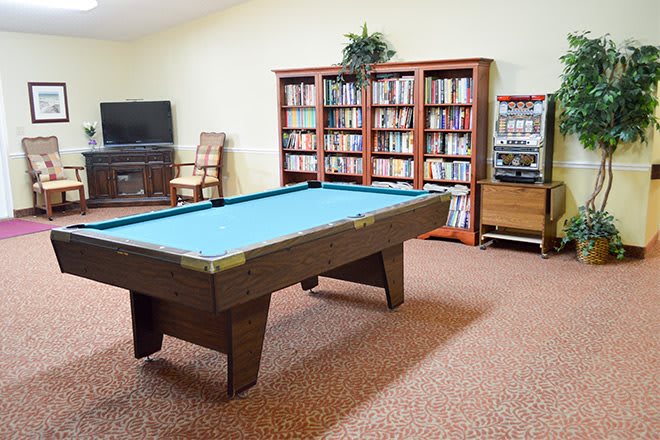
    A cozy game room featuring a pool table, bookshelves filled with books, and a television.
  • Decor

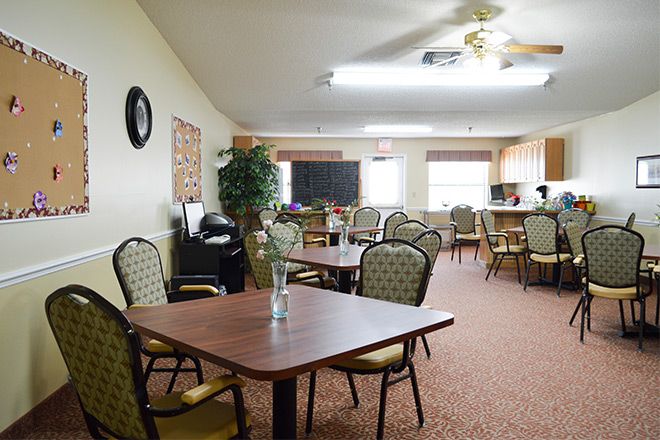
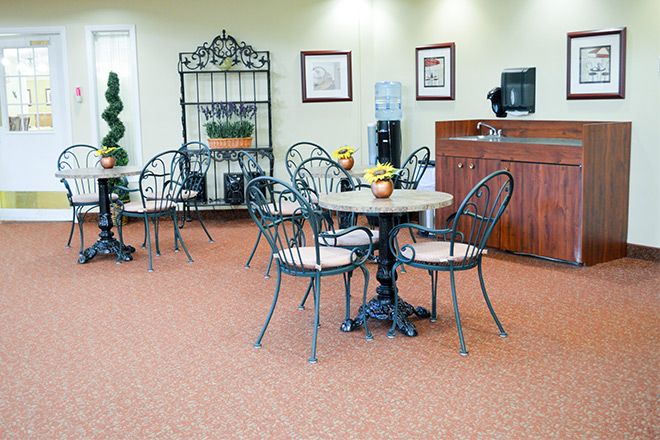
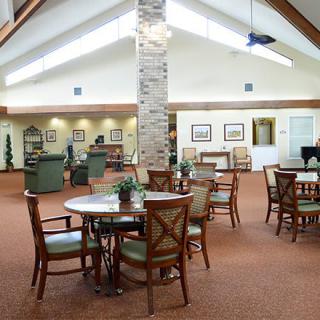
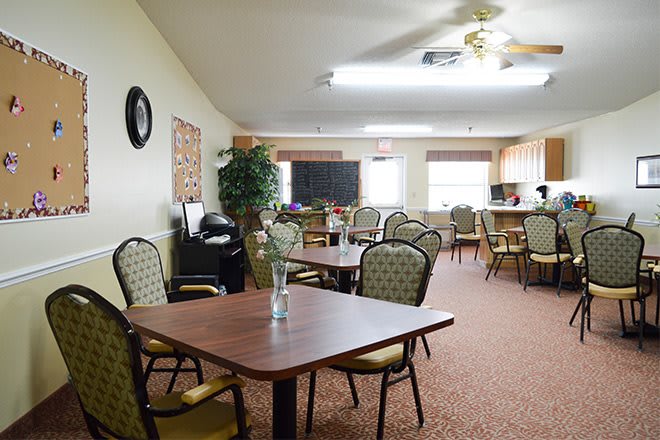
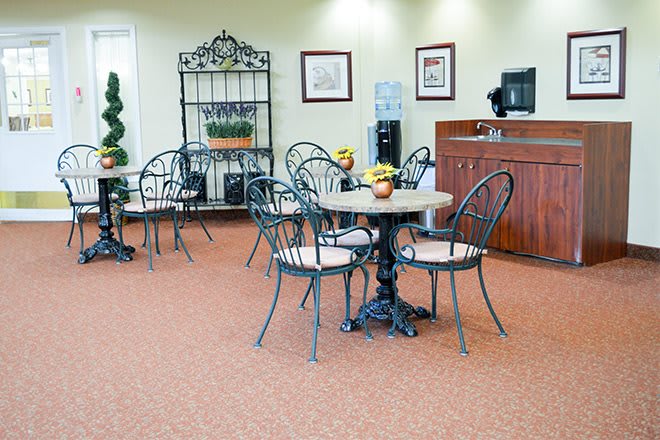
    An indoor dining room with multiple tables and chairs, featuring bright lighting and decorative elements.
  • Living Room

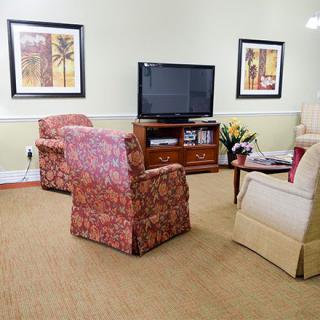
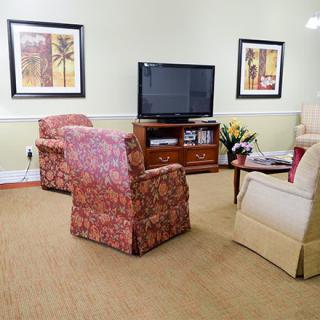
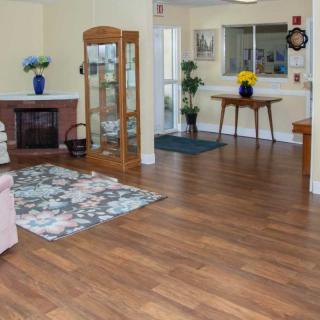
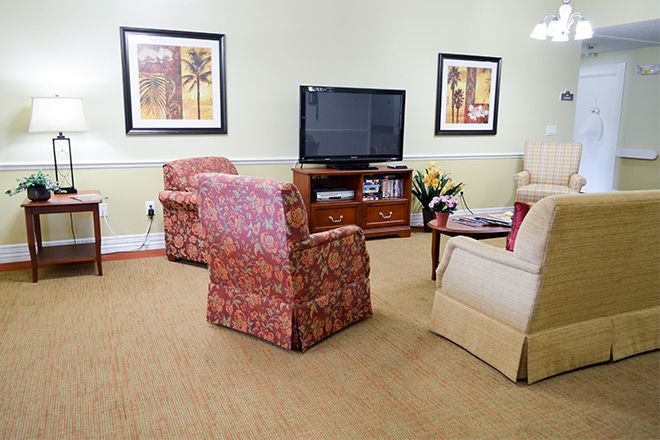
    A cozy living room with a television, armchairs, and decorative artwork.
  • Building

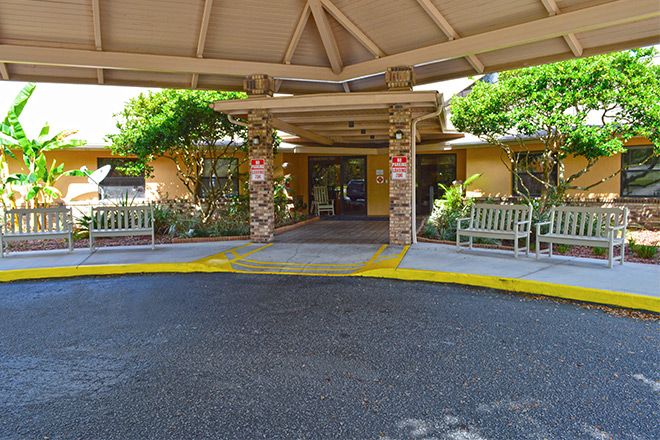
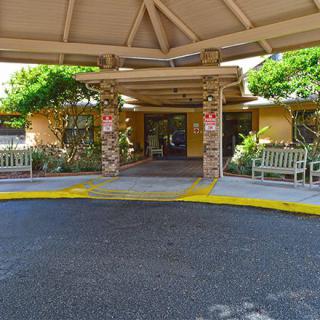
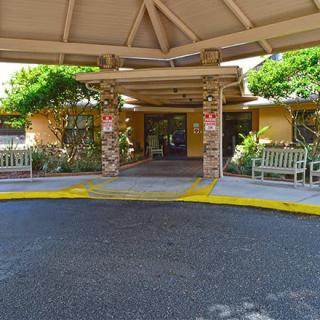
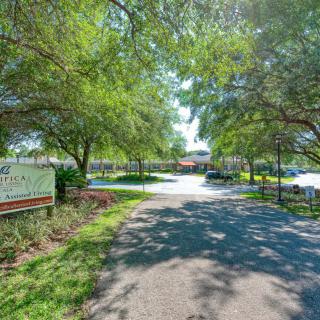
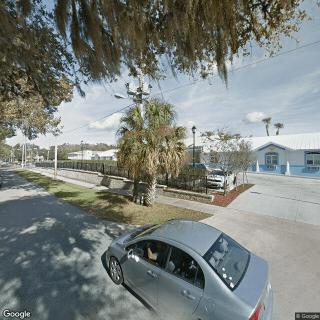
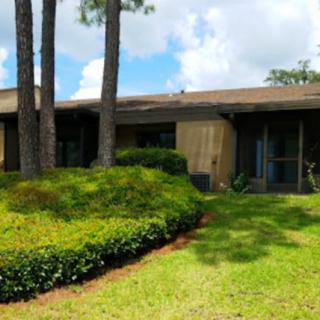
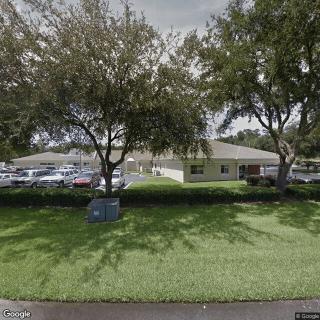
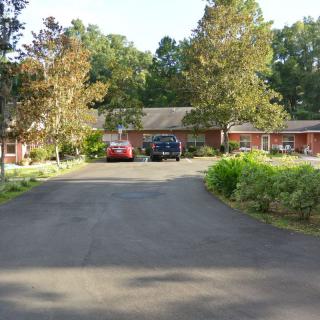
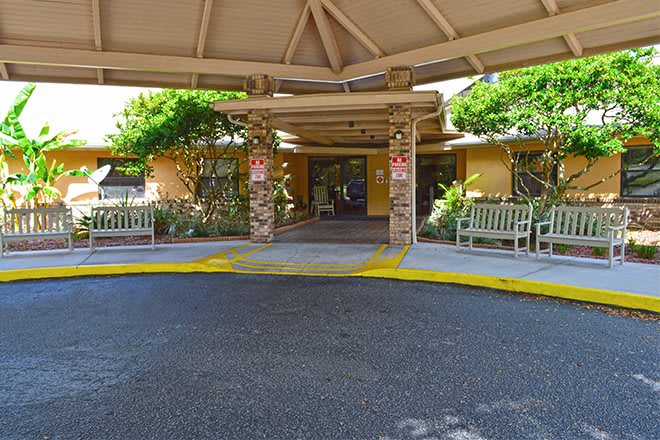
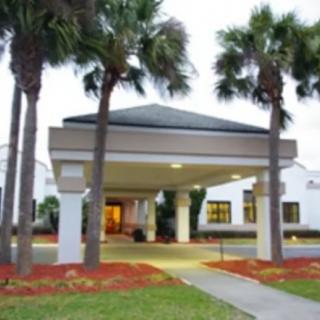
    The image shows the entrance of a building with a covered area, benches, and surrounding landscaping.
  • Dining

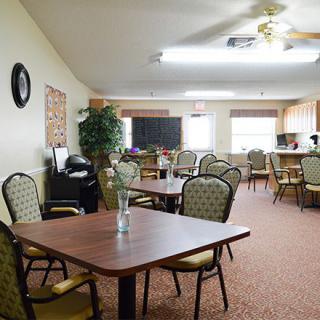
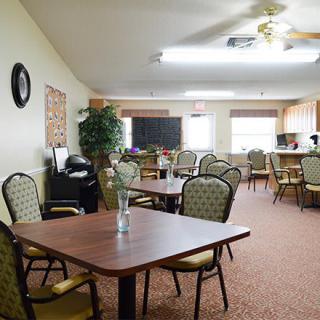
    A spacious dining room with multiple tables and chairs, featuring a carpeted floor, ceiling fan, and a television.
  • Landscaping

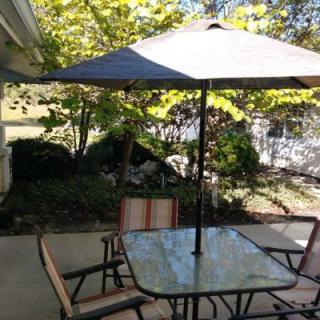
    Entrance to a building with benches, surrounded by greenery.
  • Lighting

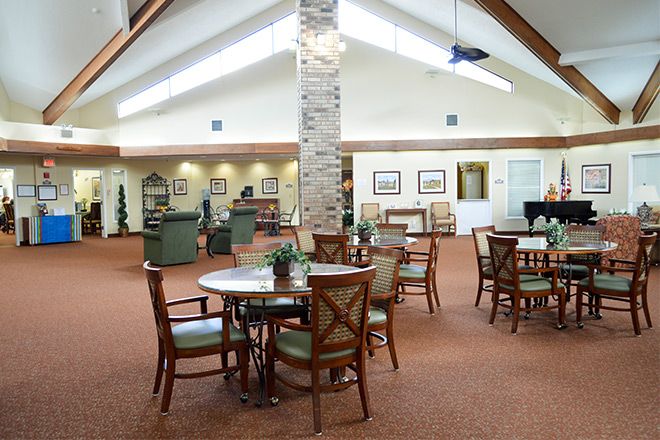
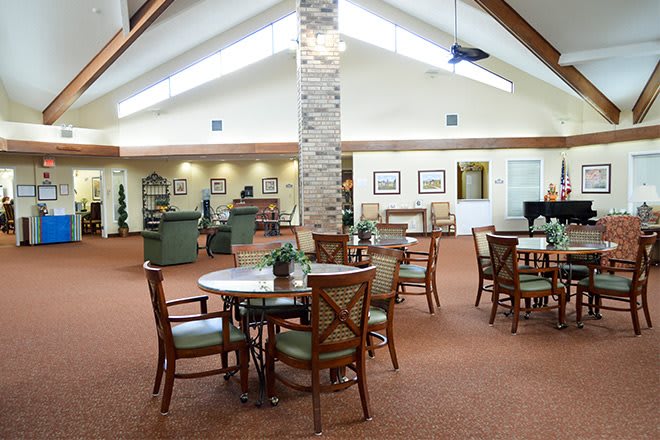
    A spacious and well-lit interior room featuring multiple tables and chairs arranged for communal seating.
  • Television

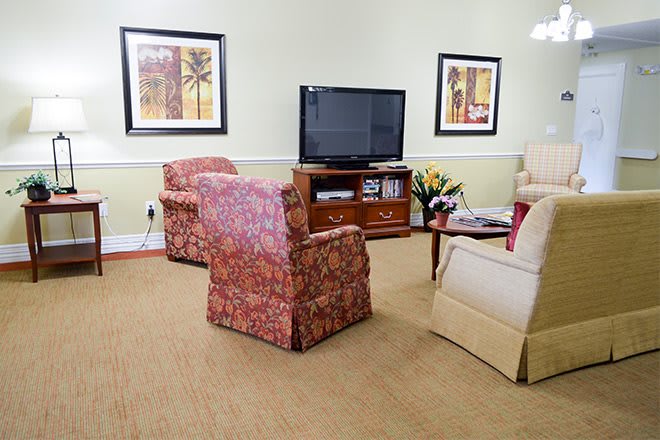
    A cozy living room with patterned armchairs, a television on a wooden stand, and decorative paintings on the walls.
  • Lobby

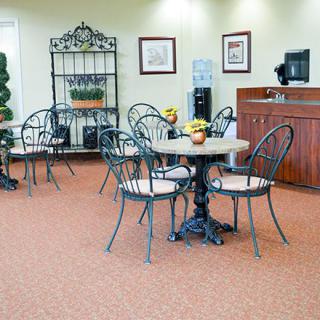
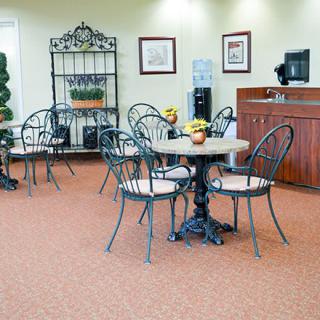
    A cozy waiting area with metal chairs and tables, featuring a reception desk in the background.
  • Bookshelves

    A cozy room featuring a billiard table, bookshelves, and a television.
  • Cabinets

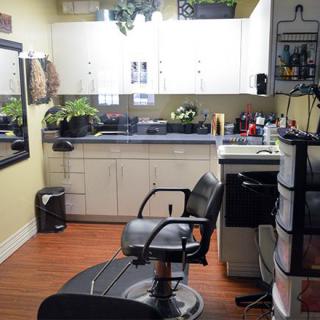
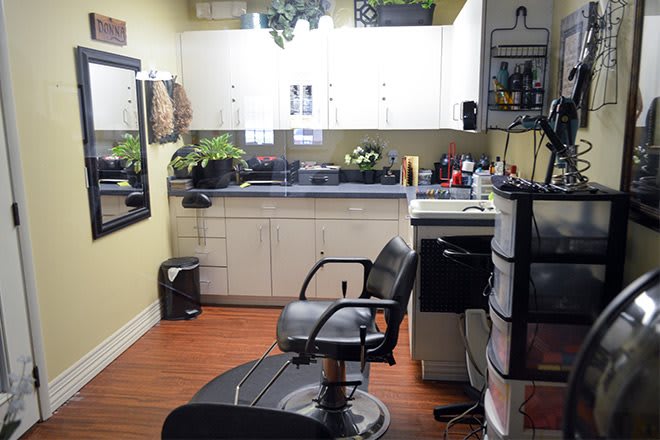
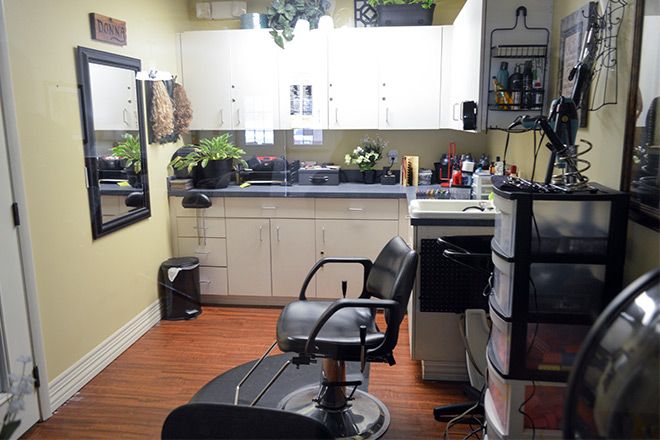
    A cozy hair salon with a styling chair, mirror, and various hairdressing equipment.
  • Salon

    A cozy hair salon with a barber chair, surrounded by plants and a large mirror.
  • Bright Lighting

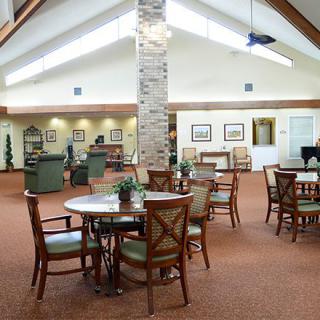
    Spacious lounge area with tables and chairs under a high ceiling.
  • Coffee Station

    A cozy cafe interior with metal tables and chairs, decorated with plants and artwork.

The Reserve at Citrus in Lecanto, FL

Information last verified:

2341 West Norvell Bryant Highway, Lecanto, FL 34461

For more information about senior living options: (844) 490-3973

4.5 from 124 reviews
5 stars
92
4 stars
15
3 stars
8
2 stars
5
1 stars
4

Seniors.FYI Elite Community Awards

Top 5% Senior Living Community in 2016Top 5% Senior Living Community in 2017Top 5% Senior Living Community in 2023

Add this award to your website

The Reserve at Citrus Costs & Pricing

The Reserve at Citrus offers competitive pricing for its various room types when compared to both Citrus County and the broader Florida market. For instance, the semi-private rooms are priced at $2,600, which is notably lower than the county average of $2,673 and significantly below the state average of $3,009. Studio apartments at The Reserve cost $3,545, slightly above Citrus County's rate of $3,299 but still less than the Florida average of $3,823. However, the one-bedroom units present a different picture; priced at $5,540, they exceed both local and state averages of $3,577 and $3,864 respectively. Overall, while The Reserve at Citrus maintains affordability in certain room categories, it positions itself differently with its one-bedroom offerings in comparison to regional competitors.

Floor plansThe Reserve at CitrusCitrus CountyFlorida
Semi-Private$2,600$2,673$3,009
Studio$3,545$3,299$3,823
1 Bedroom$5,540$3,577$3,864

Overall Review of The Reserve at Citrus

Pros

  • pro The Reserve at Citrus is described as a warm, family-like environment where residents feel cared for and respected.
  • pro The staff are consistently warm, friendly, and dedicated, with leadership that has become more customer-centric.
  • pro The facility is clean, well-maintained, and on one level, making it easy for residents to navigate.
  • pro Dining is restaurant-quality and widely praised for its delicious, varied meals.
  • pro A wide range of daily activities keeps residents engaged and entertained.
  • pro Families appreciate open communication and regular updates about their loved ones.
  • pro Memory care staff are loving, attentive, and genuinely care about residents’ well-being.
  • pro The community feels safe, welcoming, and like a true home where residents are treated like family.
  • pro The Reserve offers comprehensive in-house medical care and supportive services that families value.

Cons

  • pro They did not follow hospice orders to withhold solid food, and she almost choked to death.
  • pro They are strictly concerned about how much they can make off a resident.
  • pro Like most facilities, they are short-staffed with too many residents and not enough caregivers.
  • pro The lobby smelled of urine.
  • pro There was an outbreak of scabies and they did not notify visitors promptly.
  • pro Communication was consistently poor.
  • pro The memory care unit was depressing and cramped.
  • pro Night staff were not as good as day staff.
  • pro The facility was poorly managed.
  • pro The staff were rude and unprofessional.
  • pro Memory care was overpriced for what was provided.
  • pro They were losing staff left and right.
  • pro The floor staff needed training.
  • pro They did not perform night rounds as promised.
  • pro They did not clean thoroughly; cleaning was only surface level.

Review

The Reserve at Citrus is best suited for families seeking a warm, home-like, all-on-one-level environment where memory care and assisted living can feel like a close-knit community. The campus emphasizes a floor-plan that’s easy to navigate, with many residents moving freely through common spaces, dining rooms, and activity areas without stairs or long hallways. Dining is described as restaurant-style and consistently well-regarded, and the calendar expands beyond the daytime with meals, outings, and post-dinner activities. The memory care unit receives particular praise for compassionate staff and attentive care, and the facility has invested in renovations and amenities such as an on-site salon, therapy services, and visiting nurses. In short, it delivers a compassionate, engaging atmosphere that families often equate with “home.”

Who may want to consider alternatives? A subset of families will want to look elsewhere if daily operations revolve around gaps in staffing, inconsistent night coverage, or lapses in safety and incident response. Several reviews note understaffing, especially in memory care, and several families recount falls or delayed assistance, sometimes with serious consequences. Others flag communication gaps, turnover in leadership or administration, and occasional cleanliness or odor issues in specific areas. For households prioritizing very tight supervision, guaranteed night rounds, or zero tolerance for any risk of outbreaks or regulatory concerns, the Reserve may feel less than perfectly aligned. Cost sensitivity also matters; memory care at this property is frequently priced at a premium, and families should weigh ongoing expenses against the value of service received.

The strongest pros, impressive dining, a robust activities program, and a genuinely caring staff, often offset the more troubling drawbacks. Families repeatedly highlight restaurant-quality meals and a dining atmosphere that respects resident autonomy, along with a steady stream of meaningful activities, from chair-based exercise and bingo to live music and group outings, that keep residents engaged. The memory care team is repeatedly described as loving and attentive, with staff who communicate well with families and coordinate care through visiting nurses and in-house therapy. The all-on-one-level design reduces mobility barriers, and the commitment to cleanliness and welcoming common spaces contributes to a sense of safety and homeliness. When leadership is stable and customer-centric, the facility becomes consistently responsive to both resident needs and family input.

Yet the cons are real and cannot be dismissed. Night-time coverage questions and occasional spikes in resident needs can stretch staff thin, and several reviews recount falls and delays in response that erode trust. Outbreaks and outbreaks-related concerns, along with occasional signage announcing issues, remind prospective families that infection control remains an ongoing challenge in congregate settings. Some families report communication gaps during transitions or after incidents, and there are echoes of high costs, especially in memory care, relative to perceived value. While renovations have refreshed the space, ongoing staff turnover in certain units has also been noted, which can influence consistency of care and the overall experience for residents and families alike.

For families moving through a decision framework, concrete steps matter. Evaluate the level of acceptable risk by asking pointed questions about nighttime staffing ratios, incident response times, and how the memory care unit is supervised after hours. Request a detailed, written care plan for residents with dementia, including how changes in condition are communicated to families and how meals and activities evolve with care needs. Tour multiple times and speak with current residents and family members about perceived consistency of care, cleanliness, and the ability to participate in decisions about daily routines. Confirm what’s included in the monthly rate and what costs may fluctuate with memory care services, therapies, or transportation. These conversations reveal how well the community manages safety, family involvement, and long-term stability.

In the end, The Reserve at Citrus stands out as a capable, compassionate option for families prioritizing warmth, community, and a robust quality of life for both assisted living and memory care residents. It is a practical choice for those who want a one-story, accessible environment with strong dining and an active calendar, and who can stay closely engaged with administration to monitor staffing and safety. It is less ideal for families that demand ironclad, 24/7 staffing assurances, unwavering infection control acceptance, and budgeting needs that can tolerate only the most predictable, facility-wide routines. For the right family, the Reserve offers a welcoming home where residents are treated with kindness, engaged in meaningful activities, and supported by staff who truly care about their well-being. A careful, informed visit will confirm whether this community meets the balance of comfort, safety, and value that defines the ideal match.

Features

Housing

  • 100 resident community capacity 100 resident community capacity

Types of Care

  • Assisted Living Assisted LivingAssisted living facilities provide crucial support and care for seniors who may need help with daily tasks such as medication management, bathing, and meal preparation. These communities offer a safe and comfortable environment where seniors can maintain their independence while receiving the assistance they need to thrive in their golden years.
  • Memory Care Memory CareMemory care is crucial for seniors as it provides specialized support and services for individuals with dementia or Alzheimer's disease. These programs offer a safe and secure environment where residents receive personalized care, cognitive stimulation, and help with daily activities. Memory care helps seniors maintain their independence, quality of life, and dignity while also providing peace of mind for their families.

Pets

  • Cats allowed Cats allowed"Pet friendly" senior living communities are important for seniors because pets provide companionship, reduce feelings of loneliness and depression, promote physical activity and mental stimulation, and offer a sense of purpose and responsibility. Pets can improve overall well-being and quality of life for seniors in many ways.
  • Dogs allowed Dogs allowed"Pet friendly" senior living communities are important for seniors because pets provide companionship, reduce feelings of loneliness and depression, promote physical activity and mental stimulation, and offer a sense of purpose and responsibility. Pets can improve overall well-being and quality of life for seniors in many ways.

Amenities

  • Activities off-site Activities off-siteEngaging in off-site activities is crucial for seniors to maintain social connections, stay active, and stimulate their minds. It promotes overall well-being and helps combat feelings of isolation and loneliness.
  • Activities on-site Activities on-siteActivities on-site are important for seniors because they provide opportunities for socialization, mental stimulation, physical activity, and overall well-being. Engaging in activities can help seniors stay active, maintain their independence, and improve their quality of life.
  • Air-conditioning Air-conditioningAir conditioning is important for seniors as they are more vulnerable to heat-related illnesses and may have underlying health conditions that make it difficult for them to regulate their body temperature. It helps to keep them comfortable, safe, and healthy in hot weather.
  • Bath tubs Bath tubsBath tubs are important for seniors because they provide a safe and relaxing way to bathe, helping to prevent slips and falls while promoting independence and overall well-being.
  • Beautician on-site Beautician on-siteHaving a beautician on-site at a senior living community is important for seniors as it allows them to easily access grooming and personal care services, boosting their self-esteem and overall well-being. It also provides convenience and helps seniors maintain their sense of independence and personal style.
  • Beauty salon Beauty salonBeauty salons are important for seniors because they provide a space for them to feel pampered, socialize, and maintain their personal grooming and hygiene. Regular visits to a beauty salon can help boost seniors' self-esteem and overall well-being.
  • Cable or satellite TV Cable or satellite TVCable or satellite TV is important for seniors because it provides entertainment, news, and companionship, helping to combat loneliness and boredom. It also offers a wide range of programming options tailored to different interests and preferences.
  • Computer center Computer centerA computer center is essential for seniors as it provides access to technology, communication tools, and resources that can enhance their daily lives. It allows them to stay connected with loved ones, engage in online activities, and learn new skills, ultimately promoting socialization and mental stimulation.
  • Devotional services off-site Devotional services off-siteDevotional services off-site are important for seniors as they provide spiritual nourishment, social engagement, and a sense of community outside of the senior living facility. This can enhance overall well-being and help combat feelings of isolation and loneliness often experienced by older adults.
  • Devotional services on-site Devotional services on-siteDevotional services on-site provide seniors with spiritual support and a sense of community, as well as an opportunity for reflection and guidance during their senior living experience. This can promote emotional well-being and connection to others, leading to a more fulfilling and enriching lifestyle in their later years.
  • Dining room Dining roomDining rooms are important for seniors as they provide a space for socialization, connection, and nutritious meals. They offer opportunities for residents to bond over shared meals, foster a sense of community, and promote healthy eating habits. Dining rooms also ensure that seniors have access to well-balanced meals tailored to their dietary needs and preferences.
  • Fitness room Fitness roomHaving a fitness room in a senior living community is essential for seniors to stay active, maintain their physical health, and improve their overall well-being. Regular exercise can help prevent falls, reduce the risk of chronic diseases, and promote mental sharpness. It also provides social opportunities for residents to connect with others and enjoy a sense of community.
  • Fully furnished Fully furnishedFully furnished senior living communities are important for seniors because they provide convenience, comfort, and a hassle-free moving experience. Seniors can easily settle into their new living space without the stress of having to buy and move furniture. This allows them to focus on enjoying their new home and community.
  • Gaming room Gaming roomGaming rooms are important for seniors as they provide a fun and engaging environment for socializing, cognitive stimulation, and physical activity. Games can improve memory, problem-solving skills, and overall mental well-being while fostering friendships and reducing feelings of isolation.
  • Garden GardenGardens are important for seniors as they provide a peaceful and therapeutic environment for relaxation, physical activity, and socialization. Being in nature has been shown to reduce stress, improve mood, and promote overall well-being. Gardens also offer opportunities for seniors to engage in gardening activities, which can improve mobility, flexibility, and cognitive function. Additionally, gardens create a sense of community and connection with others who share a passion for plants and outdoor spaces.
  • Guasts at mealtime Guasts at mealtime"Guests at mealtime" offer seniors the opportunity for social interaction, companionship, and a sense of community during meals, which can help combat feelings of loneliness and isolation commonly experienced in senior living environments. It can also enhance their overall dining experience and improve their mental and emotional well-being.
  • Guest parking Guest parkingGuest parking is important for seniors because it allows their friends and family members to visit them easily and safely. Having convenient parking options can help combat feelings of isolation and loneliness, promote regular social interaction, and improve overall mental and emotional well-being for seniors in senior living communities.
  • Housekeeping services Housekeeping servicesHousekeeping services are important for seniors because they help maintain a clean and safe living environment, promote independence, and reduce the risk of accidents or illnesses. Additionally, having assistance with household chores can alleviate physical strain and allow seniors to focus on other aspects of their well-being.
  • Indoor common areas Indoor common areasIndoor common areas are crucial for seniors as they provide a space for socialization, recreation, and community engagement, promoting overall well-being and reducing feelings of isolation and loneliness.
  • Kitchenette KitchenetteKitchenettes are important for seniors living in senior living communities because they provide the convenience and independence of being able to prepare simple meals and snacks in the comfort of their own living space. This can help promote a sense of autonomy and well-being for seniors, allowing them to maintain some level of control over their dietary choices and daily routines.
  • Laundry LaundryLaundry services are important for seniors as they may have difficulty with physical tasks such as bending, lifting, or carrying heavy loads. Having access to laundry services can help seniors maintain personal hygiene, cleanliness, and independence in their daily lives.
  • Move-in coordination Move-in coordinationMove-in coordination is important for seniors because it helps ease the transition into their new living environment. It ensures that all logistics, such as packing, organizing movers, and setting up utilities are taken care of, allowing seniors to focus on settling in and adjusting to their new home. Having a smooth move-in process can alleviate stress and anxiety, making the transition smoother and more enjoyable for seniors.
  • Outdoor common areas Outdoor common areasOutdoor common areas are important for seniors as they provide a space for socialization, physical activity, and relaxation. Being outside in nature can improve mood and overall well-being, while also encouraging movement and engagement with others. These spaces can help combat feelings of isolation and promote a sense of community among residents.
  • Outdoor space Outdoor spaceOutdoor spaces are important for seniors as they provide opportunities for physical activity, social interaction, exposure to natural light and fresh air, and a sense of connection to nature. Having access to outdoor spaces can improve overall well-being and quality of life for older adults living in senior communities.
  • Overnight guests Overnight guestsOvernight guests provide companionship, social engagement, and emotional support for seniors in senior living communities. They can help reduce feelings of loneliness, isolation, and boredom, while also promoting mental well-being and overall quality of life. Additionally, overnight guests can offer a sense of familiarity and comfort for seniors who may be transitioning into a new living environment.
  • Party space Party spaceHaving access to party space is important for seniors as it provides opportunities for socialization, connection, and enjoyment. These spaces allow seniors to celebrate special occasions, host gatherings with friends and family, and participate in community events, enhancing their overall well-being and quality of life.
  • Private bathrooms Private bathroomsPrivate bathrooms are important for seniors in senior living communities because they provide independence, dignity, and comfort. Having a private bathroom allows seniors to maintain their personal hygiene routines without the need for assistance, promoting a sense of autonomy and privacy. Additionally, private bathrooms help prevent the spread of infections and provide a safe and clean environment for seniors to navigate safely.
  • Resident parking Resident parkingResident parking is crucial for seniors in a senior living community as it provides convenience, accessibility, and safety for residents who may have limited mobility or rely on personal vehicles for transportation. Having designated parking spaces ensures that seniors can easily access their homes without having to walk long distances or navigate crowded parking lots, ultimately enhancing their overall quality of life and sense of independence.
  • Respite or short term stays offered Respite or short term stays offeredRespite or short term stays provide seniors with a temporary solution when their regular caregiver is unavailable, offering them the opportunity to receive additional care and support during times of need, while also giving caregivers a chance to rest and recharge.
  • Restaurant-style dining Restaurant-style diningRestaurant-style dining is important for seniors because it allows them to enjoy delicious, nutritious meals in a social and upscale setting. This enhances their dining experience, promotes healthy eating habits, and fosters socialization with fellow residents, ultimately contributing to their overall well-being and quality of life.
  • Small library Small librarySmall libraries are important for seniors as they provide access to a variety of reading materials, including books, newspapers, and magazines. This can help stimulate their minds, keep them engaged, and provide a sense of community through book clubs and other social activities. Additionally, reading has been shown to improve cognitive function and overall mental well-being in older adults.
  • TV room TV roomTV rooms are important for seniors in senior living communities because they provide a space for social interaction, entertainment, and relaxation. Watching TV can help reduce feelings of loneliness and boredom, and create a sense of community among residents. Additionally, TV rooms offer a break from daily routines and can be a source of comfort and familiarity for seniors.
  • Telephone TelephoneTelephones are important for seniors as they provide a lifeline for communication with loved ones, emergency services, and healthcare providers. They offer a sense of security and independence, enabling seniors to stay connected and access assistance when needed.
  • VA Benefits Consultation VA Benefits ConsultationVA Benefits Consultations are important for seniors because they provide valuable information on the benefits and resources available to them as veterans. These consultations can help seniors access financial assistance, healthcare services, and other support that can greatly improve their quality of life in their later years.
  • Wellness center Wellness centerWellness centers are important for seniors because they offer a variety of programs and services that promote physical, mental, and emotional well-being. These centers provide opportunities for exercise, socialization, education, and relaxation, helping seniors maintain their overall health and quality of life.
  • Wheelchair accessible showers Wheelchair accessible showersWheelchair accessible showers are crucial for seniors as they provide a safe and independent bathing option for those with mobility challenges. These showers help prevent falls and allow seniors to maintain their dignity and autonomy while ensuring they can bathe comfortably.
  • Wi-Fi/high-speed internet available Wi-Fi/high-speed internet availableWi-Fi/high-speed internet is important for seniors to stay connected with loved ones, access online resources, and participate in virtual activities to combat feelings of loneliness and isolation. It also allows them to easily manage healthcare needs, access entertainment, and engage in lifelong learning opportunities.

Transportation

  • Community operated transportation Community operated transportationCommunity operated transportation is crucial for seniors as it provides them with the means to access essential services, social activities, and medical appointments. It allows seniors to maintain their independence and quality of life by ensuring they can participate in activities outside of their homes. Additionally, community-operated transportation services offer a safe and reliable way for seniors to travel without having to rely on family or friends for assistance.
  • Transportation & parking Transportation & parkingTransportation and parking are vital for seniors as they offer access to essential services, activities, and social interactions. Reliable transportation options can help seniors maintain independence, stay connected within their community, and enjoy a higher quality of life. Additionally, convenient parking facilities ensure that seniors can easily access necessary resources and amenities without added stress or difficulty.
  • Transportation arrangement Transportation arrangementTransportation arrangements are crucial for seniors as they may face challenges with driving, mobility, or access to public transportation. Having reliable transportation services ensures that seniors can easily attend appointments, social activities, and maintain their independence and quality of life.
  • Transportation arrangement (non-medical) Transportation arrangement (non-medical)Transportation arrangements are essential for seniors as they provide access to essential services, activities, and social interactions outside the home. This service helps maintain independence, mobility, and overall well-being for seniors who may have limited transportation options.
  • Transportation to doctors appointments Transportation to doctors appointmentsTransportation to doctors appointments is crucial for seniors as it ensures they have access to necessary medical care and support, promoting their health and well-being. It allows them to receive timely treatment, monitor existing conditions, and address any new health concerns efficiently. Additionally, transportation services can help seniors maintain their independence and quality of life by enabling them to stay connected with their healthcare providers.

Care Services

  • 12-16 hour nursing 12-16 hour nursing12-16 hour nursing care is crucial for seniors in order to ensure around-the-clock monitoring, timely medication administration, and prompt response to any health concerns or emergencies. This level of care helps to promote the overall well-being and safety of seniors living in senior living communities.
  • 24-hour call system 24-hour call system24-hour call systems are important for seniors because they provide peace of mind and immediate assistance in case of emergencies. This technology ensures that help is always available, promoting safety and security for elderly individuals living alone or in assisted living facilities.
  • 24-hour supervision 24-hour supervision24-hour supervision is important for seniors to ensure their safety, well-being, and access to immediate assistance in case of emergencies or health issues. This constant support provides peace of mind for both seniors and their loved ones, allowing them to age in place with dignity and security.
  • Activities of daily living assistance Activities of daily living assistanceActivities of daily living assistance are important for seniors because they provide essential support with tasks such as eating, bathing, dressing, and mobility. This assistance helps seniors maintain their independence, dignity, and overall quality of life as they age.
  • Ambulatory care Ambulatory care"Ambulatory care services provide essential medical support and treatment to seniors without requiring hospitalization, allowing them to maintain their independence and quality of life while managing chronic conditions or receiving routine medical care."
  • Assistance with bathing Assistance with bathingAssistance with bathing is crucial for seniors as it helps maintain personal hygiene, prevents infections, and ensures their overall well-being and comfort. It also provides a sense of dignity and independence for seniors who may struggle with this task on their own.
  • Assistance with dressing Assistance with dressingAssistance with dressing is important for seniors because it helps maintain their independence, promotes personal hygiene, prevents accidents and injuries, and improves overall quality of life. This service ensures that seniors can continue to dress comfortably and confidently, despite any physical limitations they may have.
  • Assistance with transfers Assistance with transfersAssistance with transfers is crucial for seniors as it helps prevent falls and injuries, maintains their independence, and ensures they can safely navigate their living environment. It also provides peace of mind for both seniors and their loved ones.
  • Diabetes diet Diabetes dietA diabetes diet is crucial for seniors as it helps manage blood sugar levels, reduce risks of complications, and improve overall health and well-being. By following a balanced and nutritious diet tailored to their specific needs, seniors can better control their diabetes and enhance their quality of life.
  • Hospice care Hospice careHospice care is important for seniors as it provides specialized end-of-life support, pain management, and emotional comfort for both the senior and their loved ones. It allows seniors to maintain dignity, receive personalized care, and spend their remaining time in a peaceful and comfortable environment.
  • Incontinence care Incontinence careIncontinence care is essential for seniors to maintain their dignity, hygiene, and overall quality of life. By addressing incontinence issues promptly and effectively, seniors can enjoy a sense of independence and comfort in their daily activities.
  • Meal preparation and service Meal preparation and serviceMeal preparation and service are crucial for seniors as they may have limited mobility or energy to cook nutritious meals. Having access to healthy and convenient food options can ensure they are getting the proper nutrition needed to maintain their overall health and well-being.
  • Medication management Medication managementMedication management is crucial for seniors to ensure they are taking the right medications at the correct dosages and times. This helps prevent adverse drug interactions, reduces the risk of medication errors, and promotes overall health and well-being. Proactive management also allows for adjustments as needed based on changing health conditions or new prescriptions.
  • Mental wellness program Mental wellness programMental wellness programs are essential for seniors as they promote cognitive stimulation, emotional support, and social engagement. These programs help prevent isolation, depression, and cognitive decline, ultimately enhancing the overall quality of life for older adults.
  • Mild cognitive impairment Mild cognitive impairment"Mild cognitive impairment" is important for seniors because it is an early stage of cognitive decline that can potentially progress to more severe conditions such as dementia. Recognizing and addressing mild cognitive impairment can help seniors receive appropriate care and support to maintain their quality of life and independence for as long as possible.
  • Personal care assistants Personal care assistantsPersonal care assistants are essential for seniors as they provide assistance with daily tasks, such as dressing, bathing, and medication management. They offer crucial support and companionship to help seniors maintain independence and quality of life in their own homes or in senior living communities.
  • Special dietary restrictions Special dietary restrictionsSpecial dietary restrictions are important for seniors because age-related changes in metabolism and health conditions can make it difficult for their bodies to process certain foods. By following a diet tailored to their specific needs, seniors can maintain their overall health and well-being, manage chronic conditions, and reduce the risk of complications such as malnutrition or food interactions with medications.
  • Specialized memory care programming Specialized memory care programmingSpecialized memory care programming is crucial for seniors with cognitive impairments such as dementia or Alzheimer's disease. These programs provide a safe and supportive environment tailored to the unique needs of individuals with memory loss, helping them maintain their independence, dignity, and quality of life.

Dining

  • Diabetes diet Diabetes dietA diabetes diet is crucial for seniors as it helps manage blood sugar levels, reduce risks of complications, and improve overall health and well-being. By following a balanced and nutritious diet tailored to their specific needs, seniors can better control their diabetes and enhance their quality of life.
  • Kosher KosherKosher options are important for seniors because they adhere to dietary laws that are significant to many Jewish individuals, providing them with peace of mind and an opportunity to maintain their cultural traditions and beliefs while living in a senior living community.
  • Meals provided Meals provided"Meals provided" are crucial for seniors in assisted living communities as it ensures they have access to nutritious, balanced meals without the stress of meal planning and preparation. This can help promote overall health and well-being for seniors who may have limited mobility or cognitive abilities.
  • Room service Room serviceRoom service is important for seniors in a senior living community because it provides convenience and allows them to have their meals delivered directly to their room. This can be especially beneficial for seniors who may have mobility issues or difficulty accessing the dining area. Room service ensures that seniors are able to receive nutritious meals without having to navigate through the facility, allowing them to maintain their independence and overall well-being.
  • Special dietary restrictions Special dietary restrictionsSpecial dietary restrictions are important for seniors because age-related changes in metabolism and health conditions can make it difficult for their bodies to process certain foods. By following a diet tailored to their specific needs, seniors can maintain their overall health and well-being, manage chronic conditions, and reduce the risk of complications such as malnutrition or food interactions with medications.
  • Vegetarian VegetarianA vegetarian diet is important for seniors because it can help lower the risk of chronic diseases, maintain a healthy weight, and provide essential nutrients needed for aging bodies. Additionally, plant-based diets are often easier on digestive systems and can contribute to overall well-being in older adults.

Activities

  • Activities off-site Activities off-siteEngaging in off-site activities is crucial for seniors to maintain social connections, stay active, and stimulate their minds. It promotes overall well-being and helps combat feelings of isolation and loneliness.
  • Activities on-site Activities on-siteActivities on-site are important for seniors because they provide opportunities for socialization, mental stimulation, physical activity, and overall well-being. Engaging in activities can help seniors stay active, maintain their independence, and improve their quality of life.
  • Arts and crafts Arts and craftsEngaging in arts and crafts activities provides seniors with a creative outlet, promotes cognitive function, enhances dexterity and fine motor skills, fosters social interaction, and boosts overall well-being and mental health.
  • Book club Book clubBook clubs are important for seniors because they provide socialization, intellectual stimulation, and a sense of community. They offer the opportunity to engage in meaningful discussions, share perspectives, and connect with others who share a love of reading. Book clubs can also help seniors stay mentally active and combat feelings of loneliness or isolation.
  • Community-sponsored activities Community-sponsored activitiesCommunity-sponsored activities are important for seniors as they provide opportunities for social interaction, mental stimulation, and physical activity. These activities can help improve overall well-being, combat loneliness and isolation, and promote a sense of belonging and purpose among older adults.
  • Concierge services Concierge servicesConcierge services are essential for seniors as they provide assistance with daily tasks and errands, enhance their quality of life by offering convenience and personalized care, and promote a sense of safety and security.
  • Cooking club Cooking clubCooking clubs are important for seniors as they provide social interaction, mental stimulation, and the opportunity to learn new recipes and cooking techniques. These clubs also promote healthy eating habits and can improve overall well-being and quality of life for seniors.
  • Devotional activities offsite Devotional activities offsiteDevotional activities offsite are important for seniors because they provide social engagement, spiritual growth, and a sense of community outside of their living environment. This can improve overall well-being, mental health, and combat feelings of isolation or loneliness.
  • Devotional activities on-site Devotional activities on-siteDevotional activities on-site provide seniors with a sense of community, spiritual fulfillment, and emotional support, promoting overall well-being and a positive sense of purpose in their lives.
  • Educational speakers / life long learning Educational speakers / life long learningEducational speakers and lifelong learning opportunities are crucial for seniors as they provide mental stimulation, promote social engagement, and contribute to overall well-being. Continuous learning helps seniors stay mentally sharp, build new skills, and maintain a sense of purpose and fulfillment in their lives. It also allows them to stay connected to the world around them and fosters a sense of community within senior living facilities.
  • Fitness programs Fitness programsFitness programs are crucial for seniors as they help improve strength, flexibility, balance, and overall well-being. Staying active can reduce the risk of chronic diseases, improve mental health, and enhance quality of life in older adults.
  • Games GamesGames are an essential part of senior living as they help promote cognitive function, social interaction, and overall well-being. Playing games can improve memory, concentration, and decision-making skills while also providing a fun and engaging way to connect with others. Seniors who participate in games regularly tend to experience higher levels of satisfaction and happiness in their daily lives.
  • Gardening club Gardening clubGardening clubs are important for seniors because they provide a sense of community, promote physical activity and mental well-being, and offer opportunities for socialization and connection with nature. Gardening can also improve cognitive function and overall quality of life for seniors.
  • Live musical performances Live musical performancesLive musical performances can provide seniors with a sense of joy, nostalgia, and connection. Music has the power to evoke emotions and memories, improve mood and cognitive function, and foster social interaction among seniors. It can also serve as a form of therapy and stress relief for older adults, making it an important activity to include in senior living communities.
  • Planned day trips Planned day tripsPlanned day trips are important for seniors because they offer opportunities for socialization, mental stimulation, and physical activity. They provide a change of scenery and help seniors stay engaged and connected to their community, promoting overall well-being and quality of life.
  • Religious services Religious servicesReligious services provide seniors with a sense of community, support, and spiritual fulfillment, which can improve their overall well-being and mental health. It also offers them opportunities for socialization and connection with others who share their beliefs.
  • Resident-run activities Resident-run activitiesResident-run activities are important for seniors as they encourage social interaction, creativity, and a sense of autonomy. These activities empower seniors to stay engaged and active in their community while fostering meaningful connections with their peers.
  • Scheduled daily activities Scheduled daily activitiesScheduled daily activities are important for seniors because they provide structure, socialization, mental stimulation, and physical activity. Engaging in regular activities can improve overall well-being and quality of life for seniors living in a community setting.
  • Stories StoriesStories are important for seniors because they provide a sense of connection, stimulate memory and cognitive function, and offer entertainment and emotional engagement. Sharing stories can foster social interaction and create a sense of community among seniors, enhancing their overall well-being and quality of life.

Description

The Reserve at Citrus in Lecanto, FL is an assisted living community that specializes in Memory Care. Our community offers a wide range of amenities to ensure the comfort and happiness of our residents. These amenities include activities on-site, air-conditioning, bath tubs, a beautician on-site, beauty salon, cable or satellite TV, community operated transportation, a computer center, devotional services both off-site and on-site, a dining room, fitness room, fully furnished apartments, gaming room, garden area, guests allowed during mealtime, guest parking, housekeeping services, indoor common areas for socializing and relaxation, kitchenette in each apartment for convenience, laundry services available to all residents.

Our outdoor common areas provide ample space for enjoying nature and fresh air. We also offer overnight guest accommodations and have party spaces available for special occasions. Each apartment has private bathrooms and resident parking is provided. Additionally we offer respite or short term stays for those who need temporary care services.

Our dining options cater to various dietary needs including kosher meals and vegetarian options. Room service is available as well as personalized meal preparation and service. Our onsite dietary specialists can accommodate special dietary restrictions.

We also offer a wide range of activities to keep our residents engaged and entertained. This includes arts and crafts sessions, book clubs, community-sponsored activities, cooking clubs for those who enjoy culinary pursuits. Devotional activities are available both offsite and onsite along with educational speakers and lifelong learning programs to promote mental wellness. Fitness programs are offered to encourage physical activity along with games such as chess or cards.

Our location boasts proximity to several nearby cafes where residents can enjoy dining out with friends or family members visiting them at The Reserve at Citrus. There are also parks nearby where our residents can take leisurely walks or simply enjoy the outdoors. For any medical needs or emergencies there are several pharmacies within close distance as well as physicians readily accessible.IWe also have two hospitals and places of worship nearby for convenience.

At The Reserve at Citrus, our dedicated staff is available 24/7 and provides assistance with activities of daily living, ambulatory care, bathing, dressing, transfers and medication management. We also offer specialized memory care programming to cater to the unique needs of individuals with memory impairment. Our goal is to provide a safe and comfortable environment where residents can maintain their independence while receiving the care they need.

Nearby Places of Interest

This area of Lecanto, Florida offers a variety of convenient amenities within close proximity. Residents can enjoy a diverse selection of dining options, including world fusion cuisine, fast food chains like Wendy's and McDonald's, as well as Chinese and Thai restaurants. There are also several healthcare options nearby, such as pediatric and oncology practices, pharmacies, and hearing aid centers. For those seeking spiritual fulfillment, there are multiple places of worship in the area. Additionally, residents can relax and enjoy nature at parks like Rockwood Park or indulge in a cup of coffee at local cafes. Overall, this neighborhood provides a mix of services and recreational opportunities for seniors looking to settle in Lecanto.

Restaurants

  • World Fusion (0.1 miles)
  • Wendy's (0.6 miles)
  • McDonald's (0.8 miles)
  • Skyview Clubhouse (1.3 miles)
  • New China Chinese Restaurant (1.6 miles)
  • Burger King (1.7 miles)
  • Bangkok Thai (2 miles)

Physicians

  • PedIM Healthcare (0.2 miles)
  • Cypress Healing Art Center (0.3 miles)
  • 21st Century Oncology (1.4 miles)
  • Dr Reddy (1.4 miles)
  • Tri-County Hearing Aid (1.5 miles)
  • Citrusdiabetes Treatment Center (1.6 miles)
  • Bhadresh K Patel (1.7 miles)

Pharmacies

  • Walmart Pharmacy (0.7 miles)
  • CVS Pharmacy (1.5 miles)
  • Winn-Dixie (1.5 miles)
  • Walgreens (1.6 miles)
  • CVS Pharmacy (1.7 miles)
  • Drug Dealer's (1.8 miles)
  • Brashear's Pharmacy (1.9 miles)

Hospitals

  • Pet Services of Florida (1.4 miles)
  • Lecanto Surgery Center (2.9 miles)
  • Bayfront Health Seven Rivers - Wound Care Center (6.5 miles)
  • Laboratory Corporation of America (6.7 miles)

Parks

  • Rockwood Park (1.5 miles)
  • Hunter Springs Park (7.2 miles)

Places of Worship

  • Iglesia Pan De Vida (1.7 miles)
  • First Church of God (4.3 miles)
  • Calvary Church (5.1 miles)
  • Tree of Life Lutheran Church (6 miles)
  • Hernazsm Prayer/News (6.3 miles)
  • First Presbyterian Church (6.6 miles)
  • St Timothy Lutheran Church (6.7 miles)

Cafes

  • Cattle Dog Coffee Roasters (1.9 miles)
  • New England Pastry & Cafe (1.9 miles)
  • Cattle Dog Coffee Roasters (7.3 miles)

Frequently Asked Questions

How much does it cost to live at The Reserve at Citrus in Lecanto, FL?
Where is The Reserve at Citrus?
Does The Reserve at Citrus provide care for residents with dementia or Alzheimer's disease?
Does The Reserve at Citrus allow residents to have pets?
What photos are available for The Reserve at Citrus in Lecanto, Florida?

Nearby Communities

  • Brentwood Retirement Community

    Brentwood Retirement Community

    Lecanto, FL

    3.6 from 162 reviews
    $1,218 to $2,550 / month

    pro Friendly staff, private apartments, and affordable pricing with a sense of community.

  • Diamond Ridge Health And Rehabilitation Center

    Diamond Ridge Health And Rehabilitation Center

    Lecanto, FL

    4.7 from 110 reviews
    $4,560 / month

    pro Extensive amenities and comprehensive care services.

  • Health Center at Brentwood

    Health Center at Brentwood

    Lecanto, FL

    3.1 from 115 reviews
     

    pro Effective therapy programs and supportive staff.

  • Grand Living at Citrus Hills

    Grand Living at Citrus Hills

    Hernando, FL

    4.4 from 88 reviews
     

    pro Attentive staff, spacious apartments with full kitchens, and a wide range of on-site amenities.

  • The Villages of Citrus Hills

    The Villages of Citrus Hills

    Hernando, FL

    4.1 from 105 reviews
     

    pro Comprehensive care services (meal preparation, medication management) with strong access to nearby pharmacies, physicians, hospitals, and other amenities.

  • Life Care Center Of Citrus County

    Life Care Center Of Citrus County

    Lecanto, FL

    4.7 from 113 reviews
     

    pro Caring nursing staff and an engaging, warm community.

  • Crystal River Health And Rehabilitation Center

    Crystal River Health And Rehabilitation Center

    Crystal River, FL

    3.8 from 66 reviews
     

    pro Compassionate staff with strong family engagement and active programs, plus clean spaces.

  • Pure Restoration Assisted Living Of Crystal River

    Pure Restoration Assisted Living Of Crystal River

    Crystal River, FL

    4.3 from 6 reviews
     

    pro Personalized care with 24-hour supervision and medication management.

  • New Horizon Iverness

    New Horizon Iverness

    Inverness, FL

    4.1 from 35 reviews
    $1,975 to $2,975 / month

    pro Clean, welcoming atmosphere with friendly staff and engaging activities.

Related Resources

  • does my mom have dementia quiz5 Early Indicators of Dementia and What You Can Do

    The content outlines five key early indicators of dementia, including significant memory loss and confusion about time and place, while emphasizing the need for professional evaluation and emotional support for both individuals showing symptoms and their caregivers. It encourages family members to monitor these signs closely and use online quizzes for initial awareness.

  • when should someone with dementia go into a care home8 Important Indicators That Memory Care May Be Necessary

    The article highlights eight indicators that a loved one with dementia may require specialized memory care, emphasizing the emotional and logistical challenges families encounter in this decision. It discusses signs such as difficulties with daily tasks, safety concerns, and caregiver burnout, suggesting that memory care facilities can provide the necessary support and structured environments for those experiencing cognitive decline.

  • what do dementia patients think aboutDelving into the Inner World of Dementia: Insights into Thoughts and Awareness
    Dementia, primarily caused by Alzheimer's disease but also linked to other conditions, leads to cognitive decline impacting memory and daily functioning, with individuals experiencing varied awareness of their impairments. Despite memory loss, emotional connections persist, enabling responses to familiar stimuli, highlighting the need for caregivers to provide compassionate support that recognizes both limitations and retained emotional depth.