Kozy Kove Assisted Living Facility in Fort Lauderdale, FL

Save

  • Interior

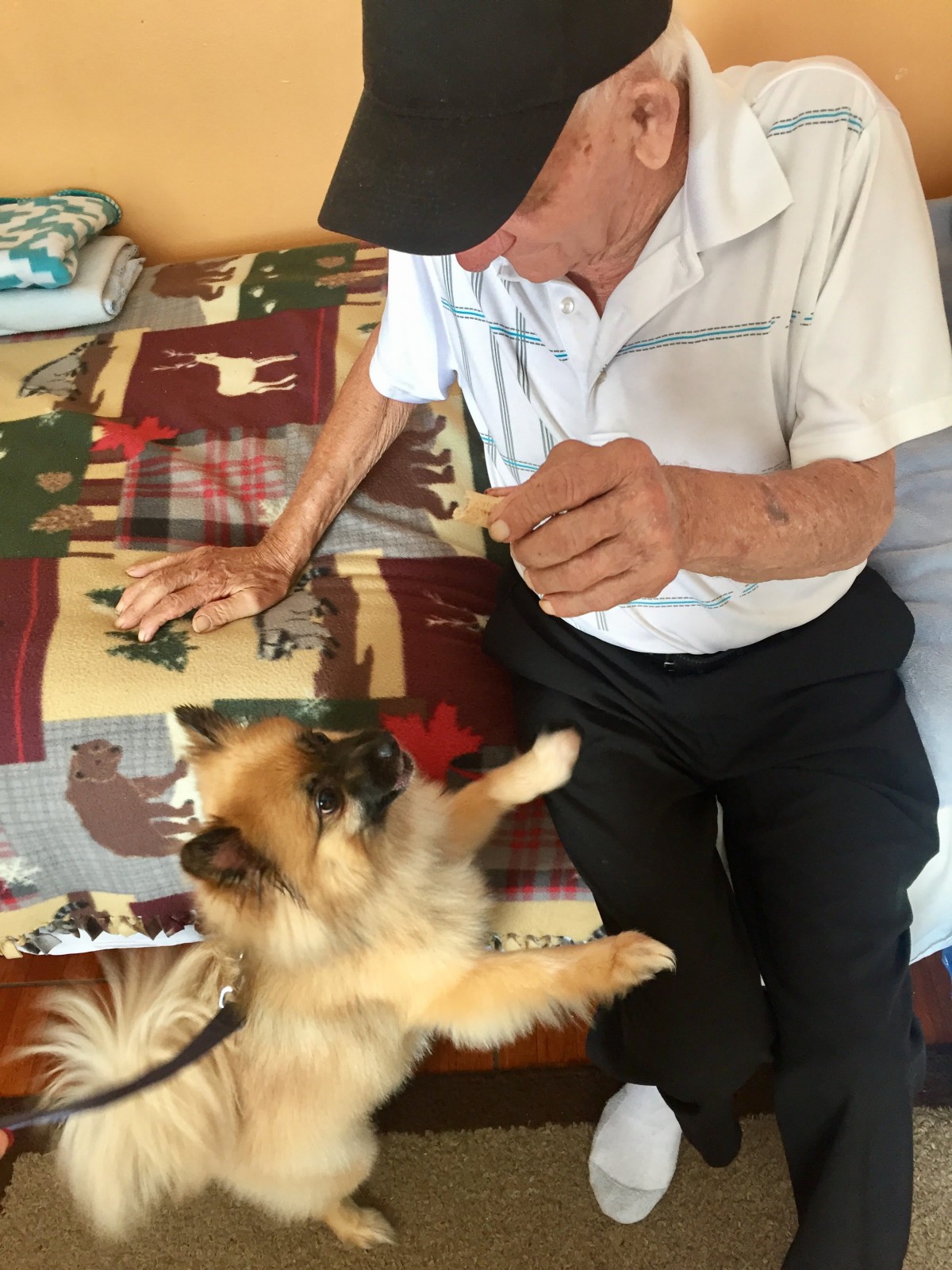
    An elderly man sitting on a couch, playing with a dog in a cozy home setting.
  • Outdoors

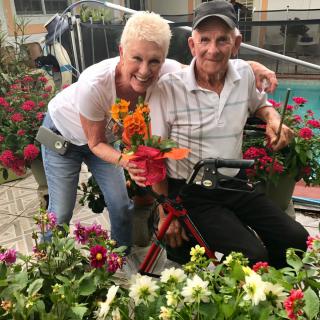
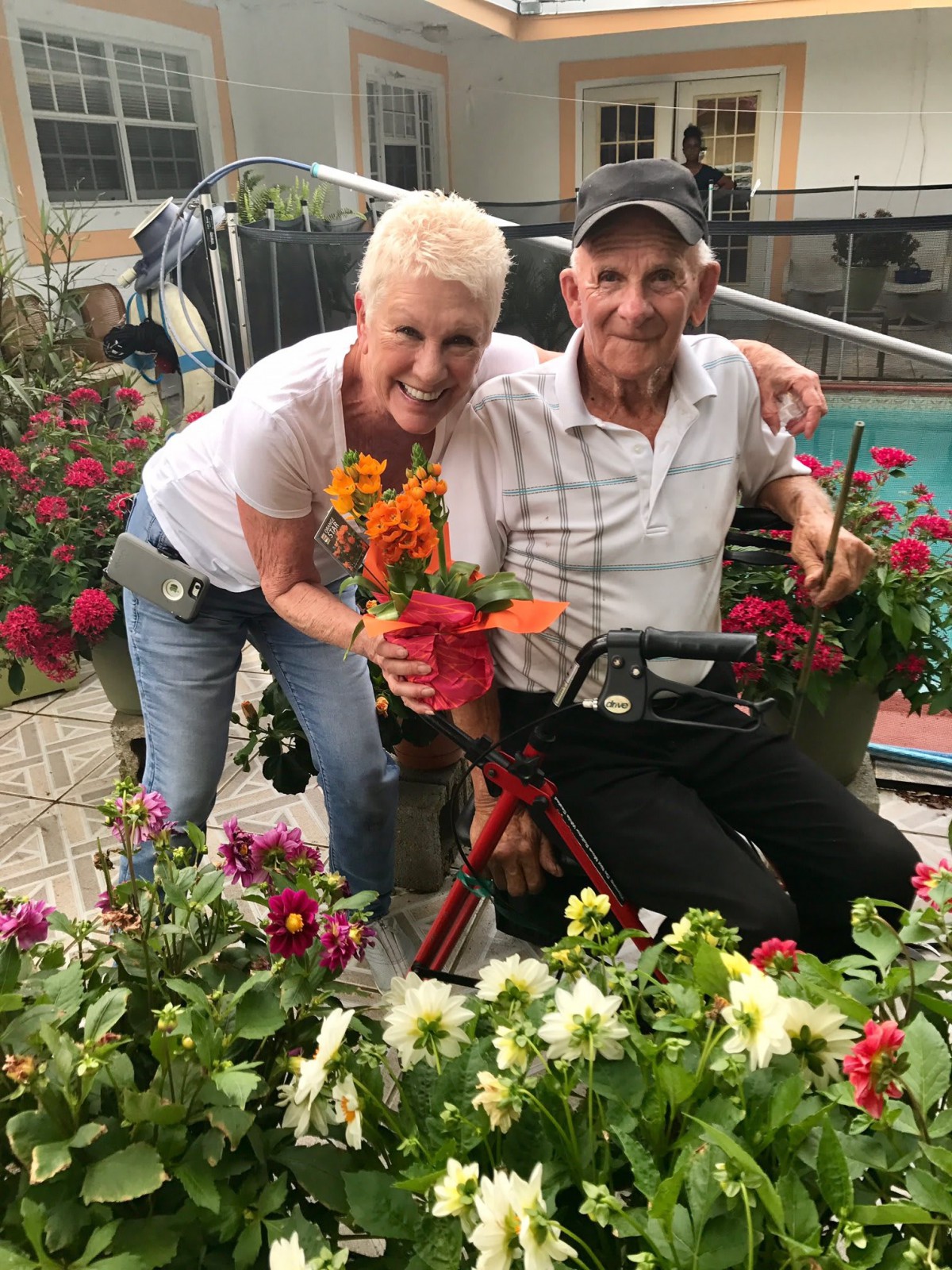
    A happy pair surrounded by vibrant flowers in a garden setting.
  • Bedroom

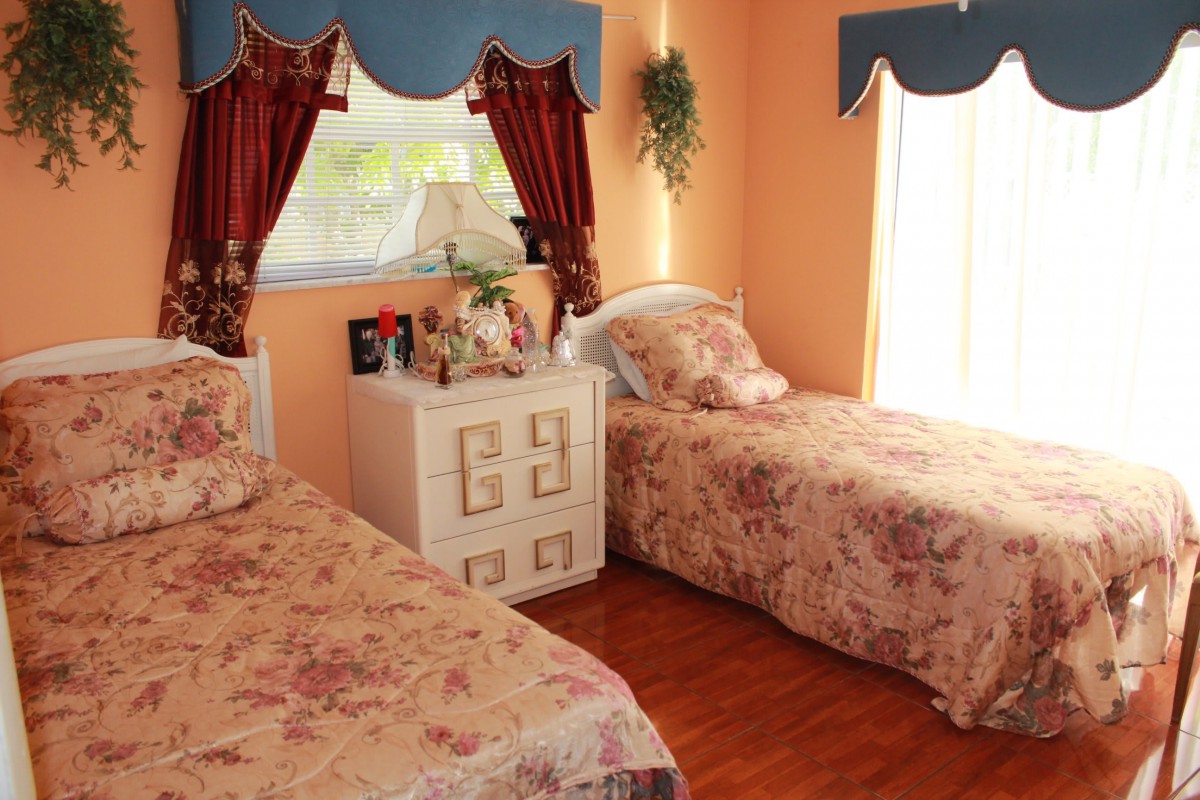
    A cozy bedroom with twin beds featuring floral bedding and traditional decor.
  • Landscaping

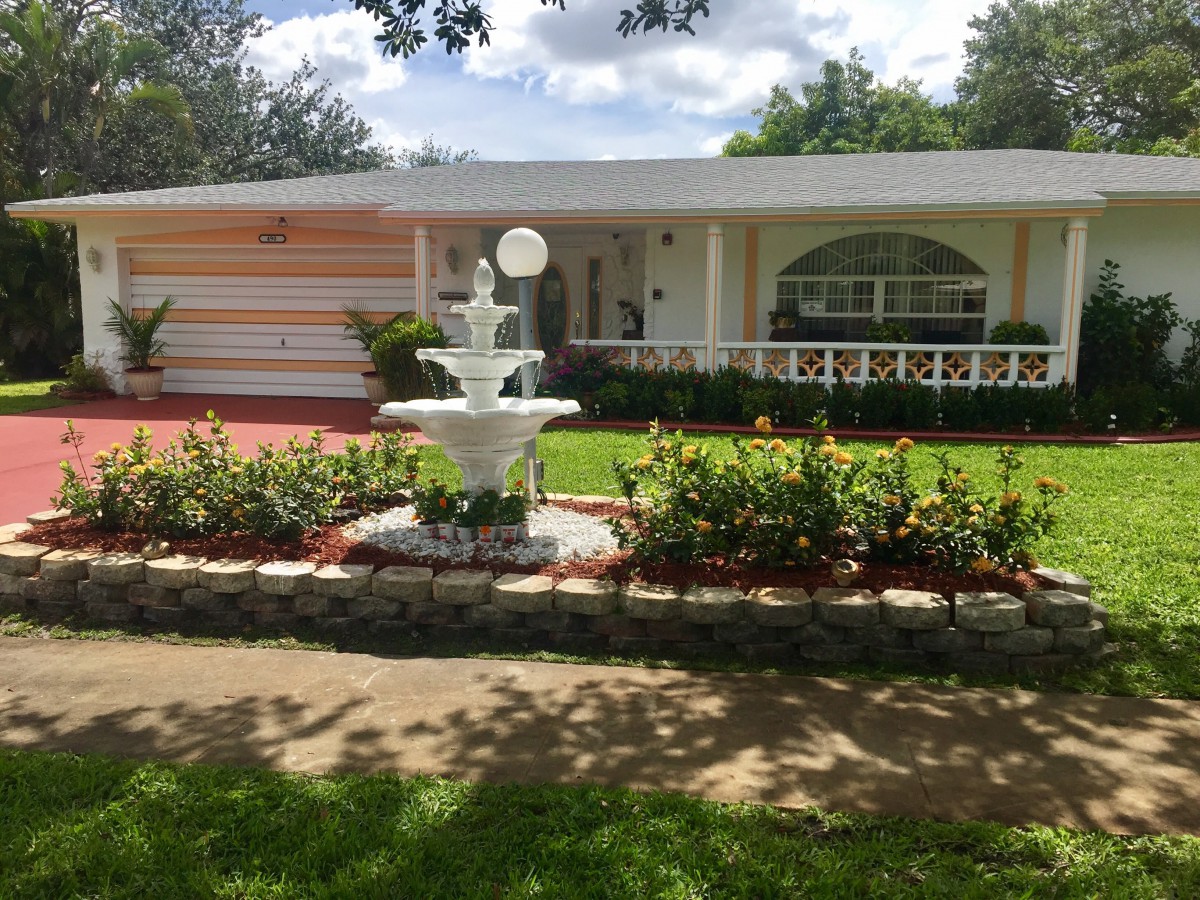
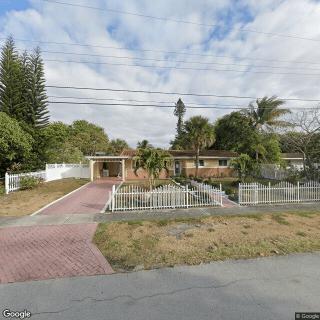
    A suburban house with a well-maintained lawn and a decorative fountain in the front yard.
  • Outdoor

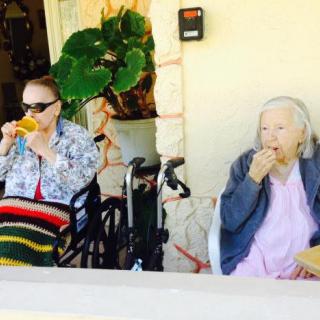
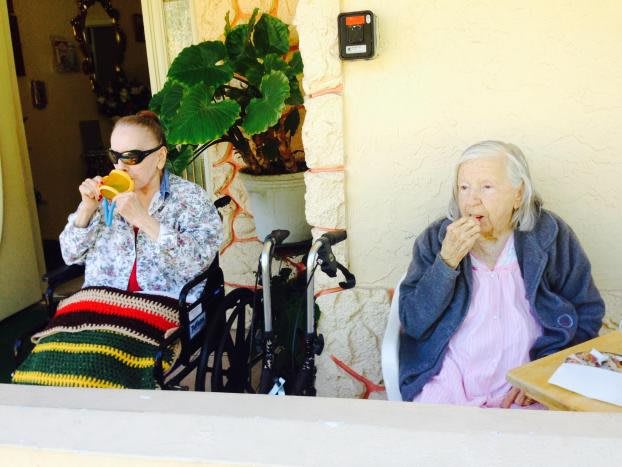
    Two elderly individuals enjoying a drink and a snack outdoors on a sunny day.
  • Daylight

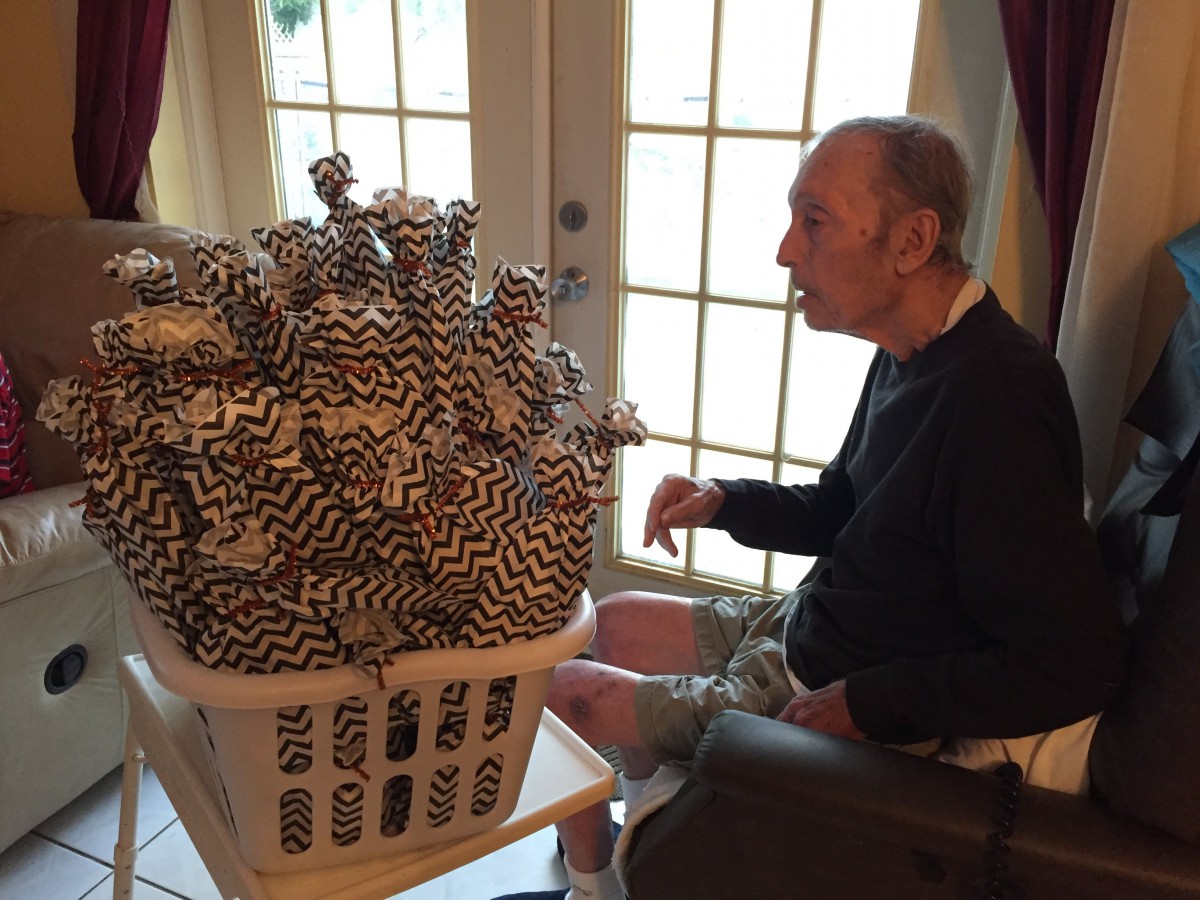
    A man sits indoors, looking at a basket filled with patterned items.

Kozy Kove Assisted Living Facility in Fort Lauderdale, FL

490 North West 45Th Ter, Fort Lauderdale, FL 33317

For more information about senior living options: (844) 490-3973

4.6 from 32 reviews
5 stars
27
4 stars
1
3 stars
1
2 stars
1
1 stars
2

Assisted Living Board and Care Home Day Program Memory Care Respite Care

Kozy Kove Assisted Living Facility Costs & Pricing

Kozy Kove Assisted Living Facility offers a range of accommodation options with pricing that reflects its commitment to quality care. For a semi-private room, residents can expect to pay $3,840 per month, which is significantly higher than the average costs in Broward County ($2,902) and the state of Florida ($3,009). Those opting for a one-bedroom unit will find the monthly fee set at $4,200, again surpassing county and state averages of $3,651 and $3,864 respectively. The facility's private rooms are available for $4,220 per month, slightly above both local and state benchmarks of $3,725 and $3,699. These figures suggest that while Kozy Kove may be on the pricier side compared to its surroundings, the enhanced services and amenities likely justify the premium for those seeking a supportive living environment.

Floor plansKozy Kove Assisted Living FacilityBroward CountyFlorida
Semi-Private$3,840$2,902$3,009
1 Bedroom$4,200$3,651$3,864
Private$4,220$3,725$3,699

What level of care are you interested in?

Assisted Living

Memory Care

Independent Living

Skilled Nursing Facility

Continuing Care Retirement Community (CCRC)CCRC

Other


Request a tour at Kozy Kove Assisted Living Facility

    Overall Review of Kozy Kove Assisted Living Facility

    Pros

    • pro Kozy Kove is described as a warm, home-like environment that is clean and well kept.
    • pro The owner, Ms. Harper, is portrayed as caring, accommodating, and detail-oriented, with staff who are attentive and compassionate.
    • pro Families feel supported and regularly updated about their loved ones, and they sense that residents are safe and well cared for.
    • pro Residents are described as happy, well fed, and well taken care of, with personalized, one-on-one attention.
    • pro The facility is consistently noted for being bright, welcoming, and exceptionally clean.
    • pro The staff and leadership are praised for going above and beyond, including thoughtful gestures like gifts and photos for residents and families.
    • pro Kozy Kove is highly recommended and regarded as one of the best in South Florida for assisted living, offering heartfelt, individualized care.
    • pro The reviews convey that choosing Kozy Kove provides peace of mind and a sense of security for families.

    Cons

    • pro The facility has no Spanish-speaking staff.
    • pro The price was described as very expensive and not impressive.
    • pro A resident was bored all day with no activities offered and staff were not attentive to her needs.
    • pro One reviewer simply said the facility is "No good."
    • pro Communication delays were noted, as the owner sometimes took a while to respond.
    • pro The loved one was not pleased with her stay at this community.

    Review

    Kozy Kove Assisted Living Facility in Fort Lauderdale is best suited for families seeking a small, home-like environment where care feels personalized and staff treat residents with familial warmth. It works especially well for seniors who don't need or want a large, impersonal campus and who benefit from a hands-on, owner-led operation. The house-style setting - with a handful of residents, typically six to seven - cultivates daily routines that feel predictable, intimate, and manageable, while still delivering attentive nursing and companionship.

    Those weighing alternatives should consider a few clear trade-offs. Families on tighter budgets or those prioritizing a broad, highly structured activity calendar may want to explore larger communities with more diverse programming and multilingual staffing. The reviews note a premium price point in exchange for the level of one-on-one attention, and a few families express concern about availability of Spanish-speaking staff or more expansive, scheduled activities. For siblings or spouses whose care needs include significant medical complexity, memory-care specialization, or a broader network of on-site specialists, a bigger facility might offer more comprehensive on-site services.

    The strongest pros are concrete and consistently echoed: an owner-led operation with deep care for residents, a warm, respectful atmosphere, and meticulous attention to cleanliness and daily well-being. Families repeatedly describe "the personal touch" and a staff that feels more like an extended family than a facility workforce. Residents appear well-cared-for, with daily routines that emphasize feeding, cleanliness, and companionship. The home's intimate scale often translates into rapid adjustments to changing needs, transparent communication with families, and visible pride in delivering courteous, attentive nursing and daily care. The notable absence of bed sores among residents, together with timely updates and habitually clean surroundings, reinforces the impression of proactive supervision and consistent quality.

    On the downside, the principal drawbacks tie back to size and scope. The boutique format naturally correlates with higher costs and a leaner staff roster, which can translate into slower back-and-forth communication at times and a less robust menu of organized activities for all days. Some reviewers point to a lack of multilingual staffing, with no Spanish-speaking caregivers on site, which can create friction for families preferring language concordance. A few comments mention periods of limited engagement or boredom for residents who crave more structured day programs, underscoring that this setting excels in personal attention more than in broad, facility-wide programming.

    Yet the benefits substantially offset these limitations for the right resident profile. The intimate, one-to-one care model means residents receive highly individualized attention - care plans feel tailored, and changes in health or mood are quickly reflected in day-to-day support. Family members gain confidence from frequent communication, often receiving updates and photos that preserve a sense of connection even when visits are infrequent. The home atmosphere reduces the sense of institutional detachment, which can ease anxiety for anxious elders and their families alike. For seniors who respond well to a familiar, almost-home routine, Kozy Kove delivers consistency, dignity, and a degree of autonomy that larger communities often struggle to maintain.

    In the end, Kozy Kove stands out in the South Florida market as a compelling choice for families prioritizing genuine warmth, cleanliness, and highly personalized, owner-driven care. It is a strong recommendation for a loved one who thrives on a home-like setting, where caregivers know names, preferences, and histories, and where daily life feels intimate rather than industrial. Those seeking a facility with abundant social programming, multilingual staff, or a lower price tag should consider alternatives and compare how those features align with the resident's priorities and medical needs. When touring Kozy Kove, focus on meeting the owner and senior staff, observe how staff interact with residents, and inquire about typical daily schedules, activity options, and how care plans adapt as health needs evolve. For families who value connection, trust, and the quiet assurance that comes with a small, carefully tended home, Kozy Kove is a sound, decision-forward investment.

    Features

    Housing

    • 6 resident community capacity 6 resident community capacity

    Types of Care

    • Assisted Living Assisted LivingAssisted living facilities provide crucial support and care for seniors who may need help with daily tasks such as medication management, bathing, and meal preparation. These communities offer a safe and comfortable environment where seniors can maintain their independence while receiving the assistance they need to thrive in their golden years.
    • Board and Care Home Board and Care HomeBoard and care homes provide a smaller, more intimate setting for seniors who require assistance with daily tasks but do not need the level of care offered by a nursing home. They offer personalized care, meals, and social activities in a homelike environment, ensuring that seniors receive individualized attention and support in their golden years.
    • Day Program Day ProgramDay programs are important for seniors because they provide a safe and supportive environment where older adults can socialize, engage in activities, receive assistance with daily tasks, and access valuable resources and services. These programs help prevent isolation and loneliness, promote mental and physical well-being, and offer a sense of purpose and community for seniors.
    • Memory Care Memory CareMemory care is crucial for seniors as it provides specialized support and services for individuals with dementia or Alzheimer's disease. These programs offer a safe and secure environment where residents receive personalized care, cognitive stimulation, and help with daily activities. Memory care helps seniors maintain their independence, quality of life, and dignity while also providing peace of mind for their families.
    • Respite Care Respite CareRespite care provides temporary relief for caregivers, allowing them to recharge and attend to their own needs. It also gives seniors the opportunity to socialize, receive professional care, and experience a change of scenery, promoting overall well-being and reducing feelings of isolation.

    Pets

    • Dogs allowed Dogs allowed"Pet friendly" senior living communities are important for seniors because pets provide companionship, reduce feelings of loneliness and depression, promote physical activity and mental stimulation, and offer a sense of purpose and responsibility. Pets can improve overall well-being and quality of life for seniors in many ways.

    Amenities

    • Activities off-site Activities off-siteEngaging in off-site activities is crucial for seniors to maintain social connections, stay active, and stimulate their minds. It promotes overall well-being and helps combat feelings of isolation and loneliness.
    • Activities on-site Activities on-siteActivities on-site are important for seniors because they provide opportunities for socialization, mental stimulation, physical activity, and overall well-being. Engaging in activities can help seniors stay active, maintain their independence, and improve their quality of life.
    • Air-conditioning Air-conditioningAir conditioning is important for seniors as they are more vulnerable to heat-related illnesses and may have underlying health conditions that make it difficult for them to regulate their body temperature. It helps to keep them comfortable, safe, and healthy in hot weather.
    • Bath tubs Bath tubsBath tubs are important for seniors because they provide a safe and relaxing way to bathe, helping to prevent slips and falls while promoting independence and overall well-being.
    • Cable or satellite TV Cable or satellite TVCable or satellite TV is important for seniors because it provides entertainment, news, and companionship, helping to combat loneliness and boredom. It also offers a wide range of programming options tailored to different interests and preferences.
    • Devotional services off-site Devotional services off-siteDevotional services off-site are important for seniors as they provide spiritual nourishment, social engagement, and a sense of community outside of the senior living facility. This can enhance overall well-being and help combat feelings of isolation and loneliness often experienced by older adults.
    • Devotional services on-site Devotional services on-siteDevotional services on-site provide seniors with spiritual support and a sense of community, as well as an opportunity for reflection and guidance during their senior living experience. This can promote emotional well-being and connection to others, leading to a more fulfilling and enriching lifestyle in their later years.
    • Dining room Dining roomDining rooms are important for seniors as they provide a space for socialization, connection, and nutritious meals. They offer opportunities for residents to bond over shared meals, foster a sense of community, and promote healthy eating habits. Dining rooms also ensure that seniors have access to well-balanced meals tailored to their dietary needs and preferences.
    • Full kitchen Full kitchenHaving a full kitchen in a senior living facility is important for seniors because it allows them to maintain their independence and prepare their own meals. This promotes healthy eating habits, saves money on dining out, and provides a sense of familiarity and comfort for residents.
    • Fully furnished Fully furnishedFully furnished senior living communities are important for seniors because they provide convenience, comfort, and a hassle-free moving experience. Seniors can easily settle into their new living space without the stress of having to buy and move furniture. This allows them to focus on enjoying their new home and community.
    • Garden GardenGardens are important for seniors as they provide a peaceful and therapeutic environment for relaxation, physical activity, and socialization. Being in nature has been shown to reduce stress, improve mood, and promote overall well-being. Gardens also offer opportunities for seniors to engage in gardening activities, which can improve mobility, flexibility, and cognitive function. Additionally, gardens create a sense of community and connection with others who share a passion for plants and outdoor spaces.
    • Ground floor units Ground floor unitsGround floor units are important for seniors because they provide easy accessibility, reduced risk of falls and injuries, and convenience for those with mobility issues. Seniors can avoid climbing stairs or using elevators, making daily tasks and activities more manageable and enjoyable.
    • Handicap accessible Handicap accessible"Handicap accessible" amenities are crucial for seniors to ensure they can easily navigate and access facilities, services, and activities without barriers or limitations due to physical impairments. This promotes independence, safety, and inclusivity for seniors in senior living communities.
    • Housekeeping services Housekeeping servicesHousekeeping services are important for seniors because they help maintain a clean and safe living environment, promote independence, and reduce the risk of accidents or illnesses. Additionally, having assistance with household chores can alleviate physical strain and allow seniors to focus on other aspects of their well-being.
    • Indoor common areas Indoor common areasIndoor common areas are crucial for seniors as they provide a space for socialization, recreation, and community engagement, promoting overall well-being and reducing feelings of isolation and loneliness.
    • Move-in coordination Move-in coordinationMove-in coordination is important for seniors because it helps ease the transition into their new living environment. It ensures that all logistics, such as packing, organizing movers, and setting up utilities are taken care of, allowing seniors to focus on settling in and adjusting to their new home. Having a smooth move-in process can alleviate stress and anxiety, making the transition smoother and more enjoyable for seniors.
    • Outdoor common areas Outdoor common areasOutdoor common areas are important for seniors as they provide a space for socialization, physical activity, and relaxation. Being outside in nature can improve mood and overall well-being, while also encouraging movement and engagement with others. These spaces can help combat feelings of isolation and promote a sense of community among residents.
    • Outdoor space Outdoor spaceOutdoor spaces are important for seniors as they provide opportunities for physical activity, social interaction, exposure to natural light and fresh air, and a sense of connection to nature. Having access to outdoor spaces can improve overall well-being and quality of life for older adults living in senior communities.
    • Private PrivatePrivacy is important for seniors as it allows them to maintain their independence, dignity, and sense of control over their own lives. It also gives them the space and freedom to relax, reflect, and engage in activities that bring them joy and fulfillment. Creating private spaces within senior living facilities is crucial for promoting overall well-being and quality of life.
    • Private bathrooms Private bathroomsPrivate bathrooms are important for seniors in senior living communities because they provide independence, dignity, and comfort. Having a private bathroom allows seniors to maintain their personal hygiene routines without the need for assistance, promoting a sense of autonomy and privacy. Additionally, private bathrooms help prevent the spread of infections and provide a safe and clean environment for seniors to navigate safely.
    • Respite or short term stays offered Respite or short term stays offeredRespite or short term stays provide seniors with a temporary solution when their regular caregiver is unavailable, offering them the opportunity to receive additional care and support during times of need, while also giving caregivers a chance to rest and recharge.
    • Swimming pool / hot tub Swimming pool / hot tubSwimming pools and hot tubs are important for seniors as they provide a safe and enjoyable way to stay active, improve mobility, reduce joint pain, and promote relaxation. Regular use of these amenities can contribute to overall well-being and quality of life for older adults living in senior communities.
    • Telephone TelephoneTelephones are important for seniors as they provide a lifeline for communication with loved ones, emergency services, and healthcare providers. They offer a sense of security and independence, enabling seniors to stay connected and access assistance when needed.
    • Wheelchair accessible showers Wheelchair accessible showersWheelchair accessible showers are crucial for seniors as they provide a safe and independent bathing option for those with mobility challenges. These showers help prevent falls and allow seniors to maintain their dignity and autonomy while ensuring they can bathe comfortably.
    • Wi-Fi/high-speed internet available Wi-Fi/high-speed internet availableWi-Fi/high-speed internet is important for seniors to stay connected with loved ones, access online resources, and participate in virtual activities to combat feelings of loneliness and isolation. It also allows them to easily manage healthcare needs, access entertainment, and engage in lifelong learning opportunities.

    Transportation

    • Fort Lauderdale-Hollywood International (5 miles away) Fort Lauderdale-Hollywood International (5 miles away)
    • Miami International (24 miles away) Miami International (24 miles away)

    Care Services

    • 24-hour supervision 24-hour supervision24-hour supervision is important for seniors to ensure their safety, well-being, and access to immediate assistance in case of emergencies or health issues. This constant support provides peace of mind for both seniors and their loved ones, allowing them to age in place with dignity and security.
    • Activities of daily living assistance Activities of daily living assistanceActivities of daily living assistance are important for seniors because they provide essential support with tasks such as eating, bathing, dressing, and mobility. This assistance helps seniors maintain their independence, dignity, and overall quality of life as they age.
    • Ambulatory care Ambulatory care"Ambulatory care services provide essential medical support and treatment to seniors without requiring hospitalization, allowing them to maintain their independence and quality of life while managing chronic conditions or receiving routine medical care."
    • Assistance with bathing Assistance with bathingAssistance with bathing is crucial for seniors as it helps maintain personal hygiene, prevents infections, and ensures their overall well-being and comfort. It also provides a sense of dignity and independence for seniors who may struggle with this task on their own.
    • Assistance with dressing Assistance with dressingAssistance with dressing is important for seniors because it helps maintain their independence, promotes personal hygiene, prevents accidents and injuries, and improves overall quality of life. This service ensures that seniors can continue to dress comfortably and confidently, despite any physical limitations they may have.
    • Assistance with transfers Assistance with transfersAssistance with transfers is crucial for seniors as it helps prevent falls and injuries, maintains their independence, and ensures they can safely navigate their living environment. It also provides peace of mind for both seniors and their loved ones.
    • Coordination with health care providers Coordination with health care providersCoordination with health care providers is crucial for seniors to ensure proper medical care, medication management, and overall well-being. This collaboration helps prevent overlapping treatments, track progress more effectively, and provide comprehensive support tailored to individual needs.
    • Diabetes diet Diabetes dietA diabetes diet is crucial for seniors as it helps manage blood sugar levels, reduce risks of complications, and improve overall health and well-being. By following a balanced and nutritious diet tailored to their specific needs, seniors can better control their diabetes and enhance their quality of life.
    • Diabetic care Diabetic careDiabetic care is crucial for seniors as they are more susceptible to developing diabetes due to aging and other health conditions. Proper management of diabetes can help prevent complications such as heart disease, vision loss, and nerve damage, improving the overall quality of life for seniors in senior living communities.
    • High acuity care High acuity careHigh acuity care is important for seniors because it provides specialized medical attention and support for individuals with complex medical needs. This level of care ensures that seniors receive the appropriate treatment and assistance to maintain their health and quality of life as they age.
    • Incontinence care Incontinence careIncontinence care is essential for seniors to maintain their dignity, hygiene, and overall quality of life. By addressing incontinence issues promptly and effectively, seniors can enjoy a sense of independence and comfort in their daily activities.
    • Meal preparation and service Meal preparation and serviceMeal preparation and service are crucial for seniors as they may have limited mobility or energy to cook nutritious meals. Having access to healthy and convenient food options can ensure they are getting the proper nutrition needed to maintain their overall health and well-being.
    • Medication management Medication managementMedication management is crucial for seniors to ensure they are taking the right medications at the correct dosages and times. This helps prevent adverse drug interactions, reduces the risk of medication errors, and promotes overall health and well-being. Proactive management also allows for adjustments as needed based on changing health conditions or new prescriptions.
    • Special dietary restrictions Special dietary restrictionsSpecial dietary restrictions are important for seniors because age-related changes in metabolism and health conditions can make it difficult for their bodies to process certain foods. By following a diet tailored to their specific needs, seniors can maintain their overall health and well-being, manage chronic conditions, and reduce the risk of complications such as malnutrition or food interactions with medications.
    • Transportation arrangement (medical) Transportation arrangement (medical)Transportation arrangements for medical purposes are essential for seniors as they may have difficulty driving themselves to appointments or accessing public transportation. Having reliable and safe transportation options ensures that seniors can receive timely medical care and maintain their health and well-being.
    • Transportation to doctors appointments Transportation to doctors appointmentsTransportation to doctors' appointments is crucial for seniors as it ensures they have access to necessary medical care and support for their health needs. Without reliable transportation, seniors may struggle to attend important appointments, leading to potential delays in treatment and health complications. Providing transportation services helps seniors maintain their overall well-being and quality of life.

    Dining

    • Diabetes diet Diabetes dietA diabetes diet is crucial for seniors as it helps manage blood sugar levels, reduce risks of complications, and improve overall health and well-being. By following a balanced and nutritious diet tailored to their specific needs, seniors can better control their diabetes and enhance their quality of life.
    • Kosher KosherKosher options are important for seniors because they adhere to dietary laws that are significant to many Jewish individuals, providing them with peace of mind and an opportunity to maintain their cultural traditions and beliefs while living in a senior living community.
    • Low / no sodium Low / no sodiumLow/no sodium options are important for seniors because excessive sodium intake can lead to high blood pressure, heart disease, and other health issues commonly experienced by older adults. By choosing low/no sodium foods, seniors can better manage their health and reduce their risk of developing these conditions.
    • Meals provided Meals provided"Meals provided" are crucial for seniors in assisted living communities as it ensures they have access to nutritious, balanced meals without the stress of meal planning and preparation. This can help promote overall health and well-being for seniors who may have limited mobility or cognitive abilities.
    • No Sugar No SugarNo sugar diets are important for seniors because they can help prevent or manage chronic conditions such as diabetes, heart disease, and obesity. Sugar can also contribute to cognitive decline and inflammation in the body, so reducing sugar intake can lead to overall improved health and well-being in older adults.
    • Special dietary restrictions Special dietary restrictionsSpecial dietary restrictions are important for seniors because age-related changes in metabolism and health conditions can make it difficult for their bodies to process certain foods. By following a diet tailored to their specific needs, seniors can maintain their overall health and well-being, manage chronic conditions, and reduce the risk of complications such as malnutrition or food interactions with medications.
    • Vegetarian VegetarianA vegetarian diet is important for seniors because it can help lower the risk of chronic diseases, maintain a healthy weight, and provide essential nutrients needed for aging bodies. Additionally, plant-based diets are often easier on digestive systems and can contribute to overall well-being in older adults.

    Activities

    • Activities off-site Activities off-siteEngaging in off-site activities is crucial for seniors to maintain social connections, stay active, and stimulate their minds. It promotes overall well-being and helps combat feelings of isolation and loneliness.
    • Activities on-site Activities on-siteActivities on-site are important for seniors because they provide opportunities for socialization, mental stimulation, physical activity, and overall well-being. Engaging in activities can help seniors stay active, maintain their independence, and improve their quality of life.
    • Birthday parties Birthday partiesBirthday parties are important for seniors as they provide an opportunity for celebration, socialization, and joy. They allow seniors to feel special and appreciated, boosting their mood and overall well-being. Additionally, birthday parties can help combat feelings of isolation and loneliness by fostering connections with friends, family, and community members.
    • Community-sponsored activities Community-sponsored activitiesCommunity-sponsored activities are important for seniors as they provide opportunities for social interaction, mental stimulation, and physical activity. These activities can help improve overall well-being, combat loneliness and isolation, and promote a sense of belonging and purpose among older adults.
    • Day trips and outings Day trips and outingsDay trips and outings are important for seniors as they provide opportunities for socialization, mental stimulation, physical activity, and a break from daily routines. These experiences can enhance overall well-being and quality of life for older adults living in senior communities.
    • Devotional activities offsite Devotional activities offsiteDevotional activities offsite are important for seniors because they provide social engagement, spiritual growth, and a sense of community outside of their living environment. This can improve overall well-being, mental health, and combat feelings of isolation or loneliness.
    • Devotional activities on-site Devotional activities on-siteDevotional activities on-site provide seniors with a sense of community, spiritual fulfillment, and emotional support, promoting overall well-being and a positive sense of purpose in their lives.
    • Gardening club Gardening clubGardening clubs are important for seniors because they provide a sense of community, promote physical activity and mental well-being, and offer opportunities for socialization and connection with nature. Gardening can also improve cognitive function and overall quality of life for seniors.
    • Holiday parties Holiday partiesHoliday parties are important for seniors because they provide opportunities for socialization, community involvement, and mental stimulation. These festive events offer a sense of belonging and connection during a time that can be lonely for many older adults. Additionally, participating in holiday celebrations can boost mood and overall well-being for seniors living in senior living communities.
    • Live musical performances Live musical performancesLive musical performances can provide seniors with a sense of joy, nostalgia, and connection. Music has the power to evoke emotions and memories, improve mood and cognitive function, and foster social interaction among seniors. It can also serve as a form of therapy and stress relief for older adults, making it an important activity to include in senior living communities.
    • Scheduled daily activities Scheduled daily activitiesScheduled daily activities are important for seniors because they provide structure, socialization, mental stimulation, and physical activity. Engaging in regular activities can improve overall well-being and quality of life for seniors living in a community setting.
    • Trivia games Trivia gamesTrivia games are important for seniors because they provide mental stimulation, social interaction, and a fun way to keep the mind sharp. They can help improve memory, cognitive function, and overall well-being in older adults.
    • Visiting chaplain or priest Visiting chaplain or priestHaving a visiting chaplain or priest at a senior living community is important for seniors because it provides spiritual support, comfort, and guidance during a time of life that can be challenging and uncertain. Their presence can help seniors feel connected to their faith, find peace of mind, and cope with the emotional and mental struggles they may face in their later years.

    Description

    Kozy Kove Assisted Living Facility in Fort Lauderdale, FL offers a wide range of care services and amenities to cater to the needs of its residents. With a focus on providing high-quality care in a comfortable and nurturing environment, this facility is perfect for seniors seeking assistance with daily activities and specialized care.

    The types of care offered at Kozy Kove include board and care home, day program, memory care, and respite care. Residents can choose the level of care that suits their individual needs best. The facility boasts numerous amenities to enhance the quality of life for its residents. These include air-conditioning, fully furnished accommodations with private bathrooms, cable or satellite TV, and Wi-Fi/high-speed internet access.

    To promote social engagement and well-being, Kozy Kove provides a variety of on-site activities such as holiday parties, live musical performances, trivia games, devotional activities, gardening club, and scheduled daily activities. The community also organizes day trips and outings to explore the surrounding area.

    Dining at Kozy Kove is designed to cater to different dietary preferences and restrictions. Options include kosher meals, low/no sodium options, diabetic-friendly diets, vegetarian choices, and special dietary restrictions. Meals are provided within a dining room setting where residents can enjoy delicious food prepared by skilled staff.

    Residents can take advantage of numerous nearby amenities including cafes, parks, pharmacies, physicians' offices, restaurants, transportation services for medical appointments as well as hospitals. This ensures easy access to essential services for both residents and their families.

    With attentive staff available round-the-clock to provide assistance with daily living activities such as bathing and dressing along with medication management support when needed. Kozy Kove also coordinates with healthcare providers to facilitate seamless communication between residents' medical team.

    Overall, Kozy Kove Assisted Living Facility offers a warm and inviting environment where seniors can receive personalized care while enjoying a vibrant community atmosphere full of engaging activities and amenities.

    Nearby Places of Interest

    This part of Fort Lauderdale, Florida offers a diverse range of healthcare services, including imaging centers, cancer treatment facilities, and medical clinics. There are several pharmacies in close proximity as well, making it convenient for residents to access medication and healthcare supplies. The area also boasts several parks where seniors can enjoy outdoor activities and stay active. In terms of dining options, there are various restaurants offering different cuisines to suit different tastes. For those who require hospital care, there are nearby hospitals providing quality medical services. Additionally, the presence of cafes and transportation options like the Brightline train and the airport make it easy for seniors to socialize and travel if needed.

    Physicians

    • Pom MRI and Imaging Center (0.6 miles)
    • Arnoldo Ghitis, MD (3.2 miles)
    • Miami Cancer Institute | Plantation (3.6 miles)
    • Care Resource (4.3 miles)
    • Midland Medical Center (5.7 miles)

    Pharmacies

    • Walgreens (0.7 miles)
    • CVS Pharmacy (1.9 miles)
    • Walgreens (2.5 miles)
    • Walgreens (2.8 miles)
    • CVS Pharmacy (3.2 miles)
    • Walgreens (3.2 miles)
    • CVS Pharmacy (3.3 miles)

    Parks

    • Central Broward Regional Park (1.1 miles)
    • Royal Palm Park (4 miles)
    • Holiday Park (4.5 miles)
    • Deicke Park (5.2 miles)
    • George English Park (5.8 miles)
    • Topeekeegee Yugnee Park (6.4 miles)
    • Fort Lauderdale Beach Park (6.5 miles)

    Restaurants

    • Subway (2.2 miles)
    • Chick-Fil-A (3.4 miles)
    • YOT Bar & Kitchen (3.4 miles)
    • Chipotle Mexican Grill (3.5 miles)
    • Taco Bell (3.5 miles)
    • Boathouse at the Riverside (4.6 miles)
    • Matty's (4.7 miles)

    Hospitals

    • UM/Sylvester Clinics At Plantation (3.2 miles)
    • University Hospital And Medical Center (6.4 miles)

    Cafes

    • Habibi Hookah Lounge (3.7 miles)
    • Starbucks (6.2 miles)
    • Starbucks (6.4 miles)

    Transportation

    • Brightline (3.9 miles)
    • JetBlue Airways Terminal (5.5 miles)
    • TSA Security Checkpoint (5.5 miles)
    • Terminal 3 (5.5 miles)
    • Concourse F (5.6 miles)
    • Fort Lauderdale-Hollywood International Airport (FLL) (5.6 miles)
    • Fort Lauderdale Airport- Arrivals Pickup (5.6 miles)

    Frequently Asked Questions

    How much does it cost to live at Kozy Kove Assisted Living Facility in Fort Lauderdale, FL?
    Where is Kozy Kove Assisted Living Facility?
    Does Kozy Kove Assisted Living Facility provide care for residents with dementia or Alzheimer's disease?
    Does Kozy Kove Assisted Living Facility allow residents to have pets?
    What photos are available for Kozy Kove Assisted Living Facility in Fort Lauderdale, Florida?

    Nearby Communities

    • Plantation Nursing and Rehabilitation Center

      Plantation Nursing and Rehabilitation Center

      Plantation, FL

      3.6 from 110 reviews
       

      pro Effective physical therapy and generally caring staff.

    • Plantation Senior Living

      Plantation Senior Living

      Plantation, FL

      4.8 from 22 reviews
      $2,500 to $3,000 / month

      pro Competitive rates (semi-private $2,500; private $3,000) with on-site activities and devotional services.

    • Flamingo Assisted Living

      Flamingo Assisted Living

      Plantation, FL

      4.8 from 23 reviews
      $2,700 to $4,500 / month

      pro Clean, caring bilingual staff in a small, home-like setting.

    • Wellness Living In Plantation

      Wellness Living In Plantation

      Plantation, FL


      pro Chef-prepared meals and comprehensive care in a cozy, homelike setting.

    • Melrose Manor Inc

      Melrose Manor Inc

      Fort Lauderdale, FL


      pro Convenient location with access to parks, pharmacies, physicians, restaurants, and transit.

    • Adams Retirement Home

      Adams Retirement Home

      Fort Lauderdale, FL


      pro Intimate, homelike setting with 24-hour support and comprehensive care.

    • Broward Nursing and Rehabilitation Center

      Broward Nursing and Rehabilitation Center

      Fort Lauderdale, FL

      3.7 from 133 reviews
       

      pro Caring staff with strong rehabilitation services and generally clean surroundings.

    • Oasis Living Quarters

      Oasis Living Quarters

      Fort Lauderdale, FL

      3.9 from 150 reviews
      $3,195 to $5,295 / month

      pro Friendly staff across dining, cleaning, activities, and maintenance; clean, recently renovated apartments with engaging activities.

    • Villa Rio Vista

      Villa Rio Vista

      Fort Lauderdale, FL

      4.7 from 69 reviews
      $3,000 to $3,750 / month

      pro Attentive, compassionate staff in a clean, secure, resort-like setting with engaging activities and home-cooked meals.

    Related Resources

    • reminiscence therapyAn In-Depth Look at Reminiscence Therapy in Dementia Care

      Reminiscence therapy is a structured method for older adults, especially those with dementia, to share life stories using prompts and sensory cues, fostering emotional well-being, social engagement, and self-identity. It aims to improve quality of life by enhancing interpersonal connections and cognitive stimulation while requiring careful facilitation to avoid distressing memories.

    • dementia hallucinationsDementia-Related Hallucinations: Causes, Experiences, and Practical Approaches

      Dementia, particularly Lewy body dementia, often involves hallucinations that can significantly distress both patients and caregivers due to disruptions in sensory processing and neurotransmitter imbalances. Effective management includes compassionate communication, environmental adjustments, and a multidisciplinary approach to care while addressing the emotional needs of caregivers.

    • alzheimer's factsIlluminating Insights About Alzheimer's Disease: Ten Crucial Realities

      Alzheimer’s disease is a progressive neurological disorder that significantly impacts memory and cognitive functions, accounting for 60-80% of dementia cases, with early diagnosis being crucial yet challenging. It involves brain changes like beta-amyloid plaques and tau tangles, influenced by genetic and lifestyle factors, and while there is no cure, symptom management and support for caregivers are essential.


    Get Pricing Ask A Question Schedule A Tour Contact Senior Advisor