
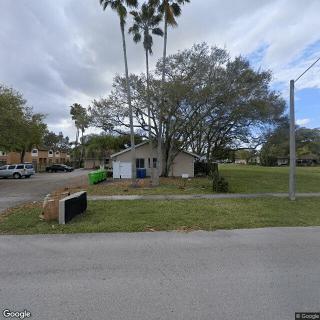
221 North West 49Th Avenue, Plantation, FL 33317
For more information about senior living options: (866) 208-4318
Overall Review of Wellness Living In Plantation
Pros
 The family found great comfort during the mother's stay due to the loving care from the aides and Julia Grant, the administrator.
- Julia Grant and her staff consistently provided loving care from the first day through the final day and beyond.
- Julia Grant attended the funeral, delivered a beautiful, touching eulogy, and brought a generous fruit plate and cakes to the house of mourning.
- The mother always smiled when she encountered Julia, reflecting Julia's beauty, grace, and loving manner.
- The family felt reassured that their mother was in the best of hands and care under Julia Grant's leadership.
Cons
 None detected.
Review
Wellness Living in Plantation is best suited for families that prize deeply personal, relationship-driven care and long-term, stable placement for an older adult navigating dementia. The standout strength is the leadership and bedside warmth demonstrated by the administrator, Julia Grant, and the well-attuned aides who support residents daily. The stories in the community’s orbit center on genuine, ongoing connection: a resident’s life is treated with continuity, not as a checklist, and staff members become familiar, trusted figures for both residents and their families. The most powerful indicator is the family’s experience around a difficult time, the administrator’s sustained presence, a compassionate funeral acknowledgment, and tangible gestures of support, suggesting a culture built on dignity, empathy, and consistent, hands-on care.
That said, there are clear reasons families should consider alternatives depending on the elder’s needs and expectations. For seniors who require a higher level of medical oversight, complex wound care, or a defined memory-care program with formal metrics and protocols, wellness living might not deliver every elemento of care plan confidence. The reviews do not spell out memory-care specialization in a way that answers questions about nurse staffing levels, on-site medical supervision, or structured cognitive-stimulation activities. Prospective residents should probe whether the facility’s dementia care capabilities align with the level of medical acuity their loved one requires, and whether current programs are equipped to adapt as needs evolve.
On the upside, the key pros translate into meaningful benefits that can offset typical care-giving anxieties. The friendly, attentive aides create an environment where residents feel seen and safe, a crucial offset to the isolation many seniors fear. The administrator’s visible presence and willingness to engage personally with families, attending meaningful milestones and offering practical acts of kindness, signal a management team that treats caregiving as a vocation rather than a transactional service. The resulting sense of stability matters: a nearly two-year stay for a resident with dementia signals that the setting is capable of maintaining consistency through the daily rhythms of memory-challenging aging. A 4.7 rating across a small but positive sample supports the impression that families experience dependable, heartfelt care.
Nevertheless, the most important caveat centers on transparency around programs and capabilities that matter to memory-care decision-makers. The positives hinge on compassionate care and leadership, yet the absence of explicit information about staffing ratios, medical on-call availability, and a clearly delineated memory-care curriculum makes it essential to verify these elements during a visit. Families should request a detailed care plan template, ask for examples of how cognitive goals are set and revisited, and determine how frequently care plans are updated in collaboration with families. Without that clarity, the strength of personal interactions may outpace the facility’s ability to scale care as clinical needs intensify.
In practice, the best use of this community’s strengths is to couple a visit with direct conversations about expectations and contingencies. Prospective residents should ask about daily schedules, dining options, and activity calendars to ensure engagement levels align with a loved one’s interests and capabilities. In addition, verify emergency protocols, transportation arrangements for appointments, and the availability of rehabilitation or therapy services on-site or nearby. The success of a placement here hinges on a clear, documented alignment between family goals and staff capabilities, with particular attention paid to dementia-specific strategies and how the team adapts to unpredictable days.
The bottom-line takeaway is practical and decisive: Wellness Living in Plantation excels for families prioritizing warmth, continuity, and leadership-driven care delivered by genuinely caring staff. It is a particularly strong fit when the elder’s preference is for consistent, relationship-focused support where the administrator’s thoughtful involvement, paired with attentive aides, often translates into meaningful daily comfort and dignity. However, for those whose decision hinges on explicit, high-acuity medical supervision or a proven, rigorous memory-care program with formalized cognitive protocols, alternatives that offer stronger medical oversight and more transparent dementia programming warrant serious consideration. The right fit will be clear after direct conversations with the team and careful review of care plans, staffing details, and the facility’s capacity to scale care as needs evolve.
 6 resident community capacity
 Assisted Living
 Cable or satellite TV
 Dining room
 Fully furnished
 Garden
 Housekeeping services
 Move-in coordination
 Outdoor space
 Telephone
 Wi-Fi/high-speed internet available
 Fort Lauderdale-Hollywood International (5 miles away)
 24-hour supervision
 Activities of daily living assistance
 Assistance with bathing
 Assistance with dressing
 Assistance with transfers
 Diabetes diet
 Meal preparation and service
 Medication management
 Special dietary restrictions
 Transportation arrangement (medical)
 Transportation to doctors appointments




 A Detailed Exploration of Assisted Living Medicaid Waivers Across the United States
 Comprehensive Residential Support and Assisted Living Solutions for Individuals with Disabilities
 Comprehensive Supportive Living Arrangements for Adults with Disabilities