
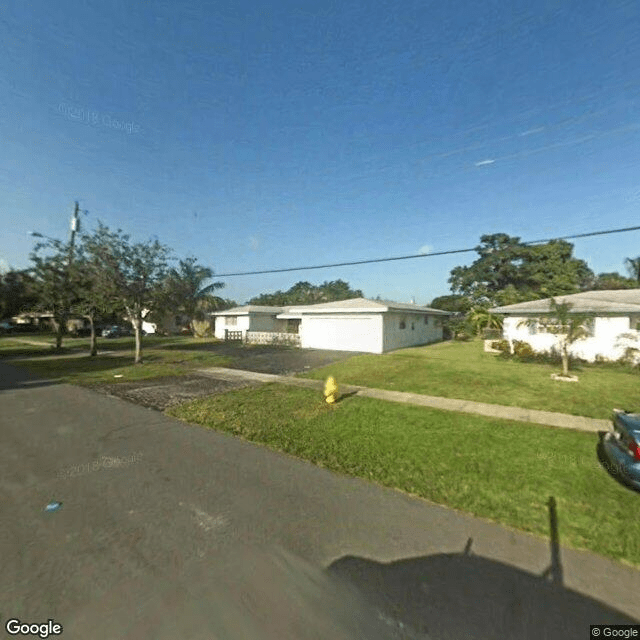
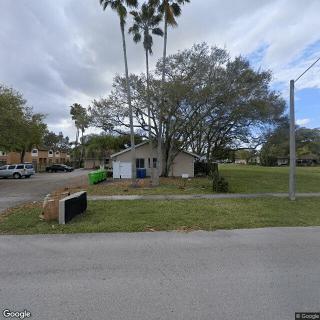
441 SW 55th Terrace, Plantation, FL 33317
To contact a resident: (754) 200-8213
For more information about senior living options: (866) 208-4318
Joy Peace & Love ALF, LLC Costs & Pricing
Joy Peace & Love ALF, LLC offers competitive pricing for its residential care services, particularly when compared to the broader market in Broward County and the state of Florida. For semi-private accommodations, Joy Peace & Love is priced at $2,400 per month, significantly lower than the county average of $2,902 and the state average of $3,009. Additionally, their private room rates are also favorable; at $3,300 per month, they undercut both Broward County's average of $3,725 and the state average of $3,699. This positions Joy Peace & Love ALF as a cost-effective choice for families seeking quality assisted living options without compromising on care or amenities.
| Floor plans | Joy Peace & Love ALF, LLC | Broward County | Florida |
|---|---|---|---|
| Semi-Private | $2,400 | $2,902 | $3,009 |
| Private | $3,300 | $3,725 | $3,699 |
Senior living communities with a similar price nearby
-
About the same
Ana's Assisted Living Facility
$2,400 / month7.4 miles away -
from -$400 / mo
Buddy's Place
$2,000 / month20.7 miles away -
from +$400 / mo

BrightStar Care of Coral Gables
$2,800 to $3,200 / month25.0 miles away -
from +$100 / mo
Anne Adult Family Care Home
$2,500 / month3.7 miles away -
from -$400 / mo
Care and Love Retirement Home
$2,000 to $2,500 / month19.1 miles away
Overall Review of Joy Peace & Love ALF, LLC
Pros
 The staff at Jacob’s Tender Loving Care are consistently attentive to residents.
- The on-site owners and staff understand the needs and stages of aging loved ones.
- The staff are always helpful and communicative with residents.
- The facility is exceptionally clean and the meals are outstanding.
- Residents are well cared for, well fed, and engaged in activities.
- The smaller facility provides a more interactive and sincere environment.
- The facility feels like a home rather than an institution.
- The family-owned operation feels like a true family home with genuine care.
- The care at Jacob’s Tender Loving Care is tender, loving, and personalized.
- They go beyond the essentials, providing thoughtful touches and helping residents stay connected with friends and family.
- They organize special events and celebrations for residents.
- The facility is highly recommended by families seeking assisted living.
Review
This Plantation, Florida community described in these accounts is clearly best suited for families seeking an intimate, home-like assisted living where residents receive exceptionally high-touch, personalized care. It thrives where owners are on-site and the caregiving team is consistently present, creating a culture of warmth, attentiveness, and genuine concern. Residents appear to benefit from a small, interactive environment, where staff know them by name, meals are thoughtfully prepared, and daily routines feel predictable, meaningful, and dignified. For families prioritizing continuity of relationships, visible kindness, and a living-room atmosphere over a clinical campus, this model stands out as a top-tier option.
Those who may want to consider alternatives are primarily individuals or families facing higher acuity needs or seeking a larger, more resource-diverse setting. If a resident requires concerted, on-site skilled nursing, extensive rehabilitation, memory-care specialization, or a broader slate of therapies and amenities typically found on bigger campuses, other communities may deliver a more comprehensive medical ecosystem. Likewise, families who prefer a more institutional staff structure, formalized clinical oversight, or guaranteed access to a wider network of specialists may find larger operators more reassuring. In short, for anyone prioritizing a boutique, home-forward experience, the featured model is ideal; for those weighing heavy medical or highly specialized programming, diversification of options is prudent.
The core strengths here are hard to dispute and align to a practical, proven value proposition. The reviews repeatedly highlight constant attentiveness and hands-on involvement from both owners and staff, which translates into rapid responsiveness and a sense of safety for residents and families alike. Cleanliness and food quality are consistently praised, underscoring a disciplined standard of daily living that reinforces dignity and comfort. The facility’s small size emerges as a decisive advantage: residents enjoy more personal interactions, meaningful activities, and a feeling of belonging, rather than the layered anonymity that can accompany larger campuses. The narrative also stresses an authentically home-like vibe, staff who celebrate birthdays, organize gatherings, and attend to grooming and dressing, creating a lived-in warmth that routinely lifts the mood and confidence of residents.
Another cluster of strengths centers on meaningful, unscripted moments that make daily life look and feel right. Staff are described as caring and affectionate, with examples of individualized touches that matter, help with a beloved hairdo, facilitated communication with old friends, and celebratory events. The ability for families to visit unannounced and observe the real-time caregiving rhythm adds a reassuring transparency: there is no sense of bureaucracy masking genuine care. The emphasis on mobility, outdoor spaces, and activities that keep residents engaged helps sustain independence for longer and reinforces the perception of a safe, non-institutional home. These experiential positives, tasteful meals, respectful grooming, and consistent social contact, offset the absence of grand medical or rehab offerings by delivering a compelling, relationship-driven quality of life.
That said, the available data do not foreground any significant downsides. The absence of reported cons in the reviews is itself informative, but a prudent decision-maker will still weigh practical considerations. The intimate setting, while a strength, can naturally limit the diversity of activities and the scope of on-site medical services. For families planning long-term trajectories where medical acuity might rise, or where dementia- or Parkinson’s-specific programming is essential, it remains important to confirm if the facility can adapt or coordinate seamlessly with external providers. Also worth confirming are respite availability, waitlists, and pricing transparency, given the family-owned model often operates with individualized arrangements. Proactive diligence in these areas ensures expectations stay aligned with reality as needs evolve.
Final guidance is straightforward. For families who prize a true home environment, unwavering personal attention, and a caregiving team that treats residents like family, this Plantation model emerges as an excellent, high-confidence choice. It delivers tangible daily benefits, cleanliness, meals, affectionate staff, and a participatory, celebratory culture, that consistently translate into peace of mind for families and comfort for residents. Perform a focused on-site visit with attention to staff interactions, resident routines, and meal service; request specifics about medical oversight, emergency protocols, and any specialized care options; and verify access to family involvement, transport, and alignment with long-term care plans. If the priority shifts toward more extensive clinical infrastructure, larger community life, or specialized memory-care services, it is wise to compare with alternatives that foreground those capabilities. Otherwise, the reviewed model stands out as a practical, profoundly people-centered choice for many families navigating assisted living decisions.
 Board and Care Home
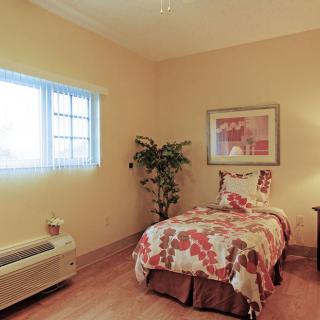
 Air-conditioning
 Bath tubs
 Cable or satellite TV
 Full kitchen
 Private
 Wi-Fi/high-speed internet available
 Fort Lauderdale-Hollywood International (5 miles away)
 Ambulatory care
 Diabetic care
 Incontinence care
 Medication management
 Gluten-free
 Art classes
 BBQs or picnics
 Birthday parties
 Community service programs
 Day trips and outings
 Karaoke
 Live dance or theater performances
 Live well programs

 8 Essential Assistive Devices for Older Adults
 Navigating the Financial Road to Nursing Home Care: In-Depth Guidance and Resources
 Supportive Employee Benefits That Help Caregivers Attain Better Work-Life Harmony