For more information about senior living options: (866) 208-4318
3.6 from 150 reviews
5 stars
76
4 stars
22
3 stars
5
2 stars
5
1 stars
42
Overall Review of Broward Nursing and Rehabilitation Center
common2 reviews mention this
Skilled staff dining for diets
Dining support for special diets shows up in resident experiences.
Several reviews mention that dietary needs were taken seriously, including making sure the kitchen met a resident’s requirements. One reviewer specifically praised a kitchen manager for helping with diet needs, and another said meals consistently followed their family member’s dietary restrictions. The community also offers meals designed for diabetes and other special dietary restrictions.
common2 reviews mention this
Restaurant-style dining gets praise
Restaurant-style dining is a recurring positive in reviews.
A couple of reviews highlight the dining room experience and describe the food as restaurant-style. One reviewer said the dining room was enjoyable, and another emphasized that the food was restaurant style and made them hesitant to leave. The community offers restaurant-style dining, along with meals and diet options intended for specific needs.
caveat3 reviews mention this
Night response delays frustrate families
Some reviews describe long waits for help at night.
While many reviews are positive about staff attention, a few are sharply critical about nighttime response. One reviewer said they had to wait 30 minutes or more when using the call bell, and another described being unable to get service even after ringing for about an hour and a half. A separate review also claims the call button was not working properly at least at one point.
caveat5 reviews mention this
Bugs and roaches undermine cleanliness
Multiple reviews report seeing pests in rooms.
Some reviews raise concerns about pests in the facility, including roaches and bugs. One reviewer mentioned roaches in a room, and another described a roach crawling out of a cooler used to get water. There are also multiple reviews describing bugs crawling on a bed post, which collectively makes the cleanliness issue hard to ignore.
common4 reviews mention this
Therapy support stands out
Rehabilitation therapy receives consistent praise across reviews.
Several reviews specifically credit the therapy team with helping residents improve. One reviewer said occupational and physical therapy staff were outstanding, and another highlighted that PT/OT were provided in the room and helped with mobility. Other comments describe therapists as knowledgeable and supportive, and at least one reviewer credited physical therapy staff for friendly, helpful support. The community offers therapy-focused care as part of its skilled nursing services.
How we summarize
Counts show how many written reviews mention each theme; a review can touch several themes, and only frequently mentioned themes are displayed.
Features
Housing
198 resident community capacity
Types of Care
Skilled Nursing Facility
Amenities
Activities on-site
Air-conditioning
Beauty salon
Cable or satellite TV
Computer center
Dining room
Fitness room
Fully furnished
Gaming room
Garden
Housekeeping services
Indoor common areas
Kitchenette
Move-in coordination
Outdoor common areas
Outdoor space
Private bathrooms
Restaurant-style dining
Small library
Telephone
Wellness center
Wi-Fi/high-speed internet available
Transportation
Fort Lauderdale-Hollywood International (2 miles away)
Miami International (23 miles away)
Community operated transportation
Transportation arrangement
Transportation arrangement (non-medical)
Transportation to doctors appointments
Care Services
12-16 hour nursing
24-hour call system
24-hour supervision
Activities of daily living assistance
Assistance with bathing
Assistance with dressing
Assistance with transfers
Diabetes diet
Meal preparation and service
Medication management
Mental wellness program
Special dietary restrictions
Dining
Diabetes diet
Meals provided
Special dietary restrictions
Activities
Activities on-site
Community-sponsored activities
Concierge services
Fitness programs
Planned day trips
Resident-run activities
Scheduled daily activities
Nearby Places of Interest
This part of Fort Lauderdale, Florida, offers a variety of amenities and services that cater to seniors looking for convenience and comfort. With multiple pharmacies such as Walgreens and CVS nearby, accessing prescriptions and medical supplies is easily accessible. There are also several dining options like Boathouse at the Riverside and Luigi's Coal Oven Pizza for enjoyable meals out. Transportation options include the Brightline train station and Delta Air Lines Ticket Counter for convenient travel. Additionally, there are parks like George English Park and Hugh Taylor Birch State Park for outdoor recreation. For medical needs, there are healthcare facilities like Care Resource and Joe DiMaggio Children's Hospital within a short distance. Overall, this area provides a well-rounded environment for seniors seeking a vibrant community with easy access to essential services.
Pharmacies
Walgreens (0.3 miles)
CVS Pharmacy (0.5 miles)
AHF Pharmacy - Campus (0.6 miles)
Winn-Dixie (0.7 miles)
Walgreens (0.9 miles)
Winn-Dixie (1.1 miles)
Walgreens (1.1 miles)
Restaurants
Boathouse at the Riverside (1 miles)
Boatyard (1 miles)
The Floridian (1.3 miles)
Luigi's Coal Oven Pizza (1.3 miles)
15th Street Fisheries (1.3 miles)
YOT Bar & Kitchen (1.6 miles)
La Familia Tacos & Tequila (2.2 miles)
Transportation
Brightline (1.3 miles)
Terminal 1 (2.2 miles)
Delta Air Lines Ticket Counter (2.2 miles)
Fort Lauderdale Airport- Arrivals Pickup (2.2 miles)
TSA Security Checkpoint (2.3 miles)
Terminal 3 (2.3 miles)
Car Rental Center (2.3 miles)
Parks
Holiday Park (2 miles)
Fort Lauderdale Beach Park (2.5 miles)
George English Park (2.9 miles)
Hugh Taylor Birch State Park (3.3 miles)
Central Broward Regional Park (4.1 miles)
Topeekeegee Yugnee Park (5 miles)
Royal Palm Park (5.1 miles)
Cafes
Starbucks (4 miles)
Starbucks (6.8 miles)
Physicians
Care Resource (4.3 miles)
Midland Medical Center (4.4 miles)
Pom MRI and Imaging Center (4.6 miles)
Stark Vision Hollywood Oakwood Plaza (4.8 miles)
Comprehensive Health & Wellness Center, P.A. (5.7 miles)
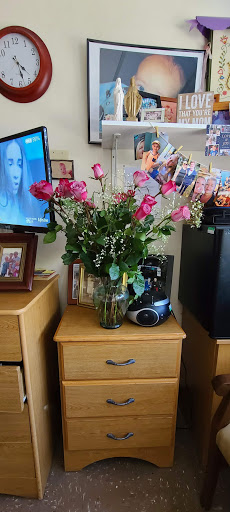
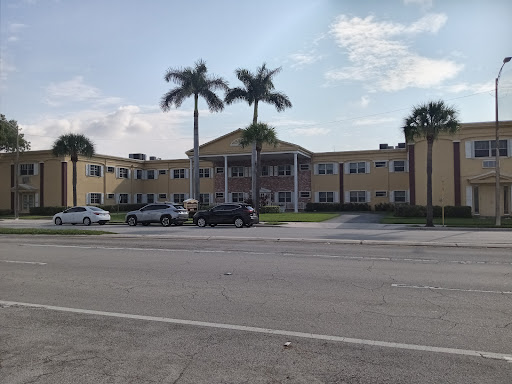
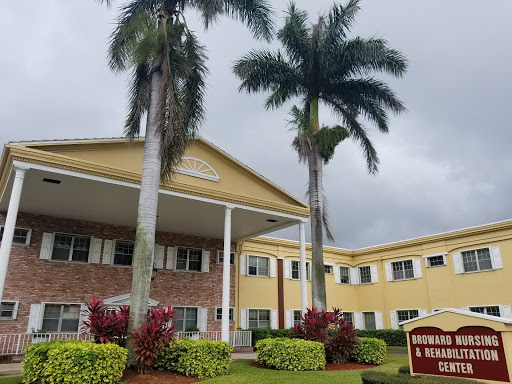
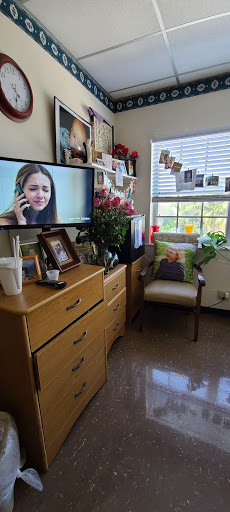
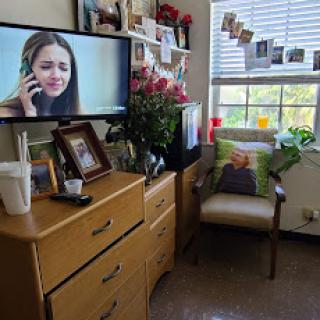
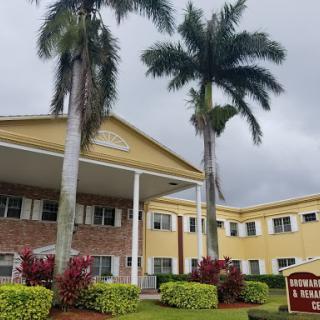
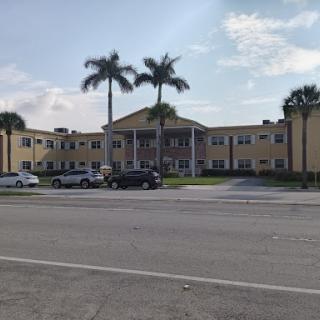
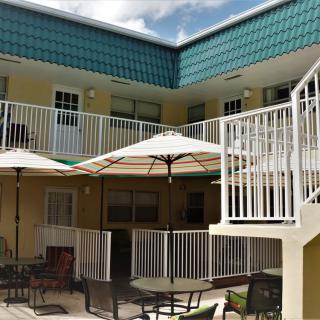
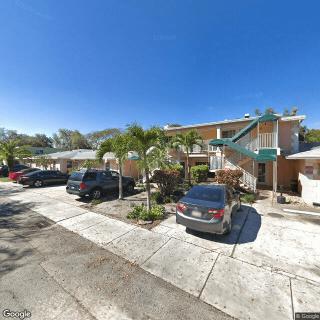
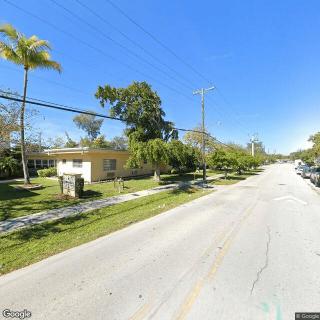
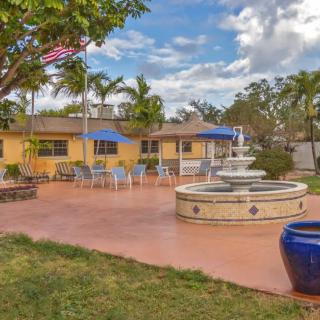
Broward Nursing and Rehabilitation Center on seniors.fyi includes 8 photos including images showing landscaping, building, architecture, palm trees, outdoor, television, decor, outdoors, and more.
Nearby Communities
Fort Lauderdale Retirement Home
Fort Lauderdale, FL
4 from 4 reviews
Independent living with diabetic care and on-site activities
2065 Inc Fort Lauderdale Retirement Home Annex
Fort Lauderdale, FL
4.6 from 39 reviews
Well-equipped assisted living with 24-hour care, meals, and activities
Villa Rio Vista
Fort Lauderdale, FL
4.7 from 69 reviews
$3,000 to $3,750 / month
Attentive, compassionate staff in a clean, secure, resort-like setting with engaging activities and home-cooked meals.
Comfort Keepers
Fort Lauderdale, FL
4.7 from 43 reviews
Excellent access to dining, parks, pharmacies, medical offices, transit, and entertainment nearby.
Broward House
Fort Lauderdale, FL
4.6 from 14 reviews
Respite-focused assisted living with 24/7 support and extensive amenities.
Harbor Beach Convalescent Home
Fort Lauderdale, FL
4 from 41 reviews
Convenient access to dining options, healthcare services, transportation, and cultural experiences in a nurturing assisted living setting.
Harbor Beach Nursing And Rehabilitation Center
Fort Lauderdale, FL
4 from 30 reviews
Caring, attentive staff; clean, well-maintained environment with open family communication.
The Residence at Dania Beach
Dania Beach, FL
3.3 from 41 reviews
$2,000 to $2,800 / month
Welcoming atmosphere with caring staff and good dining.
Williamsburg Landing
Wilton Manors, FL
4.8 from 71 reviews
$3,018 to $5,500 / month
Warm, attentive staff and a welcoming, activity-rich environment.
Hospice care focuses on providing comfort and support for individuals nearing the end of life, with Medicare Part A covering services like nursing care and counseling for patients with a terminal illness and a life expectancy of six months or less. While most hospice services are low-cost for eligible patients, families should be aware that certain expenses, such as room and board, may not be covered.
Caregiver burnout is a common issue resulting from the intense physical, emotional, and mental demands of caregiving, leading to symptoms like fatigue and social withdrawal. To prevent burnout, caregivers should recognize early warning signs and implement self-care strategies, seek support, and prioritize their own well-being alongside that of those they care for.
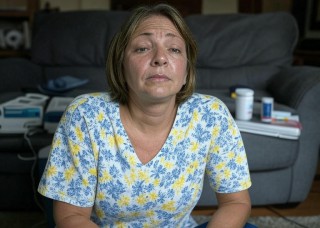
Caregiver exhaustion, or burnout, stems from the relentless demands of caregiving, leading to emotional and physical depletion characterized by stress, frustration, and neglect of personal needs. Addressing this burden is essential to prevent long-term consequences, with early recognition and support being crucial for caregivers to maintain balance and implement self-care.
Get PricingAsk A QuestionSchedule A TourContact Senior Advisor
By clicking submit, you agree to our Partner's Terms of Use. You
also consent to receive calls and texts, which may be autodialed, from our Partner. Your consent is not a condition to
using our Partner's service. Please visit our Partner's Privacy Policy for information about their privacy practices.








 198 resident community capacity
 Skilled Nursing Facility
 Activities on-site
 Air-conditioning
 Beauty salon
 Cable or satellite TV
 Computer center
 Dining room
 Fitness room
 Fully furnished
 Gaming room
 Garden
 Housekeeping services
 Indoor common areas
 Kitchenette
 Move-in coordination
 Outdoor common areas
 Private bathrooms
 Restaurant-style dining
 Small library
 Telephone
 Wellness center
 Wi-Fi/high-speed internet available
 Fort Lauderdale-Hollywood International (2 miles away)
 Community operated transportation
 12-16 hour nursing
 24-hour call system
 Assistance with bathing
 Assistance with dressing
 Assistance with transfers
 Diabetes diet
 Medication management
 Mental wellness program
 Special dietary restrictions
 Concierge services
 Planned day trips
 Independent living with diabetic care and on-site activities


 Comprehensive Guide to Medicare Coverage for Hospice Care
 Caring for Those Who Care: Recognizing, Understanding, and Overcoming Caregiver Burnout
 Caregiver Exhaustion: Recognizing the Signs and Restoring Your Well-Being