For more information about senior living options: (866) 208-4318
4 from 41 reviews
5 stars
27
4 stars
3
3 stars
2
2 stars
1
1 stars
8
Overall Review of Harbor Beach Convalescent Home
common22 reviews mention this
Staff care is a consistent theme
Residents and families repeatedly describe genuinely caring staff.
Many reviews say the staff treated residents with kindness and respect, and they felt helped with everyday needs and medical recovery. Several highlight how nurses, aides, and support team members would respond to requests and questions. A smaller set of reviews goes the other direction, describing being ignored or not getting follow-up when issues came up.
common7 reviews mention this
Rehab and physical therapy stand out
Physical and rehabilitation therapy receive strong praise from residents.
Reviews frequently describe the therapy program as helpful, with people noting progress and motivated rehab support. Several reviewers name physical therapists or the rehab team directly, and describe encouragement during recovery. While therapy is often praised, other day-to-day concerns still appear in separate complaints.
caveat5 reviews mention this
Cleanliness is mixed
Cleanliness feedback varies, with some calling it very clean.
Some reviewers say the facility is clean and that they felt safe and well cared for. Other reviews describe strong unpleasant odors and unsanitary conditions, including complaints tied to personal care and response when problems were raised. Taken together, residents’ experiences with cleanliness do not appear consistent.
caveat3 reviews mention this
Food quality comes up often
Food quality is a recurring point of feedback.
A few reviews mention the food could be improved or describe it as fair. Others are far more negative, calling the food horrendous in connection with an overall poor stay. This is one of the few topics where opinions shift noticeably from mild concerns to serious complaints.
caveat6 reviews mention this
Communication and follow-through are questioned
Several reviews question whether concerns get resolved quickly.
Some reviews describe problems that were not resolved after being reported, including complaints about noise and personal care needs. Others say leadership did not follow up or that calls went unanswered, including reports that administrators or supervisors never returned contact. There are also accounts where promises were made but requests still weren’t completed the same day.
How we summarize
Counts show how many written reviews mention each theme; a review can touch several themes, and only frequently mentioned themes are displayed.
Features
Types of Care
Skilled Nursing Facility
Transportation
Fort Lauderdale-Hollywood International (2 miles away)
Miami International (23 miles away)
Nearby Places of Interest
This area of Fort Lauderdale, Florida offers a convenient and diverse selection of amenities for senior living. With several pharmacies nearby including CVS, Winn-Dixie, and Walgreens, accessing medication and healthcare supplies is easily manageable. There are also various dining options such as Boatyard and The Floridian for enjoyable meals out. Transportation is readily available with the Brightline station only 1.6 miles away, making travel accessible. For leisurely activities, parks like Fort Lauderdale Beach Park and Hugh Taylor Birch State Park provide opportunities for outdoor recreation. Additionally, healthcare services are within reach at facilities like Midland Medical Center and Joe DiMaggio Children's Hospital. Overall, this area presents a well-rounded environment with essential services for seniors looking to reside in Fort Lauderdale.
Pharmacies
CVS Pharmacy (0.2 miles)
Winn-Dixie (0.2 miles)
Walgreens (0.4 miles)
Walgreens (0.6 miles)
AHF Pharmacy - Campus (0.8 miles)
Walgreens (1 miles)
Winn-Dixie (1.4 miles)
Restaurants
Boatyard (0.5 miles)
15th Street Fisheries (0.8 miles)
Boathouse at the Riverside (1.1 miles)
The Floridian (1.2 miles)
Luigi's Coal Oven Pizza (1.3 miles)
YOT Bar & Kitchen (2 miles)
La Familia Tacos & Tequila (2 miles)
Transportation
Brightline (1.6 miles)
Terminal 1 (2 miles)
Car Rental Center (2.1 miles)
Delta Air Lines Ticket Counter (2.1 miles)
Fort Lauderdale Airport- Arrivals Pickup (2.1 miles)
TSA Security Checkpoint (2.2 miles)
Terminal 3 (2.2 miles)
Parks
Fort Lauderdale Beach Park (2.1 miles)
Holiday Park (2.2 miles)
George English Park (2.9 miles)
Hugh Taylor Birch State Park (3.1 miles)
Central Broward Regional Park (4.6 miles)
Topeekeegee Yugnee Park (5 miles)
Royal Palm Park (5.4 miles)
Cafes
Starbucks (3.9 miles)
Starbucks (7.1 miles)
Physicians
Midland Medical Center (4.5 miles)
Care Resource (4.6 miles)
Stark Vision Hollywood Oakwood Plaza (4.7 miles)
Pom MRI and Imaging Center (5.2 miles)
Comprehensive Health & Wellness Center, P.A. (5.8 miles)
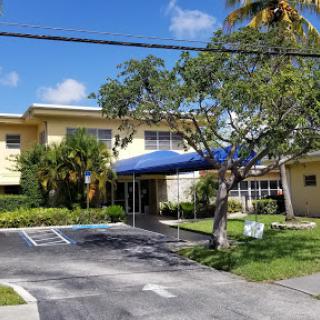
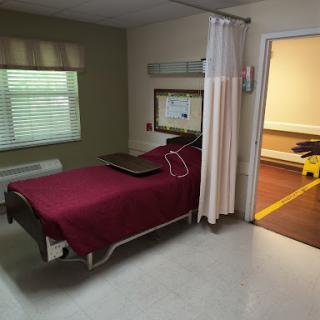
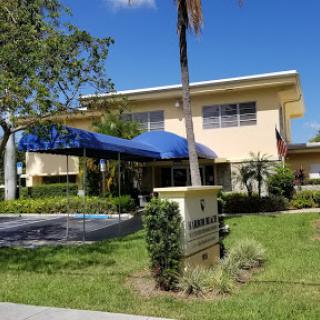
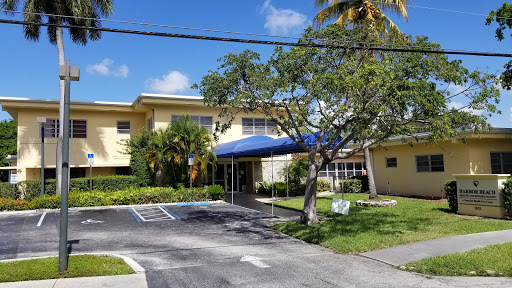
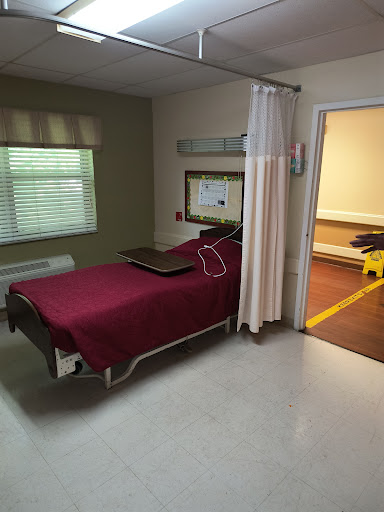
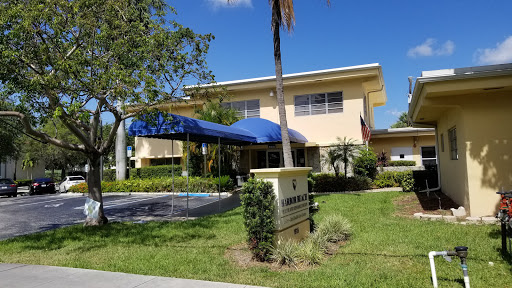
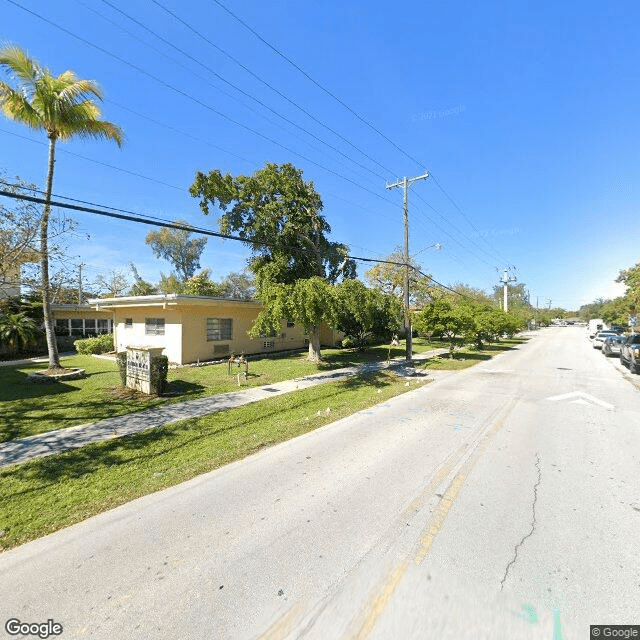
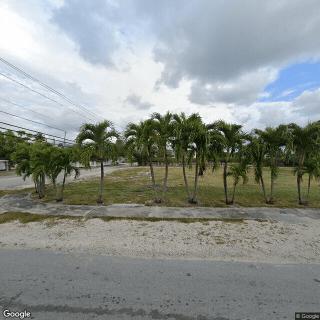
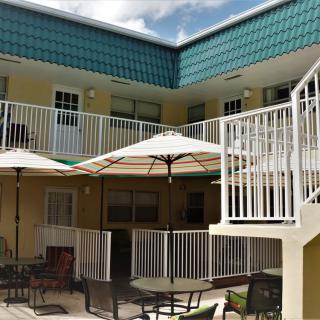
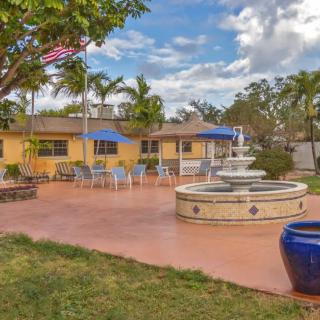
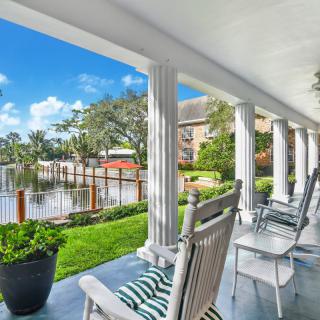
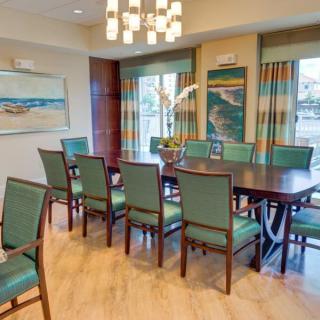
Harbor Beach Convalescent Home on seniors.fyi includes 4 photos including images showing building, exterior, landscaping, palm trees, parking, tree, bedroom, bathroom, and more.
Nearby Communities
Harbor Beach Nursing And Rehabilitation Center
Fort Lauderdale, FL
4 from 30 reviews
Caring, attentive staff; clean, well-maintained environment with open family communication.
Broward House
Fort Lauderdale, FL
4.6 from 14 reviews
Respite-focused assisted living with 24/7 support and extensive amenities.
2065 Inc Fort Lauderdale Retirement Home Annex
Fort Lauderdale, FL
4.6 from 39 reviews
Well-equipped assisted living with 24-hour care, meals, and activities
Fort Lauderdale Retirement Home
Fort Lauderdale, FL
4 from 4 reviews
Independent living with diabetic care and on-site activities
Villa Rio Vista
Fort Lauderdale, FL
4.7 from 69 reviews
$3,000 to $3,750 / month
Attentive, compassionate staff in a clean, secure, resort-like setting with engaging activities and home-cooked meals.
Broward Nursing and Rehabilitation Center
Fort Lauderdale, FL
3.6 from 150 reviews
Caring staff with strong rehabilitation services and generally clean surroundings.
The Residence at Dania Beach
Dania Beach, FL
3.3 from 41 reviews
$2,000 to $2,800 / month
Welcoming atmosphere with caring staff and good dining.
Williamsburg Landing
Wilton Manors, FL
4.8 from 71 reviews
$3,018 to $5,500 / month
Warm, attentive staff and a welcoming, activity-rich environment.
The Meridian at Waterways
Fort Lauderdale, FL
4.6 from 137 reviews
$6,150 to $8,650 / month
Friendly staff and attentive care; beautiful Intracoastal views; excellent dining; clean, well-maintained facilities with engaging activities.
The guide outlines the eligibility criteria for home health care services, emphasizing clinical requirements, insurance options, and application processes. It distinguishes between Medicare's strict and Medicaid's flexible qualifications while addressing challenges families may face in securing necessary care at home.
Elder abuse affects many older adults worldwide and includes physical, emotional, neglectful, and financial harm, with about one in six individuals over 60 experiencing abuse annually. Prevention and intervention strategies focus on awareness, support for caregivers, and mandatory reporting, while recovery necessitates comprehensive support for both physical and emotional needs.
The guide details ten essential responsibilities of senior caregivers, including personal care, mobility assistance, medication management, and emotional support, while emphasizing the importance of safety, nutrition, and maintaining a safe living environment to enhance seniors' quality of life and independence.
Get PricingAsk A QuestionSchedule A TourContact Senior Advisor
By clicking submit, you agree to our Partner's Terms of Use. You
also consent to receive calls and texts, which may be autodialed, from our Partner. Your consent is not a condition to
using our Partner's service. Please visit our Partner's Privacy Policy for information about their privacy practices.

 Skilled Nursing Facility
 Fort Lauderdale-Hollywood International (2 miles away)
 Caring, attentive staff; clean, well-maintained environment with open family communication.

 Comprehensive Guide to Qualifying for Home Health Care Services
 Powerful Realities of Elder Abuse and the Most Effective Ways to Report It
 Ten Vital Duties of a Senior Caregiver: A Comprehensive Guide