
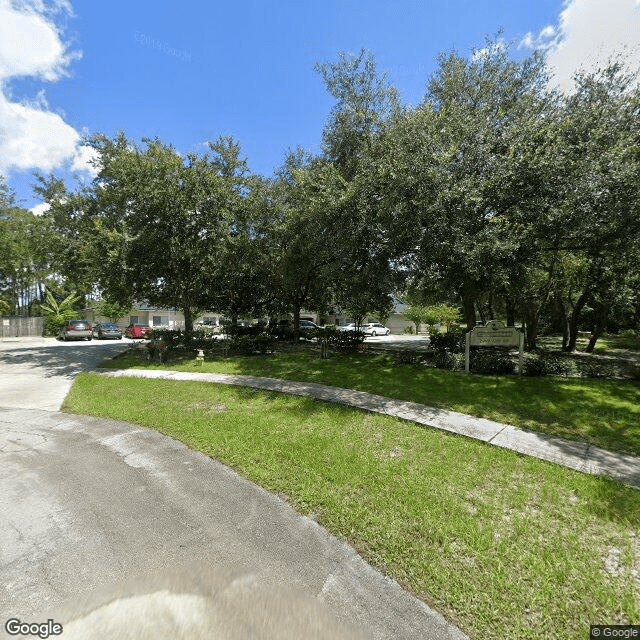
2992 Day Rd, Deltona, FL 32738
To contact a resident: (386) 789-8848
For more information about senior living options: (866) 208-4318
Americare Water's Edge Costs & Pricing
At Americare Water's Edge, the costs for accommodation present a compelling value when compared to both Volusia County and statewide averages in Florida. For a semi-private room, residents pay $2,125 per month, significantly lower than the county average of $3,143 and the state average of $3,009. Similarly, those opting for a studio can expect a monthly fee of $2,300, which remains more economical than the Volusia County average of $3,679 and Florida's average of $3,823. These competitive pricing structures not only reflect Americare Water's Edge's commitment to affordability but also highlight its potential as an appealing choice for individuals seeking quality care without compromising their financial stability.
| Floor plans | Americare Water's Edge | Volusia County | Florida |
|---|---|---|---|
| Semi-Private | $2,125 | $3,143 | $3,009 |
| Studio | $2,300 | $3,679 | $3,823 |
Assisted Living communities with a similar price nearby
-
from +$75 / mo
Sweet Home At Last
$2,200 to $2,500 / month5.1 miles away -
from +$270 / mo
Grand Villa of Altamonte Springs
$2,395 to $3,895 / month21.6 miles away -
from +$375 / mo
Harbor Oaks Elderly Care Home
$2,500 to $3,000 / month18.2 miles away -
About the same
Grand Villa of DeLand
$2,095 to $3,795 / month11.4 miles away -
from -$125 / mo
Woodland Towers
$2,000 to $3,525 / month9.2 miles away
Overall Review of Americare Water's Edge
Pros
 The staff is described as very loving and caring.
- The family thanks the staff for all they did for their beautiful aunt.
Cons
 The facility's building is antiquated.
- The rooms are small, congested, and not ADA compliant.
- It is not suitable for older adults who want to socialize or enjoy nightlife.
- Daily snacks consist only of graham crackers and water.
- There is no daily structure of activities to boost residents' morale.
- The staff are underpaid and underappreciated.
- There are no resident council meetings with staff and management.
- Updated technology is not part of the facility's operations.
- Residents are not treated as paying residents.
- Residents who voice concerns are bullied or controlled.
Review
Americare Water’s Edge in Deltona, FL is best suited for seniors who prize warmth, personal attention, and a quieter living environment over fashionable amenities or high-energy social life. The community shines where care and kindness are the top priority: compassionate staff, patient routines, and a sense that residents are seen as individuals. It can be a good fit for older adults who are content with a more intimate, low-key setting and who do not require expansive activity programming or modern infrastructure to feel secure and well cared for. For active social butterflies or those who expect a bustling campus with frequent outings and nightlife, this is likely not the right home.
Those weighing alternatives should note a few clear red flags for anyone prioritizing engagement, mobility, and contemporary design. Residents who want robust daily programming, frequent social events, or a campus with up-to-date technology will want to compare other options. Families seeking transparent governance, regular resident input, and a facility that prioritizes modern safety standards in room layout and common areas may find this community lacking. For seniors with higher independence needs or walkers and wheelchairs stymied by narrow hallways and small rooms, the ADA risks and space constraints become meaningful barriers. In short, this is not the best choice for residents who expect active stimulation and modern amenities.
On the plus side, the staff’s warmth stands out as a defining strength. A very loving and caring team can deliver genuine daily reassurance, reliable assistance, and a sense of belonging that makes a difference in comfort and mood. Families often appreciate the way caregivers respond with patience and attentiveness, especially when a resident relies on steady, compassionate support. That human connection can offset some inconveniences and create a sense of home. However, warmth does not fully compensate for the structural and programming gaps. When the building itself feels antiquated, and activity options feel sparse, even the most devoted staff can only do so much to elevate the overall experience.
The core drawbacks are persistent and substantial. The physical environment is described as antiquated, with small, congested rooms that are not ADA compliant, which translates into real daily friction for mobility-limited residents. The lack of a robust activities calendar, limited snacks, and minimal opportunities for social engagement can leave residents with long stretches between purposeful experiences. Management practices, described by a resident as “Steve and Eleanor’s way” and an impression of not being fully aligned with residents’ needs, further erode trust and satisfaction. The absence of resident council meetings and transparent channels for feedback compounds the sense that concerns may go unheard. In short, the friction between want-for-care and the actual lived experience is significant.
Ultimately, the decision hinges on priorities. If the aim is a warm, attentive environment where staff know residents by name and caregiving is consistently kind, Americare Water’s Edge delivers. But for families prioritizing active living, modern, ADA-friendly accommodations, regular resident governance, and a compelling calendar of daily activities, alternatives deserve serious consideration. Prospective renters should demand a clear tour of actual rooms, ask for current activity schedules, probe about room modifications for accessibility, and request candid answers about staff training, turnover, and how resident concerns are handled. Financial transparency matters as well, clarity about payments, any arrears history, and how issues are resolved helps separate a compassionate staff from a system that may leave residents feeling undervalued. In practical terms: this community can be a good fit for care-first seniors who are content with a quieter pace, but families should strongly weigh whether the lifestyle and infrastructure align with the resident’s social needs, mobility, and expectations for resident engagement.
 Assisted Living
 Activities on-site
 Devotional services off-site
 Indoor common areas
 Daytona Beach International (19 miles away)
 Ambulatory care
 Diabetic care
 Incontinence care
 Medication management
 Meals provided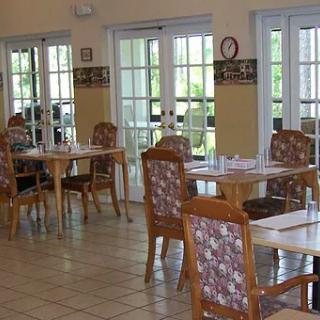




 Securing Financial Support for Assisted Living: A Comprehensive Overview
 Social Security Benefits and Assisted Living: Navigating Options Across the U.S.
 An Extensive Exploration of the VA Aid and Attendance Benefit