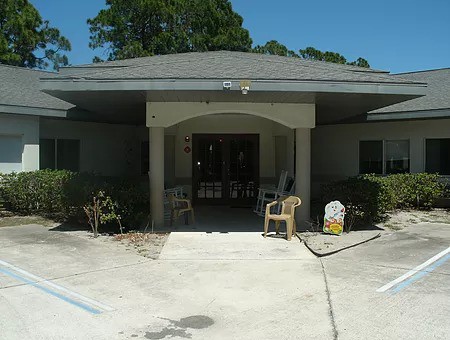
2992 Day Road, Deltona, FL 32738
For more information about senior living options: (866) 208-4318
Overall Review of Americare Assisted Living
Pros
 The staff is very loving and caring.
- The reviewer is grateful for all that was done for their beautiful aunt.
- Americare is missed, reflecting positive memories of the care provided.
Cons
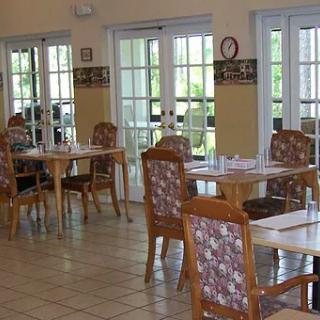
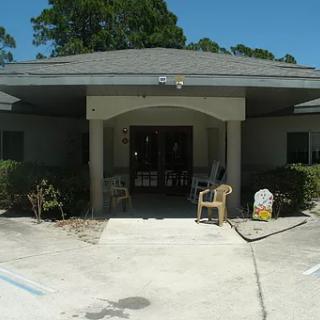
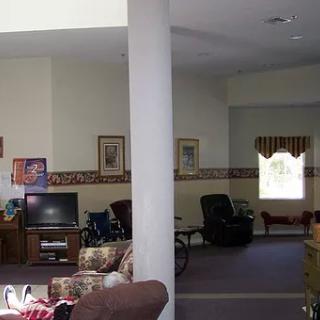
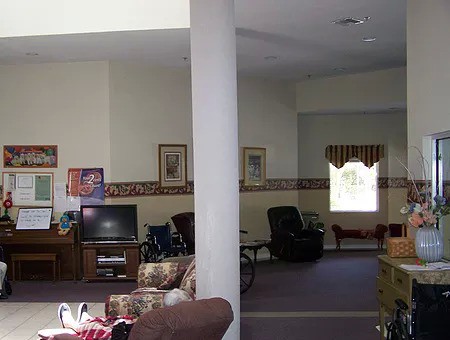
 The building is antiquated, and the rooms are small, congested, and not ADA compliant.
- Daily snacks are limited to graham crackers and water, with no structured daily activities to boost morale.
- There are no resident council meetings with staff and management.
- The staff are underpaid and underappreciated.
- The management operates in Steve and Eleanor's way, resulting in residents feeling bullied or controlled.
- Paying residents are not treated as paying residents.
- The facility would not be able to run without paying residents.
- Updated technology is not part of the facility's vocabulary.
Review
Americare Assisted Living in Deltona is best suited for families seeking a small, intimate care environment where staff deliver genuine warmth and personal attention. The clearest strength is the caregivers themselves: residents are likely to encounter consistently caring, affectionate staff who form meaningful relationships with seniors and their families. This setting works well for individuals who value daily reassurance, one-on-one interactions, and a home-like atmosphere over flashy amenities. It suits those who are comfortable with a quieter pace, rely on routine, and do not demand extensive social programming or nightlife. In short, emotional support and a steady caregiver presence are the core value proposition here.
However, several realities push families to consider alternatives. The building itself is described as antiquated, with rooms that are small and not ADA-compliant. For someone who requires modern accessible design or a breadth of on-site activities and outings, this community falls short. The daily calendar appears sparse, with limited built-in structure for growth or social engagement, and snacks described as graham crackers and water. For residents who thrive on nightlife, broad social opportunities, or robust programs, there are likely better-fit options elsewhere. Additionally, management style and resident voice seem to be friction points, which is a red flag for anyone needing predictable governance and clear channels for input.
On the plus side, the strongest pro, the staff’s loving, caring approach, tends to offset a number of softer fails. For families where emotional well-being and daily warmth trump a bustling activity calendar, that caregiver investment can make evenings calmer, loneliness less persistent, and trust easier to establish. The presence of caregivers who know names, histories, and preferences matters, especially for elders who are easily overwhelmed by institutional noise. Still, warmth cannot fully compensate for physical design limits, inconsistent programming, and a culture that can feel unhelpful to residents who require or voice concerns. The emotional comfort buys time but does not erase structural shortcomings.
Room size and layout, coupled with outdated infrastructure, create tangible barriers to comfort and safety. Non-ADA rooms and tight corridors can hinder mobility or independence for those who begin to need assistance. The snack and activity gaps suggest residents may experience bland days without purposeful programming. Staff morale concerns, reported underpayment and underappreciation, play through the atmosphere, affecting consistency and responsiveness. The absence of resident council meetings and a sense that management prefers a centralized, possibly rigid operational style compounds the sense that resident input is not readily welcomed or acted upon. These factors together make the atmosphere feel reactive rather than collaborative.
When evaluating, focus on cognitive status and social expectations. If a loved one is cognitively intact, vocal about needs, and requires demonstrable opportunity to influence care, this community may feel constraining. If accessibility, mobility support, and regular, structured activities matter, alternatives should be studied first. Prospective residents should demand a tour paired with first-hand conversations with current residents, an explicit activity calendar, ADA-compliant room options, and a transparent policy on resident rights and feedback processes. Ask about staffing levels, turnover, and whether there is a resident council or regular family meetings. If the culture allows residents to be heard and acted upon, the fit improves; if not, move on.
Overall, Americare Assisted Living offers genuine warmth and dependable caregiving in a compact, home-like setting, making it a defensible choice for families prioritizing emotional connection over enterprise-grade amenities. For those whose loved ones need more social stimulation, modern design, and a governance framework that foregrounds resident voice, alternatives merit serious consideration. Practical next steps include arranging a multi-person tour, observing staff–resident interactions, requesting copies of daily schedules, and probing for ADA-compliant room availability. If a trial stay or short-term arrangement is possible, use that period to test whether the daily rhythm, responsiveness, and atmosphere align with the resident’s needs and expectations.
 48 resident community capacity
 Assisted Living
 Beauty salon
 Cable or satellite TV
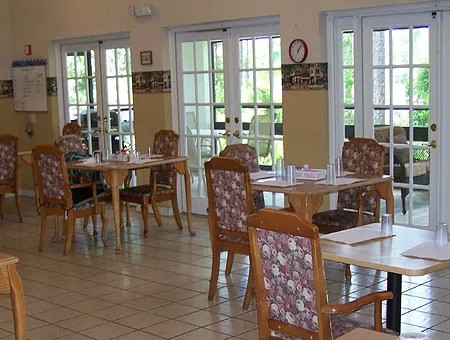
 Dining room
 Fully furnished
 Garden
 Housekeeping services
 Kitchenette
 Move-in coordination
 Outdoor space
 Restaurant-style dining
 Small library
 Telephone
 Wi-Fi/high-speed internet available
 Daytona Beach International (19 miles away)
 24-hour call system
 Activities of daily living assistance
 Assistance with bathing
 Assistance with dressing
 Assistance with transfers
 Diabetes diet
 Medication management
 Mental wellness program
 Special dietary restrictions








 An Extensive Exploration of the VA Aid and Attendance Benefit
 Senior Transition Services: Understanding Their Role, Cost, and Importance
 Exploring the Path to Senior Living: A Comprehensive Look at Independent Living and Assisted Living