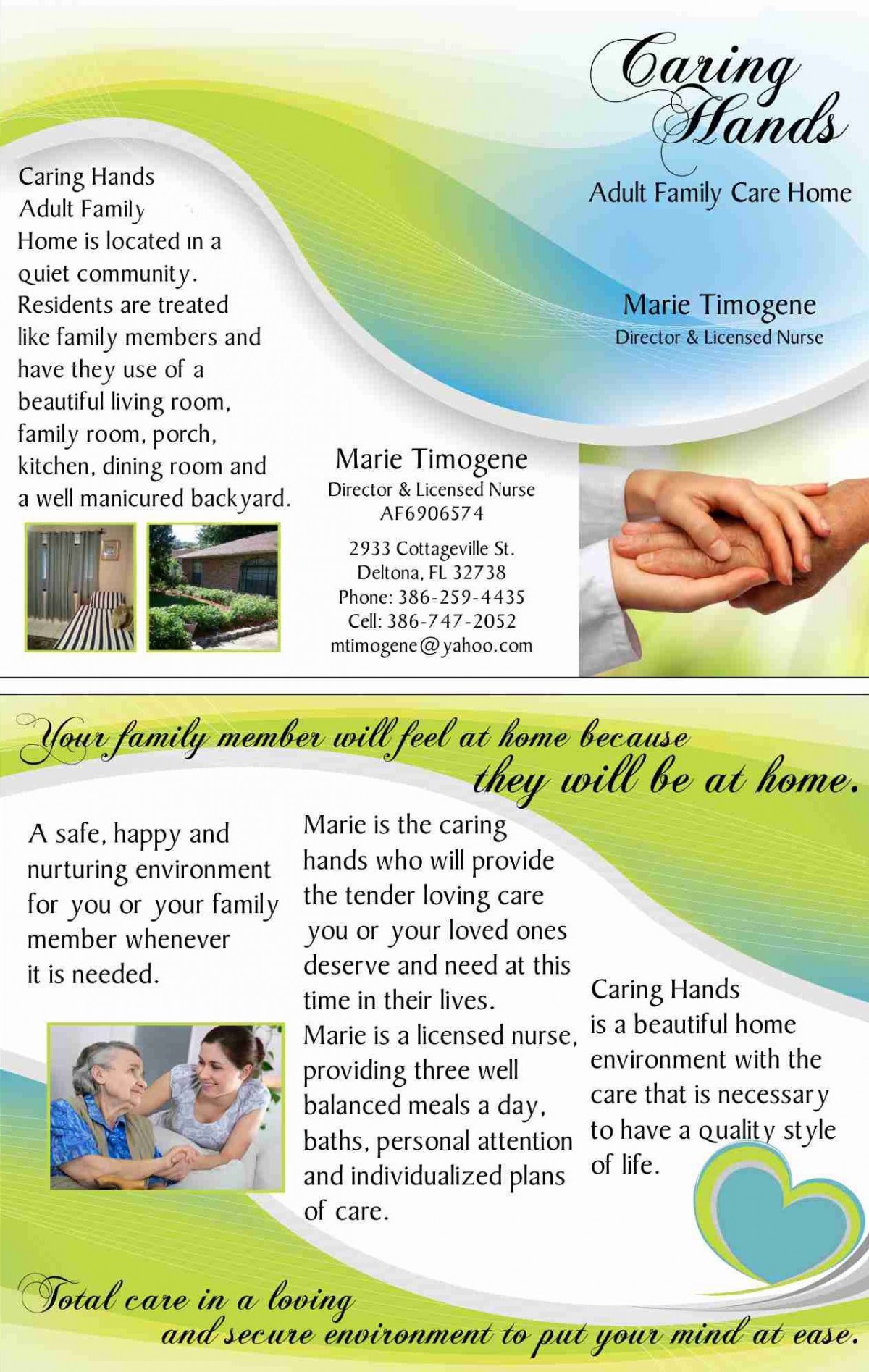
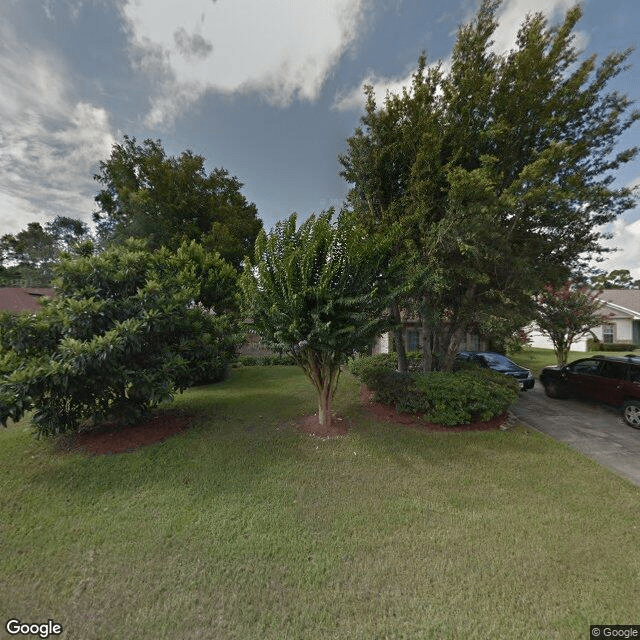
2933 Cottageville Street, Deltona, FL 32738
To contact a resident: (386) 259-4435
For more information about senior living options: (866) 208-4318
Caring Hands Costs & Pricing
Caring Hands offers competitive pricing across its room types compared to both Volusia County and the broader state of Florida. For a semi-private room, Caring Hands charges $3,000 per month, which is notably lower than the county average of $3,143 and slightly below the state average of $3,009. When it comes to private rooms, Caring Hands' price of $5,000 is higher than the county's rate of $4,168 but aligns closely with the state average of $3,699. Additionally, for one-bedroom accommodations, Caring Hands maintains a monthly fee of $5,000 that surpasses both the county average of $3,766 and the state figure of $3,864. Overall, while some options at Caring Hands are priced above local averages, its semi-private offerings provide an attractive value for residents seeking affordable care in a supportive environment.
| Floor plans | Caring Hands | Volusia County | Florida |
|---|---|---|---|
| Semi-Private | $3,000 | $3,143 | $3,009 |
| Private | $5,000 | $4,168 | $3,699 |
| 1 Bedroom | $5,000 | $3,766 | $3,864 |
Memory care communities with a similar price nearby
-
from +$500 / mo
Crown Assisted Living
$3,500 to $4,500 / month17.4 miles away -
from -$400 / mo
Faith House Of Winter Park
$2,600 to $3,100 / month18.9 miles away -
from +$190 / mo

The Gallery at Port Orange
$3,190 to $5,450 / month15.5 miles away -
from -$100 / mo
Oakmonte Village Of Lake Mary
$2,900 to $4,200 / month15.2 miles away -
from -$305 / mo
Vitality Living Lake Forest
$2,695 to $4,795 / month12.0 miles away
Overall Review of Caring Hands
Pros
 Marie cares for and loves her patients more than anyone.
- Marie is the owner of the facility and earns the trust of families.
- She is highly recommended and amazing.
- Families feel their loved ones are safe and well cared for under Marie and her staff.
- Marie and her staff provide safety and compassionate care.
- She treats clients like family in a small, welcoming setting.
- The small assisted living home is ideal for residents with dementia.
Review
Caring Hands in Deltona is best suited for families seeking a highly personal, family-style assisted living where a resident receives near-constant warmth and attentiveness from an owner-operated team. The setting is intimate, with a small operation that allows staff to know each resident’s routines, preferences, and medical quirks. This is especially compelling for families navigating dementia or memory challenges, as the environment emphasizes safety, predictable care, and genuine connection. In this community, the caregiver presence isn’t a vague promise; it translates into daily acts of kindness and hands-on supervision that produce real trust for concerned relatives.
For families evaluating options, those needing robust clinical resources, broad programming, or upscale amenities may want to consider alternatives. The reviews signal a small-scale operation with likely fewer on-site nurses or rehab offerings. If round-the-clock nursing oversight, complex medical management, or a bustling calendar of activities with transportation options are non-negotiable, other communities with larger staffs and structured memory-care programs should be on the short list. Residents requiring aggressive post-acute services or frequent specialist input may experience a mismatch here.
The strongest pros are the owner-led culture and the genuine sense that residents are cared for as family. Marie’s hands-on leadership translates into consistent accountability and rapid responsiveness, which families consistently elevate as the defining strength after prior experiences at other facilities. The testimonials repeatedly frame safety and trust as the outcomes: parents and grandparents arriving anxious found calmness and security. The small size enhances flexibility, allowing tailored routines, dietary preferences, and daily activities. In practice, this creates a stable, low-stress environment that reduces confusion and agitation for residents with memory challenges.
That family-like dynamic is complemented by reliable, observable consistency. With Marie at the helm, families feel their loved ones are not just residents but individuals with histories that matter. The continuity, prior caregivers detailing a resident’s trajectory, then continuing that approach with new care, reinforces dependable care and minimizes destabilizing transitions. The repeated praise for treating residents as part of the family points to a culture that prioritizes respect, warmth, and clear, ongoing communication with relatives. Those elements matter profoundly when the goal is sustained quality of life in a familiar setting.
What may be missing for some is a breadth of services larger campuses advertise. The reality, however, is that the benefits can more than compensate: a tight-knit staff-to-resident ratio, quick problem-solving capacity, and an transparent ownership model provide a level of assurance hard to beat in bigger facilities. For residents with dementia or memory loss, the intimate setting often means fewer triggers and more predictable routines, which can curb anxiety and reduce behavioral flare-ups. Families should confirm specifics on medical oversight and what contingency plans exist should health needs escalate beyond the home-like environment.
Bottom line: Caring Hands is a strong match for families seeking an intimate, trust-centered, owner-operated assisted living where residents are treated like family and safety is prioritized above all else. It suits those who value personalized attention, stable routines, and dementia-friendly warmth over space and a broad menu of on-site services. Alternatives should be considered for those requiring aggressive medical management, extensive rehabilitative therapy, or programs with more diversified activities and transportation options. Prospective families should visit, meet Marie, and observe how staff interactions feel in person, then decide whether the setting aligns with the resident’s medical needs, temperament, and family expectations.
 Board and Care Home
 Day Program
 Memory Care
 Bath tubs
 Devotional services off-site
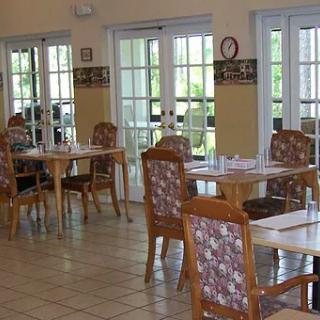
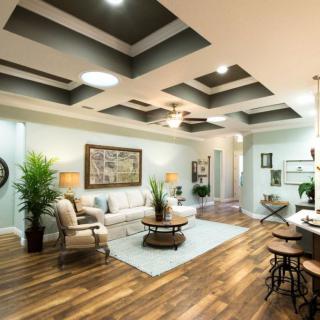
 Indoor common areas
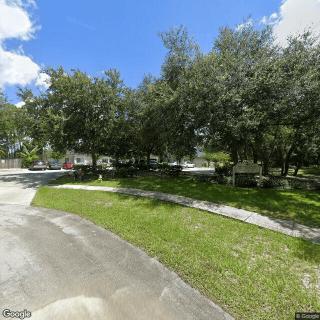
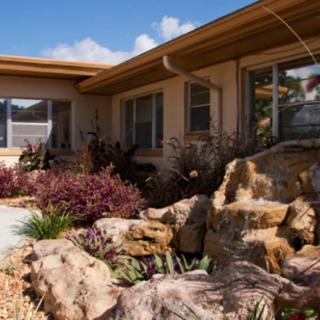
 Outdoor common areas
 Private
 Private bathrooms
 Respite or short term stays offered
 Wheelchair accessible showers
 Daytona Beach International (21 miles away)
 Ambulatory care
 Diabetic care
 High acuity care
 Incontinence care
 Medication management
 Meals provided



 Understanding Dementia Through Its Seven Stages: A Comprehensive Look at Progression and Expectations
 A Holistic Dementia Care Guide: Effective Strategies for Memory Support
 Memory Care Pathways: A Holistic Guide to Dementia Support