
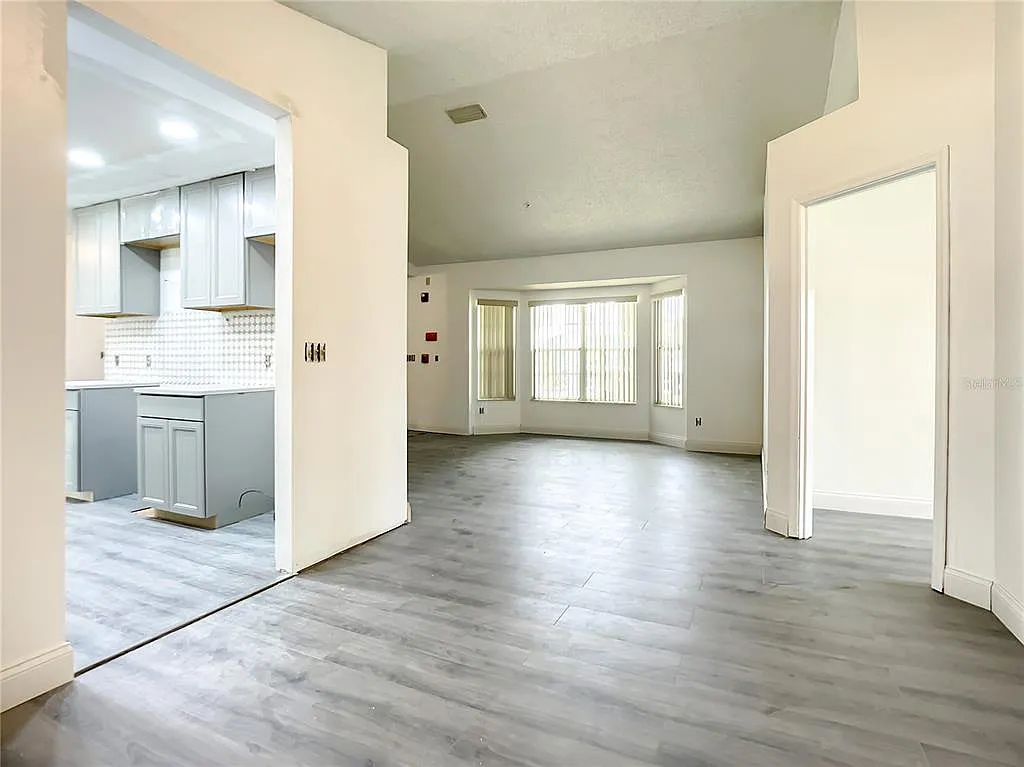
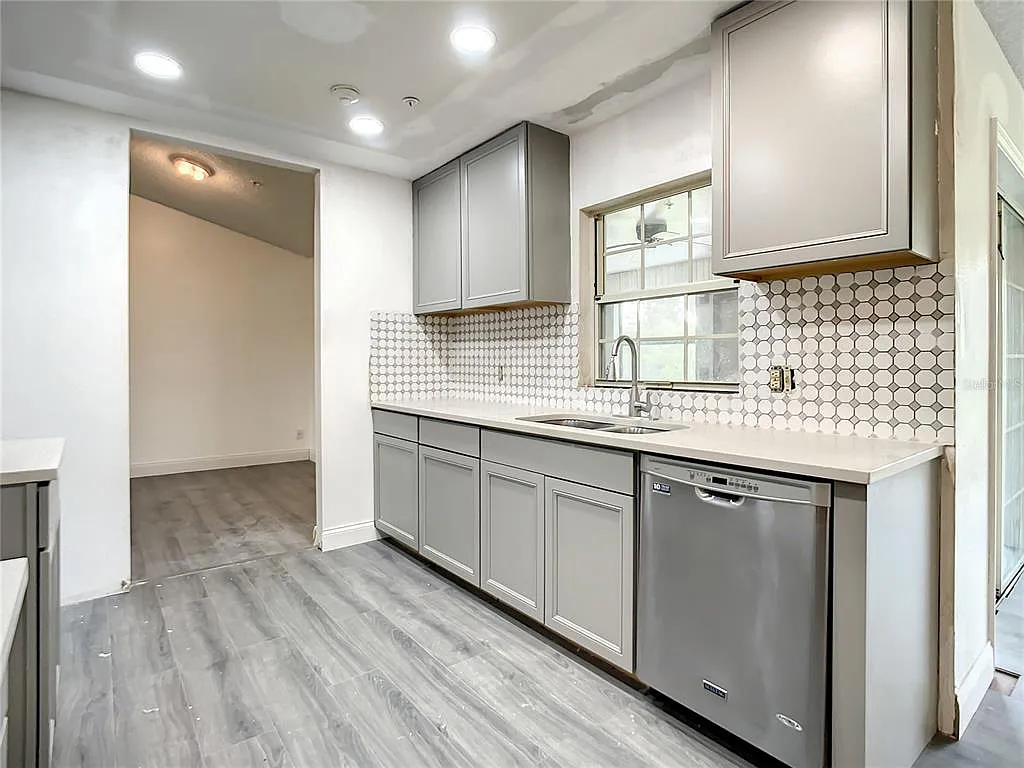
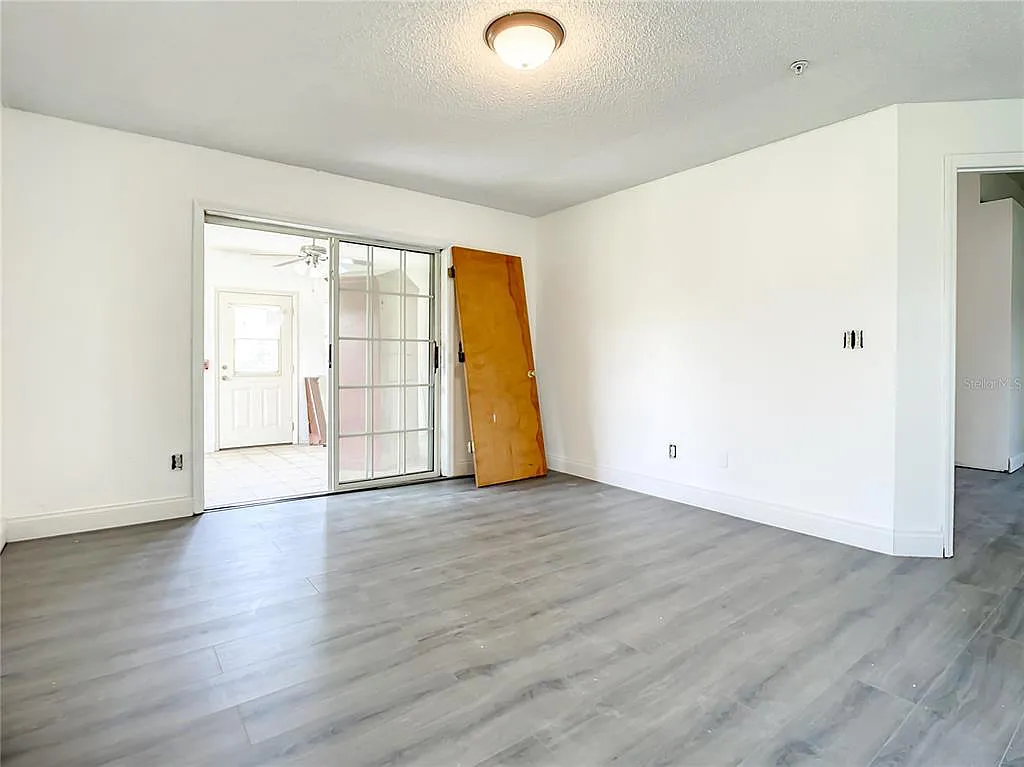

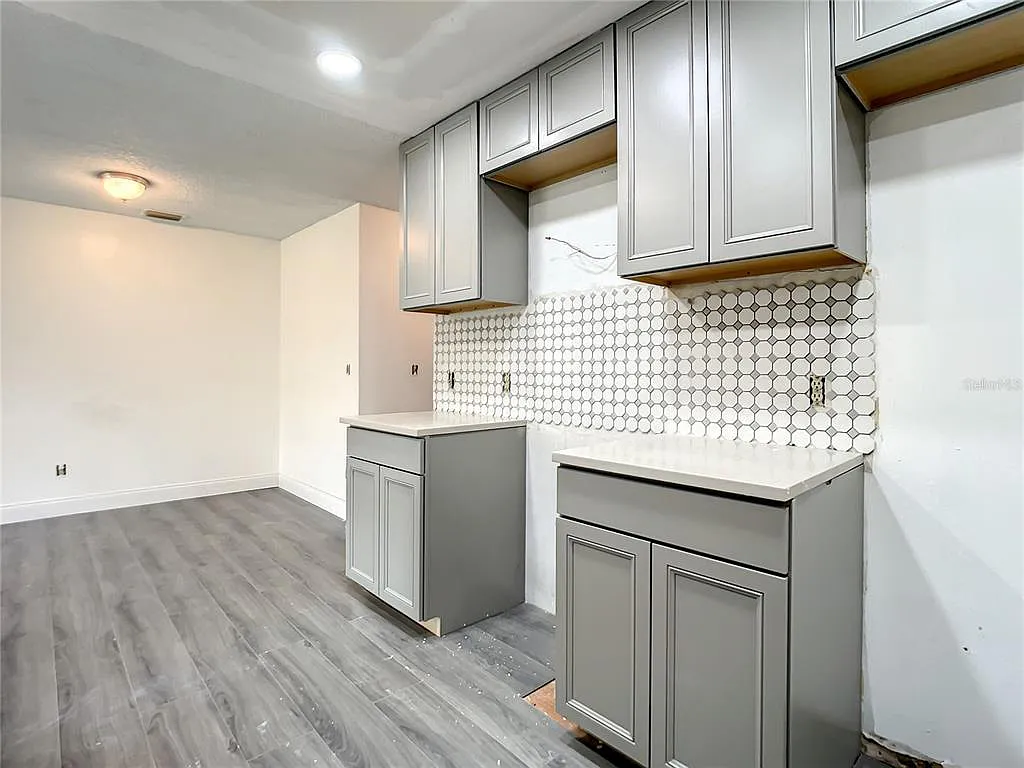
3368 Merchant Terrace, Deltona, FL 32738
For more information about senior living options: (866) 208-4318
Overall Review of Right Spirit Homecare
Pros
 Right at Home provides compassionate, reliable in-home care for seniors and others needing assistance.
- Their staff are professional, well-trained, and genuinely caring.
- They enable independent living at home by handling tasks clients can’t do and offering companionship.
- They coordinate care with families and healthcare providers and keep communication open.
- Families feel at ease and well supported, with responsive scheduling and clear information.
- They offer flexible care that adapts as needs change, including dementia and memory care support.
- The service provides safety supervision and daily living assistance to reduce risk.
- They deliver top-quality care with dedication and a patient, empathetic approach.
- Right at Home can be trusted to respond promptly and provide knowledgeable guidance during challenging times.
Cons
 The reviewer claims the company contacted the VA to take over care without any permission from the family, canceling the existing caregiver.
- They say this left the disabled veteran lying in bed with no care.
- They describe billing time-and-a-half for non-federal holidays as crazy.
- They conclude that this is not the right place for care.
- They state the actions were taken without the family's consent.
Review
Right Spirit Homecare in Deltona, FL is best suited for seniors who want to remain at home but need reliable, person-focused support that can flex with changing needs. The strongest fit is for older adults who value independence but require help with daily activities, safety, and companionship. The family stories behind these reviews converge on a provider capable of handling transitions, such as post-hospital recovery, memory care support, and hospice-related assistance, without sacrificing the home environment. The model works especially well for veterans needing medical-appointment accompaniment or caregivers seeking respite, because the care teams demonstrate steadiness, warmth, and practical problem-solving that keeps loved ones in familiar settings.
That said, some families should consider alternatives if they require around-the-clock, constant medical supervision in a facility setting, or if consent and control over who delivers care must be ironclad and documented from the outset. A few reviewers flag potential governance gaps when care decisions seem to shift or when coordination with external agencies occurs without clear permission. In situations where strict oversight, formalized care plans, or highly structured billing are non-negotiable, a traditional home-health arrangement or a facility with on-site medical staffing may be preferable. The caveat is not universal; it’s about aligning process expectations with family comfort.
The most convincing strengths lie in responsive, attentive care paired with well-trained aides who can handle dementia, post-acute needs, and hospice support. Families repeatedly highlight compassionate caregivers who tailor assistance to daily rhythms, provide safety–monitoring, and preserve independence. The best care is described as proactive, staff who anticipate needs, stay in frequent touch with families, and coordinate smoothly with clinicians and discharge planners. This combination, empathy plus professionalism, often translates into reduced caregiver burnout for spouses and children, and clearer, more consistent routines for the senior.
Real-world scenarios reinforce where the value shows up. A veteran needing an escort to a VA hospital found reliable accompaniment and day-long support that eased the entire process. For a 96-year-old who is legally blind, staying at home with help for activities and companionship preserved autonomy while enhancing safety. Post-hospital rehab and memory-care transitions were described as being managed with sensitivity and continuity, with caregivers who could adjust sleep routines, assist with personal care, and stay engaged. Hospice and dementia care were noted for their trained staff, easy accessibility, and the ability to involve family in ongoing care planning, crucial when decisions intensify or change over time.
Logistically, the reviews prize accessibility, clear communication, and a management presence that users feel they can trust. Several clients praised same-day responses, flexible scheduling, and a leadership team willing to stay involved to ensure quality. However, costs, billing practices, and the need for explicit consent in coordination with other agencies are legitimate considerations. Prospective clients should verify the exact scope of services, confirm caregiver supervision, review the policy on coordinating with VA or other providers, and request detailed cost estimates up front. Doing so reduces surprises and keeps the focus on delivering dependable, compassionate care.
In the end, Right Spirit Homecare presents a practical, capable option for families seeking resilient in-home support that prioritizes safety, independence, and personal connection. It is particularly compelling for veterans, elders with dementia, post-acute recovery, and those who want ongoing companionship alongside practical assistance. For families who require airtight consent mechanisms, formalized 24/7 supervision, or a fixed institutional setting, it pays to explore alternatives or demand a detailed care agreement that codifies roles, responsibilities, and billing. Engage early with the owner or care manager, review reference feedback, and craft a transparent care plan that foregrounds the senior’s routines, safety priorities, and payer arrangements before committing.
 6 resident community capacity
 Assisted Living
 Board and Care Home
 Cable or satellite TV
 Dining room
 Fully furnished
 Garden
 Housekeeping services
 Move-in coordination
 Outdoor space
 Telephone
 Wi-Fi/high-speed internet available
 Daytona Beach International (20 miles away)
 24-hour supervision
 Activities of daily living assistance
 Assistance with bathing
 Assistance with dressing
 Assistance with transfers
 Diabetes diet
 Meal preparation and service
 Medication management
 Special dietary restrictions
 Transportation arrangement (medical)
 Transportation to doctors appointments







 8 Key Indicators That Suggest It May Be Time to Transition from Assisted Living to Skilled Nursing Care
 Vibrant Senior Living: A Comprehensive Guide for Active Older Adults
 When to Transition from Assisted Living to Memory Care: Key Indicators, Steps, and Finding the Right Community