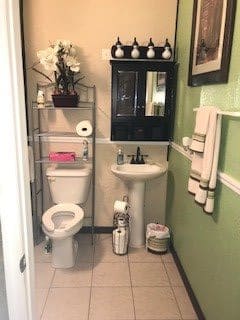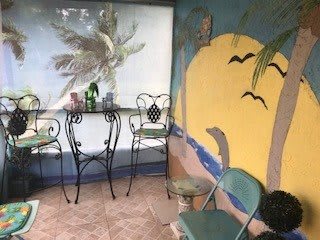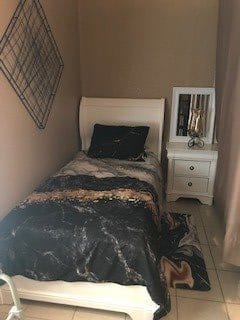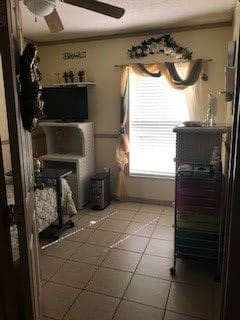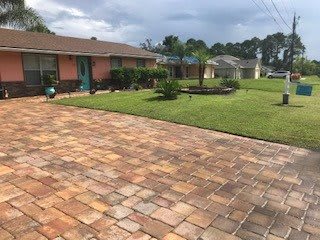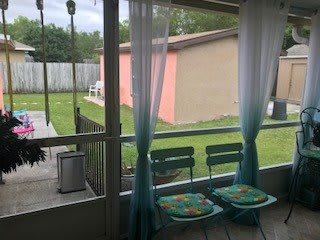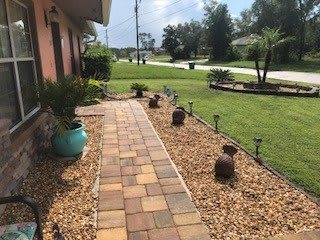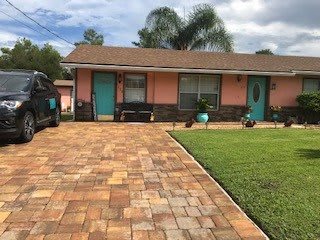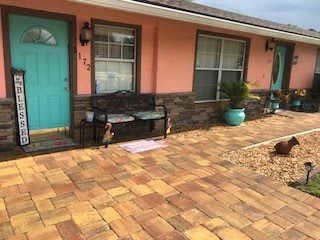
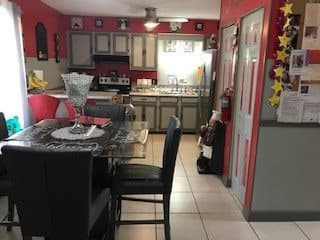
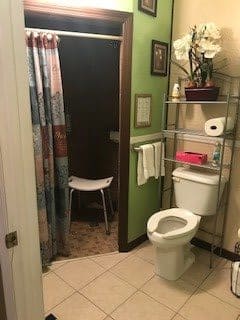
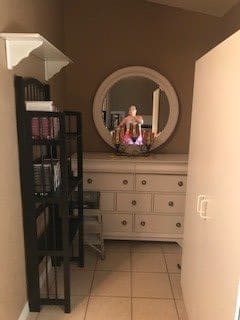
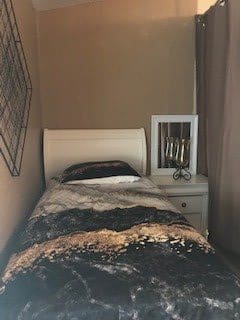
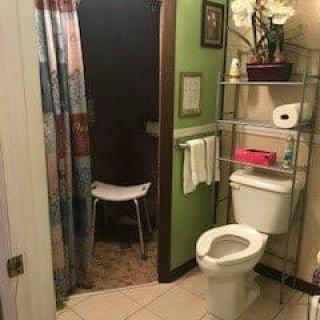
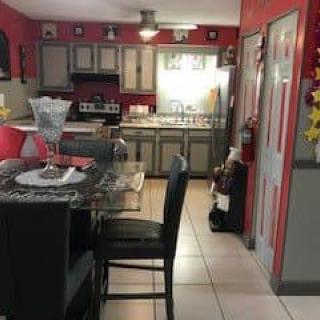

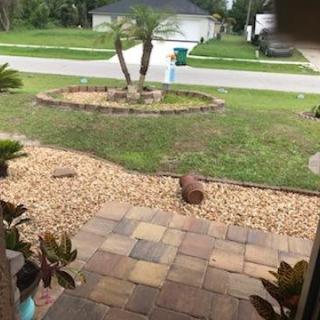
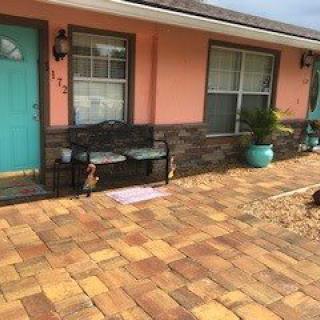

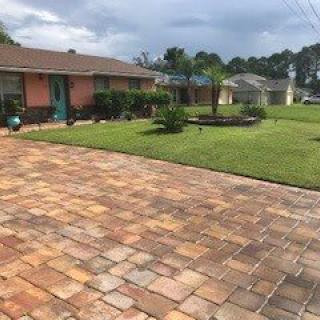
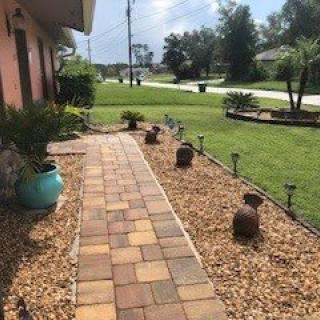
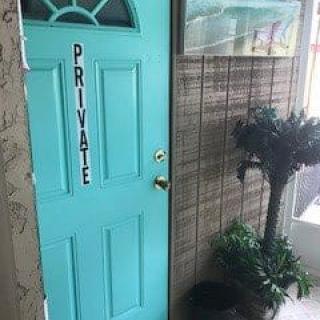
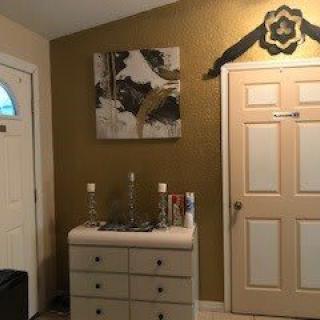
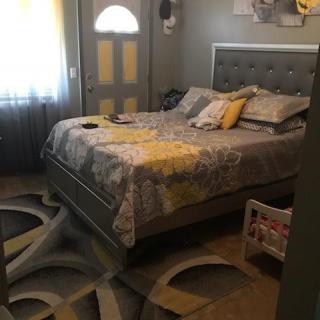
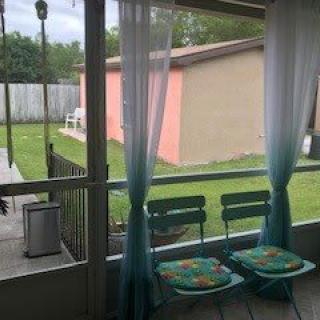
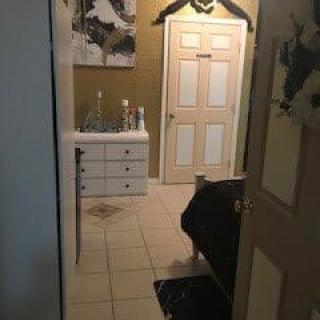
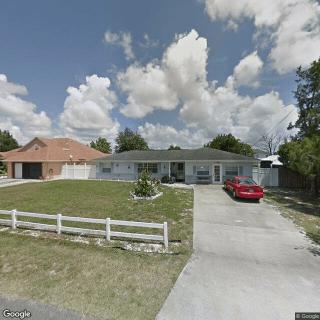
3172 N Covington Dr, Deltona, FL 32738
To contact a resident: (386) 215-2909
For more information about senior living options: (866) 208-4318
Frances Ransom Adult Family Care Home Costs & Pricing
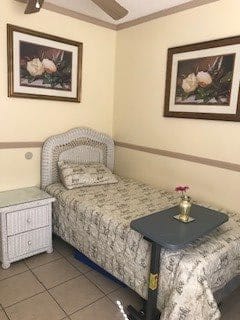
Frances Ransom Adult Family Care Home offers competitive pricing for its residents compared to the broader market in Volusia County and across Florida. The monthly cost for a semi-private room is $2,600, which is notably lower than both the county average of $3,143 and the state average of $3,009. For those seeking more private accommodations, the home provides one-bedroom units at $3,500, also undercutting the county's $3,766 and the state's rate of $3,864. Additionally, their private rooms range from $3,500 to $4,000; although this pricing can approach the higher end of county benchmarks at $4,168, it remains below Florida's average of $3,699. Overall, Frances Ransom Adult Family Care Home presents a valuable option for families looking for quality care at a reasonable cost.
| Floor plans | Frances Ransom Adult Family Care Home | Volusia County | Florida |
|---|---|---|---|
| Semi-Private | $2,600 | $3,143 | $3,009 |
| Private | $3,500 to $4,000 | $4,168 | $3,699 |
| 1 Bedroom | $3,500 | $3,766 | $3,864 |
Memory care communities with a similar price nearby
-
from -$400 / mo
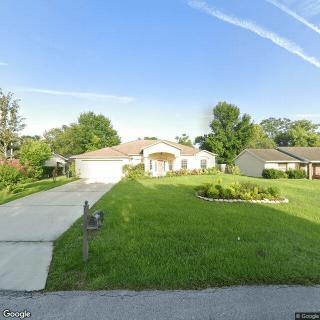
Sweet Home At Last
$2,200 to $2,500 / month6.0 miles away -
About the same
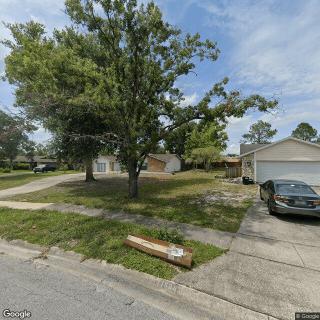
Faith House Of Winter Park
$2,600 to $3,100 / month22.4 miles away -
from -$455 / mo
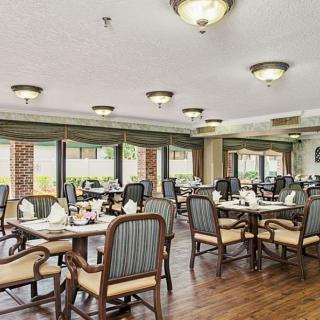
Grand Villa Of Ormond Beach
$2,145 to $4,095 / month24.1 miles away -
from -$205 / mo
Grand Villa of Altamonte Springs
$2,395 to $3,895 / month23.3 miles away -
from -$505 / mo
Grand Villa of DeLand
$2,095 to $3,795 / month10.4 miles away
Overall Review of Frances Ransom Adult Family Care Home
Pros
 Frances cares deeply for her residents and their families.
- Frances provides personalized, compassionate, and superior quality care.
- Frances keeps families informed about residents’ conditions and ensures their comfort.
- The care at FRAFC Home feels like family, with the staff becoming an extended family to residents.
- The home offers attentive care with abundant interaction and helps families stay connected.
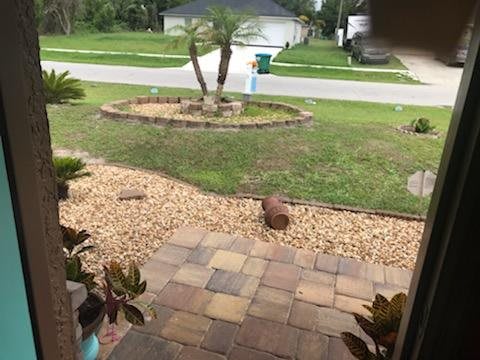
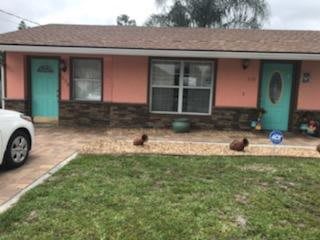
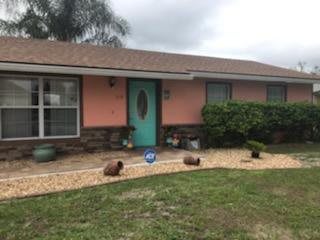
- The meals are fabulous, and the surroundings are beautiful and comfortable inside and out.
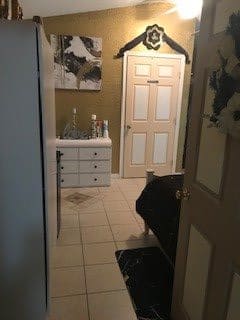
- The house is spotless, and the staff are loving and caring.
- Residents are happy, well taken care of, and content.
- Frances and her family treat residents like family.
- The home is safe, loving, and capable, and comes highly recommended.
Cons
 The prior larger memory care facility did not have enough staffing for her special needs.
- The patient was declared too well to stay in hospice and too ill to return to her senior living facility.
Review
Frances Ransom Adult Family Care Home in Deltona is best suited for seniors who thrive in a warm, home-like setting where care is deeply personal and families stay closely connected. This community shines for residents with mobility or memory challenges who need regular supervision, meaningful interaction, and a consistent, attentive caregiver presence. The owner, Frances, leads with hands-on involvement that translates into steady updates and thoughtful, compassionate decisions. For families seeking a facility that prioritizes dignity, comfort, and a sense of belonging over institutional formality, FRAFC stands out as a fit.
Potentially, alternatives should be on the radar for those requiring robust on-site medical expertise or a highly structured clinical program. While the home is spotless and staffed with warm, loving caregivers, the format naturally leans toward a smaller team and a cozier setting, which can limit 24/7 nursing coverage or access to expansive therapy programming found in larger assisted living campuses. Residents with complex medical needs or who crave highly scheduled, resource-intensive activities might find a bigger facility better aligned with those requirements. In such cases, a thorough assessment of staffing ratios and medical supports is essential.
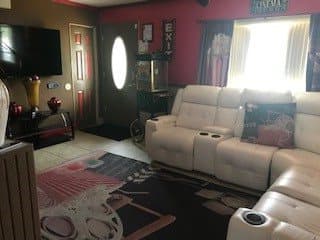
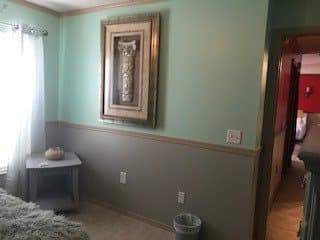
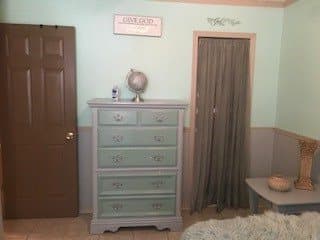
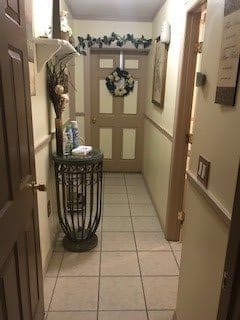
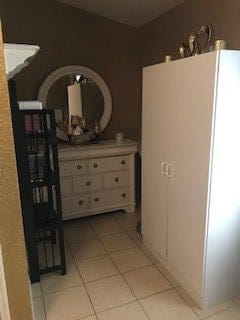
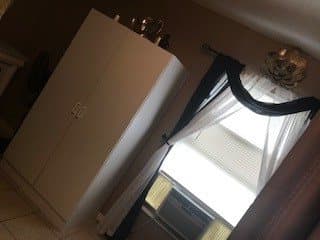
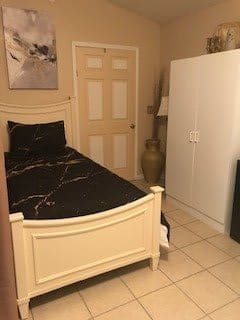
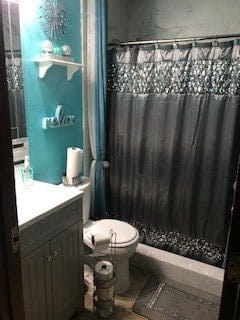
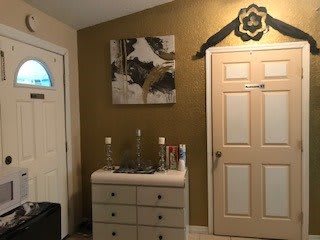
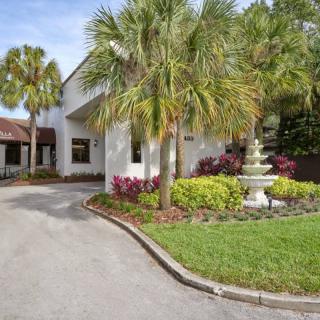
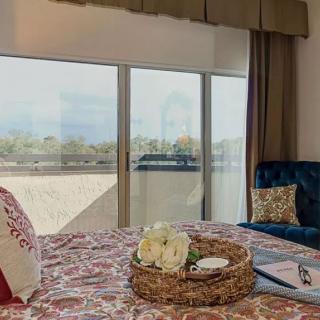
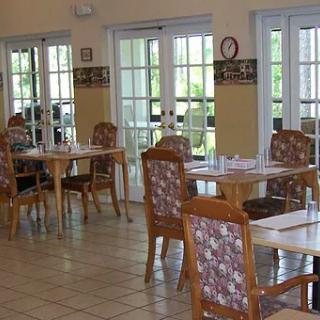
Core advantages center on extraordinary personalization and genuine warmth. Families report that Frances and her family treat residents as cherished members of a larger family, delivering attentive, compassionate care that goes beyond routine tasks. The environment reinforces well-being: clean, beautifully kept spaces, tasty, balanced meals, and bright indoor-outdoor areas that invite connection. Activities, including outings, create opportunities for social engagement that many larger facilities struggle to sustain with equal intimacy. These strengths counterbalance the plausible trade-offs inherent in a small home setting, where the closest caregiver network can respond quickly and with flexibility to evolving needs.
Communication stands out as a defining benefit. Families describe being kept informed about a loved one’s condition, progress, and comfort level, which reduces anxiety and strengthens trust. That level of transparency, combined with the personal touch of a proprietor who is actively involved in daily care decisions, yields a sense of security not always present in bigger operations. The emotional climate is described as loving and supportive, which often translates into improved mood and comfort for residents. In scenarios like hospice or memory care, this relational stability becomes a practical asset, enabling smoother care coordination with families and outside professionals.
Prospective residents should visit with a checklist in hand, focusing on practicalities that genuinely drive day-to-day life. Confirm the resident-to-staff ratio during typical hours, ask how memory care is supported physically and cognitively, and review routines for meals, grooming, and mobility assistance. Observing meal quality and kitchen cleanliness matters, as does the ease with which families can stay connected through visits or updates. Crucially, meet Frances herself and gauge whether the relationship-style care aligns with the resident’s preferences. The reviews repeatedly cite the personal leadership and family atmosphere as the core differentiator of FRAFC.
Bottom line: FRAFC is best for families who want a loving, intimate home atmosphere where a small but dedicated team delivers high-touch, personalized care, especially when memory or mobility challenges are present. The strong pros, personal leadership, clear communication, clean surroundings, good meals, and social engagement, offer substantial compensation for the typical constraints of a small care home. Those seeking a setting with broader clinical resources, expansive programming, or institutional scale should consider alternatives. A deliberate visit, a conversation with Frances, and a chance to observe the daily rhythm will reveal how well this community aligns with the resident’s goals and expectations.
 Board and Care Home
 Memory Care
 Dogs allowed
 Activities off-site
 Bath tubs
 Devotional services off-site
 Indoor common areas
 Outdoor common areas
 Private
 Respite or short term stays offered
 Wheelchair accessible showers
 Daytona Beach International (17 miles away)
 Ambulatory care
 Diabetic care
 High acuity care
 Incontinence care
 Kosher


 Dementia-Related Hallucinations: Causes, Experiences, and Practical Approaches
 Illuminating Insights About Alzheimer's Disease: Ten Crucial Realities
 A Thorough Discussion of Medications Potentially Linked to Dementia Risk