
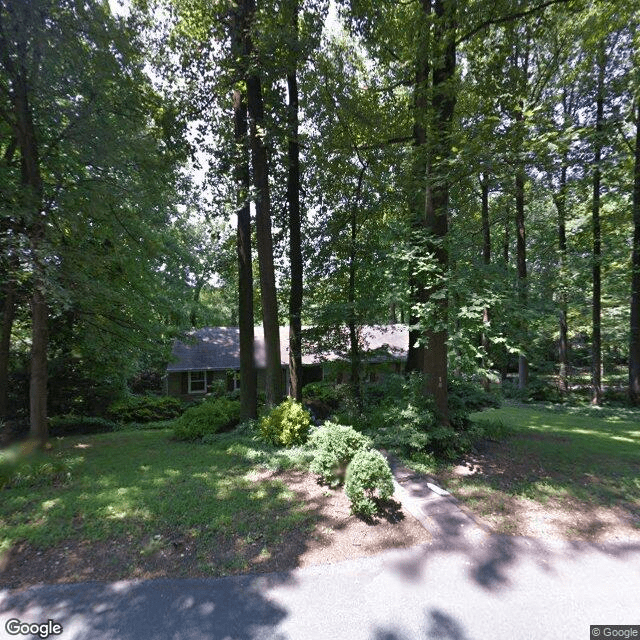
18 Birch Knoll Rd., Wilmington, DE 19810
To contact a resident: (302) 475-4759
For more information about senior living options: (866) 208-4318
Sunflower House Costs & Pricing
At Sunflower House, the monthly cost for a private room is set at $2,250, which is significantly more affordable compared to the averages in New Castle County and the broader state of Delaware. In New Castle County, the cost for a similar private accommodation reaches approximately $3,980, while across Delaware, it escalates further to about $4,553. This pricing structure positions Sunflower House as an inviting option for individuals seeking quality care without the financial strain typically associated with comparable facilities in the region.
| Floor plans | Sunflower House | New Castle County | Delaware |
|---|---|---|---|
| Private | $2,250 | $3,980 | $4,553 |
Senior living communities with a similar price nearby
-
from +$295 / mo

Brandywine Living at Upper Providence
$2,545 to $5,130 / month22.6 miles away -
from +$435 / mo

Ivy Creek Gracious Retirement Living
$2,685 to $4,675 / month4.3 miles away -
About the same

Brandywine Living At Senior Suites
$2,295 to $4,895 / month22.8 miles away -
from -$216 / mo

Abigail House For Nursing & Rehabilitation
$2,034 / month22.3 miles away -
About the same

St. Martha Villa
$2,313 to $3,903 / month17.0 miles away
Overall Review of Sunflower House
Pros
 The director is wonderful and warm.
- The residence is beautiful.
Cons
 It is independent living, not personal care, per Jenny.
Review
Sunflower House in Wilmington, DE is best suited for active seniors who want to preserve a high degree of independence in a well-kept, aesthetically pleasing setting, guided by a director who sets a warm, personal tone. This is not a care-forward community; it functions as independent living with an emphasis on autonomy, tidy grounds, and welcoming common spaces. For residents who prefer a straightforward, maintenance-light lifestyle and are comfortable managing personal care needs themselves or arranging outside assistance, Sunflower House represents a practical, low-friction option that emphasizes atmosphere and leadership more than on-site medical support.
Families evaluating Sunflower House should explicitly consider alternatives for anyone who anticipates needing consistent daily care, memory support, or on-site health services. If personal care, skilled nursing, or memory care is likely to be required in the near term, a traditional assisted living community or a continuing care retirement community with on-site care options will generally serve better. The independent-living model here means that while social opportunities and housekeeping may be present, the safety net for evolving health needs is not built into the core offering.
Pros lean heavily on two perennial strengths: leadership and ambience. The director is repeatedly described as wonderful and warm, and that interpersonal quality translates into a calmer, more welcoming transition for new residents and smoother day-to-day interactions. The residence itself is portrayed as beautiful, with architectural and interior appeal that can significantly uplift daily life and reduce the friction many people associate with moving. For residents who prize a friendly, responsive administrative presence and a visually inviting home, these elements often compensate for the absence of on-site care.
Yet the primary con is the absence of ongoing personal-care services. Independent living at Sunflower House means decisions about daily help, medical supervision, or assistance with activities of daily living fall outside the core package and must be sourced externally or through future transitions. With only a small set of published experiences to draw on, three reviews total, including one low rating, the picture is inherently partial and invites caution. A 1-star evaluation signals that at least one resident experienced meaningful dissatisfaction, underscoring the importance of a careful, on-site assessment before committing, especially for those nearing higher care needs.
To navigate these realities, prospective residents should verify what “independent living” truly includes on a day-to-day basis. Ask for a detailed list of included services (maintenance, housekeeping, meals, transportation, security, social programming) and confirm what is optional or add-on. Inquire about care options: are there arrangements with third-party providers, and how is health status monitored as needs change? Review the resident agreement for terms on price stability, how changes in service level are billed, and what happens if health declines and a move becomes necessary. Finally, tour with a critical eye toward social opportunities, safety features, and residence-to-residence consistency, elements that often determine whether independence stays feasible long-term.
The verdict is practical and specific: Sunflower House is a solid fit for seniors who value a warm, well-presented home and a capable director, matched with a strong preference for staying independent. It is less suitable for those who expect a built-in care continuum or who anticipate needing daily support soon. For families weighing next steps, the question is not whether the building is pleasant, but whether the resident’s health trajectory warrants a true care-enabled placement. If independence remains the priority, Sunflower House offers a compelling combination of atmosphere and leadership that can make the senior years comfortable and dignified. If not, alternative Wilmington options with robust on-site care and clearer coverage for escalating needs deserve close consideration.
 Board and Care Home
 Activities off-site
 Bath tubs
 Devotional services off-site
 Indoor common areas
 Outdoor common areas
 Private
 Private bathrooms
 Respite or short term stays offered
 Swimming pool / hot tub
 New Castle County (12 miles away)
 Incontinence care
 Medication management
 Meals provided





 Fecal Incontinence in Older Adults: A Comprehensive Guide
 Recognizing the Journey: Understanding and Navigating Anticipatory Grief
 Encouraging Participation in Adult Day Care: A Guide to Supporting a Hesitant Parent