
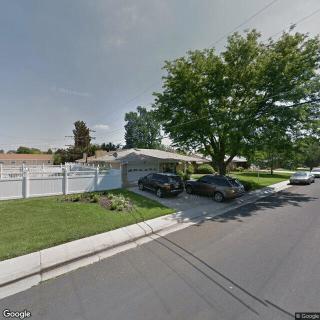
2640 South Jersey Street, Denver, CO 80222
For more information about senior living options: (866) 208-4318
Overall Review of Serene Assisted Living
Pros
 Serenity House staff always listened, brainstormed solutions, made accommodations, and demonstrated genuine care for residents and their families.
- The home is spotless, smells fresh, and is organized in terms of daily care and meals.
- The staff are positive, loving, and careful in taking care of residents, with families kept updated on health.
- Serenity House truly does what they say they will do: care for loved ones with dedication.
- The house manager is hardworking, highly organized, and compassionate with a big heart.
- Mike, the owner, has a physical therapy background and is proactive in meeting residents’ care needs.
- Sonia handles operations with knowledge, responsiveness, and creative problem-solving.
- The environment feels like a home rather than a facility, and residents are treated like family with meals shared together.
Cons
 The reviewer states that the office is no longer there and has moved somewhere else.
- The reviewer recalls that many other facilities the mom lived in were a huge disappointment and delivered unfulfilled promises.
Review
Serene Assisted Living in Denver is best suited for families seeking a truly home-like, small-house environment where care feels personal, relational, and dependable. The community reads as a hands-on operation rather than a city-block-sized campus, with ranch-style layouts, home-cooked meals, and active outdoor spaces that invite residents to stay connected to everyday life. Reviews consistently describe staff who know residents by name, respond promptly to requests, and tailor routines to individual needs. For seniors with memory challenges or early-to-mid dementia, this setting often translates into a calmer, more navigable daily life than larger, more impersonal facilities.
The model also appeals to families who prize strong family involvement and clear, ongoing communication. A repeated theme is that staff not only care for residents but keep families in the loop, sharing updates on health, medications, and daily changes with consistent responsiveness. The house manager emerges as a standout figure: organized, compassionate, and capable of maintaining a steady routine that residents can rely on. The owner’s background in physical therapy is cited as a practical advantage, ensuring care plans are not just well-intentioned but aligned with functional goals. The environment supports meaningful engagement through events, picnics, holiday gatherings, and musical visits, reinforcing the sense that this is a place where residents are treated like people with lives outside aging.
That said, there are clear boundaries to consider. The strongest caveat involves the scale and resources of a small, family-operated home: the level of on-site medical oversight is necessarily more limited than what a larger, multi-campus community can offer. For residents who require constant nursing supervision, complex skilled therapies, IV care, or a formal, dedicated memory-care unit with robust clinical protocols, Serene Assisted Living may feel insufficient. Families weighing options should match expectations about medical support to the resident’s needs, recognizing that personal attention and safety routines do offset some gaps but cannot replace an on-site hospital-like capability.
Another practical concern surfaced through the occasional logistical hiccup around location. One review notes an office relocation, suggesting attention is needed to confirm current address and continuity of services. That risk is mitigated by the evident stability of day-to-day operations when the community is in place and actively caring for residents, yet it remains a factor for families who require a fixed, predictable location and a long-term plan. In short, the intimate, homey feel and personalized care are major strengths, but the model does not promise the same level of medical machinery or campus longevity as larger operators.
For families deciding whether Serene Assisted Living is the right move, focus on the day-to-day rhythm and the resident’s needs. Pros, closely supervised attention, low resident-to-staff ratios, consistent family updates, and a warm, home-like atmosphere, materially offset the absence of a full clinical team, provided the resident’s needs stay within the level that a small, supervised home can safely manage. The atmosphere of care, where staff learn personalities, preferences, and triggers, fuels smoother transitions for residents who may resist change or who are drifting between independence and assisted daily activities. The outdoor spaces, the ability to bring a family dog for visits, and the home-cooked meals all contribute to quality-of-life gains that are hard to replicate in larger, more clinical settings.
What to verify on a visit: confirm the current location and accessibility of the residence, request a candid walk-through of daily routines, and ask to meet the house manager and, if possible, the owner or direct supervisor. Inquire about the current staff-to-resident ratio, the specific qualifications of caregivers, and how medication management is handled, including how changes are communicated to families. Seek concrete examples of how increasing care needs have been accommodated in the past and what the procedure would be if urgent medical attention becomes necessary. Finally, observe the social climate: are meals shared in a communal setting, do residents participate in planned activities, and does the environment feel orderly and safe? These signals matter as much as stated promises.
The bottom line is straightforward. Serene Assisted Living remains a strong option for families prioritizing a warm, responsive, and person-centered home atmosphere with diligent communication and dementia-friendly routines. It is especially well-suited for residents who flourish in smaller communities where staff become familiar faces and daily life holds a predictable cadence. It is less likely to satisfy families seeking heavy medical oversight, a formal memory-care unit, or a large, hospital-like campus with broad in-house specialty services. When considering this community, the practical next steps are decisive: tour in person, meet the house manager and owner, verify the current address and licensing, and confirm that the resident’s needs align with the level of care that a small, home-based setting can reliably provide. If those boxes check, Serene Assisted Living offers a compelling, grounded option that translates care into real-life comfort and steady daily engagement.
 8 resident community capacity
 Assisted Living
 Board and Care Home
 Cable or satellite TV
 Dining room
 Fully furnished
 Garden
 Housekeeping services
 Move-in coordination
 Outdoor space
 Telephone
 Wi-Fi/high-speed internet available
 Denver International (19 miles away)
 24-hour supervision
 Activities of daily living assistance
 Assistance with bathing
 Assistance with dressing
 Assistance with transfers
 Diabetes diet
 Meal preparation and service
 Medication management
 Special dietary restrictions
 Transportation arrangement (medical)
 Transportation to doctors appointments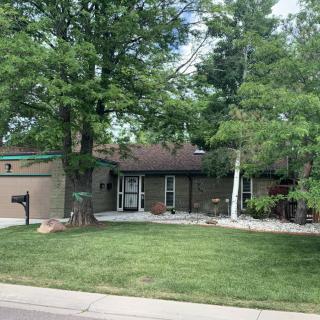





 An Extensive Exploration of the VA Aid and Attendance Benefit
 Senior Transition Services: Understanding Their Role, Cost, and Importance
 Exploring the Path to Senior Living: A Comprehensive Look at Independent Living and Assisted Living