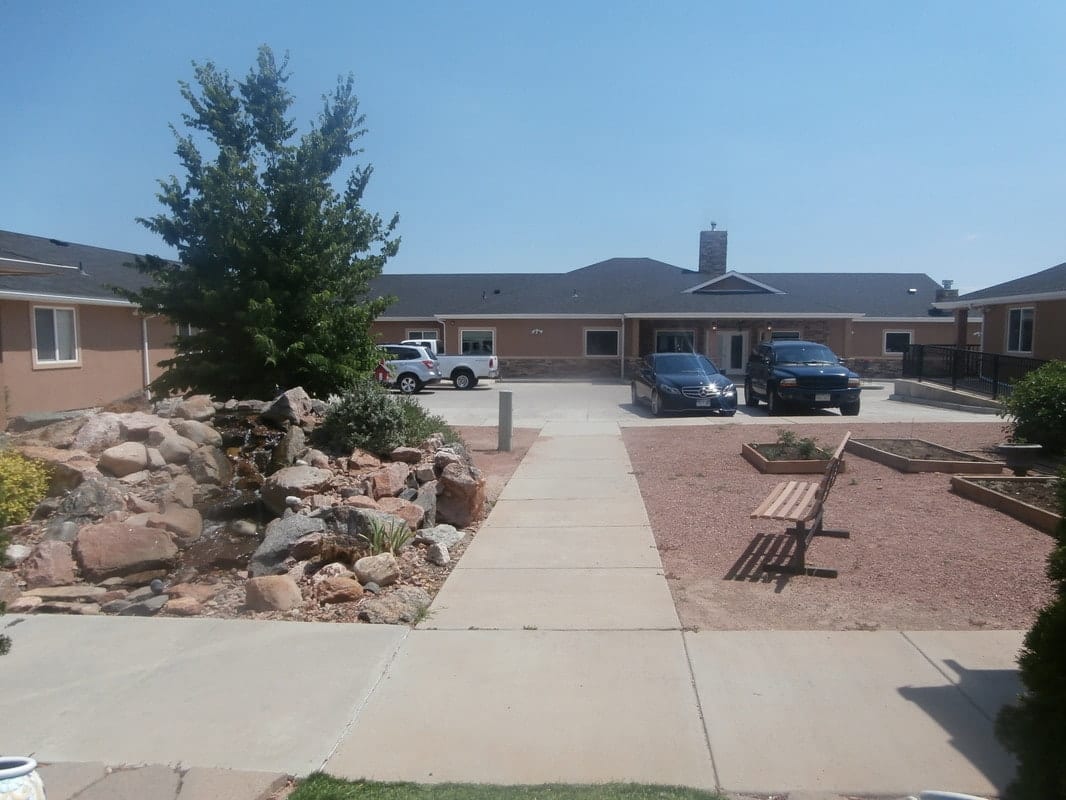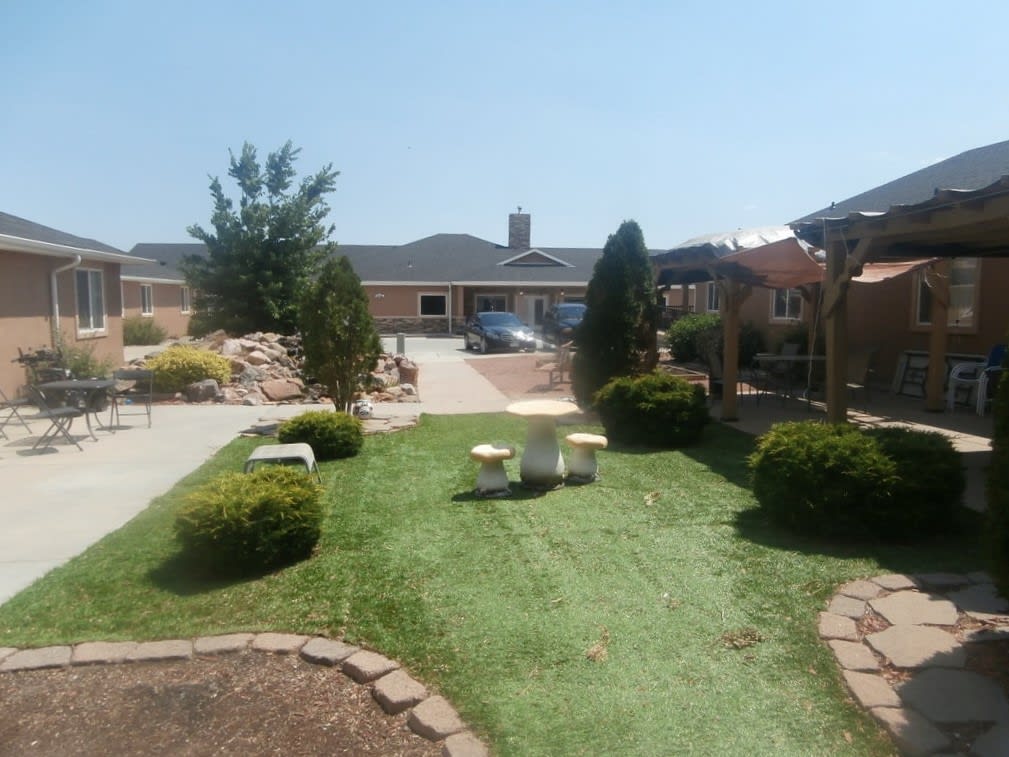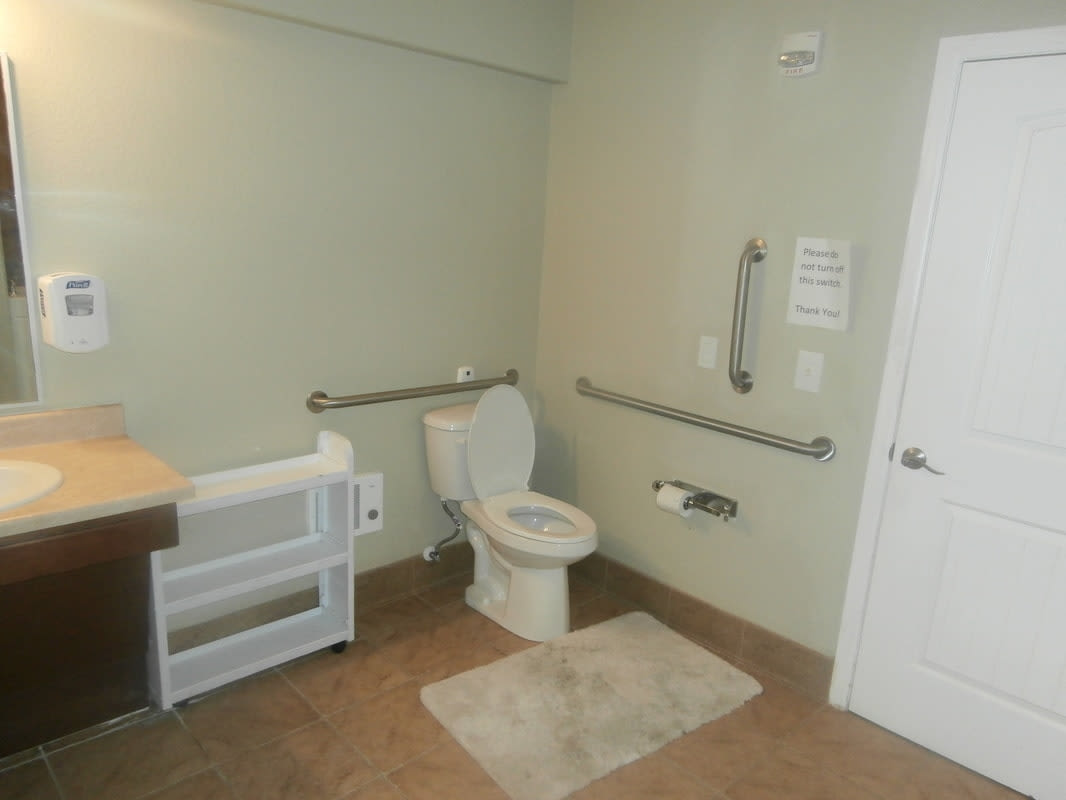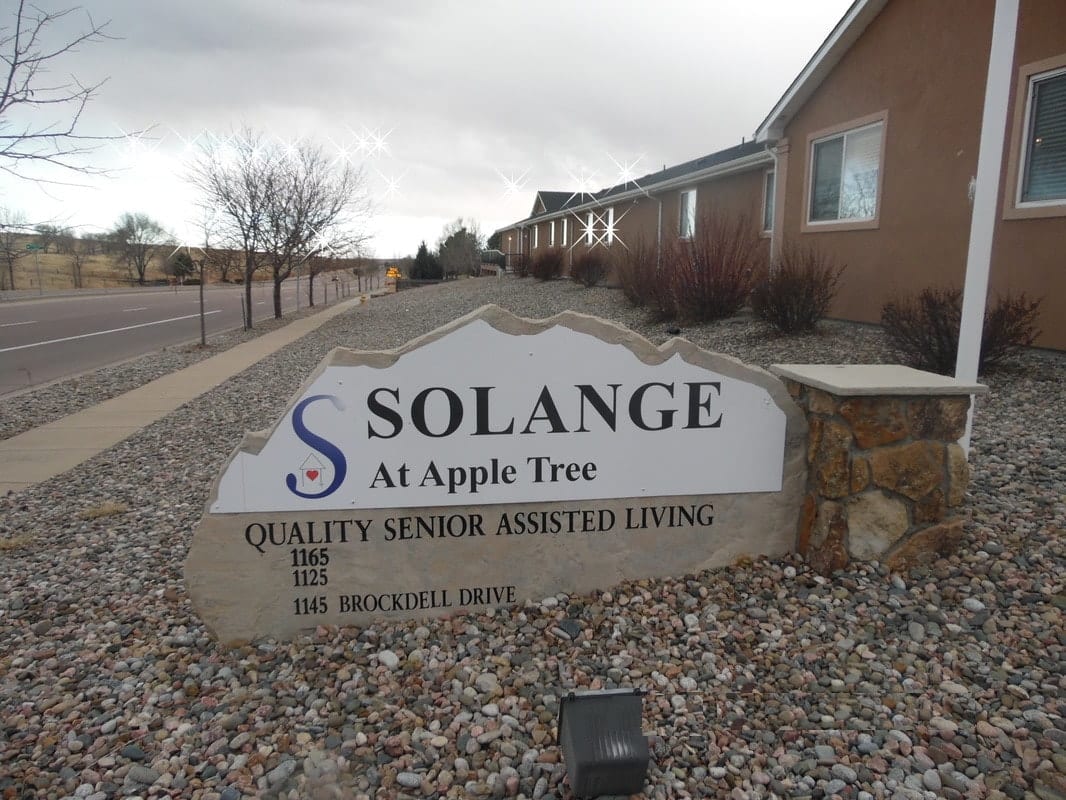
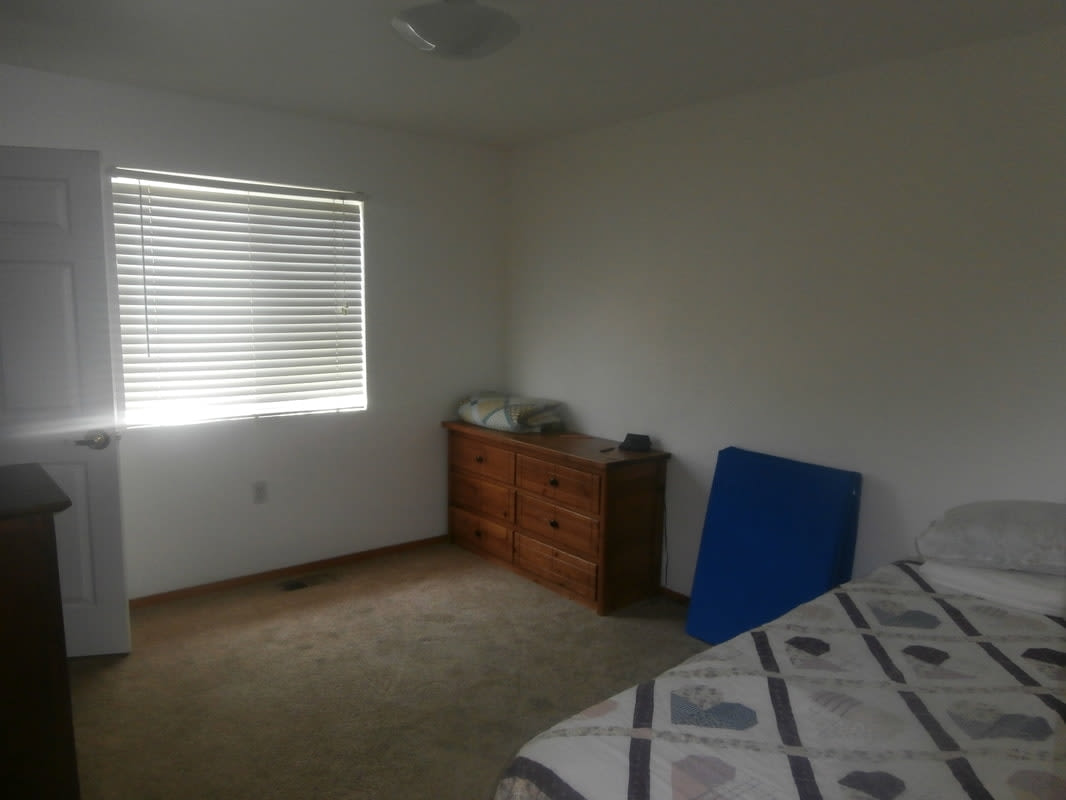
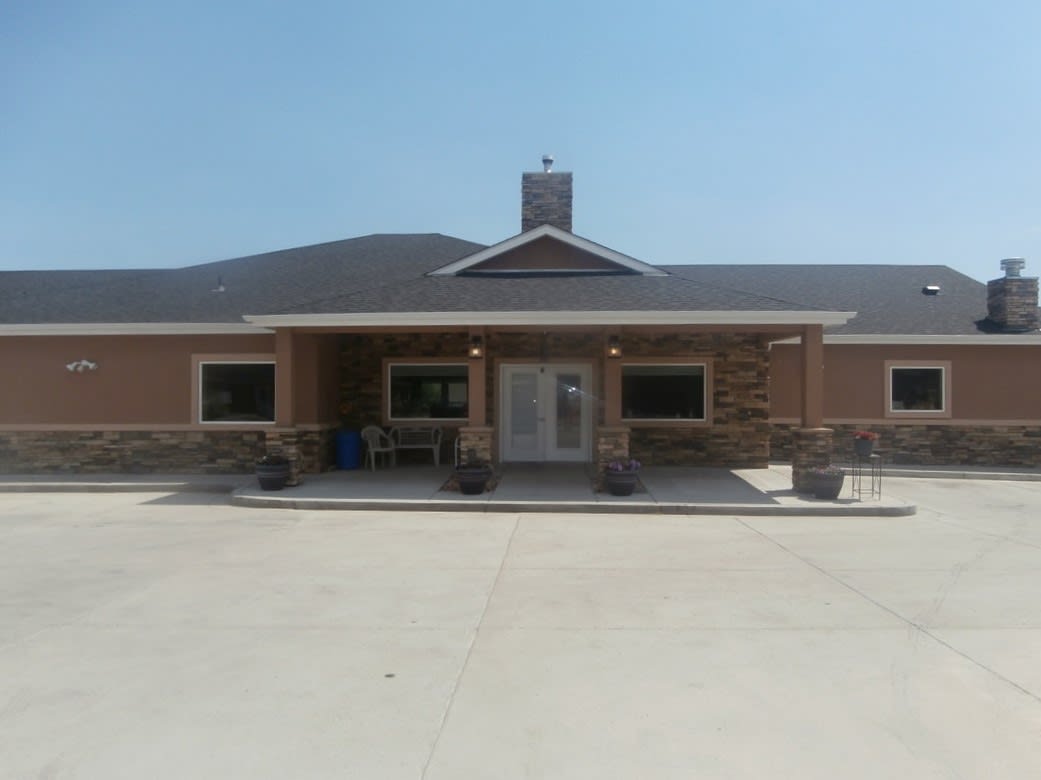
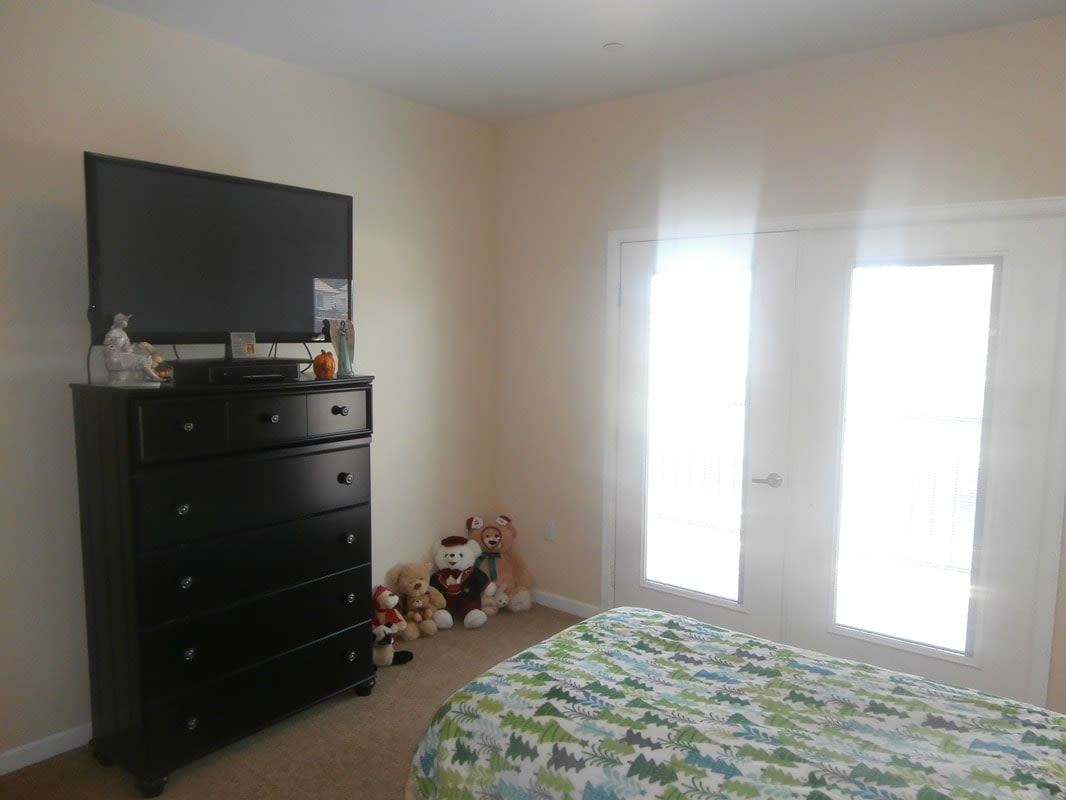
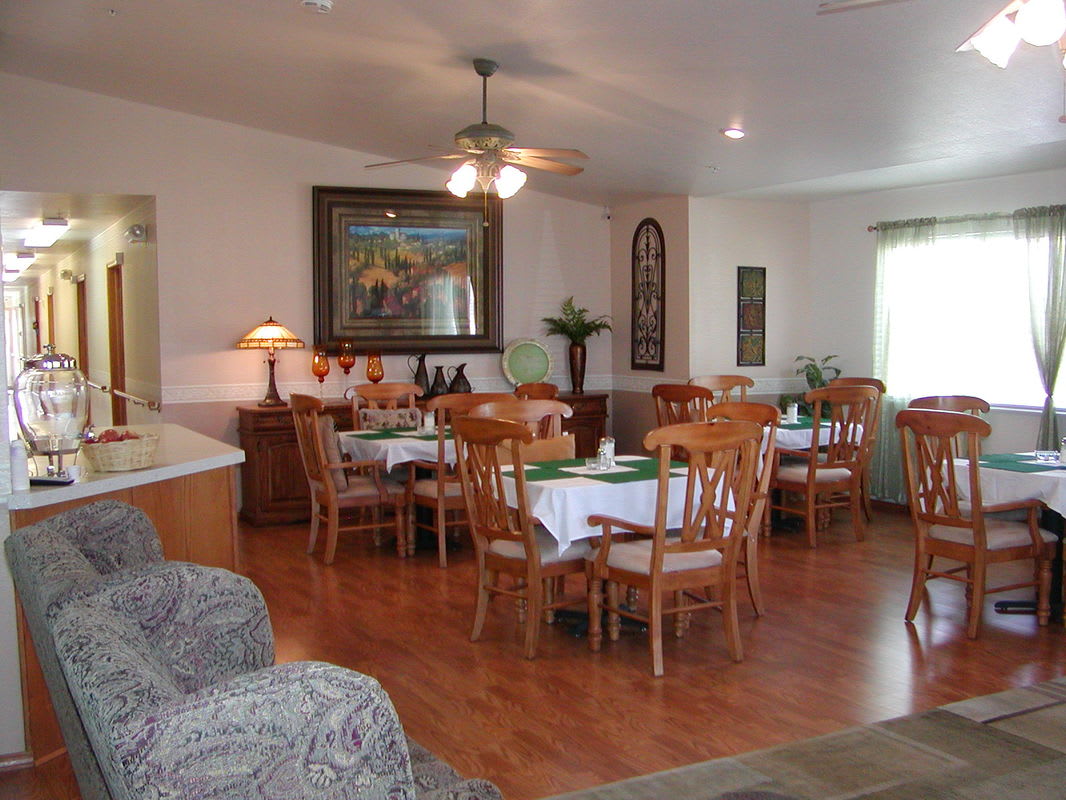


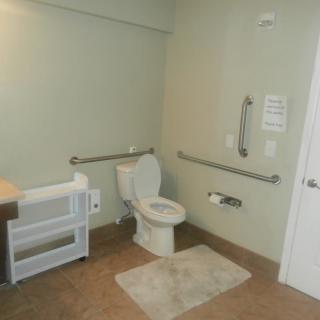
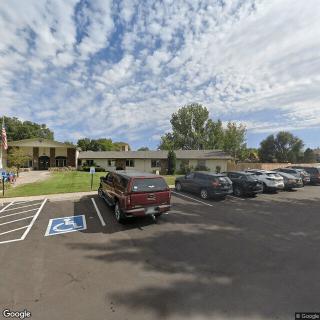
1145 Brockdell Drive, Colorado Springs, CO 80911
To contact a resident: (719) 354-1346
For more information about senior living options: (866) 208-4318
Solange at Apple Tree Costs & Pricing
Solange at Apple Tree offers competitive pricing for its residents, particularly when compared to the broader market in El Paso County and the state of Colorado. For a semi-private room, Solange charges $2,800 per month, significantly lower than the county average of $4,029 and the state average of $4,009. Similarly, for studio accommodations, Solange's rate of $3,800 is also more affordable compared to the county's average of $3,458 and the state's typical cost of $4,090. These pricing structures highlight Solange at Apple Tree's commitment to providing quality care at accessible rates within a region where costs can be notably higher.
| Floor plans | Solange at Apple Tree | El Paso County | Colorado |
|---|---|---|---|
| Semi-Private | $2,800 | $4,029 | $4,008 |
| Studio | $3,800 | $3,458 | $4,088 |
Assisted Living communities with a similar price nearby
-
from -$100 / mo

St. Padre Pio Assisted Living
$2,700 to $5,000 / month8.9 miles away -
from +$515 / mo
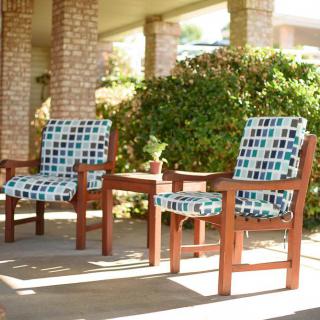
The Bridge At Colorado Springs
$3,315 to $4,590 / month6.7 miles away -
from -$255 / mo
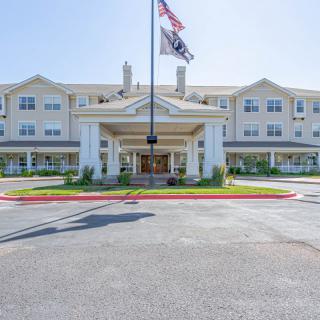
Bear Creek Senior Living
$2,545 to $5,800 / month9.2 miles away -
from -$100 / mo
Constant Care Of Colorado Springs
$2,700 to $3,500 / month4.5 miles away -
from -$300 / mo
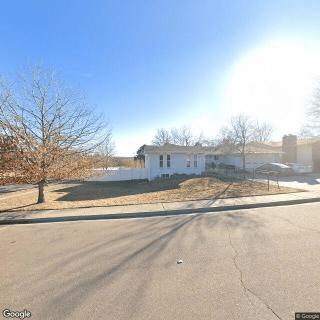
Garden Ranch Senior Care
$2,500 / month11.5 miles away
Overall Review of Solange at Apple Tree
Pros
 The staff here is amazing.
- The staff truly makes the residents feel like family.
- The food is healthy and mostly home-cooked for every meal.
- The kitchens in all three buildings are equipped with a stove, refrigerator, and sink, making it feel like home.
- Mayra, a caregiver, has done a fantastic job looking after residents.
- Liz was helpful with information about services.
- The staff and administration genuinely care for the residents and want them to live a full and meaningful life.
- The company is highly regarded by employees for its focus on care.
Cons
 They would give zero stars if possible.
 - They note that a grandmother’s belongings were left in a box outside the front door with no communication.
- They were told the belongings would be thrown away within 48 hours.
- They were notified about the death three weeks after it occurred.
- They felt the staff did not care when an elderly resident wandered off.
- They described no activities and limited engagement for residents, with many staff members not speaking English.
- They observed a revolving door of staff turnover, leading to instability.
- They witnessed residents wandering away on a busy street without timely notification.
- They reported missing items after a loved one returned from the hospital and misplaced documents with poor communication.
- They described the facility as understaffed and negligent.
Review
Solange at Apple Tree is best suited for seniors who prize a warm, home-like environment, value independence, and want the option to cook or bake in a familiar setting. This community can work for families that can tolerate a variable staffing climate because when the care team is present and engaged, residents feel treated like family, meals are solid, and the on-site kitchens support a comfortable, “own space” vibe. It is not the right fit for those requiring consistent, highly supervised care, exacting administration, and steady communication. If reliability and predictable oversight are non-negotiable, alternatives should be explored.
The strongest positives center on culture and flavor: caregivers who connect with residents, and the ability to maintain autonomy with kitchens available in all three buildings. Several reviews highlight meals that are healthy and home-style, and staff that genuinely treats residents with warmth and respect on good days. The onboarding and ongoing responsiveness from the team can feel personal and supportive, with some families reporting that care teams go “above and beyond” to secure arrangements and address requests. For residents who can thrive with a close-knit staff and clear, friendly communication, these elements offer meaningful quality of life.
Yet the favorable aspects do not erase systemic concerns that repeat across many accounts. Chronic understaffing and high turnover produce unstable daily experiences, with administrators and caretakers coming and going frequently. This reality translates into uneven attention to residents, delayed or absent updates, and a general sense that safety and day-to-day oversight are at risk. Alarmingly, several reviews describe wandering near a busy street, with staff either unable to monitor effectively or slow to respond. Instances of missing items, misplaced documents, and delayed notifications after a resident’s hospital stay or death amplify the sense that key protective processes are not consistently in place.
The pros offset the main cons only in limited, situational moments. When a capable caregiver is on shift, exemplified by reports of Mayra’s excellent care for a grandmother or Liz providing helpful service, the experience can be deeply reassuring. The on-site kitchens and the option to live with a degree of independence can also feel liberating for residents who do not want a highly prescriptive environment. However, these bright spots are intermittently visible, and the overall pattern of staffing instability, communication gaps, and safety concerns tends to dominate the overall impression. In practical terms, this means a family must be prepared for variable day-to-day reliability.
From a decision-making standpoint, tours should focus on concrete, observable metrics and policies. Request the current administrator’s name and presence, and ask for measured staff-to-resident ratios during day and night shifts. Probe for wander-management procedures, incident reporting practices, and the facility’s track record on notifying families about missing residents or medical events. Verify the handling of belongings and documents, including any past disputes over move-in fees or term commitments. Seek candid references from multiple current families, and verify how often leadership changes. A tour should also include a critical look at activities and engagement, if a resident thrives on social programming, the absence of meaningful options will weigh heavily.
In the end, Solange at Apple Tree offers a compelling sense of warmth and culinary consistency that can serve well-functioning, independent-minded seniors. The decisive factor is whether stability in staffing, transparent communication, and rigorous safety oversight can be secured, and whether family members are comfortable navigating a facility where leadership turnover and compliance questions have repeatedly surfaced. For families prioritizing independence, personal connections, and dependable meals, the place can still be a reasonable choice, provided diligent, proactive oversight is in place. For those who require unwavering supervision, predictable operations, and ironclad safety protocols, alternatives will likely deliver greater peace of mind.
 Assisted Living
 Activities on-site
 Beautician on-site
 Devotional services off-site
 Indoor common areas
 Respite or short term stays offered
 City of Colorado Springs Muni (4 miles away)
 Ambulatory care
 Diabetic care
 Incontinence care
 Medication management
 Meals provided



 8 Key Indicators That Suggest It May Be Time to Transition from Assisted Living to Skilled Nursing Care
 Vibrant Senior Living: A Comprehensive Guide for Active Older Adults
 When to Transition from Assisted Living to Memory Care: Key Indicators, Steps, and Finding the Right Community