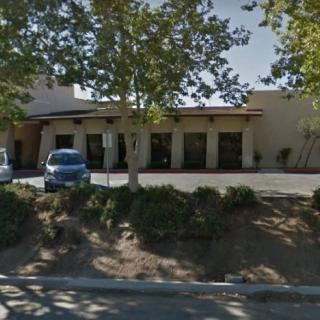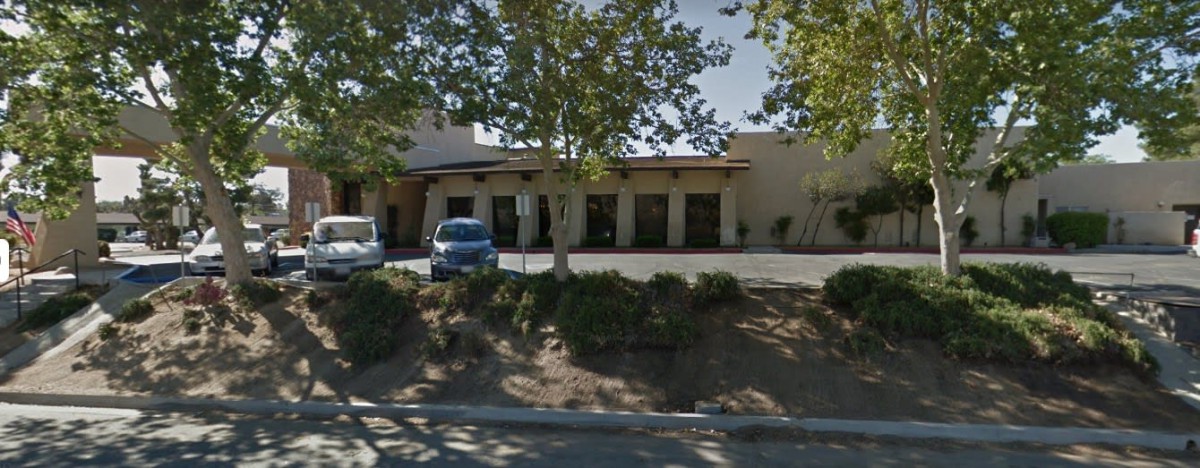
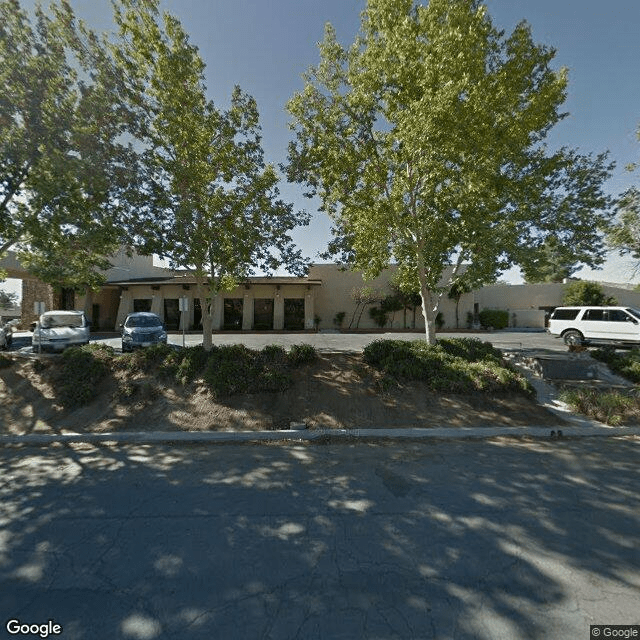
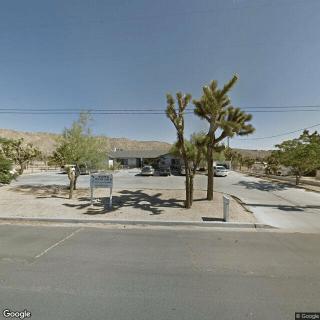
55425 Santa Fe Trail, Yucca Valley, CA 92284
For more information about senior living options: (866) 208-4318
Braswell's Santa Fe Assisted Living Costs & Pricing
Braswell's Santa Fe Assisted Living offers competitive pricing compared to the broader market in San Bernardino County and the state of California. For instance, their semi-private rooms are available at $1,800 per month, significantly lower than the county average of $2,958 and the state average of $3,333. Studios at Braswell's are priced at $2,400, while the county and state averages stand considerably higher at $3,455 and $4,145 respectively. One-bedroom options also reflect this trend with a monthly rate of $2,550 compared to $3,548 in San Bernardino County and $4,340 statewide. Even for two-bedroom accommodations at Braswell's, which cost $4,200 a month, there is still substantial savings when juxtaposed with the county's average of $3,893 and California's average of $5,270. Overall, Braswell's Santa Fe Assisted Living presents an attractive choice for those seeking quality care without compromising financial considerations.
| Floor plans | Braswell's Santa Fe Assisted Living | San Bernardino County | California |
|---|---|---|---|
| Semi-Private | $1,800 | $2,958 | $3,333 |
| Studio | $2,400 | $3,455 | $4,145 |
| 1 Bedroom | $2,550 | $3,548 | $4,340 |
| 2 Bedrooms | $4,200 | $3,893 | $5,270 |
Memory care communities with a similar price nearby
-
from +$295 / mo

Atria Rancho Mirage Terrace
$2,095 to $3,395 / month22.2 miles away -
About the same
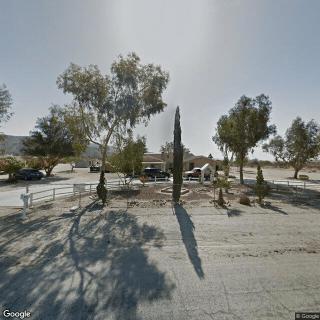
Paradise Guest Ranch
$1,800 to $4,000 / month14.6 miles away -
from -$300 / mo
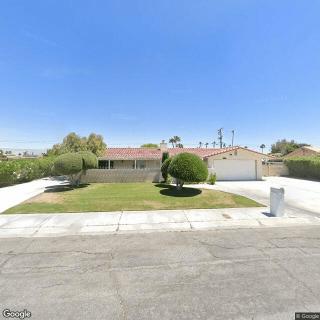
Serrano Residential Care for the Elderly
$1,500 to $2,000 / month18.5 miles away -
from +$300 / mo
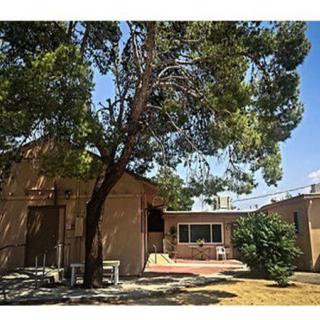
Crystal Care Villa
$2,100 to $2,600 / month8.2 miles away -
from -$200 / mo
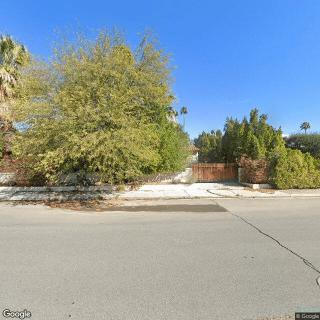
Retreat Las Palmas
$1,600 to $1,800 / month19.6 miles away
Overall Review of Braswell's Santa Fe Assisted Living
Pros
 The manager is very accommodating, easy to work with, and friendly.
- The medication clerk was very good.
- The community offers a good location and reasonable price, and is willing to work with residents.
- The staff cared for residents with love and kindness, going above and beyond for families.
- The facility is clean and well cared for, with residents handled personally and with kindness.
- Santa Fe Assisted Living was extremely nice and friendly, with a clean, homey dining area.
- The apartment is nice, clean, and homey, and the dining area is welcoming.
- The community provides amenities such as a craft room, beauty salon, TV room, and piano.
- The staff are friendly and willing to help.
- The place is nice, with a pleasant smell and friendly people.
Cons
 The facility has a very high turnover with caregivers.
- The meals are terrible; there are no experienced cooks and the food does not meet senior or special dietary needs.
- Residents were fed mostly high-carbohydrate foods, with wholesome options like fruits and vegetables restricted due to cost.
- A resident did not receive a shower for three weeks.
- The place smells like urine, and staffing is inadequate with only a few nurses for many residents.
- The facility is rundown and hard to find staff, with only a couple of workers in the memory care wing.
- Santa Fe was not appealing and cold, with a dull ambiance.
Review
Braswell’s Santa Fe Assisted Living in Yucca Valley is best suited for families who need an affordable, location-friendly option and value a straightforward, neighborly feel over polish. This community works well for seniors who can tolerate some variability in staff coverage and who rely on steady management to carve out practical routines. The setting appeals to those who want a basic level of supervision, safe daily living, and a willingness to advocate for diet and activity plans themselves. In other words, this is a pragmatic choice for households that prioritize cost and proximity, and that can tolerate potential gaps in consistency without sacrificing essential safety and daily care.
Key positives show up in the hands-on kindness of staff when present, and in the practical supports that do land reliably. The manager is described as accommodating and easy to work with, and the medication clerks are noted as competent, which matters for coordinating daily prescriptions and ensuring basic medical oversight. The facility’s cleanliness and the general sense that residents are treated with personal care can be a meaningful comfort for families, especially when paired with a reasonable price point and a location that minimizes disruption to familiar routines. Amenities like a craft room, beauty salon, TV space, and a piano provide modest social touches that can help stimulate conversation and gentle activity. Those factors collectively help offset some risk of social withdrawal when programming isn’t in full swing every day.
However, the major cons consistently pull in the other direction and offset those positives. Food quality emerges as a recurring and troubling theme, with multiple accounts describing meals that fail to meet senior dietary needs, and in some cases leading to weight changes that raise concerns about nutrition. Understaffing and high turnover dilute continuity of care, particularly in memory-care areas where turnover and workload leave management stretched thin. Reports of urine odors, infrequent showers, and a sense of a rundown environment contribute to a perception that basic comfort and dignity can be inconsistent. Ambience can feel cold or dull, and in some visits the facility appeared understaffed, with few caregivers visible during the day. All of these factors complicate the overall quality of life for residents and create ongoing work for families who must supervise daily routines.
Management stability is another real concern that colors the overall impression. While some families praise the current leadership for being responsive, others note that management has been in transition, which translates into uncertain policies, uneven execution of care plans, and a sense that improvements are intermittent rather than systemic. This inconsistency matters, because it directly affects how reliably meals are prepared to nutritious standards, how promptly attention is given to health needs, and how consistently residents are engaged in activities. The combination of a clinical edge that feels under-resourced and a homey but aging environment makes the experience feel uneven, swinging between genuine warmth from staff and moments where care gaps become apparent.
Families considering alternatives should reserve this option for scenarios where cost, location, and a basic safety net trump the desire for culinary excellence, robust daily programming, and consistently responsive management. If a loved one requires strong, predictable nutrition, regular high-touch nursing attention, abundant daytime activities, or a climate of warmth and intentional social engagement, other communities may deliver more reliably. For memory care, those seeking high staffing ratios and more proactive oversight may find the gap too wide here. The prudent approach is to visit with a prepared checklist, confirm current staff-to-resident ratios, verify the meal plan and ability to accommodate dietary restrictions, and scrutinize recent maintenance and safety updates before committing.
In sum, Braswell’s Santa Fe Assisted Living can be a workable fit for families prioritizing affordability and proximity, where the resident is relatively self-managing, happy with modest programming, and able to participate actively in shaping their own routine. The decisive caveat is that care consistency, nutrition quality, and the warmth of daily life depend heavily on management stability and staffing on any given day. Prospective buyers should enter with clear expectations, a plan for regular advocacy, and a ready set of alternative options to compare against, because when nutrition, staffing, and ambience slide, the decision should tilt toward a community with fewer chasms between promise and daily reality.
 85 resident community capacity
 1-bedroom apartments
 Assisted Living
 Memory Care
 Cats allowed
 Dogs allowed
 Activities on-site
 Air-conditioning
 Bath tubs
 Beautician on-site
 Cable or satellite TV
 Computer center
 Devotional services off-site
 Dining room
 Fitness room
 Fully furnished
 Gaming room
 Garden
 Ground floor units
 Housekeeping services
 Indoor common areas
 Kitchenette
 Laundry
 Move-in coordination
 Outdoor space
 Private bathrooms
 Respite or short term stays offered
 Restaurant-style dining
 Small library
 Telephone
 Wellness center
 Wheelchair accessible showers
 Wi-Fi/high-speed internet available
 Palm Springs International (20 miles away)
 Community operated transportation
 12-16 hour nursing
 24-hour call system
 Assistance with bathing
 Assistance with dressing
 Assistance with transfers
 Diabetes diet
 Diabetic care
 Incontinence care
 Medication management
 Mental wellness program
 Special dietary restrictions
 Concierge services
 Day trips and outings
 Karaoke
 Live dance or theater performances
 Live musical performances
 Trivia games
 English
 Understanding Dementia Behaviors: Practical Insights and Strategies for Caregivers
 When Dementia Sparks Anger and Aggression: Understanding the Connection and Ways to Cope
 Dementia Behaviors: In-Depth Understanding and Effective Coping Strategies