
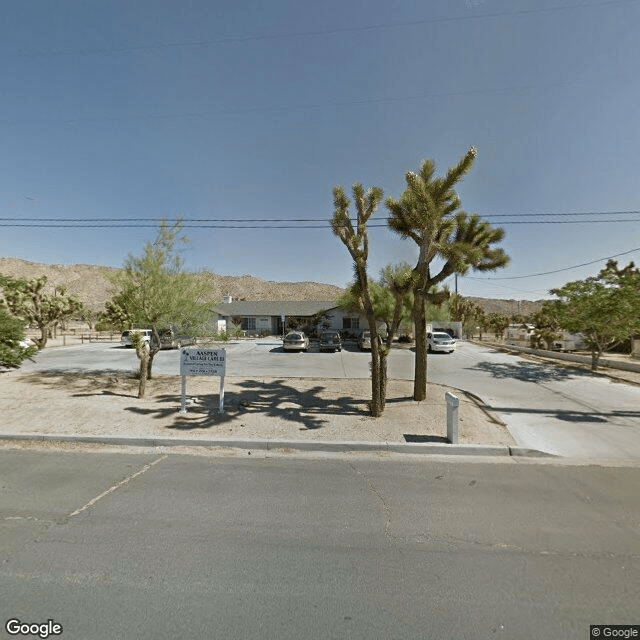
56524 Antelope Tr, Yucca Valley, CA 92284
To contact a resident: (760) 365-4524
For more information about senior living options: (866) 208-4318
Carter Care Center Costs & Pricing
At Carter Care Center, the monthly costs for accommodations demonstrate a significant advantage over both San Bernardino County and the broader California market. For a two-bedroom unit, residents enjoy a competitively priced rate of $1,500, which is considerably lower than the county's average of $3,893 and the state's average of $5,270. Similarly, the one-bedroom option at Carter Care Center is offered at $2,000 per month; this too is more affordable compared to San Bernardino County's average of $3,548 and California's statewide average of $4,340. These rates reflect not only an attractive pricing structure but also a commitment to providing quality care in a cost-effective manner for our residents.
| Floor plans | Carter Care Center | San Bernardino County | California |
|---|---|---|---|
| 2 Bedrooms | $1,500 | $3,893 | $5,270 |
| 1 Bedroom | $2,000 | $3,548 | $4,340 |
Assisted Living communities with a similar price nearby
-
About the same
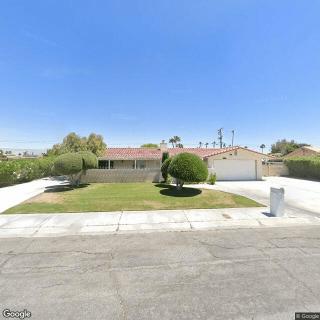
Serrano Residential Care for the Elderly
$1,500 to $2,000 / month19.3 miles away -
from +$100 / mo
Retreat Las Palmas
$1,600 to $1,800 / month20.5 miles away -
About the same
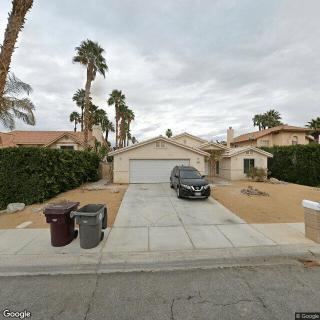
Hermosillo Home Care
$1,500 to $3,500 / month20.1 miles away
Overall Review of Carter Care Center
Pros
 They are loving and caring, treating residents like family.
- They show love and respect for residents as if they were their own family.
Cons
 They wouldn’t leave their dog there.
- The organization is corrupt.
- None of their staff is licensed.
- They illegally extorted money.
Review
Carter Care Center in Yucca Valley is best suited for families seeking a small, home‑like atmosphere where staff aim to treat residents as if they were family and where daily warmth can compensate for a less formal governance structure. This setting will appeal to seniors who value intimate, individualized attention and a sense of belonging over the polish of a larger, more regulated operation. Prospective families should be prepared to conduct thorough due diligence on licensing, staffing qualifications, and billing practices, because the trade‑off here is a more personal environment at the potential expense of formal oversight.
On the upside, the environment described by several reviewers centers on genuine caregiver warmth. A recurring sentiment is that staff are loving and caring, and that residents feel respected and valued within a familial framework. That kind of emotional connection can be a meaningful plus for individuals who fear isolation or impersonal care in institutional settings. In a best‑case scenario, residents benefit from predictable routines, continuous companionship, and caregivers who invest themselves in daily interactions that feel personal and reassuring.
Yet the major caveat cannot be ignored. The most serious red flags raised by the reviews concern governance and ethics. Claims that staff are not licensed, coupled with allegations of financial practices described as extortion or corrupt behavior, signal potential risks around regulatory compliance, accountability, and fair billing. Even if warmth remains high, these concerns strike at the core of safety, transparency, and trust, nonnegotiables for informed family decisions about long‑term care. Any family leaning toward Carter Care Center should pursue independent verification of licensing status, staff credentials, and the facility’s financial and contractual practices before committing.
That fundamental tension, high household warmth versus significant governance concerns, drives the bottom‑line calculus. The positive, human‑centered care can partially offset frustrating or opaque processes for families who have the bandwidth to navigate it and who place a premium on emotional well‑being. However, the weight of licensing questions and potential financial impropriety tends to overwhelm emotional appeals for anyone who cannot tolerate ambiguity or risk. For families with strict expectations around licensed operation, clear billing practices, and external accountability, this facility will likely fall short.
To make the most informed choice, families should compare Carter Care Center against facilities with unambiguous licensing histories, transparent pricing, and robust staffing standards. Concrete steps include requesting the most recent state licensing and survey reports, probing caregiver qualifications and turnover, and reviewing the exact terms of any financial agreements or deposits. Engage directly with the administrator to obtain written policies on billing, refunds, and complaint resolution. Contact the local long‑term care ombudsman or state adult/elder services for independent feedback and to verify there are no active enforcement actions on file.
In the end, Carter Care Center offers a warm, family‑style living experience that can be deeply comforting for residents who thrive on personal attention. The decisive factor is whether the family can confirm licensing integrity and ethical financial practices, and whether the caregiving warmth can be sustained in a framework of transparent governance. If due diligence confirms solid regulatory standing and trustworthy billing, the community can be a meaningful home for the right resident. If not, alternatives with stronger oversight and clearer protections should be pursued without hesitation.
 Assisted Living
 Independent Living
 Activities on-site
 Devotional services off-site
 Indoor common areas
 Palm Springs International (21 miles away)
 Ambulatory care
 Diabetic care
 Meals provided


 How and When Medicaid May Cover Assisted Living Costs
 A Detailed Exploration of Assisted Living Medicaid Waivers Across the United States
 Comprehensive Residential Support and Assisted Living Solutions for Individuals with Disabilities