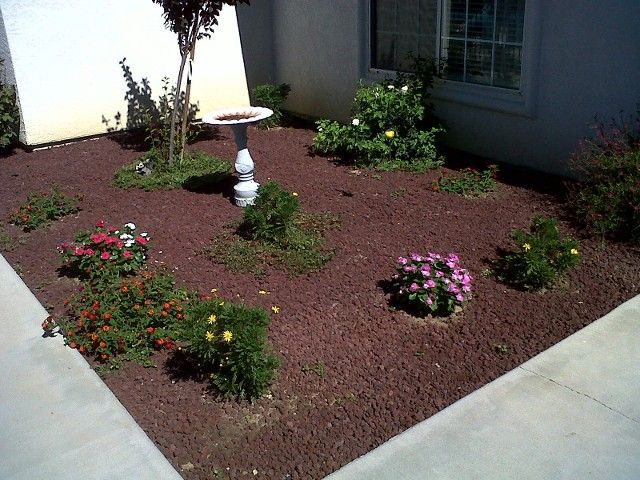
56524 Antelope Trail, Yucca Valley, CA 92284
For more information about senior living options: (866) 208-4318
Aaspen Village Care III Costs & Pricing
Aaspen Village Care III offers a competitive pricing structure for its one-bedroom accommodations, with monthly costs set at $3,100. This rate is notably lower than the San Bernardino County average of $3,548 and significantly more affordable compared to the statewide average in California, which stands at $4,340. Such pricing not only reflects Aaspen Village Care III's commitment to providing quality care but also positions it as an attractive option for families seeking budget-friendly residential solutions without compromising on essential services and support.
| Floor plans | Aaspen Village Care III | San Bernardino County | California |
|---|---|---|---|
| 1 Bedroom | $3,100 | $3,548 | $4,340 |
Memory care communities with a similar price nearby
-
from -$100 / mo
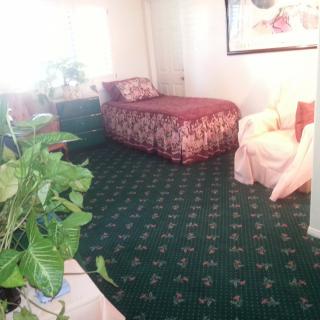
Carino's Quality Home Care
$3,000 to $3,500 / month21.0 miles away -
from -$600 / mo
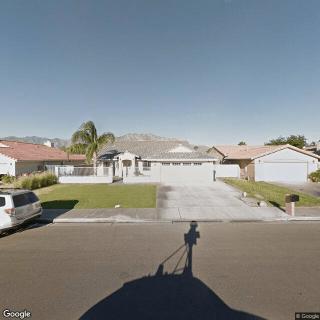
Island's Best Home Care
$2,500 to $3,000 / month20.7 miles away -
from -$105 / mo

Stonewall Gardens
$2,995 to $5,450 / month20.1 miles away -
from -$550 / mo
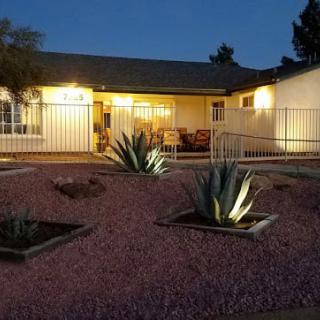
Angelic Mansions Assisted Living
$2,550 to $4,795 / month1.6 miles away -
About the same

Pacifica Senior Living Palm Springs
$3,100 to $4,200 / month21.6 miles away
Overall Review of Aaspen Village Care III
Pros
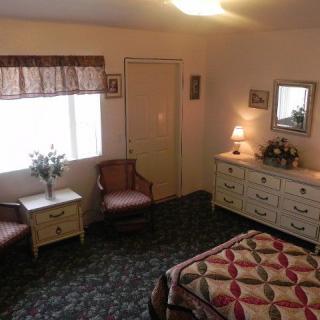
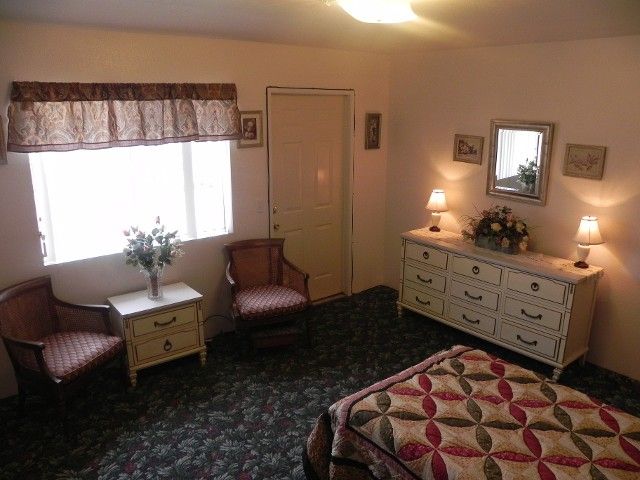
 Aaspen Village Care was pretty well-kept and very clean.
- The staff were nice.
Cons
 Aaspen Village Care was old.
- The rooms were small.
- The bathroom attached to the room was not handicap-accessible.
Review
Aaspen Village Care III in Yucca Valley is best suited for seniors who prize a clean, low-stress living environment with a small, straightforward footprint and a staff that comes across as genuinely friendly and attentive. This community works well for residents who can function in compact accommodations and who do not require fully accessible bathroom facilities in their private space. For a family seeking simplicity, predictability, and a warm daily cadence, this setting can be a practical fit.
The most tangible positives from the available perspective are straightforward: the facility comes across as old yet well maintained and clean, with a tidy appearance that reduces concerns about basic upkeep. Rooms are described as small, but the space is typically presented as manageable rather than oppressive, which can simplify the transition for seniors who don’t need expansive quarters. The people who staff the place are noted as pleasant, creating an environment where daily interactions feel respectful and kind. The scent of meals cooking, while not a standout feature, suggests food service that is steady and dependable, important for routine-focused residents who want regular meal times without friction.
Yet the review highlights a decisive drawback that cannot be ignored: the bathroom attached to the room is not handicap-accessible. That single detail reframes everything for anyone with mobility limitations or who relies on assistive devices, making the living space less usable and potentially unsafe. The combination of an older building and restricted bathroom access amplifies concerns about long-term suitability, especially as care needs evolve. In short, accessibility issues overshadow some of the otherwise reliable daily rhythms and the friendly staff.
These factors create a clear trade-off. On one side lies a clean, predictable environment with courteous engagement from caregivers, a combination that can deliver comfort and stability for residents who are relatively independent and who don’t require enhanced accessibility features. On the other side stands a significant barrier: the lack of a handicap-accessible bathroom and the limited overall room size, which can hamper safety, privacy, and ease of daily living as needs grow. For a resident who values companionship and a straightforward routine above all else, the positives can hold meaningful weight; for anyone who prioritizes mobility support and room to maneuver, the cons are likely to be decisive.
Families should explicitly consider alternatives if accessibility or space is non-negotiable. Seek out communities with ADA-compliant bathrooms, zero-threshold entries, and walk-in showers, plus larger resident rooms that can accommodate two people or more substantial personal belongings. Look for facilities that have been recently updated or that offer a broader range of room plans to accommodate evolving care needs without sacrificing safety or comfort. In practice, this means expanding the short list to include options that balance warmth and cleanliness with modern infrastructure and improved accessibility.
A disciplined site visit is essential. During tours, verify the exact dimensions of the living spaces, confirm the availability of rooms with accessible bathrooms, and ask about potential room swaps or layouts that improve mobility. Inquire about meal variety and responsive dining services to corroborate the impression of steady, reliable food service. If a tour reveals true ADA features and a workable floor plan, Aaspen Village Care III can become a viable, practical choice for some families. If not, the prudent move is to continue the search for a community that aligns with both accessibility needs and the desire for comfortable, adequate private space, without compromising on warmth and daily consistency.
 23 resident community capacity
 Assisted Living
 Memory Care
 Beauty salon
 Cable or satellite TV
 Dining room
 Fully furnished
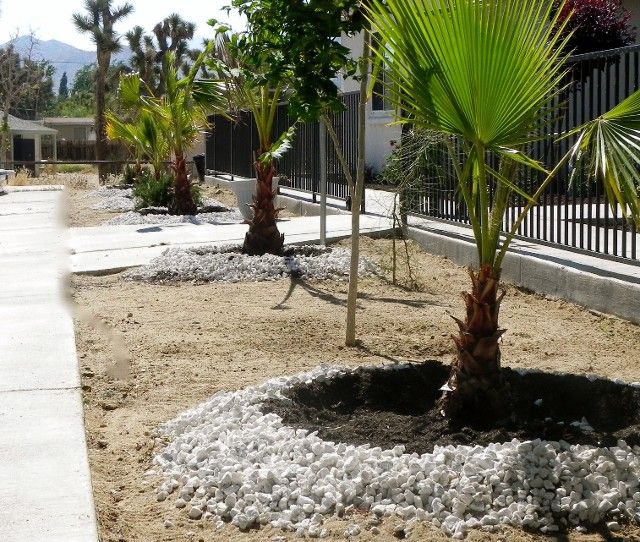
 Garden
 Housekeeping services
 Kitchenette
 Laundry
 Move-in coordination
 Outdoor space
 Restaurant-style dining
 Small library
 Telephone
 Wi-Fi/high-speed internet available
 Palm Springs International (21 miles away)
 Transportation & parking
 24-hour call system
 Activities of daily living assistance
 Assistance with bathing
 Assistance with dressing
 Assistance with transfers
 Diabetes diet
 Hospice care
 Medication management
 Mental wellness program
 Special dietary restrictions
 English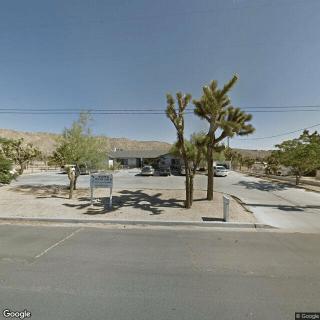






 Delving into the Inner World of Dementia: Insights into Thoughts and Awareness
 Five Subtle Dementia Indicators to Observe: An In-Depth Guide to Understanding “Does My Mom Have Dementia?”
 Dementia, Paranoia, and Caregiver Guidance: Understanding the Connection