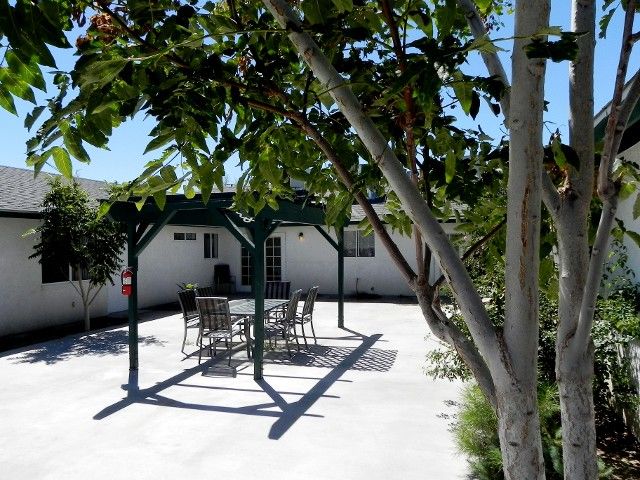

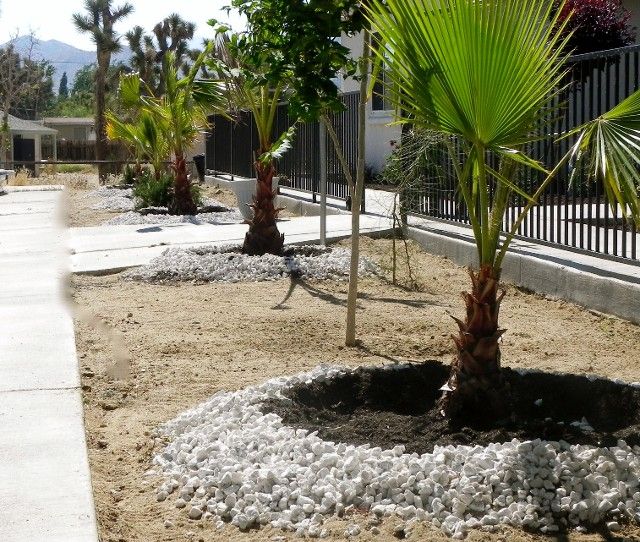

7645 Kickapoo Trail, Yucca Valley, CA 92284
For more information about senior living options: (866) 208-4318
Overall Review of Aaspen Villagecare II
Pros
 The staff provided very kind service during a difficult time.
 - The mother stated she liked it there and said it was great.
- The staff assisted the mother and her family through the process.
- The reviewer thanked the staff for their help.
Cons
 The facility is a filthy dump and cannot be trusted with a family member.
- The patient developed bed sores and bruises within 19 days of care.
- They care only about money, not the well-being of residents.
- The reviewer would not leave their dog there.
- The reviewer’s mother-in-law developed bruises and bed sores during 21 days of care.
- Belongings went missing after a family member retrieved them, and a police report has been filed.
Review
Aaspen Villagecare II in Yucca Valley is best suited for families on a tight budget who can tolerate uneven care quality and prefer plain, approachable frontline kindness over clinical polish. The clearest takeaway from the experiences shared is that staff frequently show warmth and a willingness to help during a difficult transition, and in some moments that support can be meaningful for both residents and families navigating placement anxieties. However, the underlying consistency of care and safeguards appears unreliable, and that gap matters greatly when medical needs or safety concerns arise. This community is not a safe default for anyone with significant care requirements, but it may fit a specific family willing to supervise closely and accept a variable level of attentiveness.
Those weighing alternatives should consider residents who require strong clinical oversight, predictable wound care, and rigorous safety protocols. For seniors at high risk of skin breakdown, falls, or those needing regular monitoring and timely response to changes in health status, this facility presents obvious red flags. Families should also take into account the risk of missing personal belongings and the possibility that accountability and incident resolution may be inconsistent. If a realistic expectation is needed, one that includes transparent communication about care concerns and a proven track record of safeguarding residents’ property, this community may not meet those standards.
On the upside, the strongest pro is the human element. Several reviews highlight genuinely kind service and staff who assist during one of life’s most emotional times. When families describe staff as supportive and express gratitude for help during placement, it’s a meaningful counterweight to the anxiety of choosing care. In at least one positive report, a resident’s view of the facility as “great” mirrors the impression that, when staff invest in rapport and reassurance, residents can feel cared for on a personal level. That goodwill can ease transitions and provide short-term comfort, especially in a setting where medical certainty is inconsistent.
The primary drawbacks counterbalance those strengths in a heavy-handed way. The most alarming concerns focus on significant, rapid physical harm and safety lapses: residents developing bedsores and bruising within weeks of admission, suggesting inadequate wound care and skin integrity management. Coupled with reports that belongings go missing and police reports are filed, the risk profile shifts from merely disappointing to potentially dangerous. When basic respect for a resident’s health and personal property is in question, the care environment loses its credibility for families seeking stability and accountability.
In weighing the pros against the cons, the emotional support from staff cannot fully redeem the clinical and operational gaps. Compassion and kindness matter, yet they do not substitute for proactive medical oversight, consistent wound and fall prevention, or reliable incident resolution. Families should expect to double-check care plans, insist on clear documentation, and demand visible, ongoing progress in resident health and safety. Without that level of accountability, the positives remain isolated moments rather than a dependable standard of care.
The practical verdict is clear: this community should be considered only after airing strict benchmarks and conducting a thorough on-site assessment. If choosing Aaspen Villagecare II, plan to implement an explicit, time-bound trial of care with defined exit clauses, insist on a detailed wound care protocol, request up-to-date incident logs, and verify staff-to-resident ratios during all shifts. For families prioritizing safety, reliability, and predictable daily care, it is wise to explore alternatives with stronger clinical teams and clearer records of resident safeguarding. Where cost is the decisive factor, proceed with caution, keeping a vigilant eye on care quality and transparency as the guiding criteria.
 15 resident community capacity
 Assisted Living
 Board and Care Home
 Cable or satellite TV
 Dining room
 Fully furnished
 Garden
 Housekeeping services
 Move-in coordination
 Outdoor space
 Telephone
 Wi-Fi/high-speed internet available
 Palm Springs International (20 miles away)
 24-hour supervision
 Activities of daily living assistance
 Assistance with bathing
 Assistance with dressing
 Assistance with transfers
 Diabetes diet
 Meal preparation and service
 Medication management
 Special dietary restrictions
 Transportation arrangement (medical)
 Transportation to doctors appointments





 Understanding the True Cost of Assisted Living in 2025: A Comprehensive Guide
 Understanding Medicaid Coverage for Assisted Living: A Comprehensive Guide
 How and When Medicaid May Cover Assisted Living Costs