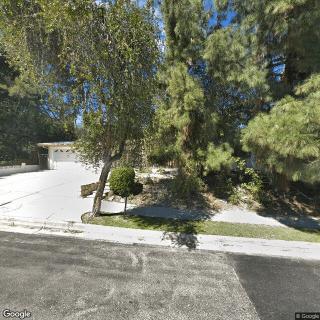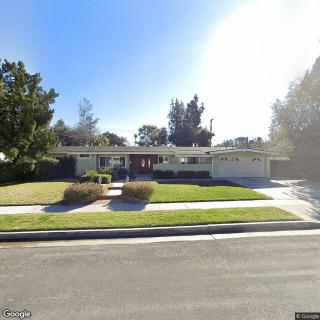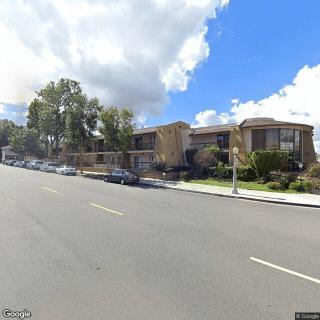
Assisted Comfort Home

Save
Assisted Comfort Home

Assisted Comfort Home in Woodland Hills, CA

23731 Killion Street, Woodland Hills, CA 91367

For more information about senior living options: (844) 490-3973

4.9 from 14 reviews
5 stars
13
4 stars
1
3 stars
0
2 stars
0
1 stars
0

Assisted Living Board and Care Home Memory Care

Assisted Comfort Home Costs & Pricing

Assisted Comfort Home offers a range of accommodation options that reflect the diverse needs of its residents, with pricing structured slightly above the average rates found in Los Angeles County and across California. For semi-private rooms, Assisted Comfort Home is priced at $3,500 per month, which is a bit higher than the county's average of $3,349 and California's state average of $3,333. Meanwhile, private rooms fall within a broader range of $3,800 to $5,500; this range surpasses both the county's average of $4,197 and the state average of $3,939. Furthermore, for those seeking studio accommodations, Assisted Comfort Home charges $6,000 per month - marking a significant premium compared to Los Angeles County's average of $4,172 and California's statewide figure of $4,145. Overall, while Assisted Comfort Home presents competitive options in terms of care services and amenities offered alongside these prices, potential residents should weigh these costs against their preferences for privacy and room type to find the best fit for their circumstances.

Floor plansAssisted Comfort HomeLos Angeles CountyCalifornia
Semi-Private$3,500$3,349$3,333
Private$3,800 to $5,500$4,197$3,939
Studio$6,000$4,172$4,145

Overall Review of Assisted Comfort Home

Pros

  • pro The staff are very professional and supportive.
  • pro They take excellent care of residents and are very welcoming.
  • pro The care makes residents happy and helps them feel better.
  • pro The staff are incredible and helpful for all patients' needs; they truly care about patients' wellbeing.
  • pro The staff are helpful and competent, ready to explain, assist, and meet residents' needs.
  • pro They provide a caring, safe environment for residents with memory or mobility concerns.
  • pro The community engages residents with activities and small groups, accommodates dietary restrictions, and keeps residents well hydrated.
  • pro The home is gorgeous, warm, and well maintained, with staff who really care.

Cons

  • pro One reviewer felt that the facility would not be able to address all of her husband's needs there.
  • pro A reviewer wished there were more activities to stimulate the residents' minds.

Review

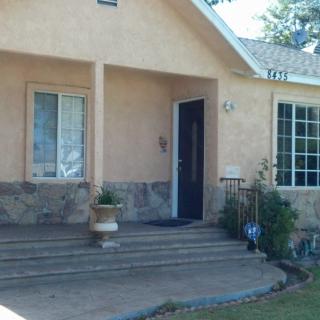
Assisted Comfort Home in Woodland Hills is best suited for families seeking a warm, home-like setting where seniors receive exceptionally attentive, hands-on care. The community stands out for residents who need help with daily activities and who have memory impairments or a fall risk, yet want to avoid the impersonal feel of a large facility. The staff's professionalism blends with a genuine, compassionate approach that makes families feel heard and involved, not distant. Local families repeatedly point to the owner's tenderness and to Maya's steady leadership as the core strengths that translate into reliable responsiveness, ongoing updates, and collaborative care planning. The environment reads as polished but cozy, with well-kept spaces and a neighborhood feel that reinforces a sense of safety and belonging.

Those weighing alternatives should consider settings that offer more clinical scale or structured cognitive-programming resources. If a senior requires a highly formal, institution-like memory-care program, around-the-clock medical visibility from a larger clinical team, or a broader repertoire of intensive, data-driven activities, a bigger community may be more appropriate. A minority of visitors initially question whether all complex medical needs can be addressed in a smaller home, though subsequent experiences from other families demonstrate a strong willingness to tailor care plans and to bring in external medical guidance as needed. For households seeking a more expansive, programmatically heavy environment, alternatives with deeper dementia-specific curricula and larger staffing pools may be a better fit.

The major advantages align directly with the strongest concerns families typically bring to a decision. A hands-on, thoughtful caregiving team explains options clearly, helps with logistics, and meets needs with speed and competence. The staff's attentiveness and genuine care regularly translate into more personalized care, not generic routines. Care plans are adjustable, and families report that the team will spend the time required to optimize directions for memory or behavioral issues. The home-like setting, combined with meticulous maintenance and a welcoming, safe atmosphere, reduces the anxiety families feel when placing a loved one in care. Dietary accommodations and hydration support reinforce daily well-being in ways that larger communities often struggle to maintain.

Operationally, daily life at Assisted Comfort Home reflects these strengths in tangible ways. Residents benefit from a clean, well-kept, aesthetically pleasing environment that reduces stress and supports comfort. The kitchen offers a variety of nutritious options with attention to dietary restrictions, and staff actively hydrate and monitor hydration. Activities occur in small groups and there is a visible effort to engage residents, with feedback indicating a positive social climate and meaningful moments of connection. The team's willingness to coordinate with medical professionals and to call on doctors when concerns arise gives families confidence that medical issues will be managed promptly and competently. The communal atmosphere is reinforced by the care team's respectful, personable approach.

For families navigating this decision, a practical path is to probe during tours and conversations about cognitive engagement, care-planning workflows, and family communication. Inquire how care plans adapt to evolving memory or medical needs, what the cadence of updates looks like, and how surrounding physicians are integrated into the resident's day-to-day care. Ask about staff-to-resident ratios, emergency protocols, and the admission process to understand how smoothly a transition would occur. If the goal is robust daily interaction, consistent updates, and a highly attentive, compassionate team that treats residents like family, these are the conversations that will confirm fit. Also clarify expectations around activities - how they are designed, delivered, and scaled to keep the mind active alongside physical care.

Overall, Assisted Comfort Home stands out as a top-tier, family-centered option in Woodland Hills for seniors who need reliable assistance, memory support, and a nurturing, home-like environment. The combination of a tender owner, Maya's hands-on leadership, and a consistently caring staff creates a trustworthy foundation for daily living, medical coordination, and emotional well-being. It is particularly well-suited for families who value frequent communication and a collaborative approach to care planning, where small, personalized interventions can meaningfully enhance quality of life. Those seeking a larger, more programmatic dementia-care setting or an environment with expansive clinical resources should consider alternatives, but for households prioritizing warmth, responsiveness, and a genuinely supportive home atmosphere, Assisted Comfort Home is among the strongest contenders in the area.

Features

Housing

  • 6 resident community capacity 6 resident community capacity

Types of Care

  • Assisted Living Assisted LivingAssisted living facilities provide crucial support and care for seniors who may need help with daily tasks such as medication management, bathing, and meal preparation. These communities offer a safe and comfortable environment where seniors can maintain their independence while receiving the assistance they need to thrive in their golden years.
  • Board and Care Home Board and Care HomeBoard and care homes provide a smaller, more intimate setting for seniors who require assistance with daily tasks but do not need the level of care offered by a nursing home. They offer personalized care, meals, and social activities in a homelike environment, ensuring that seniors receive individualized attention and support in their golden years.
  • Memory Care Memory CareMemory care is crucial for seniors as it provides specialized support and services for individuals with dementia or Alzheimer's disease. These programs offer a safe and secure environment where residents receive personalized care, cognitive stimulation, and help with daily activities. Memory care helps seniors maintain their independence, quality of life, and dignity while also providing peace of mind for their families.

Amenities

  • Activities off-site Activities off-siteEngaging in off-site activities is crucial for seniors to maintain social connections, stay active, and stimulate their minds. It promotes overall well-being and helps combat feelings of isolation and loneliness.
  • Activities on-site Activities on-siteActivities on-site are important for seniors because they provide opportunities for socialization, mental stimulation, physical activity, and overall well-being. Engaging in activities can help seniors stay active, maintain their independence, and improve their quality of life.
  • Bath tubs Bath tubsBath tubs are important for seniors because they provide a safe and relaxing way to bathe, helping to prevent slips and falls while promoting independence and overall well-being.
  • Cable or satellite TV Cable or satellite TVCable or satellite TV is important for seniors because it provides entertainment, news, and companionship, helping to combat loneliness and boredom. It also offers a wide range of programming options tailored to different interests and preferences.
  • Devotional services off-site Devotional services off-siteDevotional services off-site are important for seniors as they provide spiritual nourishment, social engagement, and a sense of community outside of the senior living facility. This can enhance overall well-being and help combat feelings of isolation and loneliness often experienced by older adults.
  • Devotional services on-site Devotional services on-siteDevotional services on-site provide seniors with spiritual support and a sense of community, as well as an opportunity for reflection and guidance during their senior living experience. This can promote emotional well-being and connection to others, leading to a more fulfilling and enriching lifestyle in their later years.
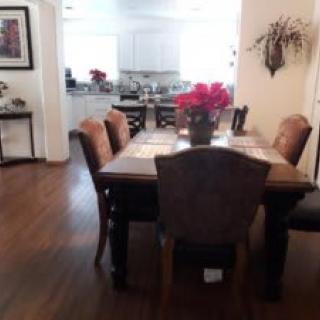
  • Dining room Dining roomDining rooms are important for seniors as they provide a space for socialization, connection, and nutritious meals. They offer opportunities for residents to bond over shared meals, foster a sense of community, and promote healthy eating habits. Dining rooms also ensure that seniors have access to well-balanced meals tailored to their dietary needs and preferences.
  • Fully furnished Fully furnishedFully furnished senior living communities are important for seniors because they provide convenience, comfort, and a hassle-free moving experience. Seniors can easily settle into their new living space without the stress of having to buy and move furniture. This allows them to focus on enjoying their new home and community.
  • Garden GardenGardens are important for seniors as they provide a peaceful and therapeutic environment for relaxation, physical activity, and socialization. Being in nature has been shown to reduce stress, improve mood, and promote overall well-being. Gardens also offer opportunities for seniors to engage in gardening activities, which can improve mobility, flexibility, and cognitive function. Additionally, gardens create a sense of community and connection with others who share a passion for plants and outdoor spaces.
  • Housekeeping services Housekeeping servicesHousekeeping services are important for seniors because they help maintain a clean and safe living environment, promote independence, and reduce the risk of accidents or illnesses. Additionally, having assistance with household chores can alleviate physical strain and allow seniors to focus on other aspects of their well-being.
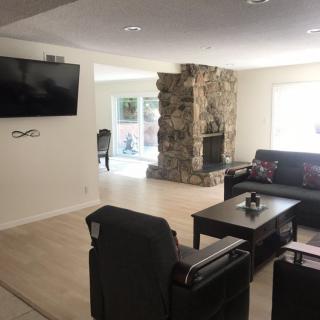
  • Indoor common areas Indoor common areasIndoor common areas are crucial for seniors as they provide a space for socialization, recreation, and community engagement, promoting overall well-being and reducing feelings of isolation and loneliness.
  • Move-in coordination Move-in coordinationMove-in coordination is important for seniors because it helps ease the transition into their new living environment. It ensures that all logistics, such as packing, organizing movers, and setting up utilities are taken care of, allowing seniors to focus on settling in and adjusting to their new home. Having a smooth move-in process can alleviate stress and anxiety, making the transition smoother and more enjoyable for seniors.
  • Outdoor common areas Outdoor common areasOutdoor common areas are important for seniors as they provide a space for socialization, physical activity, and relaxation. Being outside in nature can improve mood and overall well-being, while also encouraging movement and engagement with others. These spaces can help combat feelings of isolation and promote a sense of community among residents.
  • Outdoor space Outdoor spaceOutdoor spaces are important for seniors as they provide opportunities for physical activity, social interaction, exposure to natural light and fresh air, and a sense of connection to nature. Having access to outdoor spaces can improve overall well-being and quality of life for older adults living in senior communities.
  • Private PrivatePrivacy is important for seniors as it allows them to maintain their independence, dignity, and sense of control over their own lives. It also gives them the space and freedom to relax, reflect, and engage in activities that bring them joy and fulfillment. Creating private spaces within senior living facilities is crucial for promoting overall well-being and quality of life.
  • Private bathrooms Private bathroomsPrivate bathrooms are important for seniors in senior living communities because they provide independence, dignity, and comfort. Having a private bathroom allows seniors to maintain their personal hygiene routines without the need for assistance, promoting a sense of autonomy and privacy. Additionally, private bathrooms help prevent the spread of infections and provide a safe and clean environment for seniors to navigate safely.
  • Telephone TelephoneTelephones are important for seniors as they provide a lifeline for communication with loved ones, emergency services, and healthcare providers. They offer a sense of security and independence, enabling seniors to stay connected and access assistance when needed.
  • Wi-Fi/high-speed internet available Wi-Fi/high-speed internet availableWi-Fi/high-speed internet is important for seniors to stay connected with loved ones, access online resources, and participate in virtual activities to combat feelings of loneliness and isolation. It also allows them to easily manage healthcare needs, access entertainment, and engage in lifelong learning opportunities.

Transportation

  • Burbank-Glendale-Pasadena (16 miles away) Burbank-Glendale-Pasadena (16 miles away)
  • Los Angeles International (21 miles away) Los Angeles International (21 miles away)

Care Services

  • 24-hour supervision 24-hour supervision24-hour supervision is important for seniors to ensure their safety, well-being, and access to immediate assistance in case of emergencies or health issues. This constant support provides peace of mind for both seniors and their loved ones, allowing them to age in place with dignity and security.
  • Activities of daily living assistance Activities of daily living assistanceActivities of daily living assistance are important for seniors because they provide essential support with tasks such as eating, bathing, dressing, and mobility. This assistance helps seniors maintain their independence, dignity, and overall quality of life as they age.
  • Ambulatory care Ambulatory care"Ambulatory care services provide essential medical support and treatment to seniors without requiring hospitalization, allowing them to maintain their independence and quality of life while managing chronic conditions or receiving routine medical care."
  • Assistance with bathing Assistance with bathingAssistance with bathing is crucial for seniors as it helps maintain personal hygiene, prevents infections, and ensures their overall well-being and comfort. It also provides a sense of dignity and independence for seniors who may struggle with this task on their own.
  • Assistance with dressing Assistance with dressingAssistance with dressing is important for seniors because it helps maintain their independence, promotes personal hygiene, prevents accidents and injuries, and improves overall quality of life. This service ensures that seniors can continue to dress comfortably and confidently, despite any physical limitations they may have.
  • Assistance with transfers Assistance with transfersAssistance with transfers is crucial for seniors as it helps prevent falls and injuries, maintains their independence, and ensures they can safely navigate their living environment. It also provides peace of mind for both seniors and their loved ones.
  • Coordination with health care providers Coordination with health care providersCoordination with health care providers is crucial for seniors to ensure proper medical care, medication management, and overall well-being. This collaboration helps prevent overlapping treatments, track progress more effectively, and provide comprehensive support tailored to individual needs.
  • Diabetes diet Diabetes dietA diabetes diet is crucial for seniors as it helps manage blood sugar levels, reduce risks of complications, and improve overall health and well-being. By following a balanced and nutritious diet tailored to their specific needs, seniors can better control their diabetes and enhance their quality of life.
  • Diabetic care Diabetic careDiabetic care is crucial for seniors as they are more susceptible to developing diabetes due to aging and other health conditions. Proper management of diabetes can help prevent complications such as heart disease, vision loss, and nerve damage, improving the overall quality of life for seniors in senior living communities.
  • High acuity care High acuity careHigh acuity care is important for seniors because it provides specialized medical attention and support for individuals with complex medical needs. This level of care ensures that seniors receive the appropriate treatment and assistance to maintain their health and quality of life as they age.
  • Incontinence care Incontinence careIncontinence care is essential for seniors to maintain their dignity, hygiene, and overall quality of life. By addressing incontinence issues promptly and effectively, seniors can enjoy a sense of independence and comfort in their daily activities.
  • Meal preparation and service Meal preparation and serviceMeal preparation and service are crucial for seniors as they may have limited mobility or energy to cook nutritious meals. Having access to healthy and convenient food options can ensure they are getting the proper nutrition needed to maintain their overall health and well-being.
  • Medication management Medication managementMedication management is crucial for seniors to ensure they are taking the right medications at the correct dosages and times. This helps prevent adverse drug interactions, reduces the risk of medication errors, and promotes overall health and well-being. Proactive management also allows for adjustments as needed based on changing health conditions or new prescriptions.
  • Special dietary restrictions Special dietary restrictionsSpecial dietary restrictions are important for seniors because age-related changes in metabolism and health conditions can make it difficult for their bodies to process certain foods. By following a diet tailored to their specific needs, seniors can maintain their overall health and well-being, manage chronic conditions, and reduce the risk of complications such as malnutrition or food interactions with medications.
  • Transportation arrangement (medical) Transportation arrangement (medical)Transportation arrangements for medical purposes are essential for seniors as they may have difficulty driving themselves to appointments or accessing public transportation. Having reliable and safe transportation options ensures that seniors can receive timely medical care and maintain their health and well-being.
  • Transportation to doctors appointments Transportation to doctors appointmentsTransportation to doctors' appointments is crucial for seniors as it ensures they have access to necessary medical care and support for their health needs. Without reliable transportation, seniors may struggle to attend important appointments, leading to potential delays in treatment and health complications. Providing transportation services helps seniors maintain their overall well-being and quality of life.

Dining

  • Diabetes diet Diabetes dietA diabetes diet is crucial for seniors as it helps manage blood sugar levels, reduce risks of complications, and improve overall health and well-being. By following a balanced and nutritious diet tailored to their specific needs, seniors can better control their diabetes and enhance their quality of life.
  • Low / no sodium Low / no sodiumLow/no sodium options are important for seniors because excessive sodium intake can lead to high blood pressure, heart disease, and other health issues commonly experienced by older adults. By choosing low/no sodium foods, seniors can better manage their health and reduce their risk of developing these conditions.
  • Meals provided Meals provided"Meals provided" are crucial for seniors in assisted living communities as it ensures they have access to nutritious, balanced meals without the stress of meal planning and preparation. This can help promote overall health and well-being for seniors who may have limited mobility or cognitive abilities.
  • No Sugar No SugarNo sugar diets are important for seniors because they can help prevent or manage chronic conditions such as diabetes, heart disease, and obesity. Sugar can also contribute to cognitive decline and inflammation in the body, so reducing sugar intake can lead to overall improved health and well-being in older adults.
  • Room service Room serviceRoom service is important for seniors in a senior living community because it provides convenience and allows them to have their meals delivered directly to their room. This can be especially beneficial for seniors who may have mobility issues or difficulty accessing the dining area. Room service ensures that seniors are able to receive nutritious meals without having to navigate through the facility, allowing them to maintain their independence and overall well-being.
  • Special dietary restrictions Special dietary restrictionsSpecial dietary restrictions are important for seniors because age-related changes in metabolism and health conditions can make it difficult for their bodies to process certain foods. By following a diet tailored to their specific needs, seniors can maintain their overall health and well-being, manage chronic conditions, and reduce the risk of complications such as malnutrition or food interactions with medications.
  • Vegetarian VegetarianA vegetarian diet is important for seniors because it can help lower the risk of chronic diseases, maintain a healthy weight, and provide essential nutrients needed for aging bodies. Additionally, plant-based diets are often easier on digestive systems and can contribute to overall well-being in older adults.

Activities

  • Activities off-site Activities off-siteEngaging in off-site activities is crucial for seniors to maintain social connections, stay active, and stimulate their minds. It promotes overall well-being and helps combat feelings of isolation and loneliness.
  • Activities on-site Activities on-siteActivities on-site are important for seniors because they provide opportunities for socialization, mental stimulation, physical activity, and overall well-being. Engaging in activities can help seniors stay active, maintain their independence, and improve their quality of life.
  • Birthday parties Birthday partiesBirthday parties are important for seniors as they provide an opportunity for celebration, socialization, and joy. They allow seniors to feel special and appreciated, boosting their mood and overall well-being. Additionally, birthday parties can help combat feelings of isolation and loneliness by fostering connections with friends, family, and community members.
  • Community-sponsored activities Community-sponsored activitiesCommunity-sponsored activities are important for seniors as they provide opportunities for social interaction, mental stimulation, and physical activity. These activities can help improve overall well-being, combat loneliness and isolation, and promote a sense of belonging and purpose among older adults.
  • Devotional activities offsite Devotional activities offsiteDevotional activities offsite are important for seniors because they provide social engagement, spiritual growth, and a sense of community outside of their living environment. This can improve overall well-being, mental health, and combat feelings of isolation or loneliness.
  • Devotional activities on-site Devotional activities on-siteDevotional activities on-site provide seniors with a sense of community, spiritual fulfillment, and emotional support, promoting overall well-being and a positive sense of purpose in their lives.
  • Holiday parties Holiday partiesHoliday parties are important for seniors because they provide opportunities for socialization, community involvement, and mental stimulation. These festive events offer a sense of belonging and connection during a time that can be lonely for many older adults. Additionally, participating in holiday celebrations can boost mood and overall well-being for seniors living in senior living communities.
  • Live musical performances Live musical performancesLive musical performances can provide seniors with a sense of joy, nostalgia, and connection. Music has the power to evoke emotions and memories, improve mood and cognitive function, and foster social interaction among seniors. It can also serve as a form of therapy and stress relief for older adults, making it an important activity to include in senior living communities.

  • Scheduled daily activities Scheduled daily activitiesScheduled daily activities are important for seniors because they provide structure, socialization, mental stimulation, and physical activity. Engaging in regular activities can improve overall well-being and quality of life for seniors living in a community setting.

Description

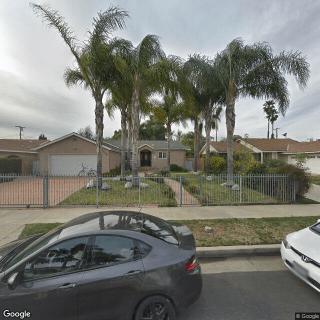
Located in the beautiful neighborhood of Woodland Hills, CA, Assisted Comfort Home offers a comfortable and nurturing environment for seniors in need of board and care or memory care services. Our dedicated staff is committed to providing personalized assistance and support to residents, ensuring their overall well-being.

Our community boasts a wide range of amenities that enhance the quality of life for our residents. From engaging activities on-site to spacious indoor and outdoor common areas, there are plenty of opportunities for socializing and relaxation. Residents can also enjoy the tranquility of our garden or take advantage of our move-in coordination services for a seamless transition into our community.

At Assisted Comfort Home, we prioritize the individual needs of each resident. Our caregivers are available round-the-clock to provide assistance with activities of daily living, including bathing, dressing, transfers, and medication management. We also offer specialized care such as diabetes diets and high acuity care. Incontinence care is provided with sensitivity and respect.

Mealtimes are a highlight at our community, with delicious and nutritious meals prepared by our skilled culinary team. We accommodate special dietary restrictions such as low/no sodium options, no sugar diets, and vegetarian preferences. Room service is available for those who prefer dining in the comfort of their own private space.

We understand that staying active and engaged is crucial for seniors' well-being. That's why we offer a variety of activities both on-site and off-site. From birthday parties and holiday celebrations to live musical performances and community-sponsored events, there's always something exciting happening at Assisted Comfort Home.

Convenience is another aspect we prioritize at our community. With numerous cafes, parks, pharmacies, physicians' offices, and restaurants located nearby, residents have easy access to essential services and leisure options.

Experience peace of mind knowing that your loved one will receive compassionate care in a warm and welcoming environment at Assisted Comfort Home in Woodland Hills. Contact us today to learn more about our assisted living community and how we can meet your loved one's unique needs.

Nearby Places of Interest

This area of Woodland Hills, California offers a convenient and diverse range of amenities for seniors. With several pharmacies in close proximity, accessing necessary medications and healthcare supplies is easy. Nearby parks such as Lake Calabasas and Shadow Ranch Park provide opportunities for outdoor recreation and nature walks. The abundance of cafes, restaurants, and theaters cater to various dining preferences and entertainment needs. Additionally, there are reputable medical facilities within a short distance for any healthcare requirements. Overall, this neighborhood boasts a well-rounded selection of services that would cater to the needs and interests of seniors looking for a vibrant community to call home.

Pharmacies

  • CVS Pharmacy (1 miles)
  • New Albertson's (1 miles)
  • Rite Aid (1.1 miles)
  • Rite Aid (1.2 miles)
  • CVS Pharmacy (1.5 miles)
  • CVS Pharmacy (2.1 miles)
  • Restart Solar (2.9 miles)

Parks

  • Lake Calabasas (1.1 miles)
  • Shadow Ranch Park (2.2 miles)
  • Castle Peak Park (2.6 miles)
  • Top of Topanga Overlook (3.3 miles)
  • Serrania Park (3.4 miles)
  • Parthenia Park (4.7 miles)
  • Topanga State Park (6.2 miles)

Cafes

  • Starbucks (1.6 miles)
  • Starbucks (2.2 miles)
  • Starbucks (2.7 miles)
  • Winnetka Bowl (4.5 miles)
  • Starbucks (6.6 miles)
  • Porto's Bakery & Cafe (6.7 miles)
  • Starbucks (8.1 miles)

Restaurants

  • Chick-Fil-A (1.7 miles)
  • Subway (2.2 miles)
  • Urban Plates (2.4 miles)
  • McDonald's (2.5 miles)
  • Wokcano (2.5 miles)
  • Ruth's Chris Steak House (2.5 miles)
  • Veggie Grill (2.5 miles)

Physicians

  • Liberty Pacific Advanced Imaging | West Hills (2.3 miles)
  • Center For Orthopaedic Specialists (2.4 miles)
  • Providence Medical Institute West Hills OB-GYN (2.4 miles)
  • Evan Bachner Evan J Bachner MD (2.4 miles)
  • UCLA Health Woodland Hills (2.5 miles)
  • West Valley Medical Aesthetics (5.9 miles)
  • Be Hive of Healing Integrative Medical & Dental Center (6 miles)

Theaters

  • AMC Porter Ranch 9 (8.5 miles)

Frequently Asked Questions

How much does it cost to live at Assisted Comfort Home in Woodland Hills, CA?
Where is Assisted Comfort Home?
Does Assisted Comfort Home provide care for residents with dementia or Alzheimer's disease?

Nearby Communities

  • Shalom Elderly Care 6

    Shalom Elderly Care 6

    Woodland Hills, CA


    pro Small 6-bed setting with personalized care and 24-hour supervision, including diabetes-friendly meals.

  • Shalom Elder Care,  Inc. #3

    Shalom Elder Care, Inc. #3

    Woodland Hills, CA

     
    $3,000 to $6,500 / month

    pro Memory Care-focused with personalized care in a safe environment; private rooms and high-acuity/diabetic care options.

  • Evergreen Senior Living

    Evergreen Senior Living

    Woodland Hills, CA

    3.8 from 17 reviews
    $3,250 to $4,000 / month

    pro Friendly staff and engaging activities.

  • A'more Care Home Assisted Living

    A'more Care Home Assisted Living

    Woodland Hills, CA

    4.5 from 4 reviews
    $5,000 to $5,500 / month

    pro Kind and attentive staff that treat residents like family.

  • Eden Garden C

    Eden Garden C

    Woodland Hills, CA

    2.7 from 3 reviews
    $2,200 to $3,000 / month

    pro Friendly staff, calm atmosphere, and appealing meals.

  • Shalom Elderly Care 2

    Shalom Elderly Care 2

    Woodland Hills, CA


    pro Small, intimate setting enables personalized care.

  • Shalom Elder Care

    Shalom Elder Care

    Woodland Hills, CA

    3.7 from 3 reviews
    $2,595 to $6,595 / month

    pro Caring, patient staff; supportive owner; clean, peaceful environment; smooth onboarding and social atmosphere.

  • Inn At The Park Ventura

    Inn At The Park Ventura

    Woodland Hills, CA

    3.8 from 107 reviews
    $2,300 / month

    pro Caring staff, good meals, and on-site activities in a well-maintained setting with transportation support.

  • Comforcare Home Care

    Comforcare Home Care

    Woodland Hills, CA

     
    $4,995 / month

    pro Vibrant community with abundant nearby amenities (cafes, parks, pharmacies, physicians, restaurants).

Related Resources

  • reminiscence therapyExploring the Power of Reminiscence Therapy for Individuals With Dementia

    Reminiscence therapy helps individuals with dementia recall past memories through structured discussions and meaningful objects, enhancing mood, relationships, and sense of identity while celebrating their lives. It can be practiced in formal settings or at home, requiring sensitivity to personal histories and cultural backgrounds.

  • reminiscence therapyAn In-Depth Look at Reminiscence Therapy in Dementia Care

    Reminiscence therapy is a structured method for older adults, especially those with dementia, to share life stories using prompts and sensory cues, fostering emotional well-being, social engagement, and self-identity. It aims to improve quality of life by enhancing interpersonal connections and cognitive stimulation while requiring careful facilitation to avoid distressing memories.

  • dementia hallucinationsDementia-Related Hallucinations: Causes, Experiences, and Practical Approaches

    Dementia, particularly Lewy body dementia, often involves hallucinations that can significantly distress both patients and caregivers due to disruptions in sensory processing and neurotransmitter imbalances. Effective management includes compassionate communication, environmental adjustments, and a multidisciplinary approach to care while addressing the emotional needs of caregivers.