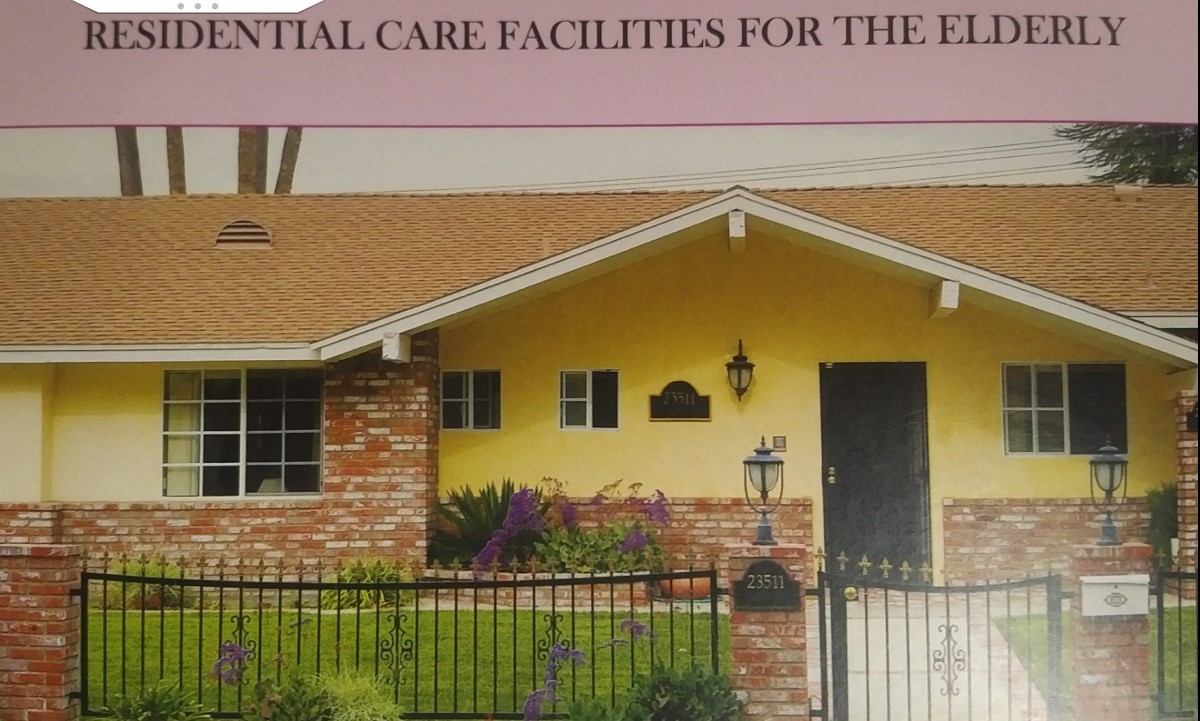
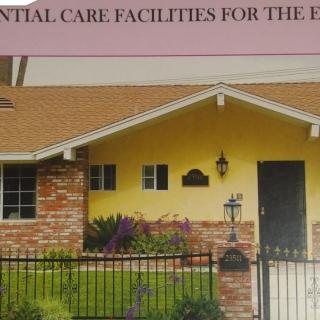

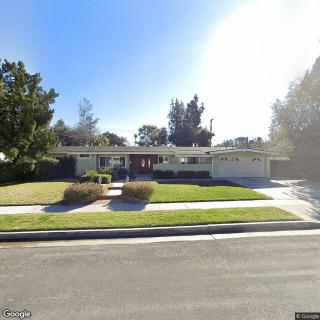
23511 Berdon St, Woodland Hills, CA 91367
To contact a resident: (818) 642-8585
For more information about senior living options: (866) 208-4318
A'more Care Home Assisted Living Costs & Pricing
A'more Care Home Assisted Living provides a range of accommodations that reflect its commitment to quality care, with prices set at $5,000 per month for private rooms and $5,500 for one-bedroom units. In comparison to the broader market, these rates are notably higher than the average costs in Los Angeles County - $4,197 for private rooms and $4,603 for one-bedroom options - as well as above the statewide averages of $3,939 and $4,340 respectively. While A'more's pricing may exceed typical local and state figures, it is important to consider the level of personalized care and services that accompany these costs, which often contribute to an enhanced quality of life for residents.
| Floor plans | A'more Care Home Assisted Living | Los Angeles County | California |
|---|---|---|---|
| Private | $5,000 | $4,197 | $3,939 |
| 1 Bedroom | $5,500 | $4,603 | $4,340 |
Memory care communities with a similar price nearby
-
About the same

Sweet Home Senior Living #1
$5,000 to $7,500 / month12.1 miles away -
from -$500 / mo
Ardenville Home Care I
$4,500 / month17.0 miles away -
About the same
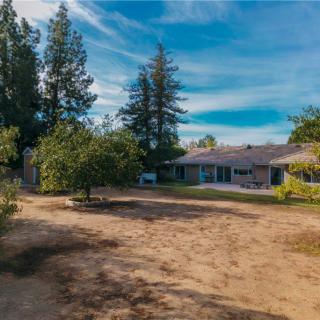
A Caring Touch Board and Care
$5,000 / month7.1 miles away -
from -$500 / mo

Royal Oaks Inn
$4,500 / month12.2 miles away -
About the same
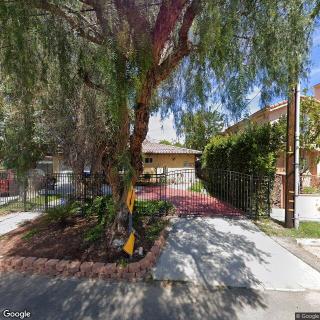
Virginia House
$5,000 to $5,500 / month5.5 miles away
Overall Review of A'more Care Home Assisted Living
Pros
 The staff are amazing and take good care of residents.
- Fresh meals are cooked and the facility is kept clean.
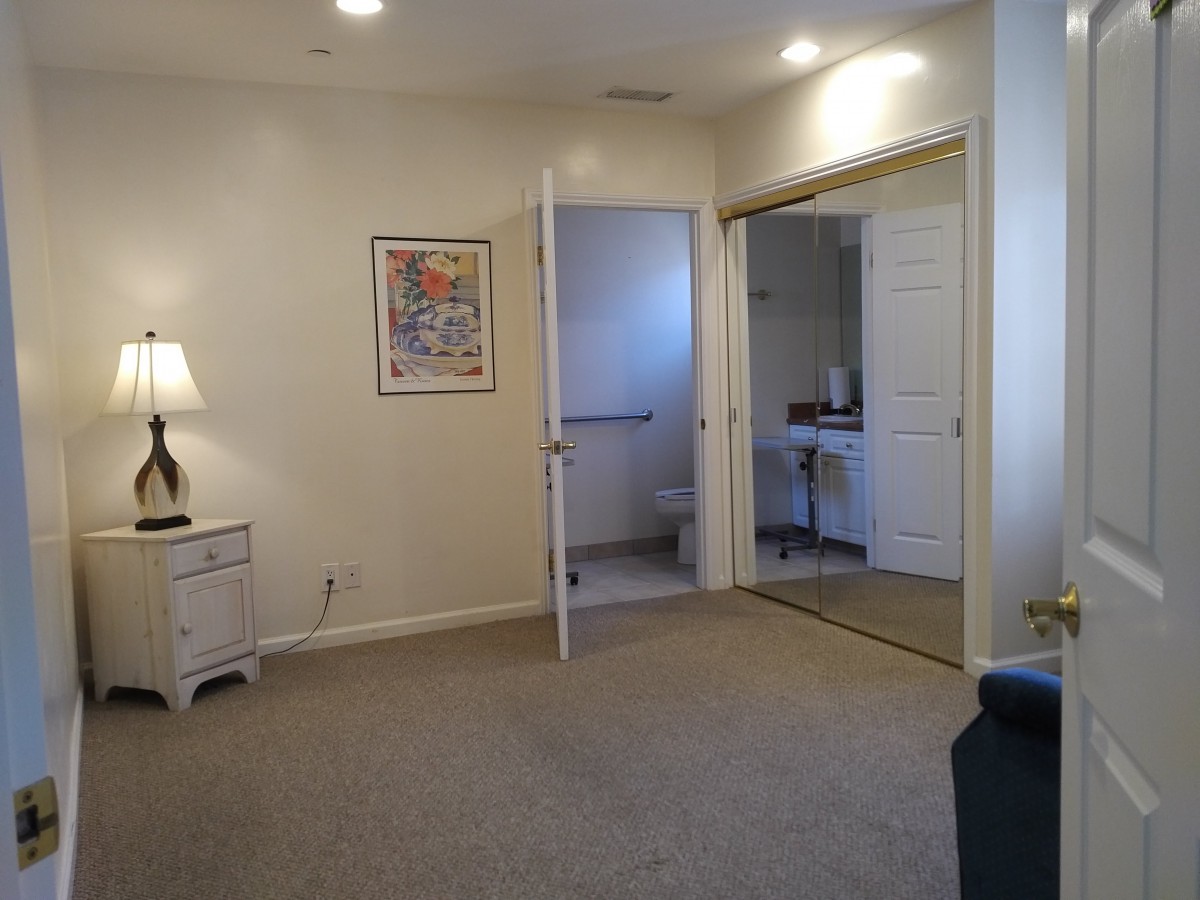
- Residents, rooms, and bathrooms are always clean.
- The facility is wonderful, with extremely kind, caring, and attentive staff.
- The staff treat residents like family.
- The house is pleasant and always clean.
Review
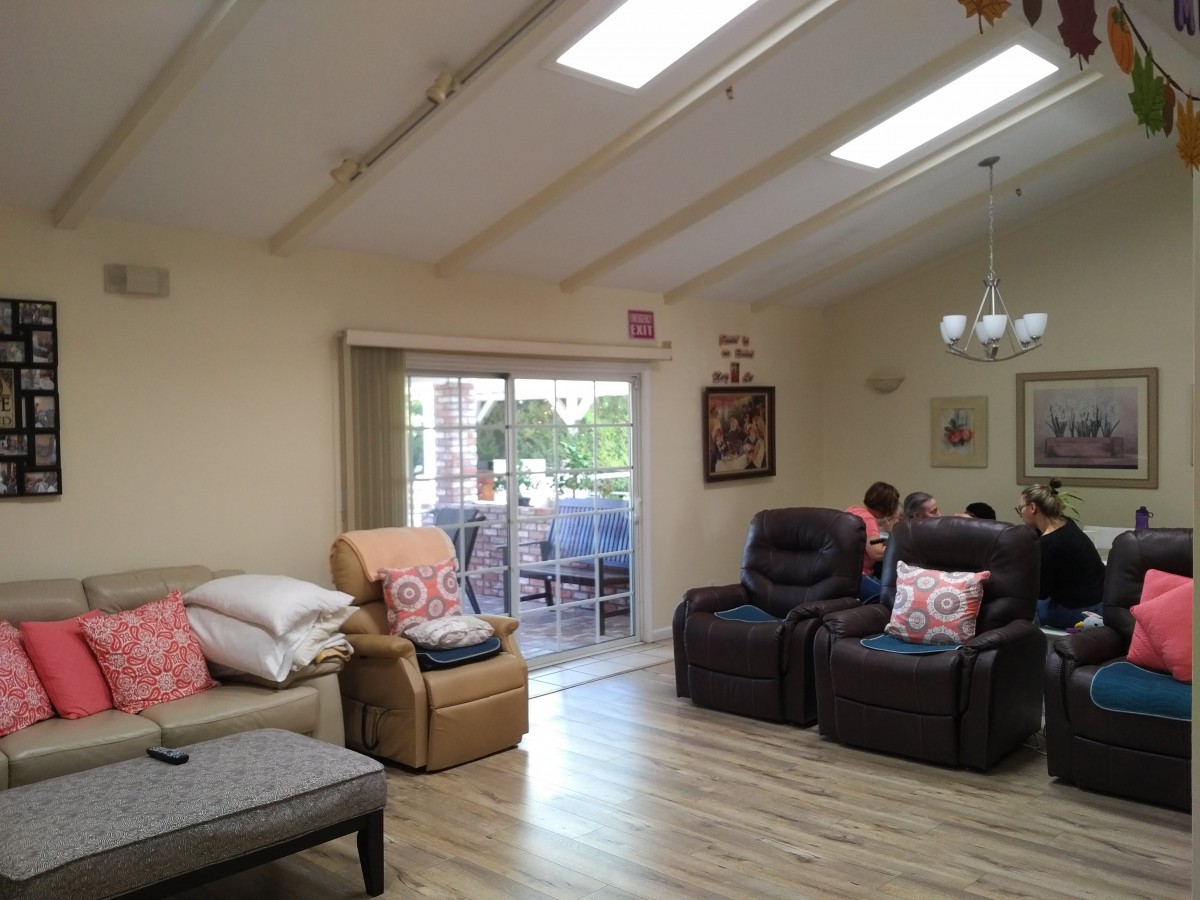
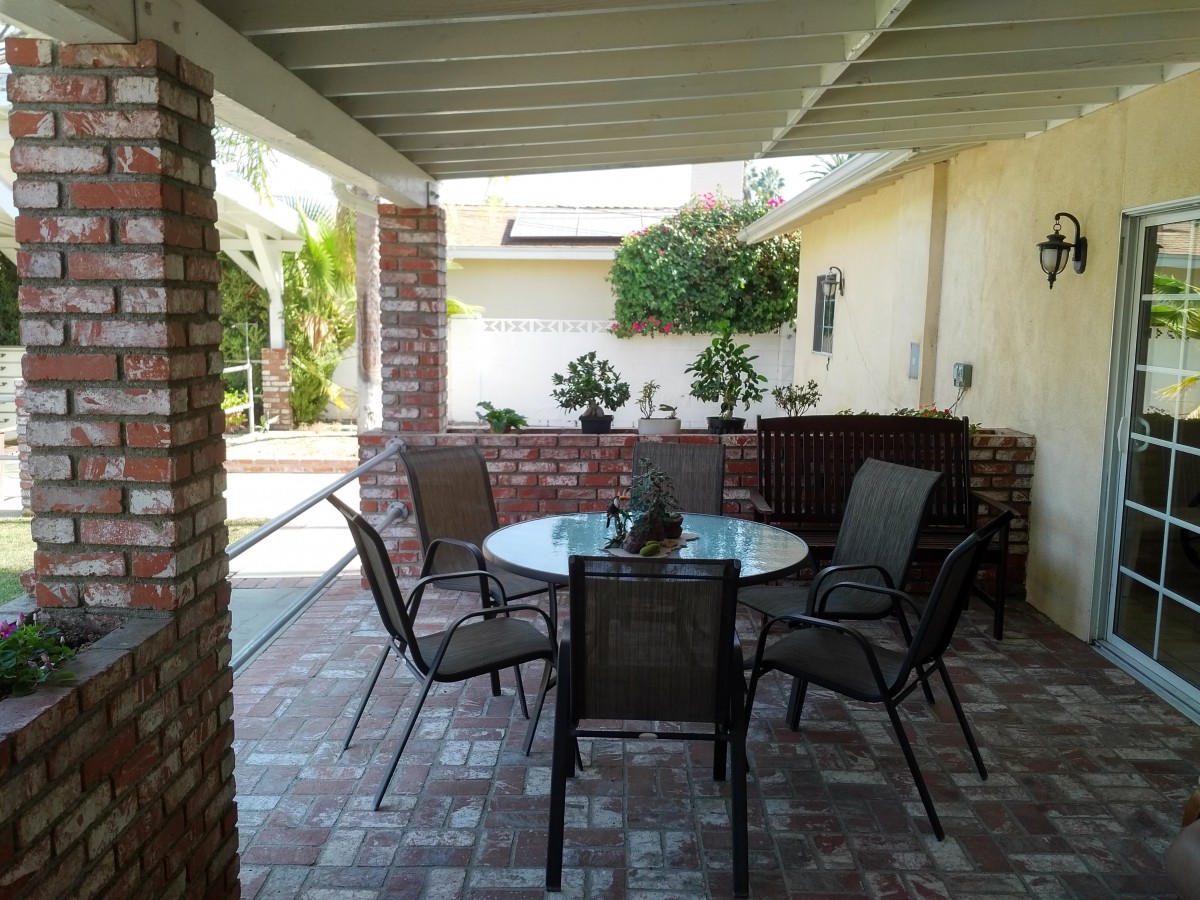
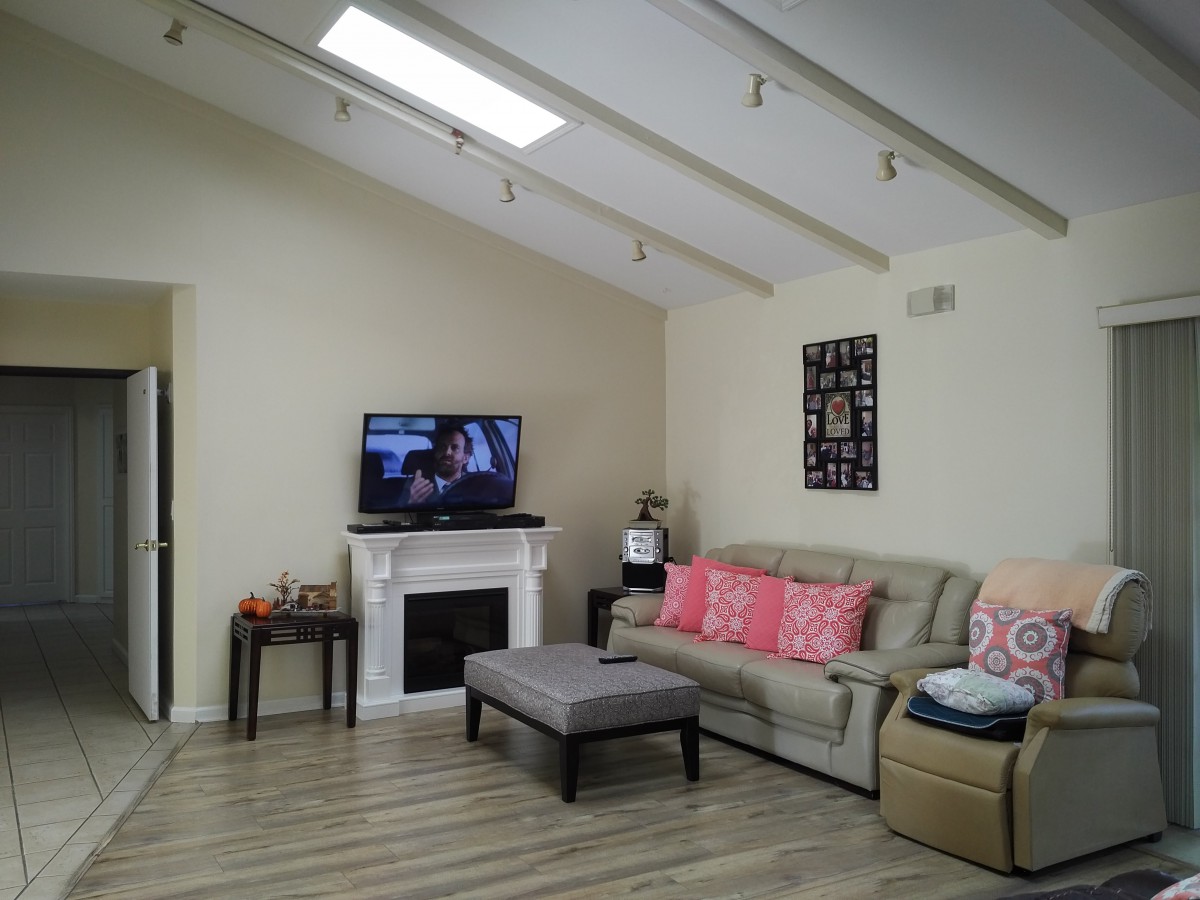
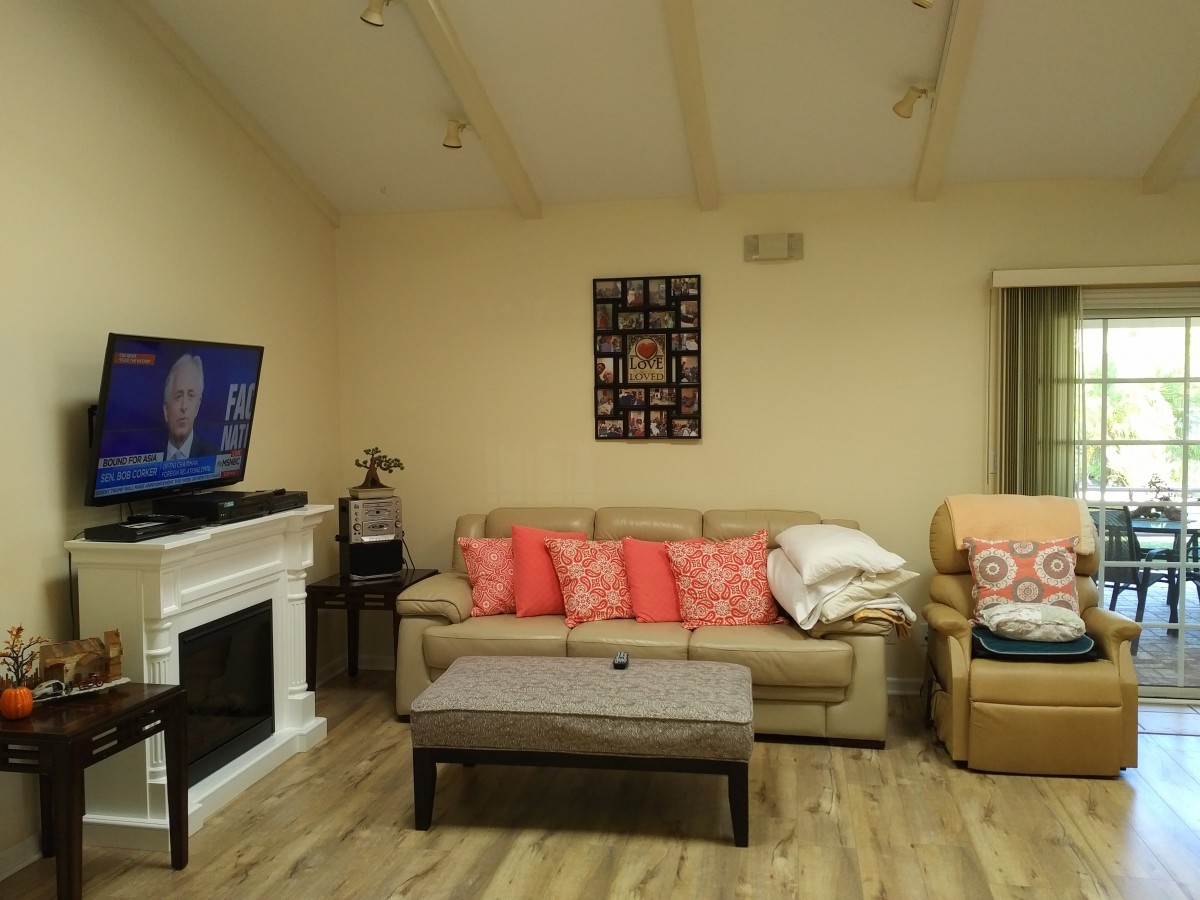
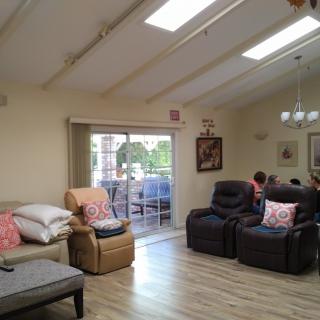
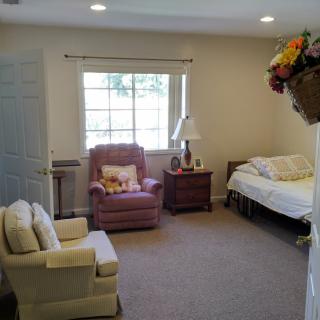
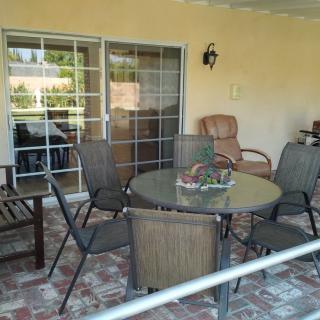
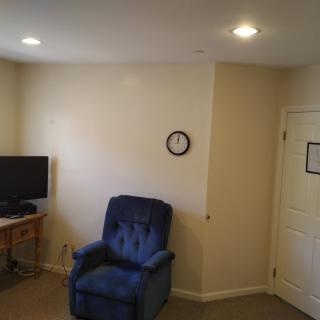
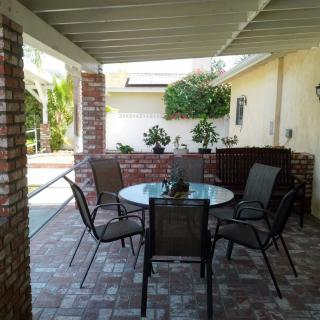
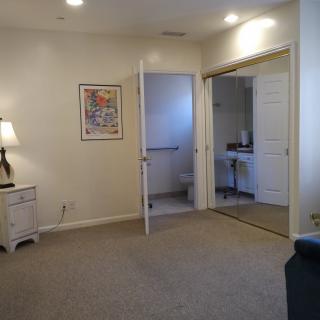
A'more Care Home Assisted Living in Woodland Hills is best suited for seniors and families who prize a warm, person-centered setting where caregiving feels intimate and daily operations run with a clear emphasis on kindness, cleanliness, and home-like comfort. This community works best for residents who value being known by name and receiving attentive, responsive care from a team that treats residents like members of a family. It will appeal to families seeking reliable daily support that prioritizes fresh, homestyle meals and neat, well-kept living spaces. It is a fit for those who want a smaller, more personal atmosphere rather than a sprawling campus with an institutional feel. In short, it serves well when emotional reassurance, daily attentiveness, and a clean, comfortable environment are the top criteria.
Where to look elsewhere becomes important: those needing robust medical supervision around the clock, specialized memory-care programming, or extensive on-site rehabilitation services should consider alternatives. If a family’s priority is a facility with broad clinical capabilities, larger staffing pools, or a wider array of medical therapies, this community may fall short of meeting those expectations. Geographic flexibility and cost considerations also matter, since those factors often drive the decision when clinical intensity or scope of services is a critical need. For residents with high medical complexity or those who want a campus with more specialized programs, it’s prudent to compare other options.
The strongest, most consistent pros are crystal-clear in the experiences shared by families: staff members are described as amazing, incredibly kind, and genuinely attentive. The care team is credited with treating residents as members of their own family, which translates into daily interactions that feel personalized rather than scripted. The environment supports that warmth with a pleasant, homey atmosphere and an unwavering commitment to cleanliness, the house is always clean, and rooms and bathrooms reflect that standard. Cooking fresh meals further reinforces the sense of everyday life feeling supportive and comfortable. When staff engagement and kitchen quality align with a desire for dignity and comfort, the apparent absence of notable downsides becomes meaningful, yet it also underscores the quiet risk that if staff turnover or resource constraints shift, the same high-touch culture could be harder to maintain. In balance, the core advantages present a compelling offset to any potential variability.
Those advantages have practical implications for daily living. Residents experience not just care, but a lived sense of respect, tidiness, and predictable routines. The emphasis on fresh food points to considerations beyond taste: nutrition, appetite consistency, and the ability to sustain independence through predictable meal structures. The emphasis on cleanliness reduces health risks and creates a soothing environment where residents can feel secure about personal hygiene, bathroom safety, and overall comfort. For families seeking a setting where staff availability translates into quick responses and genuine companionship, these factors matter profoundly. The home-like vibe, combined with attentive staffing and spotless spaces, creates a trustworthy backdrop for ongoing quality of life.
For families considering a visit, practical next steps can translate these strengths into concrete expectations. Ask for a day-in-the-life snapshot: how meals are planned and served, how activities are coordinated, and what the staffing rhythms look like across mornings, afternoons, and evenings. Inquire about the level of daily assistance available, how responsiveness is measured, and whether family involvement is encouraged and feasible. Request examples of how staff members have supported residents with transitions, name familiarity, consistent routines, and opportunities for social connection matter deeply here. Finally, verify any costs, what is included in monthly fees, and what out-of-pocket expenses might arise, clarity on this front protects against surprises and helps align the care plan with long-term goals.
In the end, the decision hinges on prioritizing a compassionate, clean, home-like setting where staff interaction feels genuinely personal. A'more Care Home Assisted Living delivers on warmth, attentiveness, and everyday comfort in a way that makes families confident about daily life for their loved ones. It stands out for those who value a strong human connection, practical daily routines, and a pristine living environment above all. For anyone whose priorities include extensive clinical oversight, complex medical services, or a larger, more hospital-like facility footprint, it is wise to explore alternatives with more extensive medical capabilities. The right choice will align the emotional and practical demands of daily living with the depth of medical resources that best support the resident’s long-term health trajectory.
 6 resident community capacity
 Assisted Living
 Board and Care Home
 Memory Care
 Cats allowed
 Dogs allowed
 Activities on-site
 Air-conditioning
 Cable or satellite TV
 Dining room
 Fully furnished
 Garden
 Ground floor units
 Handicap accessible
 Housekeeping services
 Indoor common areas
 Move-in coordination
 Outdoor common areas
 Private
 Private bathrooms
 Telephone
 Wheelchair accessible showers
 Wi-Fi/high-speed internet available
 Burbank-Glendale-Pasadena (16 miles away)
 24-hour supervision
 Assistance with bathing
 Assistance with dressing
 Assistance with transfers
 Diabetes diet
 High acuity care
 Meal preparation and service
 Medication management
 Special dietary restrictions
 Transportation arrangement (medical)
 Transportation to doctors appointments
 BBQs or picnics
 Birthday parties
 Live dance or theater performances
 Live musical performances



 Dementia, Paranoia, and Caregiver Guidance: Understanding the Connection
 Engaging Memory Care Activities That Enhance Quality of Life
 When to Transition from Assisted Living to Memory Care: Key Indicators, Steps, and Finding the Right Community