
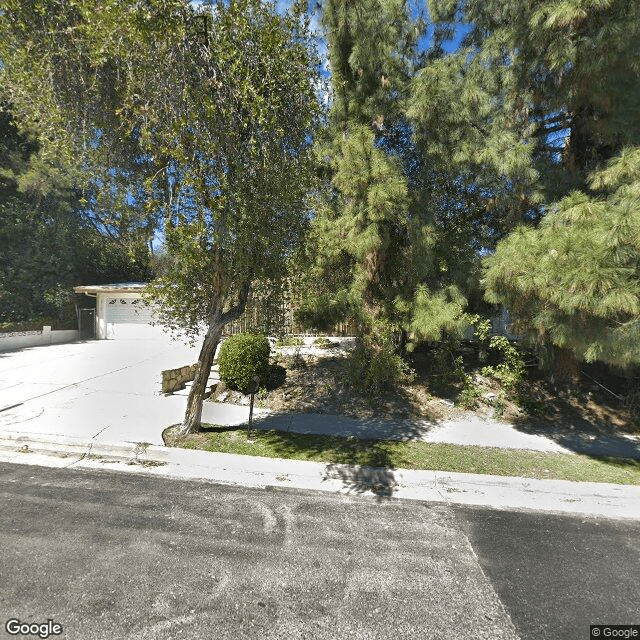
23601 Canzonet Street., Woodland Hills, CA 91367
For more information about senior living options: (866) 208-4318
Eden Garden C Costs & Pricing
Eden Garden C offers competitive pricing for its accommodation options compared to both Los Angeles County and the broader California market. For semi-private rooms, residents pay $2,200 per month, significantly lower than the county average of $3,349 and the state average of $3,333. Studio apartments at Eden Garden C are priced at $2,800, which again showcases a stark contrast to the higher costs in Los Angeles County ($4,172) and California overall ($4,145). Even private rooms are more affordable at Eden Garden C, with a monthly rate of $3,000 compared to the county's $4,197 and California's average of $3,939. These attractive pricing structures position Eden Garden C as an appealing choice for those seeking quality care and accommodations without the premium price tag often associated with similar facilities in the region.
| Floor plans | Eden Garden C | Los Angeles County | California |
|---|---|---|---|
| Semi-Private | $2,200 | $3,349 | $3,333 |
| Studio | $2,800 | $4,172 | $4,145 |
| Private | $3,000 | $4,197 | $3,939 |
Memory care communities with a similar price nearby
-
from -$400 / mo
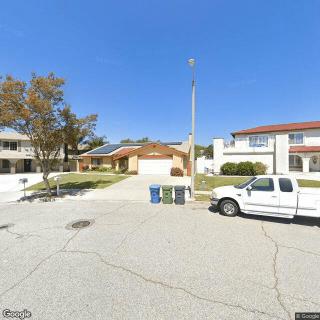
Green Valley Home Care
$1,800 to $2,000 / month10.7 miles away -
About the same
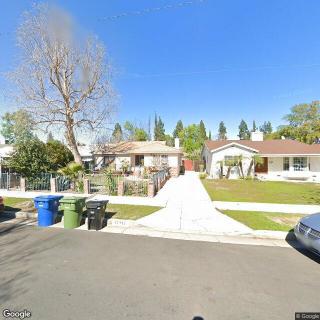
Granada Hills Gardens
$2,200 to $3,500 / month10.3 miles away -
from +$300 / mo
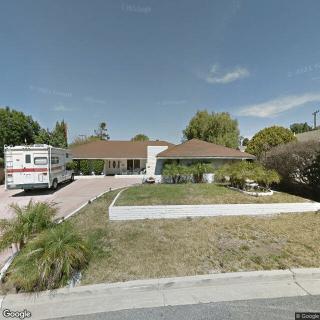
Familycare Cottage IV
$2,500 to $4,500 / month13.3 miles away -
from +$300 / mo
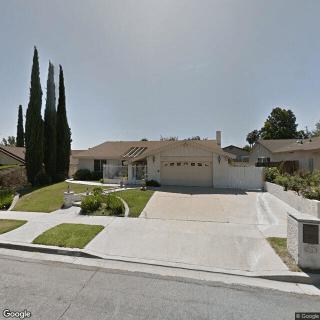
Sunrise Guest Home
$2,500 to $3,000 / month10.1 miles away -
from +$200 / mo

Leisure Living
$2,400 to $3,000 / month8.7 miles away
Overall Review of Eden Garden C
Pros
 The facility is just fine.
- He enjoys the facility and the meals.
- The staff do a great job.
- The staff seemed friendly.
- The house was quiet and calm.
- The house appeared clean and tidy.
Cons
 The facility appeared unkempt, with furniture placed chaotically.
- The manager was unavailable due to an emergency.
- The housekeeper did not show residents the rooms, baths, or kitchen.
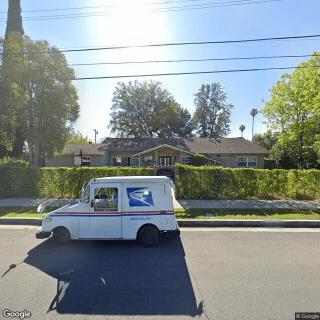
- The property sits on a slight hill, making it dangerous if someone exits the door.
- There is a high turnover of male caregivers, preventing residents from forming bonds with a single caregiver.
- Although the staff are capable, they sometimes do not listen to residents' requests because the resident is high functioning, so he rarely appears to need help.
Review
In Woodland Hills, Eden Garden C is best suited for a senior who values a calm, meals-centered environment where staff friendliness supports daily life without heavy hands-on care. The community presents a modest footprint, unpretentious, not oversized, and not aggressively marketed. It fits someone relatively independent or in need of limited daily assistance, provided routines are stable and the atmosphere remains welcoming. Those seeking extensive structured activities, deeply personalized care plans, or strong safety systems should set expectations accordingly and consider other options. This is a niche fit, not a broad solution for all mobility or memory-care needs.
Alternatives to consider are essential for anyone weighing a broader safety or care continuum. If the front-line staff changes frequently, bonding with a single caregiver is unlikely, which can be a deal-breaker for residents who value continuity. Families needing consistent caregiver relationships, more proactive listening, and predictable help should look for communities with lower turnover and clearer, documented care processes. Also evaluate facilities that offer easier topography or safer access, no steep hills or risky exits, and demand a thorough guided tour that shows rooms and real demonstrations of how care requests are handled.
On the upside, the strongest practical notes center on meals that residents enjoy and a quiet, tidy setting. The atmosphere in common areas tends to be calm, which supports comfortable social time and a respectful living environment. For a resident who appreciates a pleasant dining experience and a low-key routine, watching TV in a shared living room with peers, this environment can feel reassuring day to day. Those positive touches give Eden Garden C a stable core, yet they do not compensate for gaps in daily care reliability or the responsiveness of staff when needs arise.
The major concerns cluster around caregiver continuity and the facility’s perceived operational consistency. High turnover among male caregivers undermines the ability to build meaningful relationships and trust, a significant consideration for anyone who values familiarity in caregiving. Staff may do good work and remain friendly, but inconsistencies in listening to resident requests, especially when a resident appears high-functioning and self-sufficient, create friction in daily living. Physical upkeep also surfaces as a warning flag in at least one account, with a sense that the environment was not presented in its best light and the site’s hilltop layout raising safety considerations. These issues collectively point to uneven day-to-day reliability.
Prospective families should go in with a checklist that prioritizes transparency and practicality. Demand a complete, guided tour that includes every room, a current maintenance schedule, and a frank explanation of safety features on the grounds. Ask about caregiver tenure, staff coverage across shifts, and the process for logging and honoring care requests. Request to meet a few potential caregivers and observe how handoffs are executed to gauge whether the promised calm translates into dependable routines. It matters to verify that the hill and entryways have appropriate fall-prevention measures and that management practices support responsive scheduling and problem-solving.
Bottom line: Eden Garden C functions best for residents who prize quiet dignity, dependable meals, and a friendly, approachable staff, while requiring only light assistance. For families prioritizing consistent caregiver relationships, proactive listening to care requests, and robust safety features, especially with mobility or memory-related needs, alternatives should be seriously considered. If touring, come prepared with targeted questions and insist on seeing real-world examples of daily routines and how issues are resolved. The decision should hinge on whether the comfort of a calm dining and social rhythm outweighs the risk of inconsistent care and potential safety drawbacks tied to the site and management history.
 6 resident community capacity
 Assisted Living
 Board and Care Home
 Memory Care
 Cats allowed
 Dogs allowed
 Activities off-site
 Bath tubs
 Cable or satellite TV
 Devotional services off-site
 Dining room
 Fully furnished
 Garden
 Housekeeping services
 Indoor common areas
 Move-in coordination
 Outdoor common areas
 Private
 Private bathrooms
 Respite or short term stays offered
 Telephone
 Wheelchair accessible showers
 Wi-Fi/high-speed internet available
 Burbank-Glendale-Pasadena (16 miles away)
 24-hour supervision
 Ambulatory care
 Assistance with bathing
 Assistance with dressing
 Assistance with transfers
 Diabetes diet
 High acuity care
 Incontinence care
 Meal preparation and service
 Medication management
 Special dietary restrictions
 Transportation arrangement (medical)
 Transportation to doctors appointments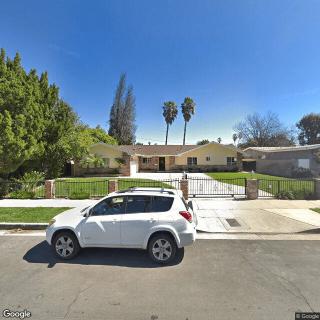

 Understanding Dementia Through Its Seven Stages: A Comprehensive Look at Progression and Expectations
 Safeguarding Your Memory Through the Golden Years: Eight Ways to Preserve Cognitive Health
 Comprehensive Insights into Activities of Daily Living (ADLs) and Their Assessment