West Hills Assisted Living offers competitive pricing for its residents compared to both Ventura County and the broader California market. For semi-private rooms, West Hills charges $2,500 per month, significantly lower than the county average of $3,438 and the state average of $3,333. This makes it an attractive option for those seeking affordability without compromising quality care. In terms of studio accommodations, West Hills's monthly fee is set at $3,500, which remains more economical than Ventura County's average of $4,021 and California's average of $4,145. Overall, West Hills Assisted Living stands out as a cost-effective solution for families looking for assisted living options that provide both value and a nurturing environment.
Floor plans
West Hills Assisted Living
Ventura County
California
Semi-Private
$2,500
$3,438
$3,333
Studio
$3,500
$4,021
$4,145
Memory care communities with a similar price nearby
Residents and families repeatedly mention that the facility stays consistently clean.
Multiple reviews describe a spotless, welcoming environment with high cleanliness standards. A few people specifically note there’s no harsh chemical smell, and others call out clean common areas and a clean dining area. Several also connect cleanliness to comfort and peace of mind for residents and visitors.
common28 reviews mention this
Staff responsiveness brings peace of mind
The most consistent praise centers on caring, attentive staff who respond to families.
Many reviews say the staff is kind and compassionate, often describing day-to-day interactions as personal rather than clinical. Several mention staff checking on residents, addressing concerns promptly, and helping with needs without making families wait. A couple of reviews also describe leaders by name and highlight responsiveness and follow-through that reduces stress for families.
differentiator11 reviews mention this
Activities keep residents engaged
Residents get frequent activities and programming that help them stay engaged.
Reviews repeatedly mention a steady schedule of activities that residents can participate in, with examples ranging from music and movement classes to card games and celebrations. Families describe seeing improved mood and less isolation compared with prior routines at home. The community also offers a broad set of activities on-site and off-site, including devotional services, karaoke, trivia, and live performances.
differentiator4 reviews mention this
Memory care emphasizes validation
Memory care reviews emphasize specialized approaches that prioritize comfort and dignity.
Some reviews specifically focus on memory care, describing daily cognitive exercises and sensory or therapeutic activities designed for cognitive decline. Others highlight techniques like validation and redirection to reduce agitation rather than arguing with confused residents. Families also mention that this approach helps maintain abilities and supports better visits as the disease progresses.
caveat2 reviews mention this
Dining receives mixed feedback
Dining is described positively by some, but at least one review criticizes the food.
While several families mention liking the food and point to a clean dining area, there is also at least one negative review stating the food “sucks.” The community offers meals provided with options such as room service and special dining programs, and reviews that are positive also mention residents enjoying dining spaces and dayroom time. Overall, dining satisfaction appears less consistent than cleanliness or activities.
common2 reviews mention this
Location is easy for visits
Families mention the location is convenient for regular visits while feeling quieter than busy areas.
Some reviews describe the setting as convenient for families to get there often, including being within walking distance of everyday stops like restaurants and coffee. Others add that it’s in a quieter neighborhood away from busy traffic, which supports easier, more comfortable visits. Nearby options include fast food and parks at short distances.
How we summarize
Counts show how many written reviews mention each theme; a review can touch several themes, and only frequently mentioned themes are displayed.
Features
Types of Care
Assisted Living
Independent Living
Memory Care
Amenities
Activities off-site
Activities on-site
Air-conditioning
Bath tubs
Beautician on-site
Devotional services off-site
Devotional services on-site
Ground floor units
Handicap accessible
Indoor common areas
Outdoor common areas
Private bathrooms
Respite or short term stays offered
Wi-Fi/high-speed internet available
Transportation
Burbank-Glendale-Pasadena (15 miles away)
Los Angeles International (21 miles away)
Care Services
Diabetic care
High acuity care
Medication management
Dining
Guest meals
Low / no sodium
Meals provided
No Sugar
Room service
Special dining programs
Vegetarian
Activities
Art classes
Day trips and outings
Devotional activities offsite
Devotional activities on-site
Gardening club
Karaoke
Light therapy programs
Live dance or theater performances
Live musical performances
Protestant services
Stretching classes
Trivia games
Nearby Places of Interest
This part of West Hills, California offers a range of amenities and services that cater to the needs of seniors looking for a convenient and comfortable living environment. With various dining options such as Del Taco, In-N-Out Burger, and The Cheesecake Factory in close proximity, residents can enjoy a variety of meal choices. Additionally, there are several parks nearby like Shadow Ranch Park and Castle Peak Park where seniors can take leisurely walks and enjoy nature. The area also provides easy access to pharmacies such as Walgreens and CVS Pharmacy, ensuring that residents have convenient access to medication and healthcare products. Furthermore, medical facilities like Center For Orthopaedic Specialists and Providence Medical Institute West Hills OB-GYN are within reach, offering quality healthcare services. For entertainment, seniors can visit the AMC Porter Ranch 9 theater or utilize the transportation options available at Van Nuys Airport and the Van Nuys FlyAway Bus Terminal to LAX. Overall, this part of West Hills provides a well-rounded environment for senior living with easy access to essential services and recreational activities.
Restaurants
Del Taco (0.1 miles)
In-N-Out Burger (0.6 miles)
The Cheesecake Factory (0.9 miles)
Chick-Fil-A (0.9 miles)
Joey Woodland Hills (1 miles)
Wokcano (1.1 miles)
Veggie Grill (1.1 miles)
Parks
Shadow Ranch Park (0.4 miles)
Parthenia Park (2.2 miles)
Castle Peak Park (2.3 miles)
Lake Calabasas (3.2 miles)
Serrania Park (3.2 miles)
Top of Topanga Overlook (4.1 miles)
Chatsworth Park North (4.4 miles)
Cafes
Starbucks (0.8 miles)
Starbucks (1 miles)
Starbucks (2.1 miles)
Winnetka Bowl (2.5 miles)
Starbucks (4.1 miles)
Porto's Bakery & Cafe (4.2 miles)
Starbucks (6.1 miles)
Pharmacies
Walgreens (0.8 miles)
CVS Pharmacy (1.1 miles)
CVS Pharmacy (1.3 miles)
Rite Aid (1.7 miles)
Walgreens (2 miles)
CVS Pharmacy (2.1 miles)
CVS Pharmacy (2.2 miles)
Physicians
Center For Orthopaedic Specialists (0.9 miles)
Liberty Pacific Advanced Imaging | West Hills (0.9 miles)
Evan Bachner Evan J Bachner MD (0.9 miles)
Providence Medical Institute West Hills OB-GYN (1 miles)
UCLA Health Woodland Hills (1 miles)
West Valley Medical Aesthetics (8.3 miles)
Be Hive of Healing Integrative Medical & Dental Center (8.3 miles)
West Hills Assisted Living offers competitive pricing for its residents compared to both Ventura County and the broader California market. For semi-private rooms, West Hills charges $2,500 per month, significantly lower than the county average of $3,438 and the state average of $3,333. This makes it an attractive option for those seeking affordability without compromising quality care. In terms of studio accommodations, West Hills's monthly fee is set at $3,500, which remains more economical than Ventura County's average of $4,021 and California's average of $4,145. Overall, West Hills Assisted Living stands out as a cost-effective solution for families looking for assisted living options that provide both value and a nurturing environment.
Medication management is crucial for residents with dementia or Alzheimer's disease, as these conditions often require complex medication regimens to manage symptoms and coexisting health issues. At West Hills Assisted Living, this feature ensures that residents receive their medications on time and in the proper dosages, which helps maintain their overall health and stability. Trained staff are able to monitor for any side effects or interactions, providing a safety net that can reduce anxiety for both residents and their families. Additionally, the structured routine surrounding medication administration can offer a sense of predictability, enhancing the well-being of those dealing with memory loss by anchoring them in familiar daily rituals.
Nearby Communities
West Valley Assisted Living
West Hills, CA
3.8 from 5 reviews
Affordable pricing with spacious apartments and friendly, accommodating staff.
Woodland West Homes III
West Hills, CA
5 from 5 reviews
Small 6-bed setting with personalized care and scheduled activities.
West Hills Home Care II
West Hills, CA
4.7 from 56 reviews
$3,200 to $4,400 / month
Family-like care from attentive staff; flexible dining hours; clean environment; pet-friendly; hospice-friendly.
West Hills Home Care
West Hills, CA
4.7 from 51 reviews
Diabetes-focused care with on-site dining and daily living assistance in a small board-and-care setting.
West Hills Home Care, Inc I
West Hills, CA
4.5 from 8 reviews
$3,500 to $4,500 / month
Caring, attentive staff in a clean, well-maintained facility with comprehensive care options.
My Serenity Senior Home
West Hills, CA
5 from 2 reviews
$2,800 to $3,500 / month
Attentive, hands-on caregivers in a clean, active environment with a compassionate owner.
Shalom Elder Care
Woodland Hills, CA
3.7 from 3 reviews
$2,595 to $6,595 / month
Caring, patient staff; supportive owner; clean, peaceful environment; smooth onboarding and social atmosphere.
The Variel of Woodland Hills
Woodland Hills, CA
4.1 from 60 reviews
$7,200 to $9,200 / month
Beautiful, well-equipped facility with high-quality dining and diverse activities.
Inn At The Park Ventura
Woodland Hills, CA
3.9 from 115 reviews
$2,300 / month
Caring staff, good meals, and on-site activities in a well-maintained setting with transportation support.
Dementia causes cognitive decline and challenging behaviors that caregivers must manage, necessitating an understanding of the neurological basis of these issues. Effective strategies and self-care for caregivers can enhance support for those with dementia and improve their daily lives.
The content outlines five key early indicators of dementia, including significant memory loss and confusion about time and place, while emphasizing the need for professional evaluation and emotional support for both individuals showing symptoms and their caregivers. It encourages family members to monitor these signs closely and use online quizzes for initial awareness.
The article highlights eight indicators that a loved one with dementia may require specialized memory care, emphasizing the emotional and logistical challenges families encounter in this decision. It discusses signs such as difficulties with daily tasks, safety concerns, and caregiver burnout, suggesting that memory care facilities can provide the necessary support and structured environments for those experiencing cognitive decline.
Get PricingAsk A QuestionSchedule A TourContact Senior Advisor
By clicking submit, you agree to our Partner's Terms of Use. You
also consent to receive calls and texts, which may be autodialed, from our Partner. Your consent is not a condition to
using our Partner's service. Please visit our Partner's Privacy Policy for information about their privacy practices.

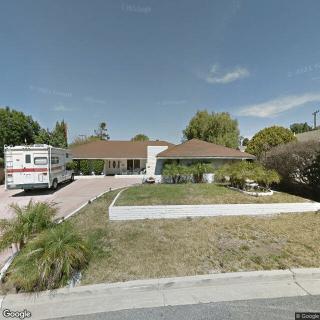
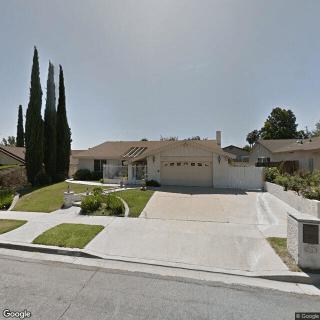

 Assisted Living
 Independent Living
 Memory Care
 Activities off-site
 Air-conditioning
 Bath tubs
 Beautician on-site
 Devotional services off-site
 Ground floor units
 Handicap accessible
 Indoor common areas
 Outdoor common areas
 Private bathrooms
 Respite or short term stays offered
 Wi-Fi/high-speed internet available
 Burbank-Glendale-Pasadena (15 miles away)
 Diabetic care
 High acuity care
 Medication management
 Guest meals
 Art classes
 Day trips and outings
 Gardening club
 Karaoke
 Light therapy programs
 Live dance or theater performances
 Live musical performances
 Protestant services
 Stretching classes
 Trivia games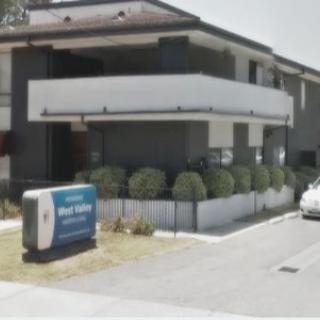
 Affordable pricing with spacious apartments and friendly, accommodating staff.
 Dementia Behaviors: In-Depth Understanding and Effective Coping Strategies
 5 Early Indicators of Dementia and What You Can Do
 8 Important Indicators That Memory Care May Be Necessary