
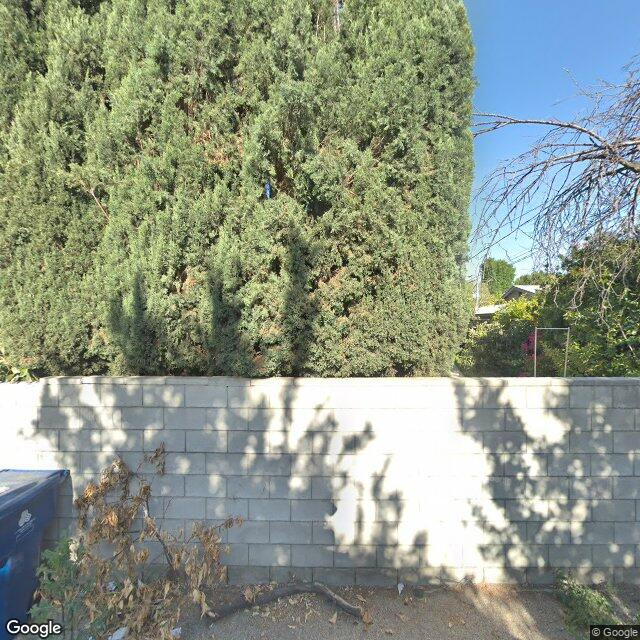
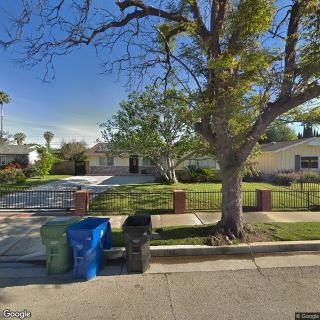
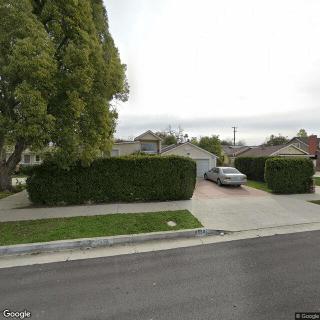
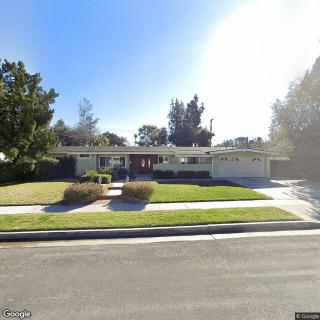
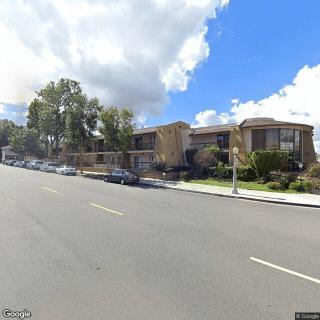
22414 Hartland Street, West Hills, CA 91307
For more information about senior living options: (866) 208-4318
My Serenity Senior Home Costs & Pricing
My Serenity Senior Home offers competitive pricing compared to both Ventura County and the broader California market. For semi-private rooms, residents can enjoy a monthly cost of $2,800, which is significantly lower than the county average of $3,438 and the state average of $3,333. Similarly, our studio accommodations are priced at $2,800, providing a cost-effective option compared to Ventura County's $4,021 and California's $4,145. For those seeking private rooms, My Serenity presents an appealing choice with a monthly fee of $3,300 - more affordable than both the county rate of $4,082 and California's average of $3,939. Lastly, our one-bedroom units at $3,500 also showcase value relative to Ventura County's price of $4,513 and the state's figure of $4,340. Overall, My Serenity Senior Home stands out as a financially accessible option for seniors seeking quality care in a nurturing environment.
| Floor plans | My Serenity Senior Home | Ventura County | California |
|---|---|---|---|
| Semi-Private | $2,800 | $3,438 | $3,333 |
| Studio | $2,800 | $4,021 | $4,145 |
| Private | $3,300 | $4,082 | $3,939 |
| 1 Bedroom | $3,500 | $4,513 | $4,340 |
Memory care communities with a similar price nearby
-
About the same
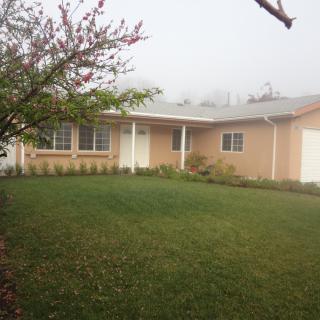
Dignity Care Home 1
$2,750 to $4,150 / month7.7 miles away -
from +$200 / mo
Navita Residence Edgemont Drive
$3,000 / month24.9 miles away -
from +$400 / mo
Angeles Assisted Living
$3,200 to $4,200 / month8.2 miles away -
from -$300 / mo
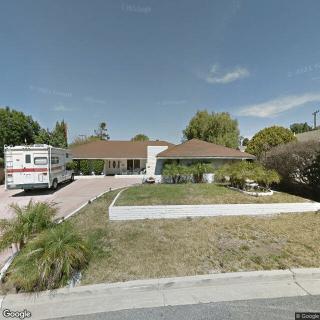
Familycare Cottage IV
$2,500 to $4,500 / month14.3 miles away -
from +$200 / mo
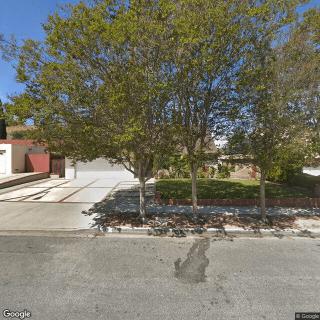
Happy Home Care
$3,000 to $3,500 / month17.7 miles away
Overall Review of My Serenity Senior Home
Pros
 The caregivers at this small care home are hands-on and take good care of residents.
- The home is kept clean and residents enjoy the food.
- They take residents outside and strive to keep them as active as possible.
- The owner clearly cares and goes above and beyond to help the residents.
- The care home comes highly recommended.
Review
My Serenity Senior Home in West Hills, CA is best suited for seniors who want a genuinely home-like setting where care feels personal and hands-on. The small scale means caregivers are consistently present, residents are better known, and daily routines can be tailored to individual needs. This community shines for an elder who values warmth, cleanliness, and home-style meals, with opportunities to step outside for fresh air and light physical activity. The owner’s direct involvement creates a strong sense of accountability and reliability that families often seek when entrusting daily care. It’s an ideal match for those who prioritize intimate attention over the breadth of services found in larger facilities.
Those with higher medical acuity or complex care needs may want to consider alternatives. If a senior requires 24/7 skilled nursing coverage, frequent clinical interventions, rehabilitation services, or specialized memory-care programming, a larger assisted living or dedicated memory-care community is likely a better fit. Families seeking a broad menu of amenities, formal transportation options, or on-site specialists may also find a bigger setting more aligned with expectations. The intimate, small-home model can have limits in staffing coverage during shifts and in delivering an extensive array of services under one roof.
The standout pros center on the elements that families consistently prize: caregivers who are hands-on, attentive, and respectful; a clean, well-kept living environment; and meals that residents genuinely enjoy. Daily routines appear designed to incorporate outdoor time and light activity, which supports mobility, mood, and social connection. The owner’s willingness to go beyond standard expectations translates into quick problem-solving and highly personalized adjustments, reducing friction and easing anxiety for relatives. In a setting that hinges on relationships, this level of engagement is a genuine differentiator.
Trade-offs come with the small-scale model. Staffing tends to be leaner than in larger communities, which can mean slower response times during peak periods. The range of on-site services is naturally narrower, and medical oversight may be less centralized, requiring careful planning if medical needs evolve. Residents who crave a wide variety of daily activities, specialized therapies, or robust, door-to-door transportation may find the schedule leaner than in bigger facilities. Yet the very intimacy that enables personalized care also minimizes the impersonality that can accompany larger campuses.
When the care philosophy aligns with the resident’s personality, the pros significantly offset the cons. Consistency of caregivers and the owner’s active involvement create a dependable safety net and a truly accountable living environment. Cleanliness, good-tasting meals, and opportunities for outdoor activity contribute to daily well-being and emotional health, while the intimate setting fosters a sense of belonging that can be hard to cultivate in larger communities. For families prioritizing steady, person-centered care and a home-like atmosphere, these practical benefits translate into meaningful daily quality of life.
In the final judgment, My Serenity Senior Home is a compelling choice for a senior who thrives in a small, close-knit community with a caregiver team that behaves like an extended family. If independence is relatively high and health needs are moderate, with a strong preference for home-cooked meals and outdoor time, this community delivers significant value. Those with more demanding medical regimes, a need for extensive structured programming, or a desire for a broader spectrum of services should consider larger assisted living or memory-care options. Within West Hills, the combination of personal attention and a warm, home-like atmosphere makes this option worthy of strong consideration.
 6 resident community capacity
 Assisted Living
 Board and Care Home
 Memory Care
 Cats allowed
 Dogs allowed
 Activities on-site
 Cable or satellite TV
 Dining room
 Fully furnished
 Garden
 Housekeeping services
 Indoor common areas
 Move-in coordination
 Outdoor common areas
 Private
 Telephone
 Wheelchair accessible showers
 Wi-Fi/high-speed internet available
 Burbank-Glendale-Pasadena (15 miles away)
 24-hour supervision
 Assistance with bathing
 Assistance with dressing
 Assistance with transfers
 Diabetes diet
 Diabetic care
 Incontinence care
 Meal preparation and service
 Medication management
 Special dietary restrictions
 Transportation arrangement (medical)
 Transportation to doctors appointments

 When Dementia Sparks Anger and Aggression: Understanding the Connection and Ways to Cope
 Dementia Behaviors: In-Depth Understanding and Effective Coping Strategies
 5 Early Indicators of Dementia and What You Can Do