
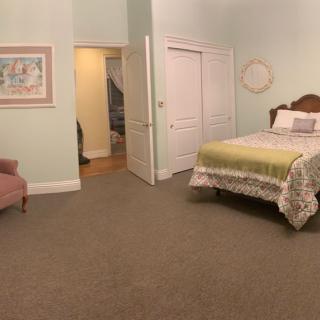

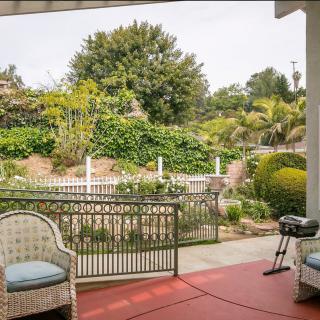
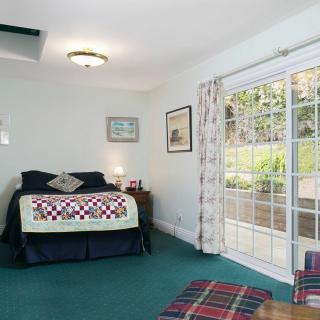



191 Wayview Court, Ventura, CA 93003
For more information about senior living options: (866) 208-4318

Cottage Inn Costs & Pricing
Cottage Inn presents competitive pricing for its private room accommodations, with a monthly rate of $4,500. This cost is slightly above the average for Ventura County, where similar accommodations are priced around $4,082, and significantly higher than the state average of $3,939 for California as a whole. While Cottage Inn's rates may reflect enhanced amenities or services that cater to specific clientele needs, potential guests should consider the overall value offered in comparison to both local and statewide options.
| Floor plans | Cottage Inn | Ventura County | California |
|---|---|---|---|
| Private | $4,500 | $4,082 | $3,939 |
Memory care communities with a similar price nearby
-
About the same

Royal Oaks Inn
$4,500 / month22.0 miles away -
About the same
Sea Breeze Manor
$4,500 to $5,500 / month7.6 miles away -
from -$250 / mo

AlmaVia of Camarillo
$4,250 to $5,500 / month11.2 miles away -
from +$395 / mo

Atria Las Posas
$4,895 to $6,395 / month9.2 miles away -
from -$500 / mo

Sunrise of Westlake Village
$4,000 to $7,500 / month24.4 miles away
Overall Review of Cottage Inn
Pros
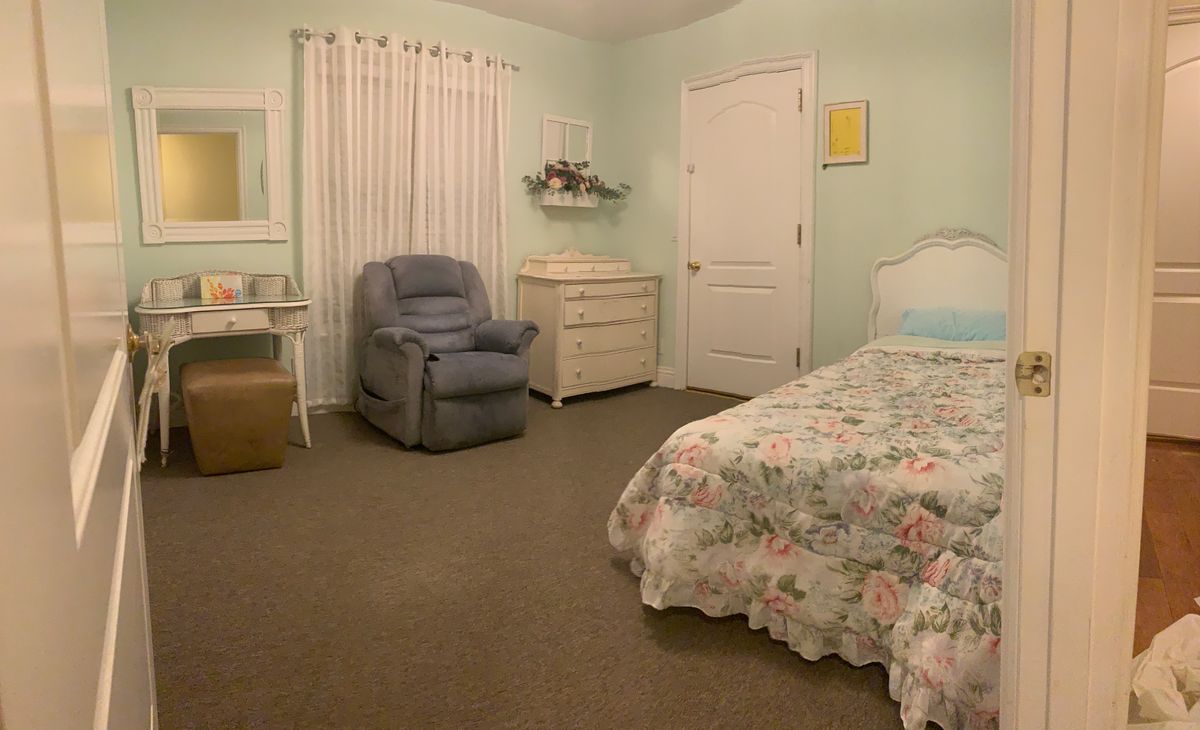
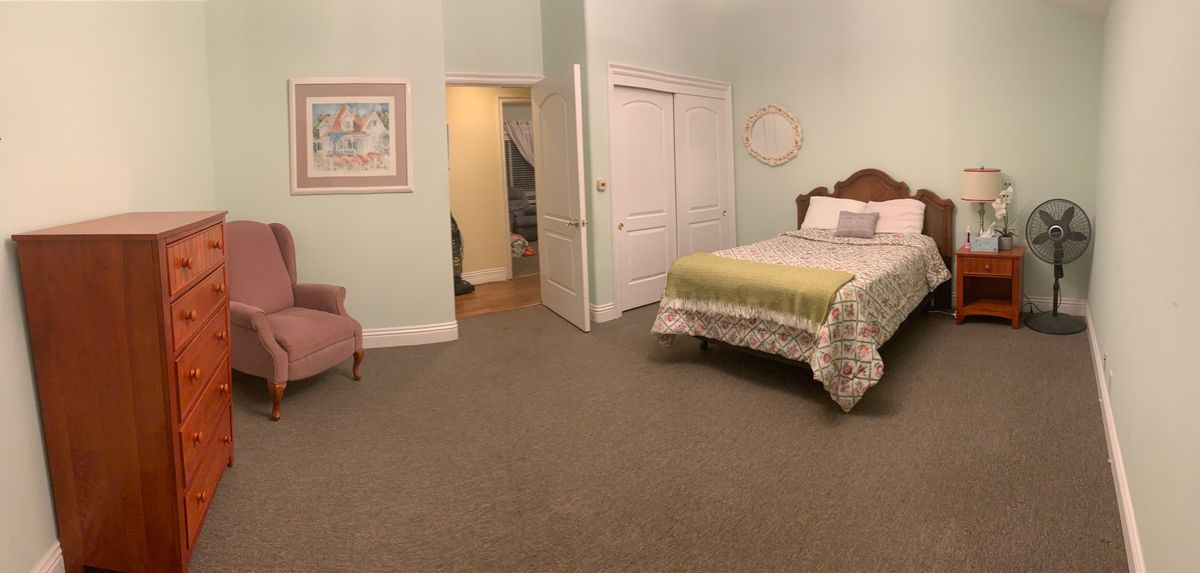
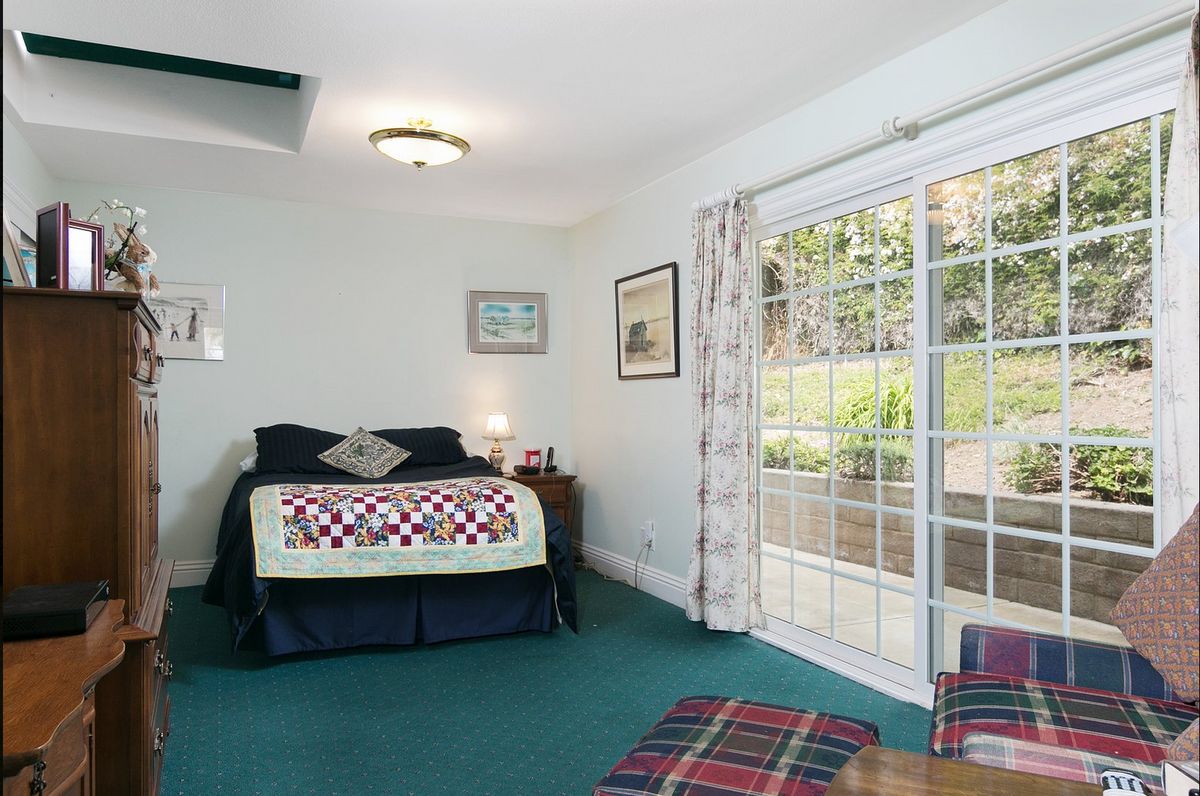
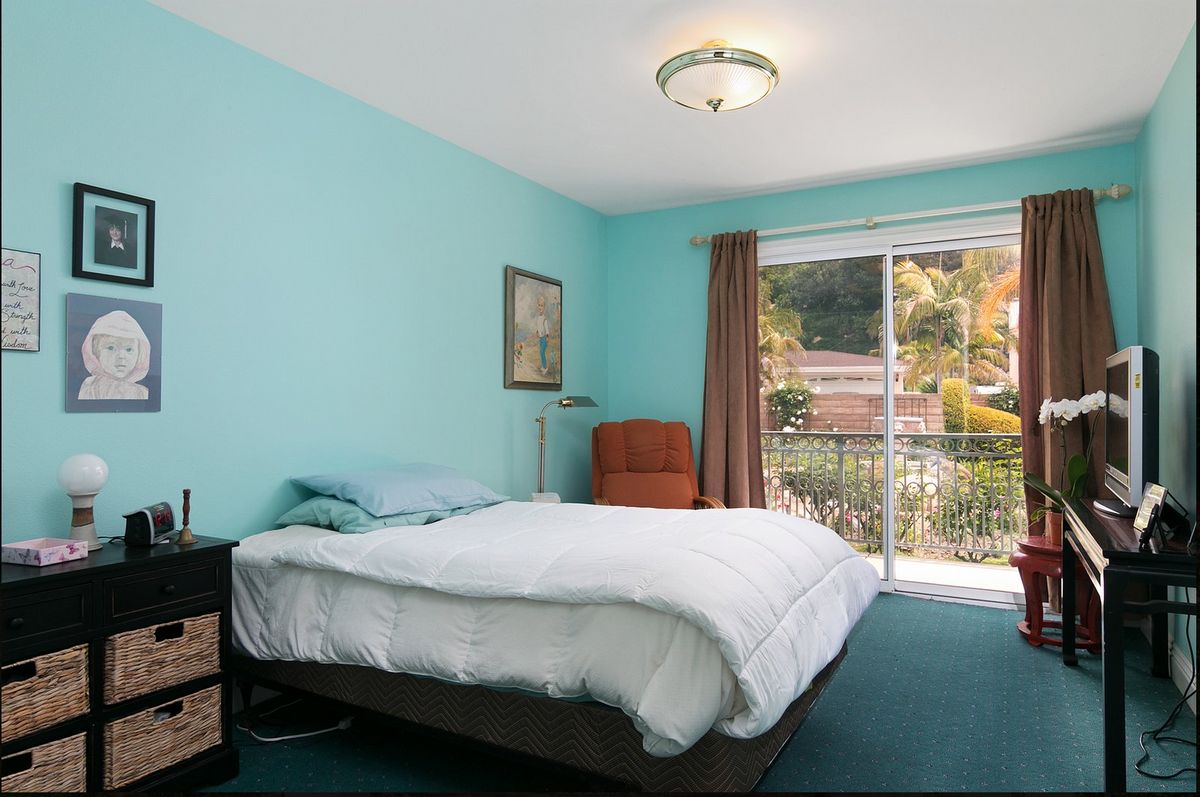
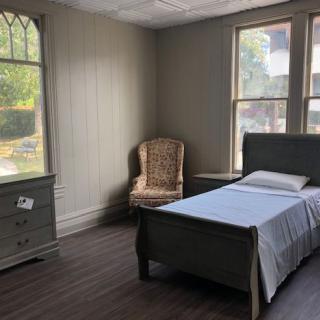
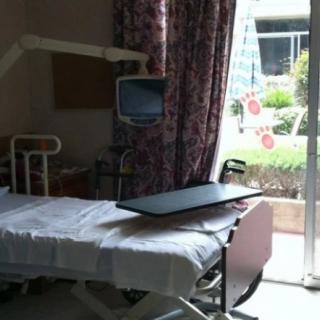
 The Cottage Inn offered roomy rooms with a nice view.
- The caregivers were gentle, kind, and loving toward residents.
- The staff listened, comforted fears, and provided guidance during trying times.
- Cottage Inn is a wonderful place for loved ones.
- The staff and administration were fantastic, attentive, and caring.
- The care provided was exceptional, filled with compassion and dedication.
- The staff went above and beyond to ensure comfort, respect, and dignity.
- Communication was clear and trustworthy, with families kept informed.
- Cottage Inn extended support to families beyond a loved one’s passing.
- The staff treated residents like family, with unmatched dedication.
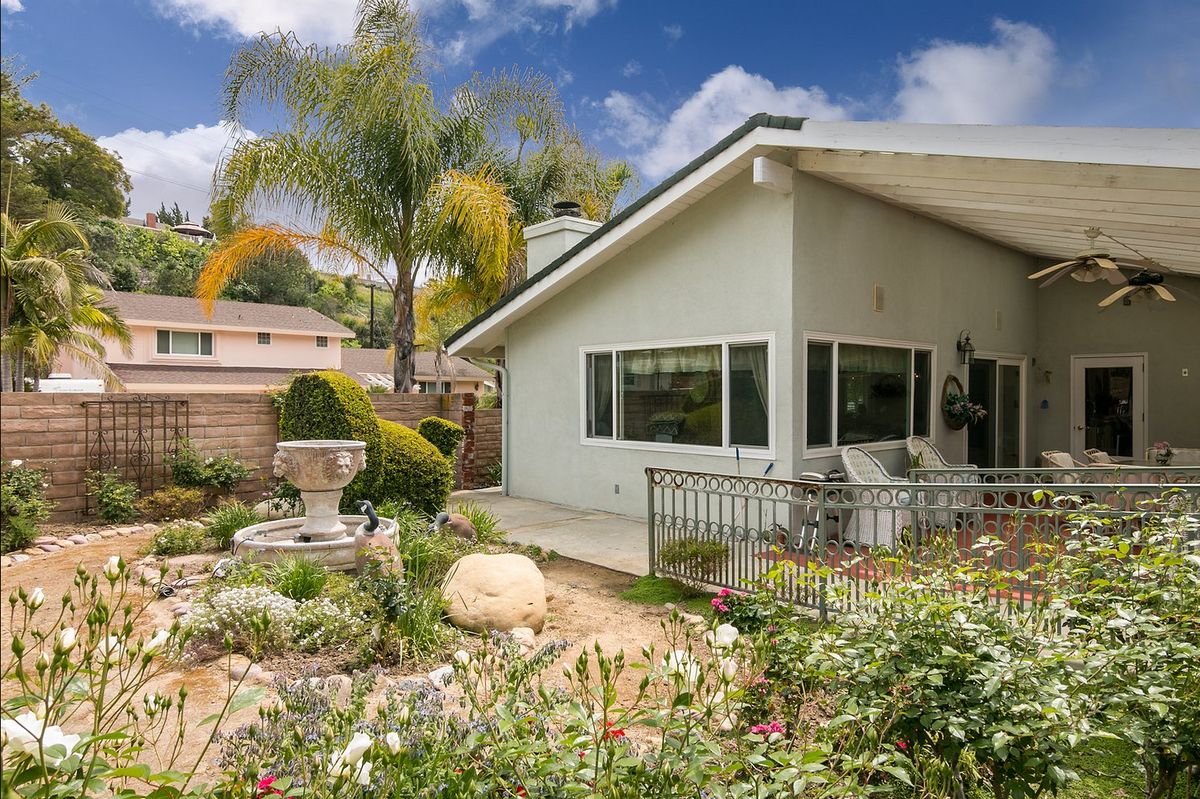
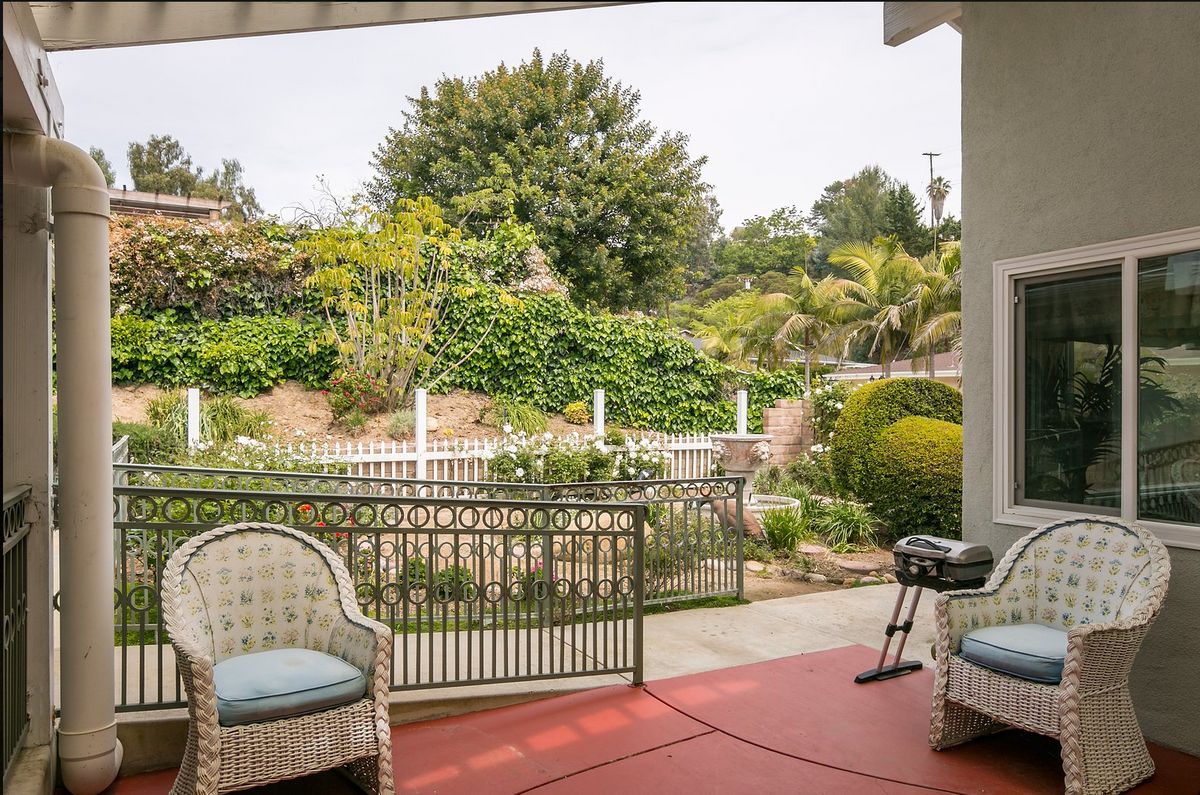
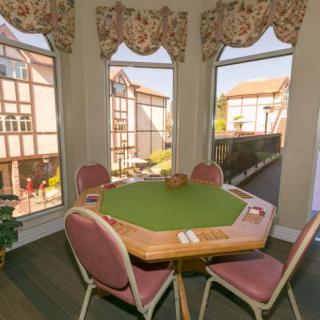
- The environment is home-like—cozy, clean, and inviting.
- The staff are professional, compassionate, and readily available.
Cons
 They just didn’t have the staff to care for him.
Review
Cottage Inn Assisted Living in Ventura is best suited for families who value a small, home-like setting where every caregiver brings a gentle, attentive touch and where open, reassuring communication from staff is the norm. This community shines for seniors who need compassionate end-of-life support, short-term respite care, or ongoing daily assistance delivered with warmth and respect. It is particularly well-suited for those who want a comfortably intimate environment over a larger campus, where residents are treated like individuals and families feel truly connected to the care team.
The strongest advantages center on the human elements: roomy, pleasant rooms with outside views and a staff culture described as gentle, kind, and genuinely invested in happiness. Families repeatedly emphasize how staff listen, calm fears, and provide steady guidance during challenging transitions, including at the end of life. The care feels personal and heartfelt, with staff going above and beyond to ensure comfort, dignity, and a sense of being part of a family. Clear, consistent communication is a recurring theme, with families kept informed and questions addressed promptly, which creates trust and reduces uncertainty during difficult times.
These pros offset potential limitations by underscoring why the setting matters as much as the services offered. In a small, home-like environment, the benefits of individualized attention, frequent family contact, and a culture of respect and courtesy become the primary value proposition. Families consistently note that care does not feel transactional; it feels relational, with staff who treat residents as people first and residents’ histories and preferences as guiding factors in daily routines. The ability to witness compassionate care during life’s most sensitive moments, plus ongoing support for grieving families, adds a level of security not always present in larger facilities.
While the reviews lean positive, a practical evaluator will recognize where considerations may steer choices elsewhere. The setting’s appeal rests heavily on being small and intimate, which naturally invites a waitlist when rooms become available. For families in urgent need or those seeking a broad continuum of on-site medical services, an expansive campus with more specialized memory care or a wider array of therapies might be a better fit. Those who crave robust social programming, extensive indoor recreation options, or round-the-clock nursing on a large scale may find alternatives more aligned with their expectations.
Medication management is a strength here, performed with adherence to relevant rules and a clear emphasis on resident safety. The facility’s cleanliness and home-like atmosphere contribute to a sense of sanctuary for residents and peace of mind for families. The care team’s willingness to learn, such as adapting menus for diabetic residents or incorporating family input on daily routines, demonstrates a practical commitment to personalized care. The enduring message is that Cottage Inn operates with a culture that values dignity, respect, and genuine warmth, even as it operates within the constraints of a smaller, more intimate model.
For families weighing options, Cottage Inn represents a strong, practical choice when the priority is authentic, compassionate, personalized care delivered in a cozy, respectful environment. It is not the place to expect a sprawling campus with every possible amenity, but it is a place where care teams know residents well, communicate openly, and treat families as partners in care. Prospective residents should plan visits with questions about room availability, staff-student ratios, and contingencies for temporary respite or palliative-style support. If a larger facility with extensive medical services or a more expansive activity calendar is essential, alternatives should be considered; otherwise, Cottage Inn offers a compelling, aligned path for those prioritizing heart-led care, consistent communication, and a true sense of home.
 6 resident community capacity
 Assisted Living
 Board and Care Home
 Memory Care
 Cats allowed
 Dogs allowed
 Activities on-site
 Cable or satellite TV
 Devotional services on-site
 Dining room
 Fully furnished
 Garden
 Housekeeping services
 Move-in coordination
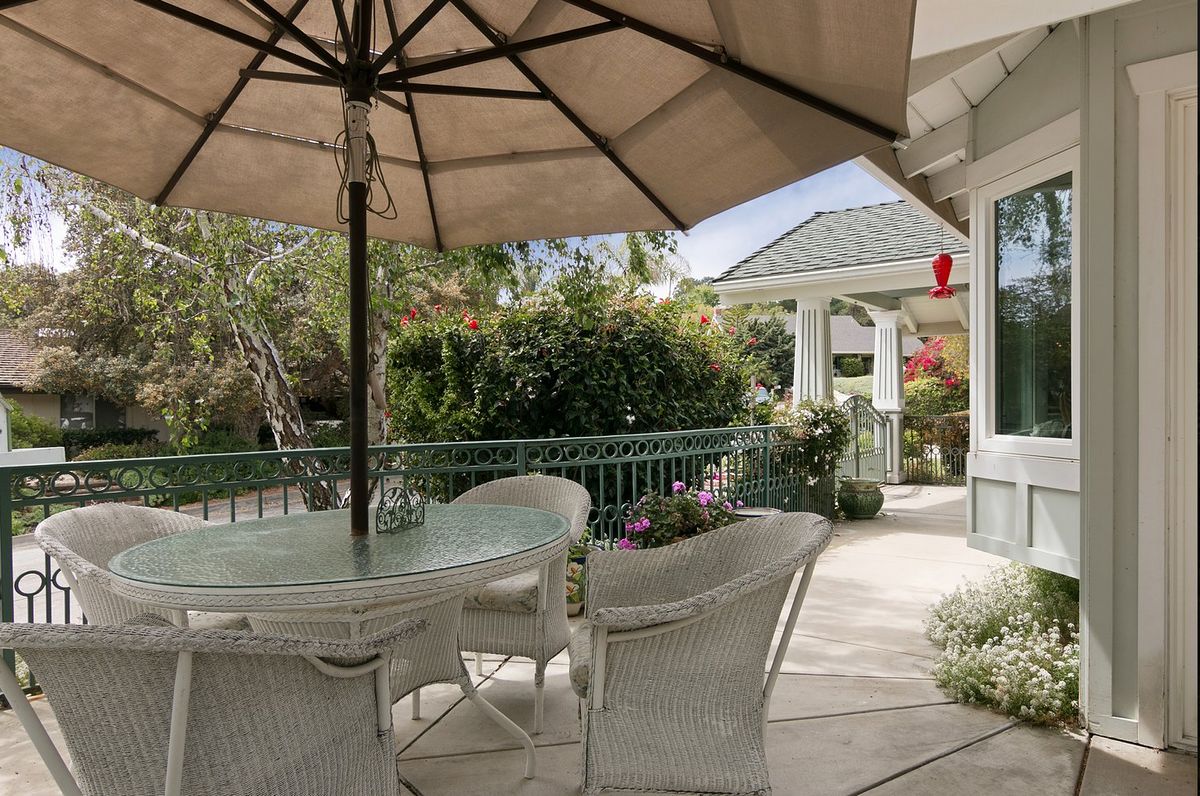
 Outdoor patio
 Outdoor space
 Private
 Wheelchair accessible showers
 Wi-Fi/high-speed internet available
 Oxnard (7 miles away)
 Transportation arrangement
 24-hour supervision
 Accept incoming residents on hospice
 Assistance with bathing
 Assistance with dressing
 Assistance with transfers
 Diabetes diet
 Diabetic care
 Meal preparation and service
 Medication management
 Mental wellness program
 Special dietary restrictions
 Transportation arrangement (medical)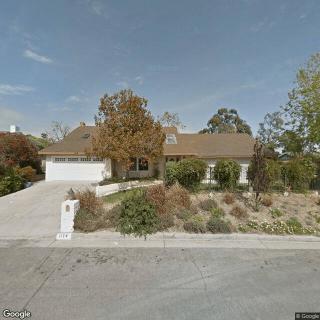



 Are Dementia and Alzheimer's Disease Lethal? A Comprehensive Exploration
 Exploring the Power of Reminiscence Therapy for Individuals With Dementia
 An In-Depth Look at Reminiscence Therapy in Dementia Care