

7520 Van Buren Street, Ventura, CA 93003
For more information about senior living options: (866) 208-4318
Home Sweet Home Care Costs & Pricing
Home Sweet Home Care offers a private room at a monthly rate of $4,500, which is higher than the average costs in Ventura County ($4,082) and slightly above the state average for California ($3,939). Similarly, their studio option is priced at $4,500, which again exceeds both the county's average of $4,021 and the state's average of $4,145. This pricing reflects Home Sweet Home Care's commitment to providing a premium level of service and comfort tailored to individual needs, even amidst competitive market rates within the region. While the costs might be elevated compared to local and state averages, they underscore a value proposition rooted in quality care and personalized attention that residents can expect from their services.
| Floor plans | Home Sweet Home Care | Ventura County | California |
|---|---|---|---|
| Private | $4,500 | $4,082 | $3,939 |
| Studio | $4,500 | $4,021 | $4,145 |
Memory care communities with a similar price nearby
-
About the same

Royal Oaks Inn
$4,500 / month20.9 miles away -
About the same

Cottage Inn
$4,500 / month1.3 miles away -
About the same
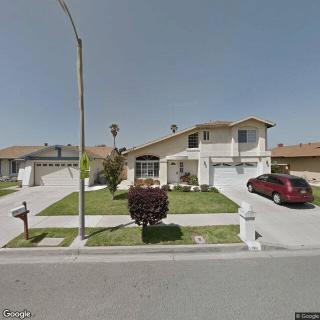
Sea Breeze Manor
$4,500 to $5,500 / month6.7 miles away -
from -$250 / mo

AlmaVia of Camarillo
$4,250 to $5,500 / month10.2 miles away -
from +$395 / mo
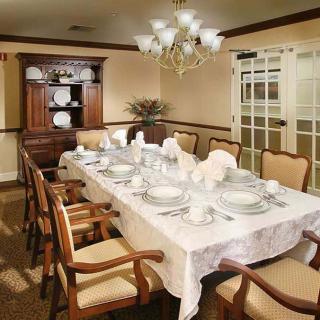
Atria Las Posas
$4,895 to $6,395 / month8.1 miles away
Overall Review of Home Sweet Home Care
Pros
 The home environment is wonderful, with experienced caregivers.
 - The staff are warm and welcoming, making residents feel at home.
- The care provided is excellent, and residents feel safe in the home.
- The owner is helpful, caring, and easy to work with.
- The facility is clean, friendly, and safe, with a well-designed layout.
- The staff are responsive to requests and accommodate residents’ needs.
Cons
 The staff's behavior and professionalism at Home Sweet Home are questionable.
- When issues were raised, the business owner refused to listen or take feedback seriously.
- Such a dismissive attitude undermines trust in the service's integrity.
Review
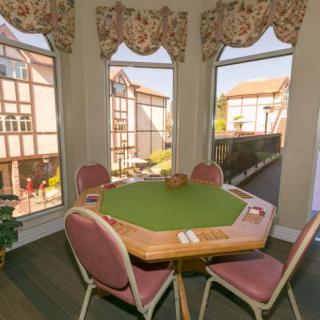
Home Sweet Home Care in Ventura is best suited for families seeking a warm, home-like environment where a small-scale, caregiver-led model delivers close, personal attention. The setting feels like a residence more than a clinical campus, with a layout that supports easy socializing and visiting, meals prepared on-site, and an atmosphere that tends to put residents at ease. The recurring thread in several reviews is the sense of safety, daily comfort, and familiar routines, underscored by staff who are experienced and genuinely engaged with residents. For families prioritizing companionship, predictable rhythms, and a live-in feel, this community often hits the mark.
Those who may want to consider alternatives are families facing higher medical needs or a desire for stricter governance and formal oversight. The lone negative review raises concerns about staff professionalism and a business owner who appeared unwilling to listen to feedback. That combination can be destabilizing for families seeking consistent accountability and clear escalation paths. In scenarios where medical complexity, strict compliance standards, or robust complaint resolution are non-negotiable, larger, more regulated assisted-living options may offer greater reassurance.
The strongest pluses, the experienced caregiving staff, the perception of safety, and the home-like environment, often offset the positives with tangible quality-of-life gains. Residents who thrive on regular, unobtrusive assistance and meals that feel like home tend to settle in quickly, with caregivers who respond to requests and needs without fuss. The intimate scale fosters better communication and the ability to tailor routines to individual preferences, which translates into meaningful daily improvements for many residents. In practice, the combination of warmth, safety, and attentiveness translates into less friction around ordinary caregiving tasks and a greater sense of dignity in everyday living.
However, the central conundrum remains the potential inconsistency in staff behavior and the owner’s responsiveness to feedback. If the negative account proves representative, trust can waver, and the atmosphere could shift during stressful periods or when care demands expand. This is not a fatal flaw, but it is a real risk that must be mitigated through proactive governance: transparent care plans, written policies, and a demonstrated capacity to address concerns promptly. The contrast between glowing reports of warmth and the cautions about management suggests a facility that works best when oversight is clear and expectations are codified.
Families evaluating this community should press for concrete assurances before committing. Request a detailed outline of staff training, turnover rates, and the process for logging and resolving concerns. Seek a written, goal-driven care plan with measurable milestones, and insist on observing the operation during different times of day to gauge consistency. A trial stay or extended visit can reveal how staff handle changing needs, requests, and emergencies. Talking with current residents and multiple staff members, not just the owner’s perspective, will illuminate whether the promised warmth and responsiveness hold steady across shifts.
Overall, Home Sweet Home Care offers a compelling, practical option for seniors who value a home setting, personal attention, and a sense of daily comfort delivered by experienced caregivers. The prospect of safety, routine, and approachable staff is a powerful counterweight to the occasional management concern, provided that accountability mechanisms are explicit and trusted. For families comfortable with a smaller, family-oriented model and willing to verify governance and responsiveness, this community delivers tangible value and a humane, livable daily experience. If those conditions are not met, or if medical needs require more structured oversight, exploring larger, more regulated alternatives is a prudent move.
 6 resident community capacity
 Assisted Living
 Board and Care Home
 Memory Care
 Cable or satellite TV
 Dining room
 Fully furnished
 Garden
 Housekeeping services
 Move-in coordination
 Outdoor space
 Private
 Respite or short term stays offered
 Telephone
 Wi-Fi/high-speed internet available
 Oxnard (6 miles away)
 24-hour supervision
 Activities of daily living assistance
 Assistance with bathing
 Assistance with dressing
 Assistance with transfers
 Diabetes diet
 Meal preparation and service
 Medication management
 Special dietary restrictions
 Transportation arrangement (medical)
 Transportation to doctors appointments



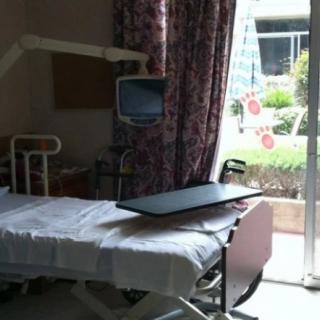
 Engaging Memory Care Activities That Enhance Quality of Life
 When to Transition from Assisted Living to Memory Care: Key Indicators, Steps, and Finding the Right Community
 Understanding the Distinctions: Assisted Living and Memory Care Explained