
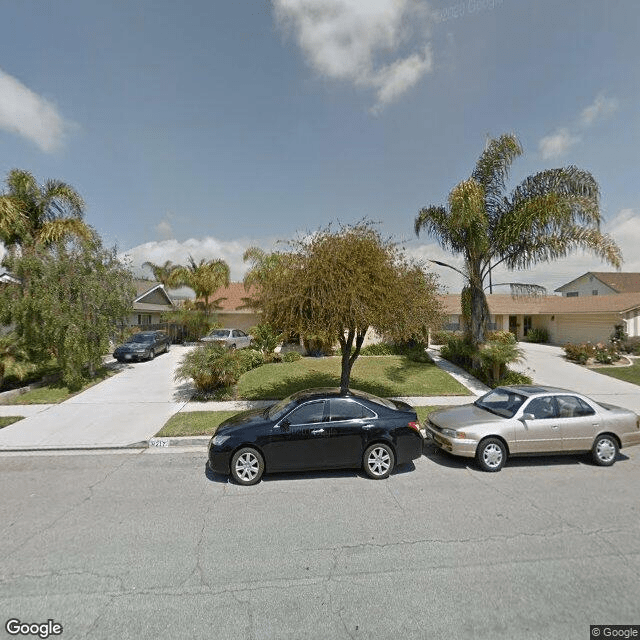
8217 Tiara Street, Ventura, CA 93004
To contact a resident: (805) 659-4603
For more information about senior living options: (866) 208-4318
Mariposa Valley, Inc Costs & Pricing
At Mariposa Valley, Inc, the monthly costs for care highlight a commitment to quality services within the context of broader regional pricing. For semi-private rooms, residents can expect to pay $3,800, which is notably higher than both the Ventura County average of $3,438 and the overall California average of $3,333. Meanwhile, the price for private rooms at Mariposa Valley stands at $4,500 - again exceeding local and state figures, with Ventura County averaging $4,082 and California as a whole at $3,939. This pricing reflects not only Mariposa Valley's dedication to exceptional care but also positions it within a competitive landscape that emphasizes premium services tailored to individual needs.
| Floor plans | Mariposa Valley, Inc | Ventura County | California |
|---|---|---|---|
| Semi-Private | $3,800 | $3,438 | $3,333 |
| Private | $4,500 | $4,082 | $3,939 |
Senior living communities with a similar price nearby
-
from -$600 / mo
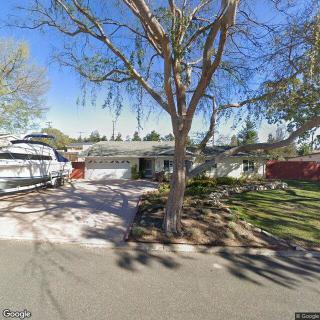
Four Seasons Board & Care Home, Inc.
$3,200 / month18.9 miles away -
from +$490 / mo

An Everlasting Spring - Senior Care
$4,290 to $5,577 / month18.2 miles away -
from +$700 / mo

Royal Oaks Inn
$4,500 / month20.0 miles away -
from +$700 / mo
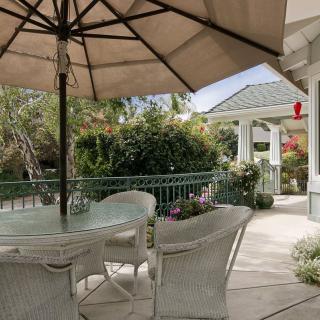
Cottage Inn
$4,500 / month2.3 miles away -
from +$700 / mo
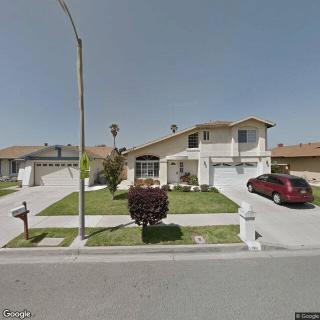
Sea Breeze Manor
$4,500 to $5,500 / month6.2 miles away
Overall Review of Mariposa Valley, Inc
Pros
 Mom likes it there.
Cons
 There is little client activity.
Review
Mariposa Valley, Inc. in Ventura appears best suited for seniors who want a quiet, home-like environment where personal comfort and a good resident fit take precedence over a bustling activities scene. The most consistent signal from the two available reviews is simple and telling: “Mom likes it there.” That sentiment matters, signaling a setting that can feel reassuring and welcoming to a resident who favors familiarity, predictable routines, and a low-stimulation pace. In other words, this community is a practical match for families seeking a low-drama, comfort-forward option where the day-to-day feel can be more important than a packed calendar.
Those who should consider alternatives are the ones who prize active programming and visible, ongoing social engagement. If a resident requires frequent opportunities for socializing, structured group activities, excursions, or a high-energy daily rhythm, this community may fall short. Likewise, families needing robust oversight, diverse programming, or specialized care options may find other nearby options more aligned with those expectations. In short, when activity volume and external engagement are non-negotiable, more dynamic communities deserve consideration.
The primary pro here, resident receptivity and comfort, does weigh against the main con in a meaningful way for the right resident. If the goal is to minimize stress and maximize a feeling of “home,” the fact that mom likes it there can translate into smoother transitions, easier routines, and less resistance to daily living tasks. A quiet environment can reduce agitation for seniors who prefer solitude or who do not thrive in high-traffic settings. When this pro aligns with a resident’s temperament and care needs, the limited client activity becomes a tolerable or even welcome trade-off, rather than a deal-breaker.
However, the lack of robust activity can limit cognitive stimulation, social connection, and opportunities for purpose-filled moments throughout the day. For residents who rely on regular engagement to maintain mood, mobility, or a sense of purpose, the absence of a lively calendar may quickly translate into boredom or restlessness. In such cases, the positive undercurrent of comfort may fail to offset the dissatisfaction that comes from a sparse social life and fewer on-site experiences. The balance hinges on the resident’s personal priorities: comfort and familiarity versus ongoing stimulation.
Practical steps help families decide with confidence. First, arrange a tour focused on day-to-day life: observe activity options, meal routines, and how staff interact with residents; ask for a sample weekly calendar and any current resident-led gatherings. Inquire about transportation for outings, community involvement, and opportunities for private family time, visits can compensate for fewer organized events. Clarify what care services are available on-site, and what the steps are to access additional support if needs change. If possible, request a trial stay or a short-term visit to gauge whether the pace and atmosphere truly fit a specific loved one.
Ultimately, this community delivers a stable, comfortable home environment for seniors who value peace and a sense of belonging over a full social lineup. The two reviews converge on contentment from the resident’s viewpoint, a compelling argument for families who prioritize a positive fit and a serene daily rhythm. For those whose priorities lean toward richer activity calendars, more social opportunities, or broader care options, it is prudent to explore alternatives that can offer more vibrant engagement while ensuring similar or better levels of safety and quality.
 Board and Care Home
 Private
 Oxnard (5 miles away)
 Ambulatory care
 Incontinence care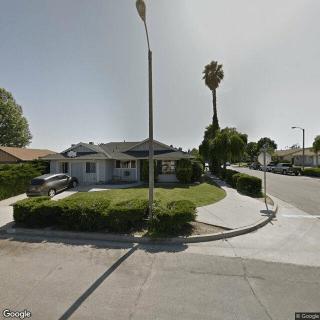

 A Closer Look at Private Pay Home Care
 Comprehensive Approaches for Arthritis: A Detailed Guide to Symptoms, Causes, and Care
 Comprehensive Insights and Practical Strategies to Help Older Adults Avoid Falls