
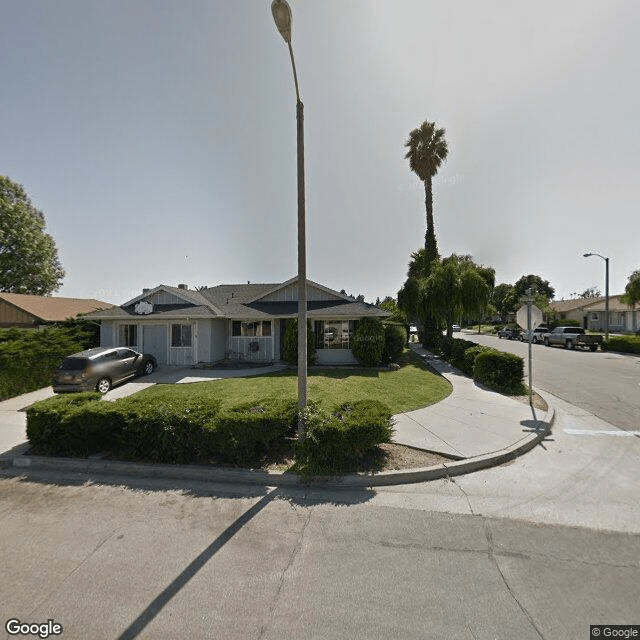
1755 Potomac Ave, Ventura, CA 93004
To contact a resident: (805) 659-4984
For more information about senior living options: (866) 208-4318
Overall Review of Normal Life Of California
Pros
 He loved Rescare/Potomac home for a long time.
- Being among his peers made an immeasurable difference for him.
- This home is close to perfect.
Cons
 John was born mentally disabled.
- John has always had a very difficult life finding peace or any joy in his living home experience.
Review
Normal Life Of California in Ventura is best suited for adults with developmental or intellectual disabilities who thrive in a small, peer-centered living environment where daily routines organize life and belonging to a community is the core benefit. The lone review portrays a setting in which being around peers delivers a level of peace and joy that the resident had not found in prior placements. The message is clear: this community succeeds most when the resident’s daily fulfillment comes from social integration, predictable structure, and the comfort of shared experiences with peers who face similar challenges.
Families should consider alternatives when medical complexity, privacy, or independence needs stretch beyond what a peer-focused home can reliably provide. If a loved one requires robust clinical oversight, frequent skilled nursing, or highly individualized medical management, a more medicalized setting may be a better match. Likewise, those who prioritize a higher degree of privacy or who want less reliance on group dynamics for daily satisfaction might prefer a different model of care, such as a facility with a more traditional assisted living structure or a smaller, private-residence approach.
The strongest pro is the tangible sense of belonging and emotional uplift that emerges from peer interaction. The reviewer describes a transformation that comes from being among peers, suggesting that shared experiences and mutual understanding create a living environment where peace, comfort, and joy become accessible in ways that were not previously available. This benefit appears to offset the imperfections inherent in any care setting by delivering a quality of social life and emotional resonance that can be difficult to replicate in more isolated or medically focused programs. When the primary goal is engagement, dignity, and everyday happiness, the pro stands out as compelling.
Yet the review does not enumerate concrete drawbacks, which means several practical gaps remain to be explored. The absence of explicit cons invites families to fill in the blanks with their own risk assessment: what happens if the resident’s needs shift toward greater independence, or if a crisis arises that requires rapid clinical intervention? How are privacy, personal routines, and individualized activity plans balanced in a community built on peer interaction? Without those details, the decision must lean on diligence, visiting, talking with staff, and observing how residents relate to one another and to caregivers under typical daily conditions.
To make a sound decision, approach the intake with a structured checklist. Request a clear description of staff qualifications, resident-to-staff ratios, and the training emphasis on behavioral and developmental support. Inquire about daily schedules, activity options, and how program plans are tailored to each resident’s goals and abilities. Examine the transparency of safety protocols, crisis response, and how guardians are kept informed. Finally, assess the environment for privacy preferences, room configurations, and opportunities for meaningful family involvement to ensure the setting aligns with long-term expectations.
Overall, Normal Life Of California presents a highly attractive option for families seeking a living arrangement where peer connection, routine, and emotional well-being take precedence for individuals with developmental challenges. The single lived experience cited suggests a profound improvement in quality of life when the environment centers around shared experiences and peer support. For families prioritizing companionship and a sense of peace over clinical intensity, this community offers a persuasive, practically attainable path. However, for those whose loved one requires more medical oversight or a model emphasizing greater independence, it pays to evaluate alternatives with similar care commitments, ensuring the chosen path aligns with evolving needs and long-range goals.
 Oxnard (5 miles away)




 Seniors and Modern Transportation: Exploring Uber, Lyft, and Other Ride-Hailing Options
 Comprehensive Guide to Qualifying for Home Health Care Services
 Powerful Realities of Elder Abuse and the Most Effective Ways to Report It