
10900 Telephone Road, Ventura, CA 93004
For more information about senior living options: (866) 208-4318
Overall Review of Veterans Home Of California-Ventura
Pros
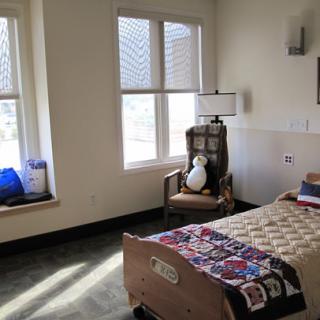
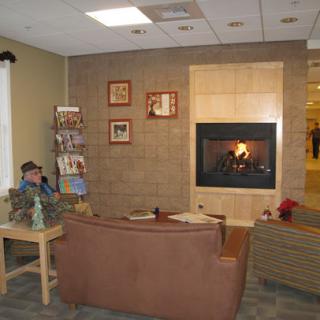
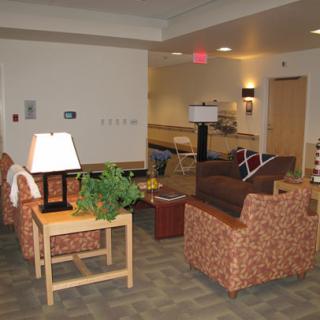
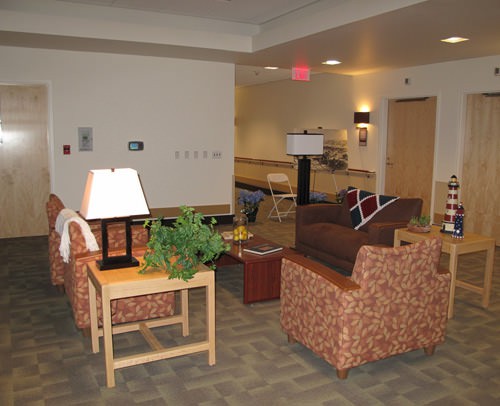
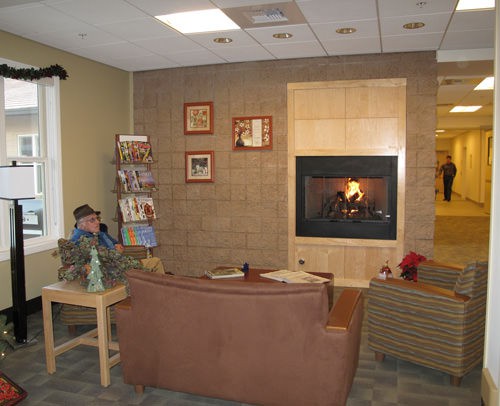
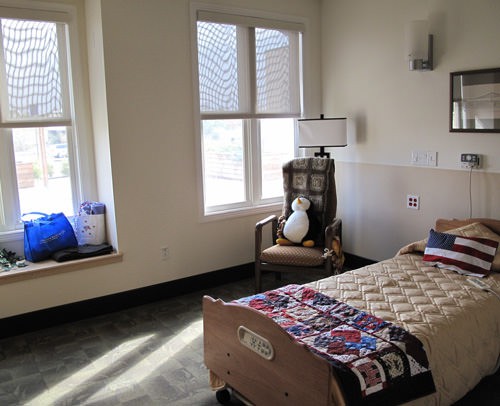
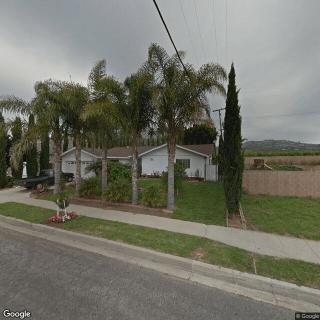
 The place is beautiful and clean.
- They really take good care of loved ones.
- The staff are awesome and communicate well.
- It looks like a very good place to live.
Cons
 The reviewer is extremely disappointed with how this program is run.
- The reviewer believes the qualification process needs to change ASAP to better assist soldiers who deserve to live in these homes and not be based solely on having a child with a veteran.
- The reviewer asserts that the veteran was denied because a non-spouse applied with no consent from the veteran and no marital status to grant legal rights.
- The reviewer argues that veterans should be contacted to ensure they are aware of the risk of losing opportunities in the future.
- The reviewer states that their personal information was shared with a new tenant who should not have been qualified, which violates privacy and confidentiality expectations for a government office.
- The reviewer says they were forced to click one star in order to post.
- The reviewer finds it insulting to see their son treated like a regular civilian, as if he hadn't worked hard to deserve this.
Review
This community is best suited for veterans who want a clean, well‑kept campus with attentive staff and who can navigate a formal admissions process that clearly defines eligibility and the rights of family decision-makers. It rewards those who value dignity, routine, and dependable communication, and who are comfortable engaging with a system that links admission to veteran status, authorized representation, and privacy protections. It is notably well-matched for families seeking a respectful, orderly setting where caregivers and administrators maintain steady contact about care plans. Those who expect a straightforward, spouse‑free path to placement or who require minimal family involvement may find the process unnecessarily complex.
The strongest selling points center on environment and care delivery. The facility is described as beautiful and clean, with a calm, dignified ambiance that supports daily life and comfort. Staff are repeatedly praised for their competence and for maintaining open lines of communication with families, which reduces stress during transitions and ongoing care. For residents, this translates into reliable supervision, visible attentiveness, and a sense that a loved one’s routine will be respected. For families, the practical upside is predictable updates and a clear sense of accountability from the team on the ground.
Yet the admissions framework introduces meaningful risk that can offset these advantages. One reviewer raised alarms about how eligibility is determined, suggesting that a veteran could be disqualified when a non-spouse seeks to participate without the veteran’s explicit consent or rights. A separate concern involves a breach of privacy, with claims that personal information was shared with an unintended party. While these points come from single accounts, they reflect a potential fault line in the process: if the route to admission feels opaque or prone to missteps, trust in the entire care relationship can waver. In practical terms, strong pros on site may be undermined by uncertainties around who can authorize admissions and what protections govern veteran data.
Given these dynamics, certain families should strongly consider alternatives. If the veteran’s eligibility hinges on nuanced family relationships, or if concerns about consents and privacy protections are non-negotiable, exploring other communities with more transparent policies and verified privacy controls is prudent. Likewise, if the admission path appears uncertain or if the cost of potential denial and delays is not acceptable, it is wise to compare alternatives that offer clearer eligibility rules, simpler consent processes, and more robust governance around resident information.
For families proceeding here, a focused due diligence plan is essential. Demand a written articulation of who may authorize admission, what documents are required, and how consent is documented and revocable. Request a copy of the resident agreement, including service inclusions, long-term financial terms, and escalation procedures if disputes arise. Inspect privacy protections: who has access to records, how data is shared, and what safeguards exist to prevent leakage. Tour with questions about real-world admission timelines, and speak with current residents or families about the consent experience to gauge consistency. In short, the practical pathway to a confident choice lies in shadowed clarity: solid care quality paired with an admission process that is transparent, rights-respecting, and tightly managed.
Bottom line: the Ventura veterans community delivers a compelling living environment with strong caregiving potential and dependable staff communication, making it a strong option for veterans who can navigate a clear, rights-conscious admissions path. The decisive caveat is the admissions framework and privacy assurances. For veterans with straightforward eligibility and families ready to engage proactively, this campus stands up well against alternatives. For those where consent rules or data handling feel uncertain or where the admission gate feels precarious, it pays to compare other veterans-focused options that prioritize streamlined eligibility, transparent processes, and proven privacy governance.
 60 resident community capacity
 Assisted Living
 Air-conditioning
 Beauty salon
 Cable or satellite TV
 Computer center
 Dining room
 Fitness room
 Fully furnished
 Gaming room
 Garden
 Housekeeping services
 Kitchenette
 Move-in coordination
 Outdoor space
 Private bathrooms
 Restaurant-style dining
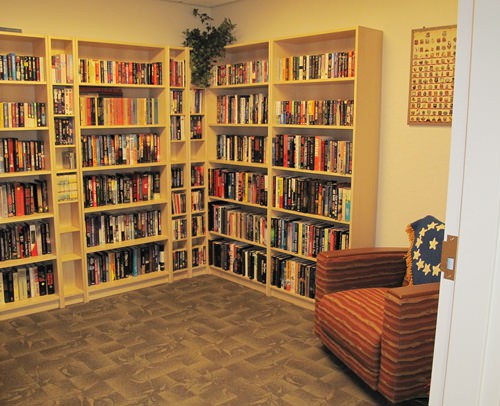
 Small library
 Telephone
 Wellness center
 Wi-Fi/high-speed internet available
 Oxnard (6 miles away)
 Community operated transportation
 12-16 hour nursing
 24-hour call system
 Activities of daily living assistance
 Assistance with bathing
 Assistance with dressing
 Assistance with transfers
 Diabetes diet
 Medication management
 Mental wellness program
 Special dietary restrictions
 Concierge services
 Planned day trips




 Funding and Affording Assisted Living: A Thorough Overview
 Assisted Living Expenses and Long-Term Care Insurance: A Comprehensive Exploration
 Securing Financial Support for Assisted Living: A Comprehensive Overview