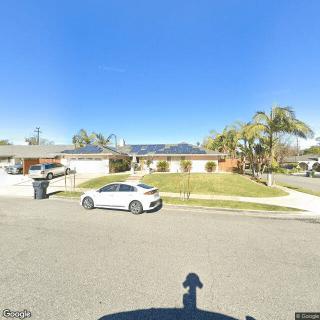
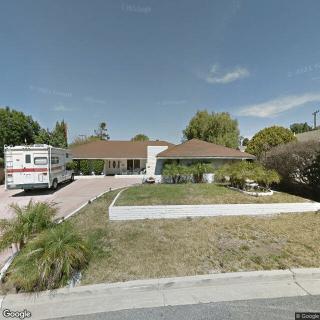
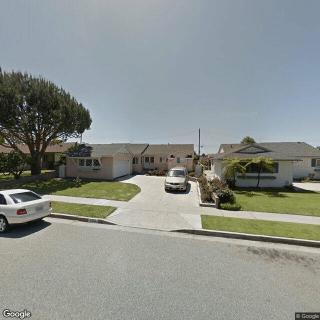
Ventura Townehouse in Ventura, CA

Save

  • Interior

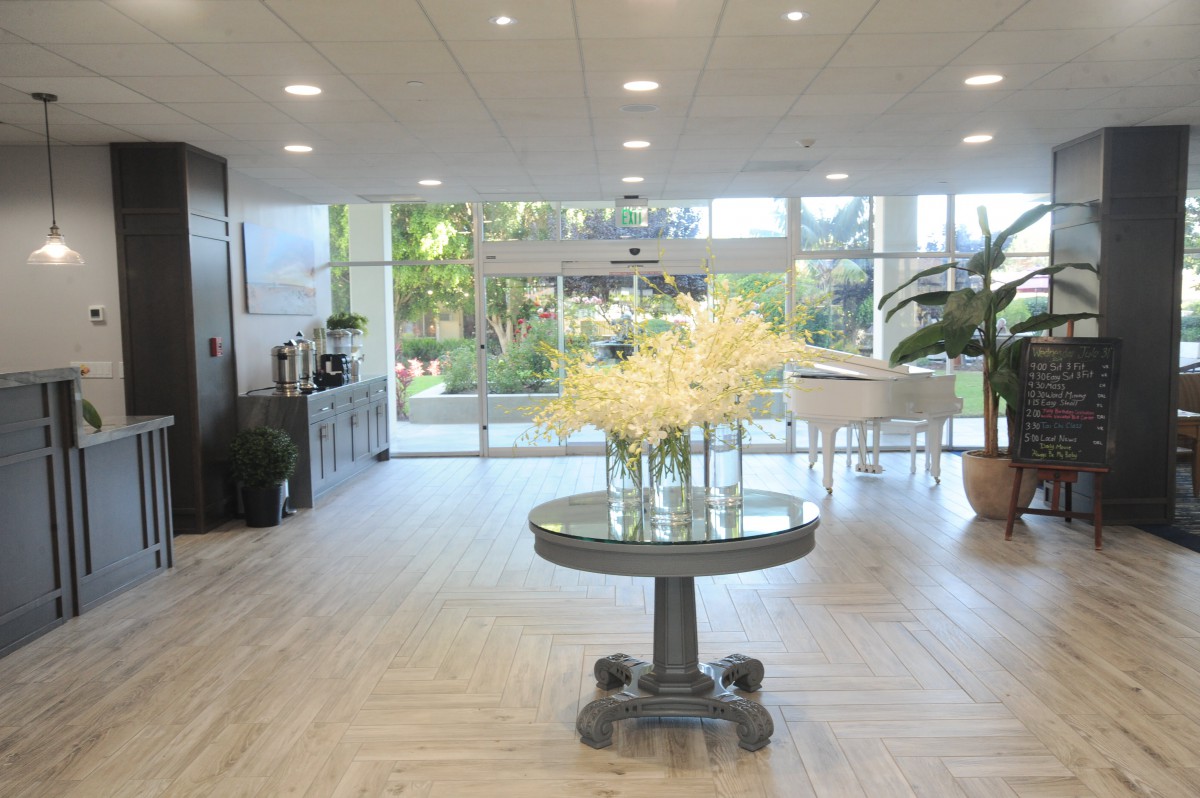
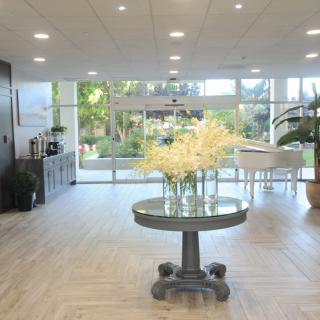
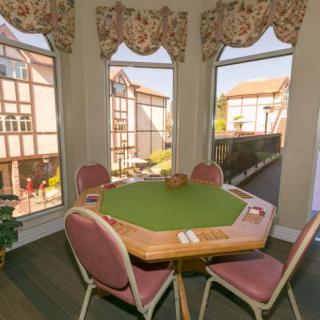
    A modern lobby with a central table decorated with flowers, illuminated by natural light.
  • Outdoors

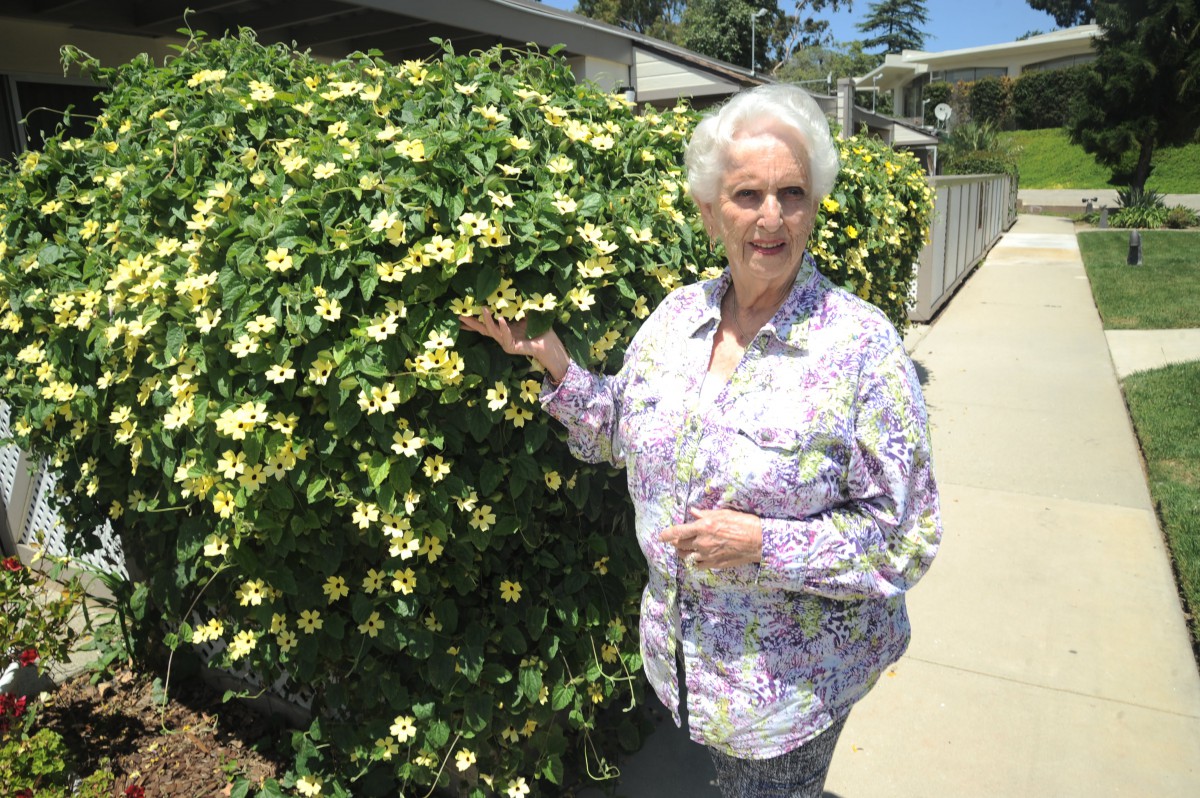
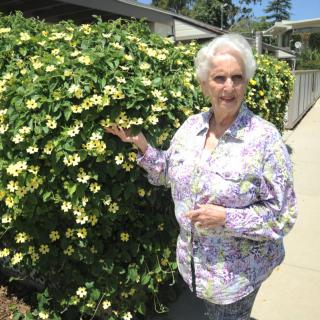
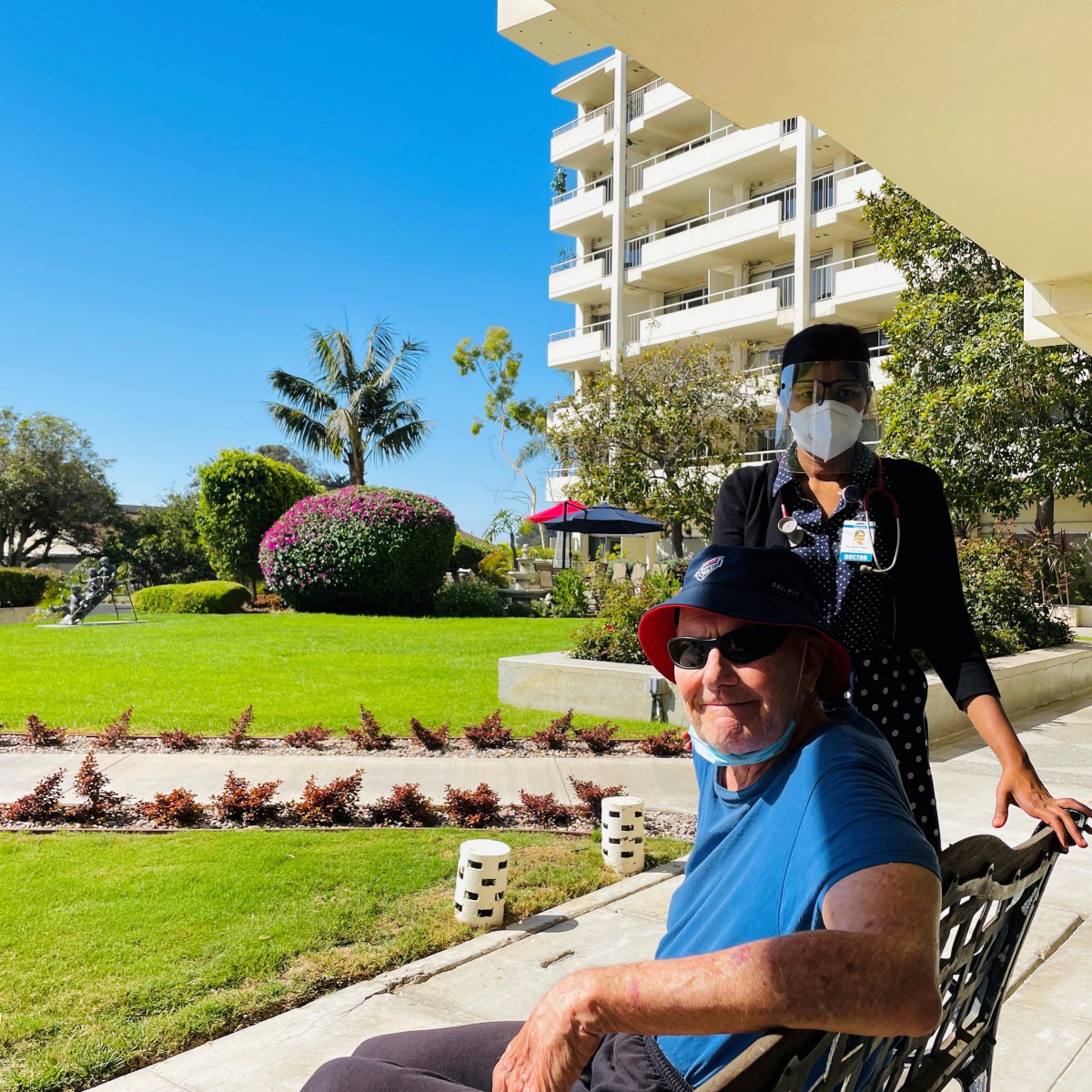
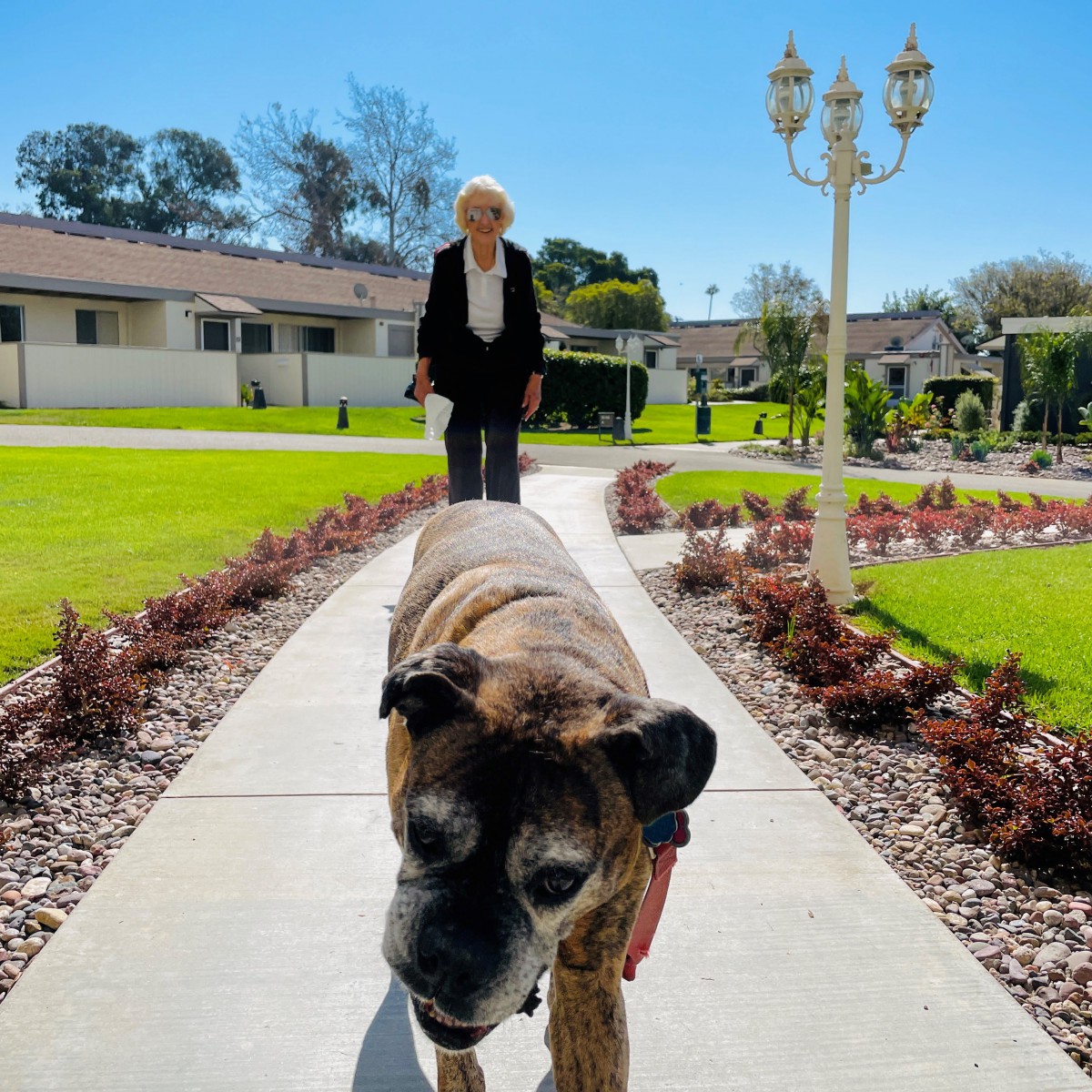
    A woman standing next to a bush covered in yellow flowers on a sunny day.
  • Decor

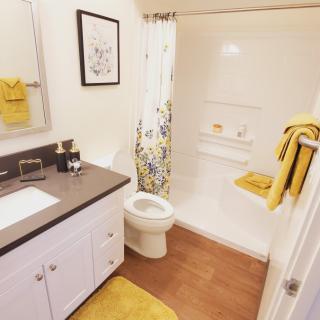
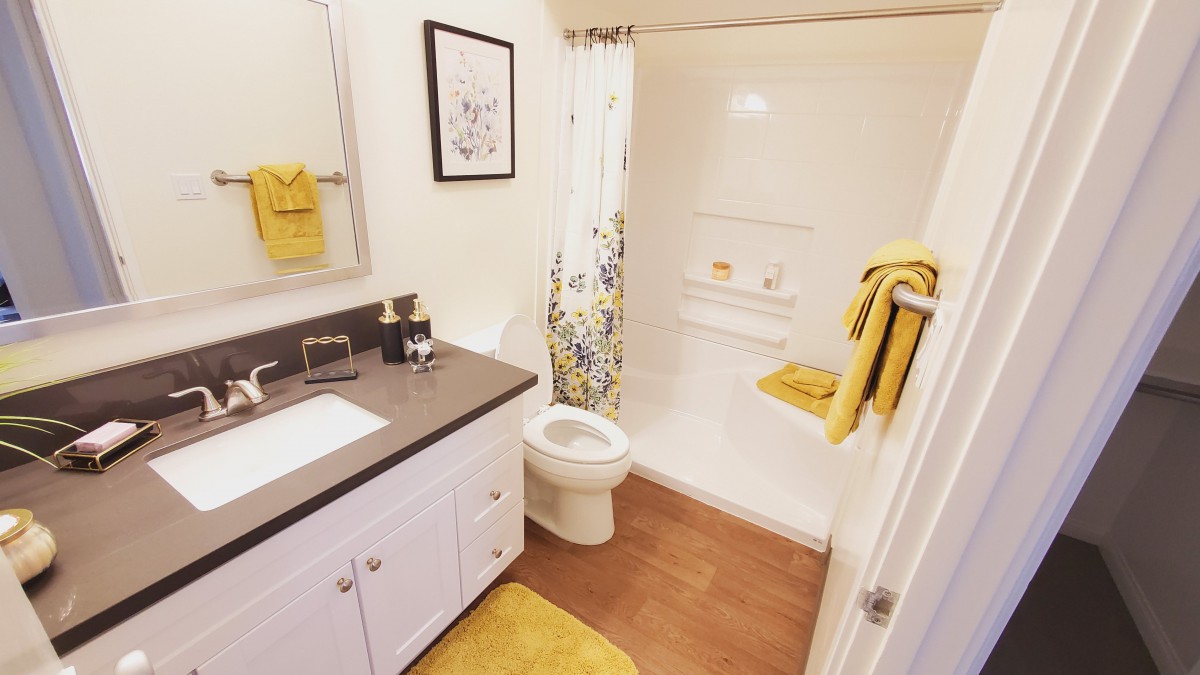
    A neatly organized bathroom with yellow accents featuring a shower, sink, and toilet.
  • Living Room

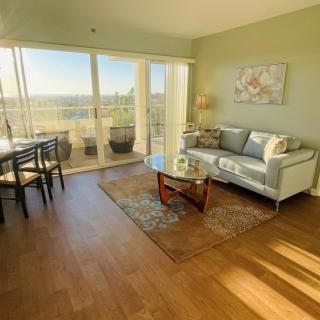
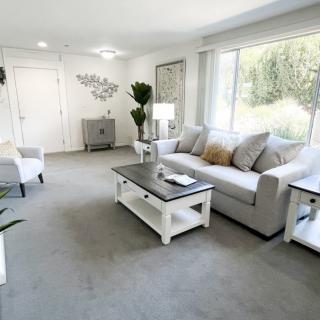
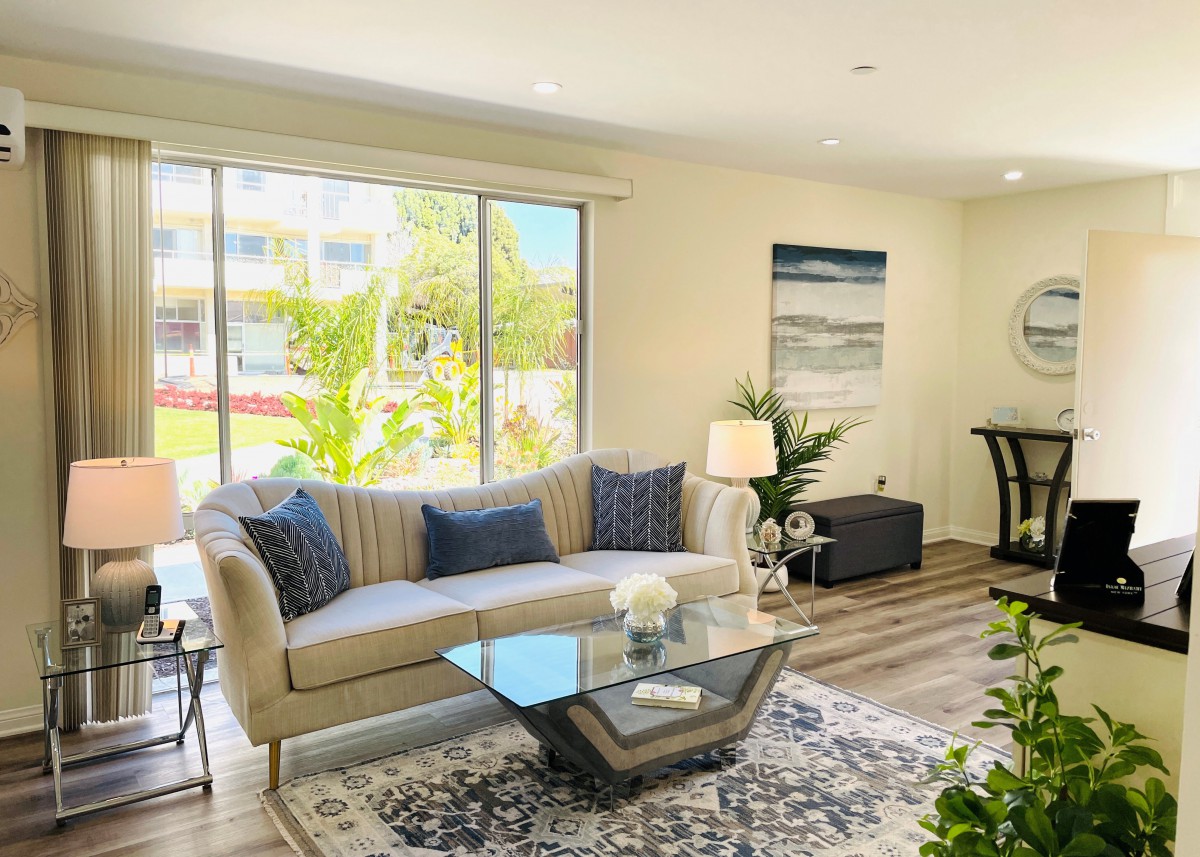
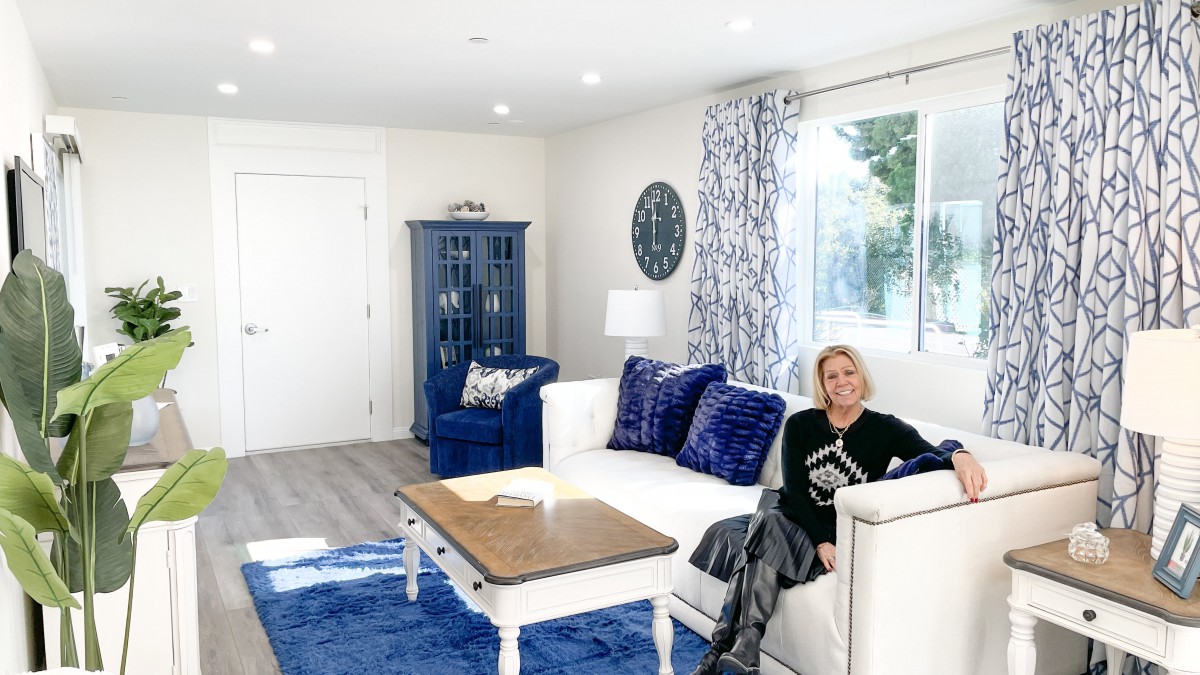
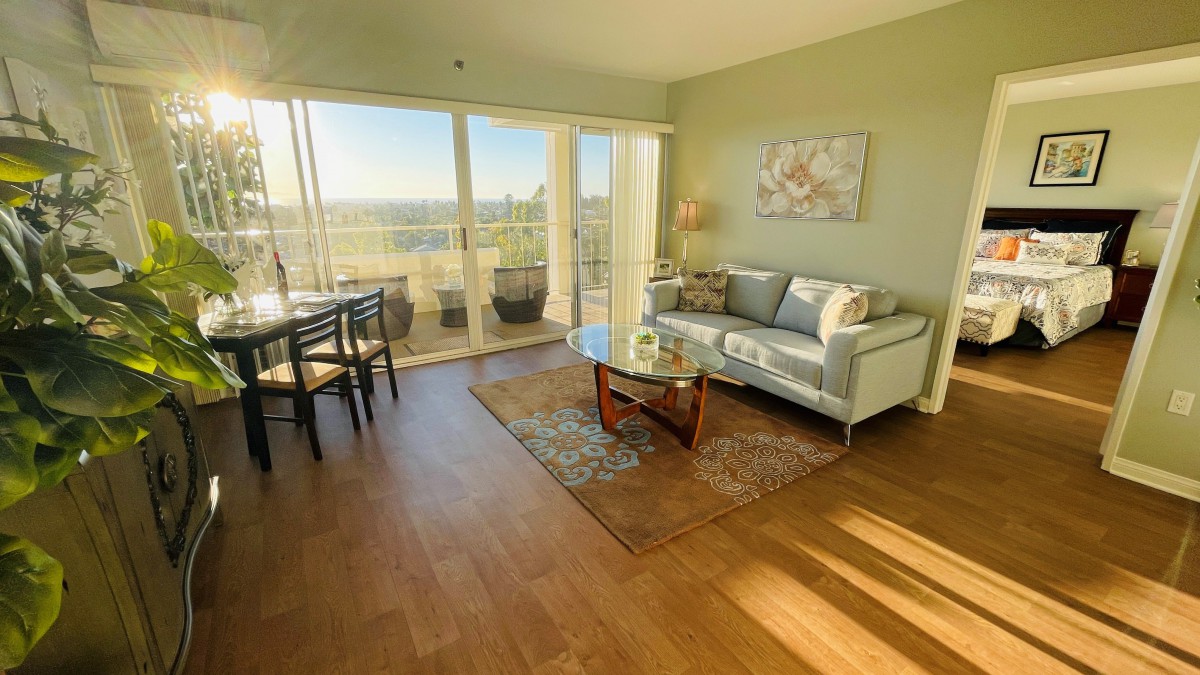
    A bright and modern living room with a cozy seating area and dining space, featuring large windows that provide plenty of natural light.
  • Building

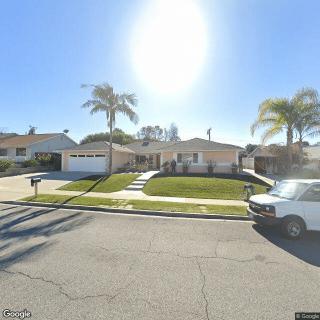
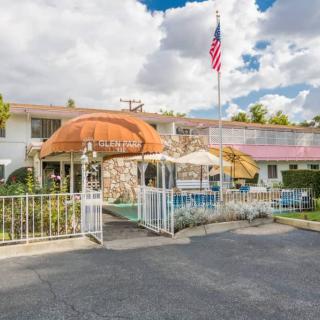
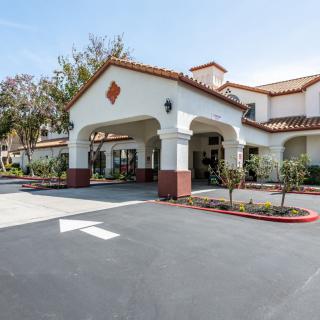
    A modern hotel building surrounded by lush greenery and palm trees under a clear blue sky.
  • Architecture

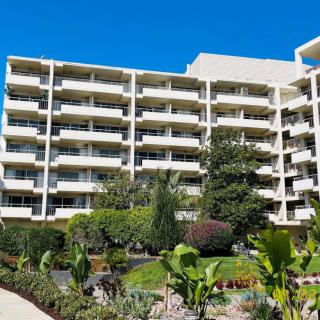
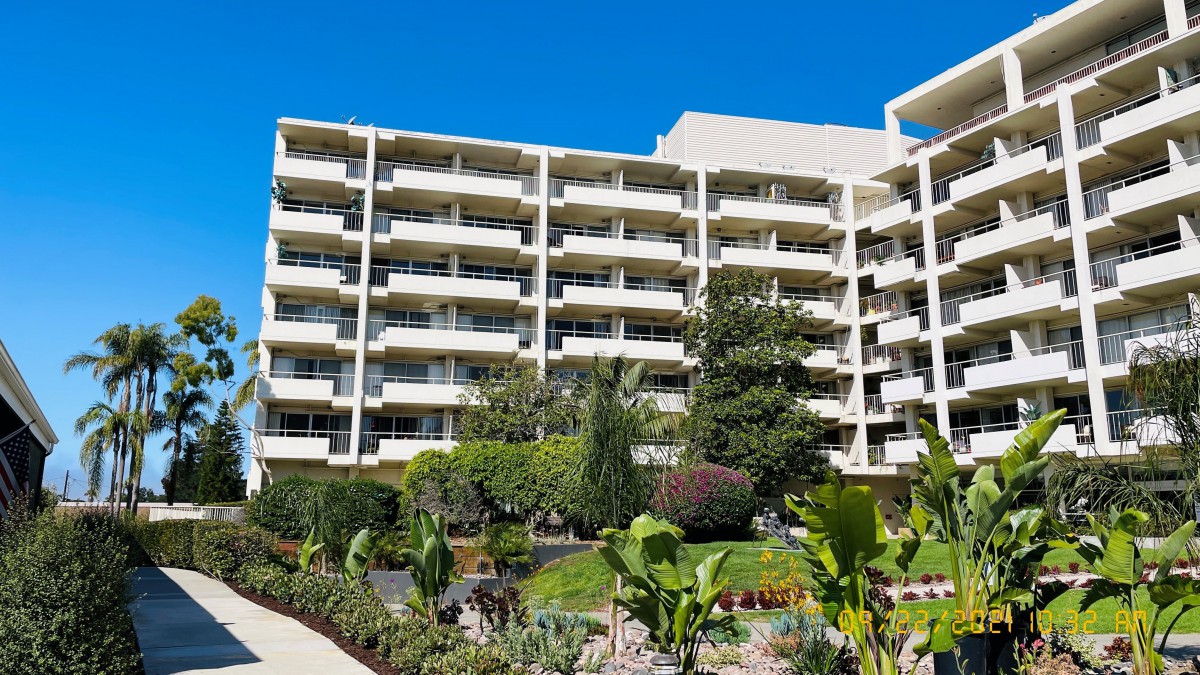
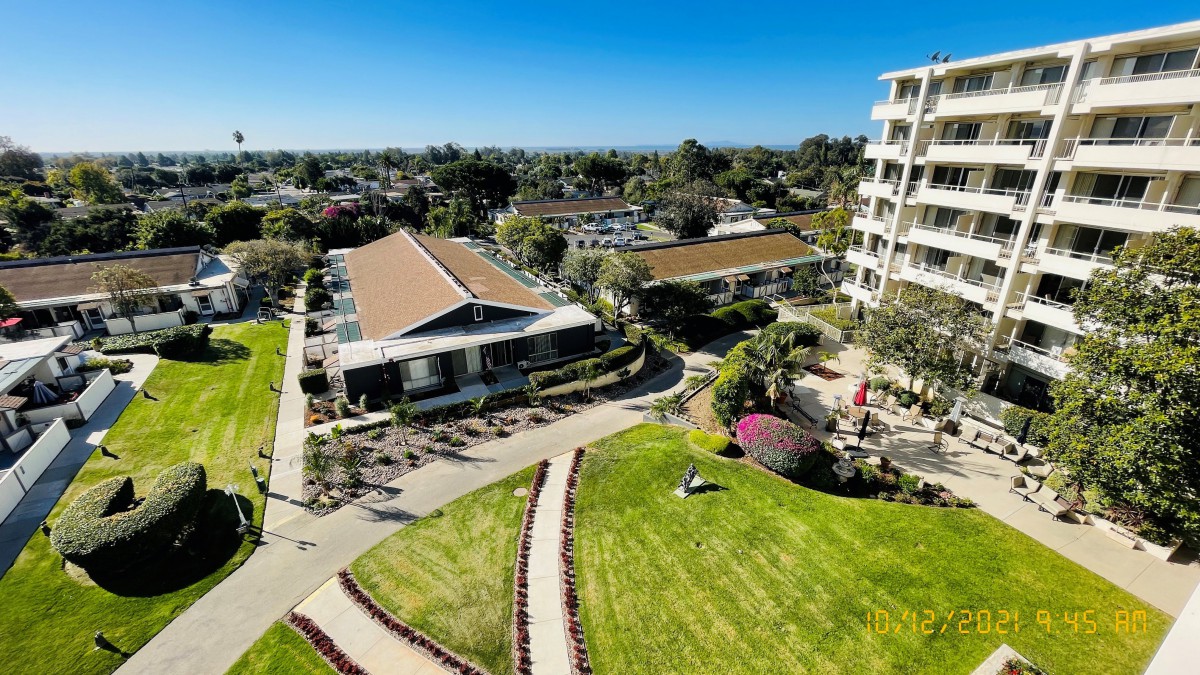
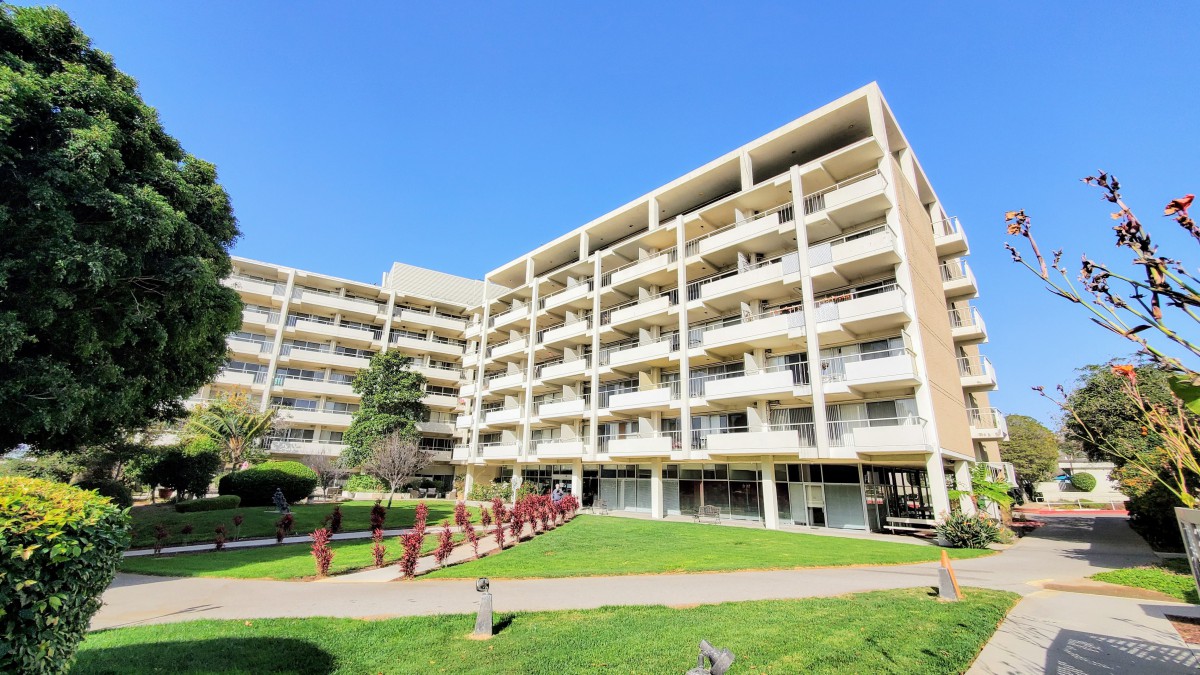
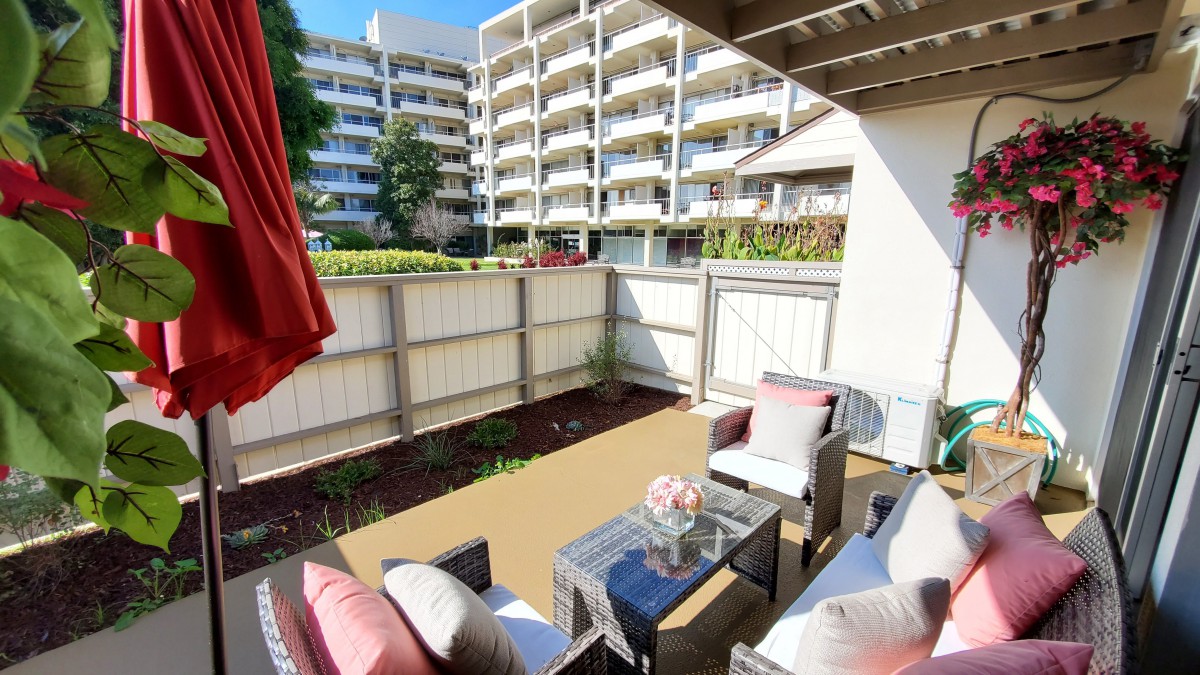
    A residential apartment building with multiple balconies, surrounded by a landscaped garden and lush greenery.
  • Bedroom

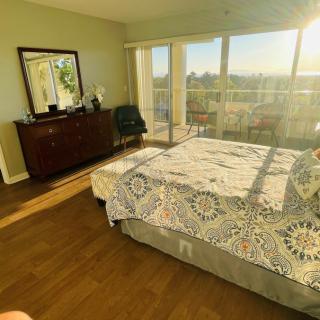
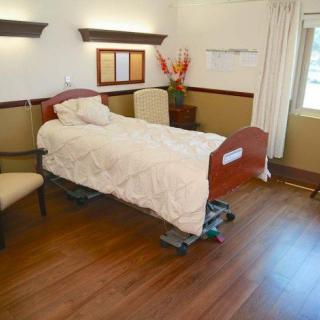
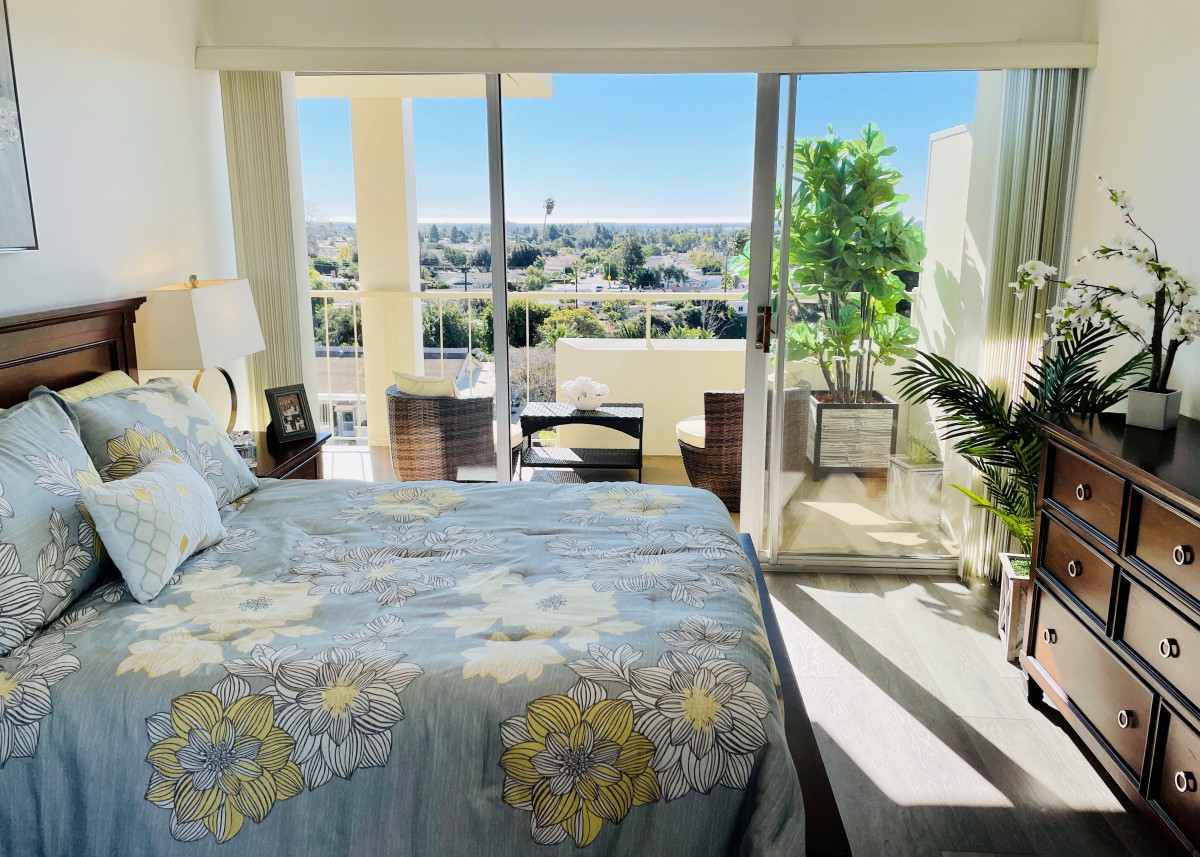
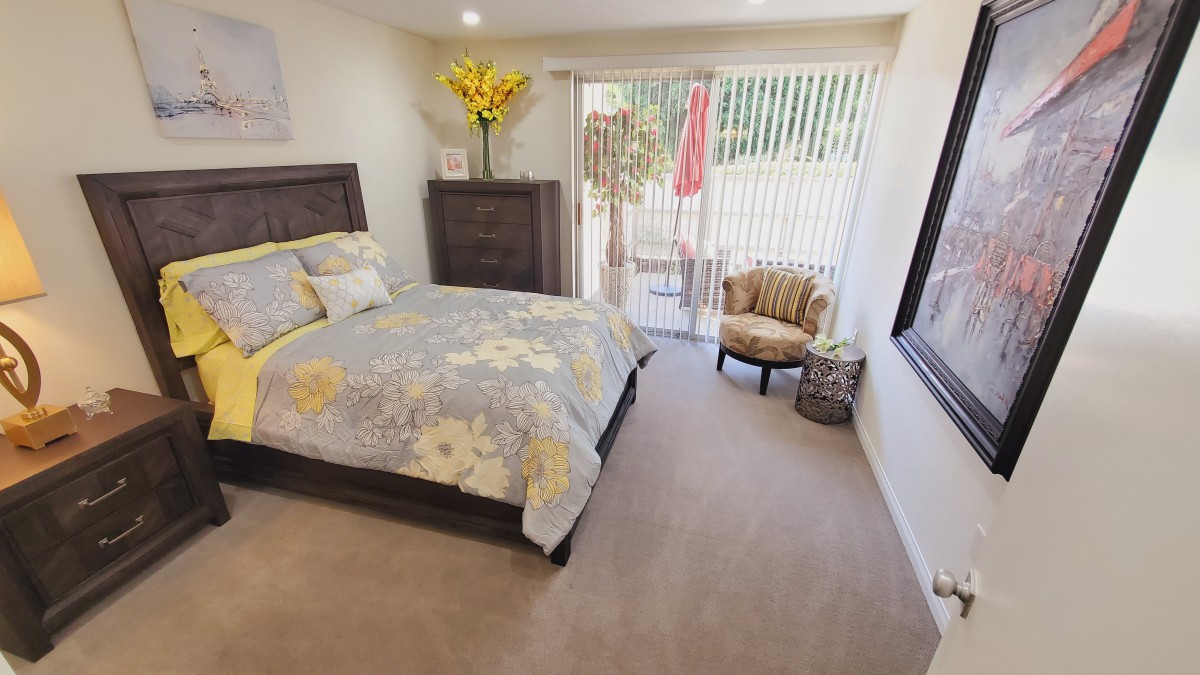
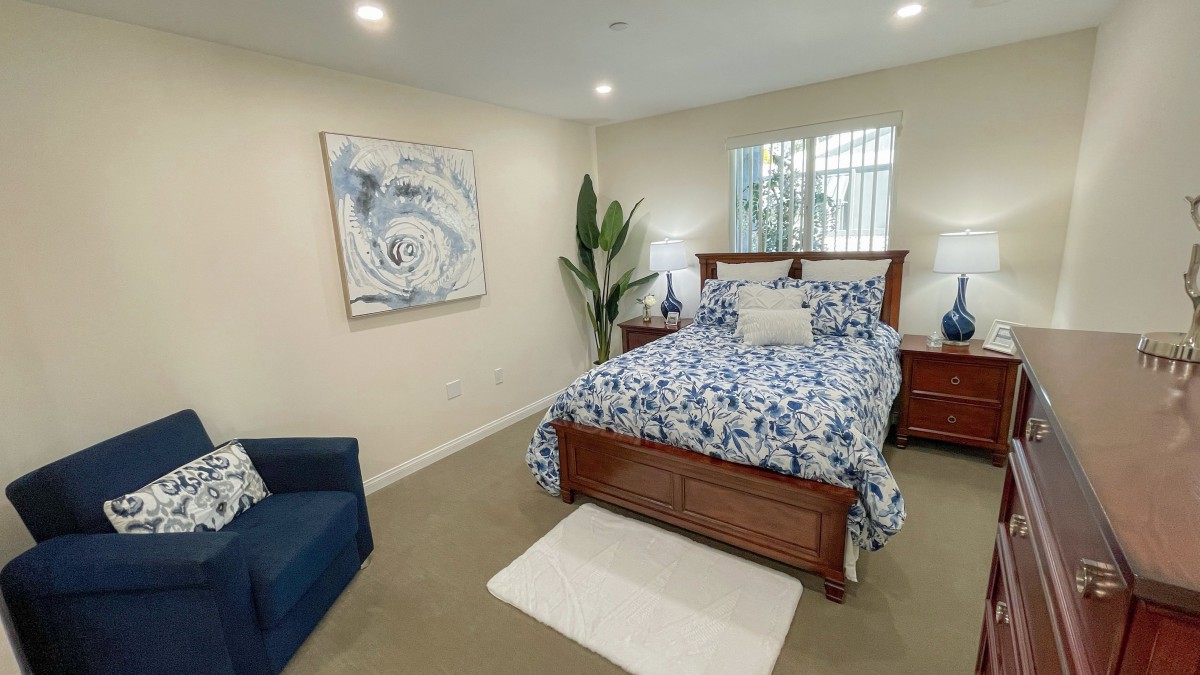
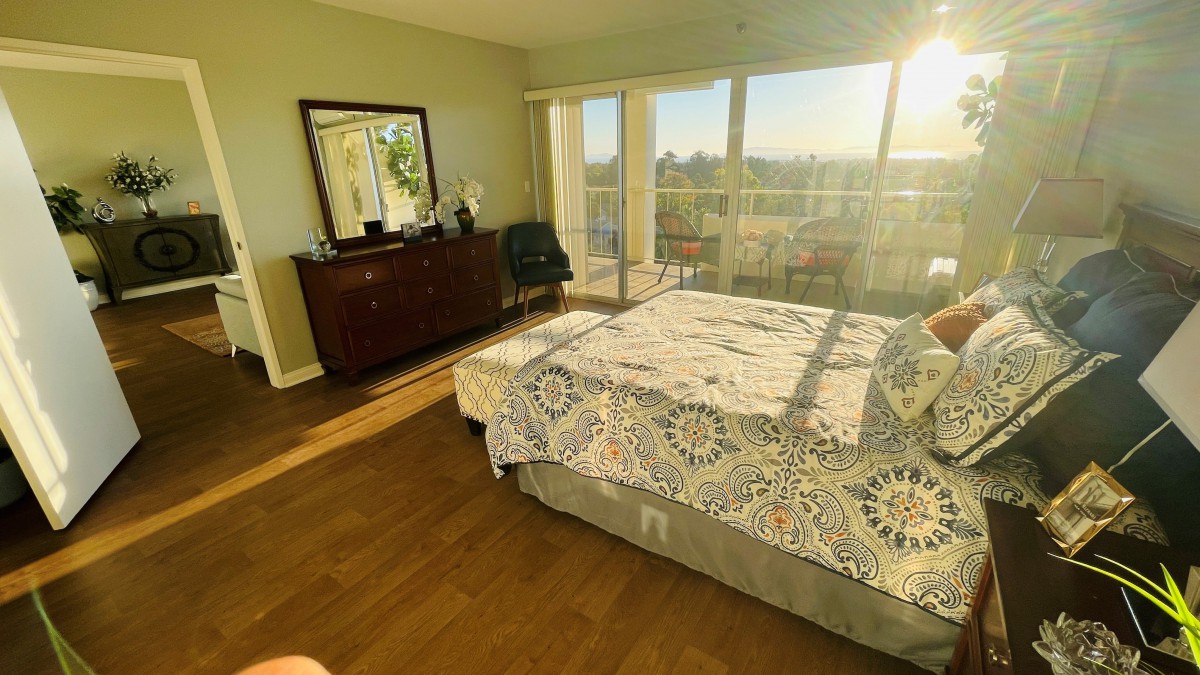
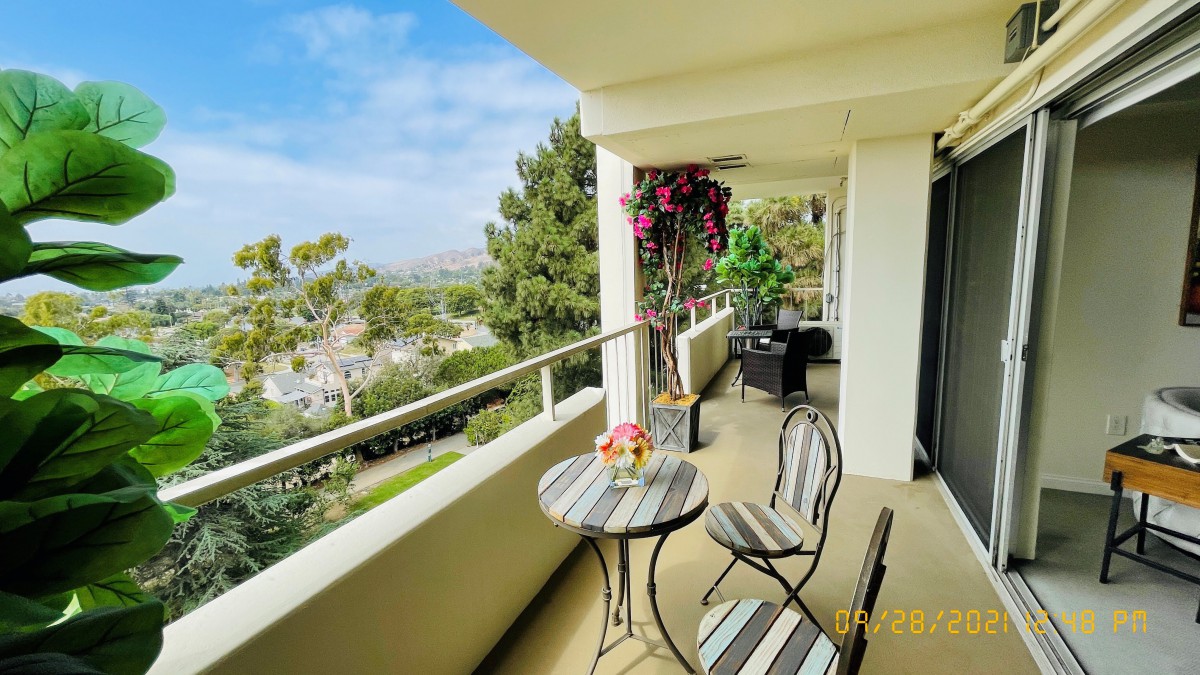
    A sunlit bedroom with a large bed, dresser, and a view from the balcony.
  • Trees

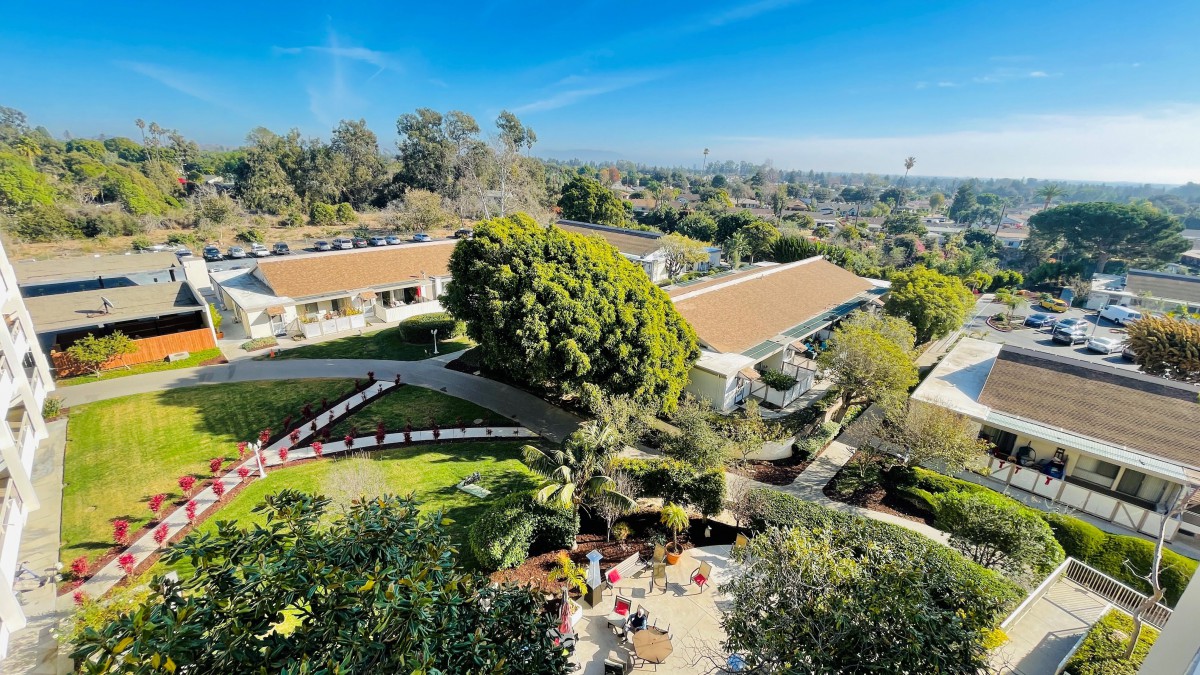
    A scenic view of buildings surrounded by lush greenery under a clear blue sky.
  • Windows

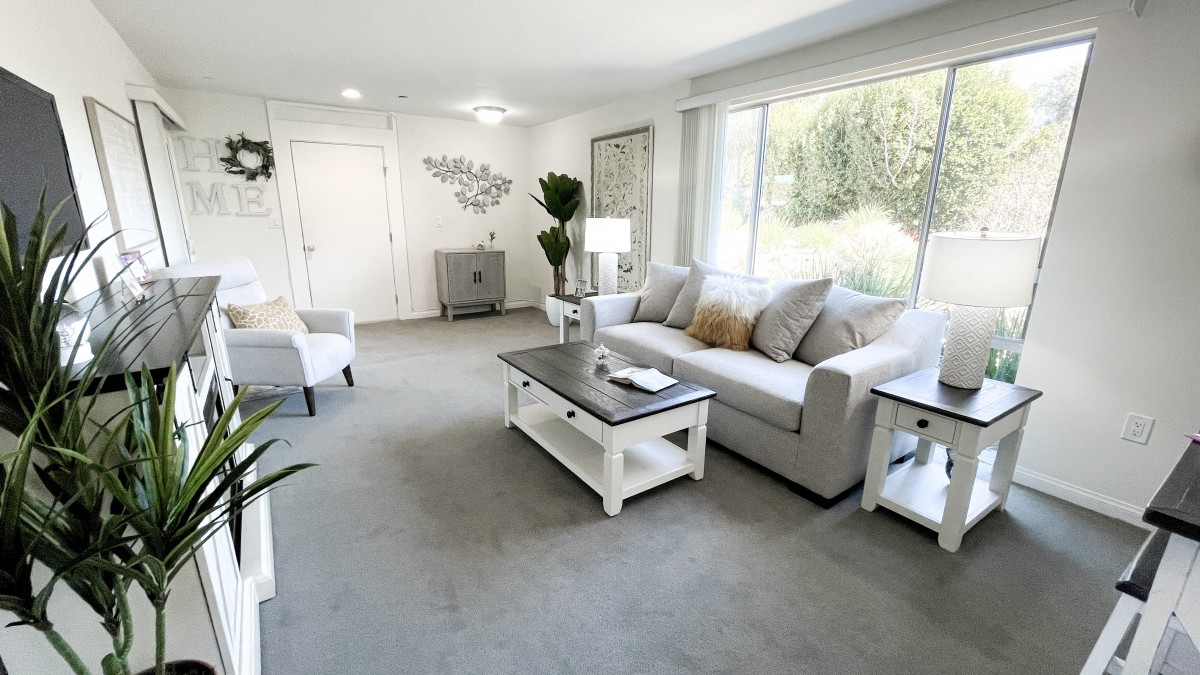
    A bright and spacious living room with neutral tones and modern decor.
  • Dining

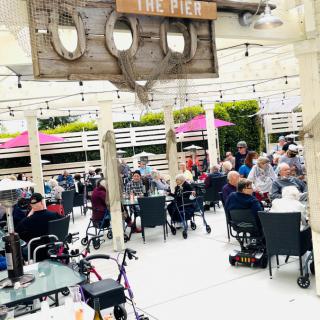
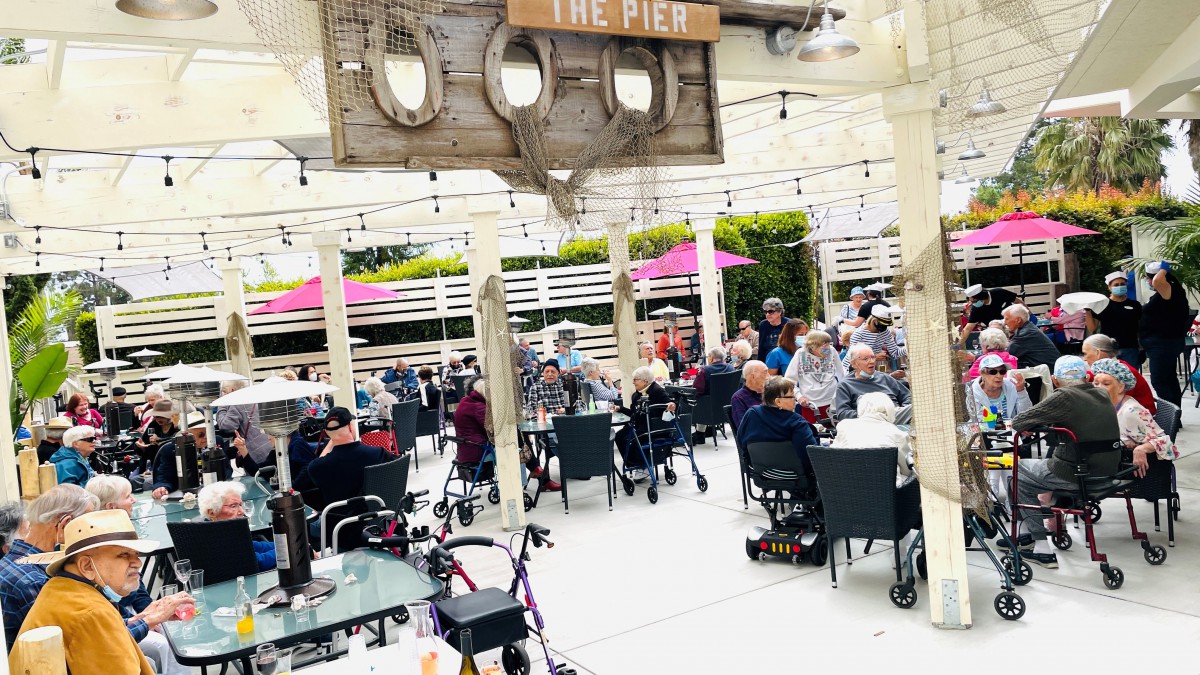
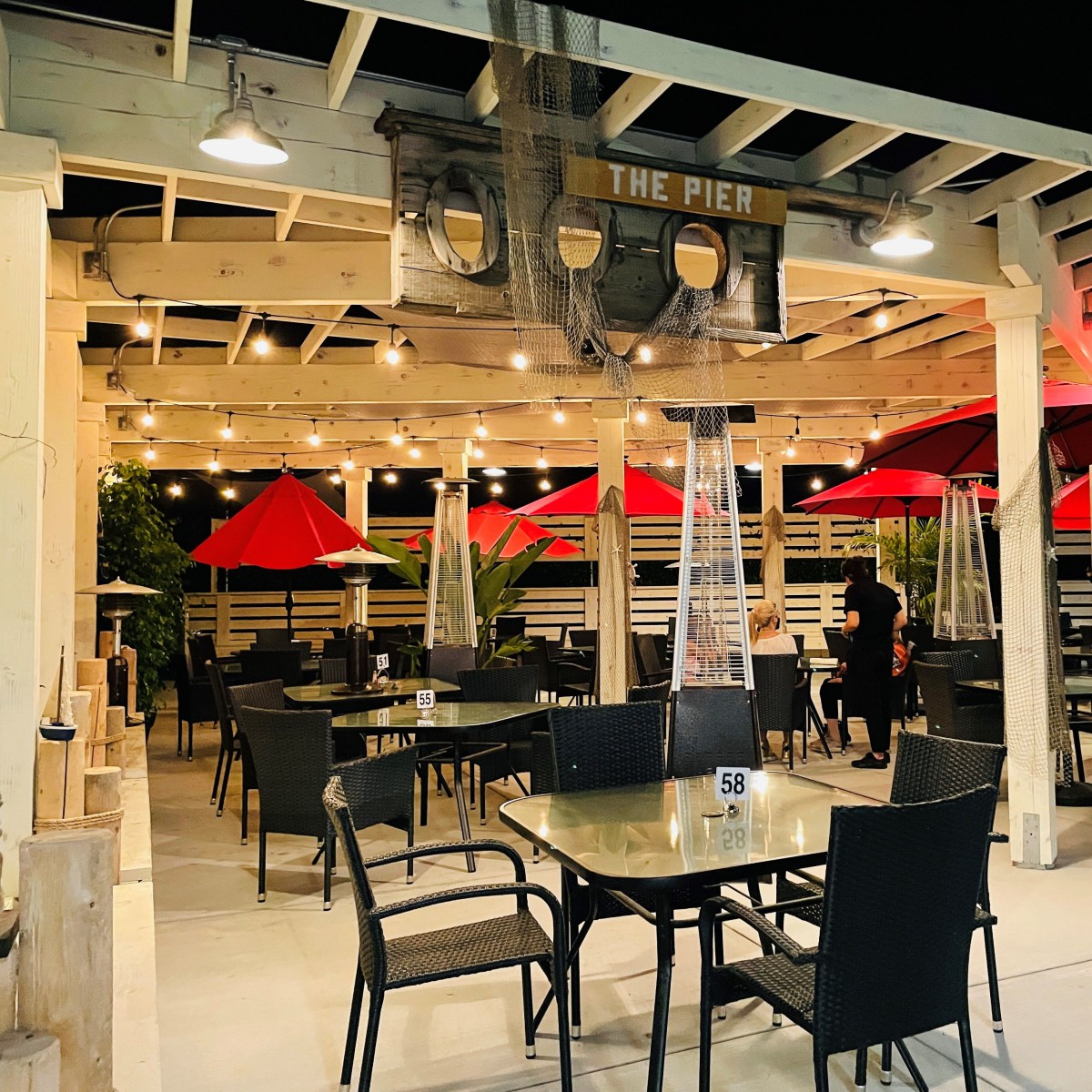
    A lively outdoor cafe setting with people enjoying their meals and conversations under a shaded patio.
  • Landscaping

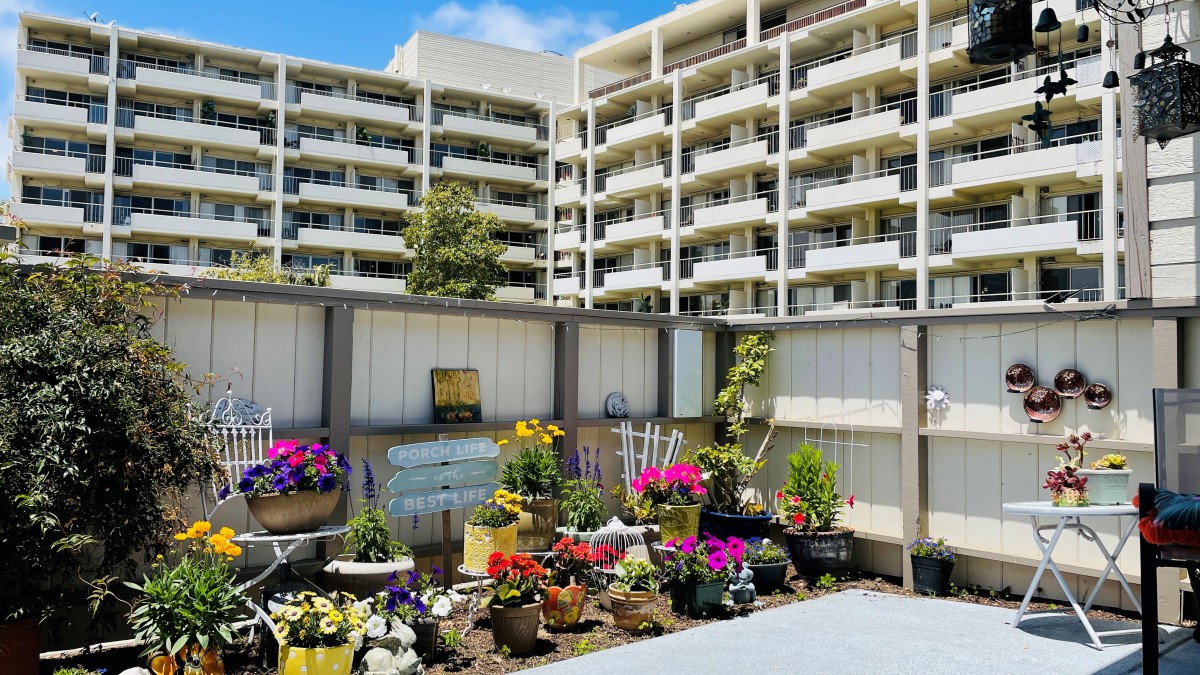
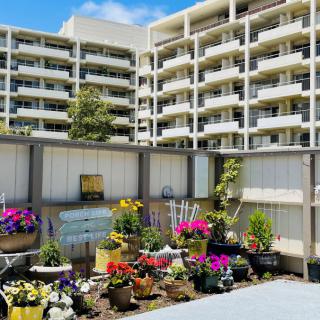
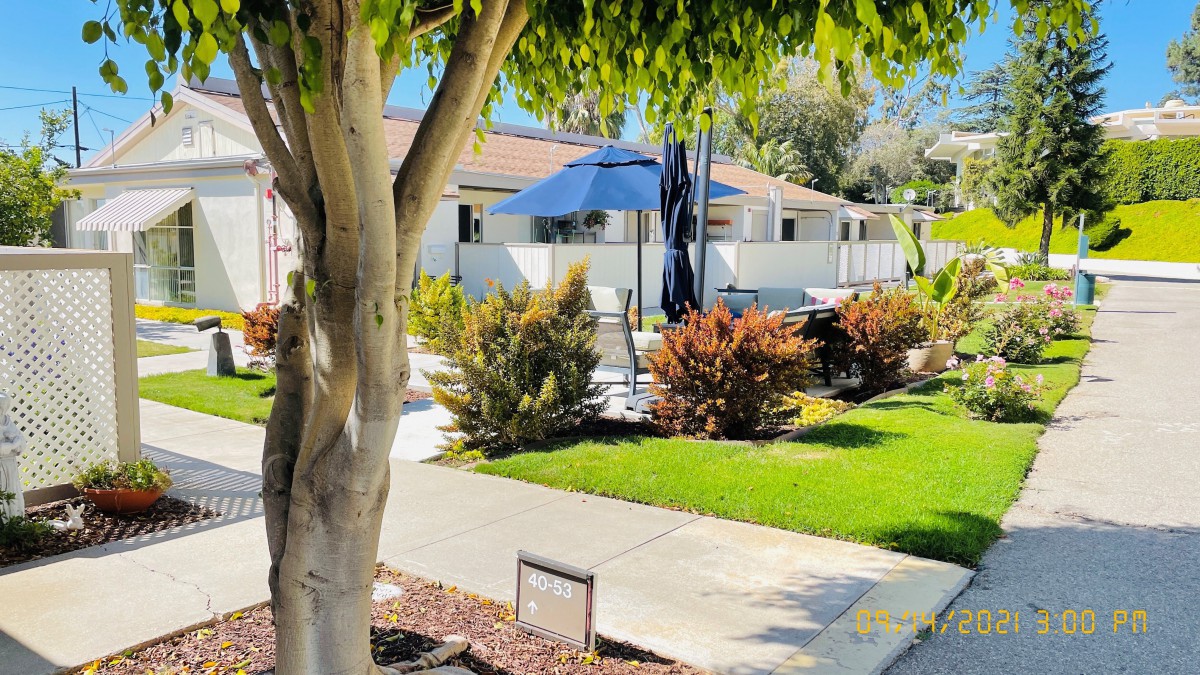
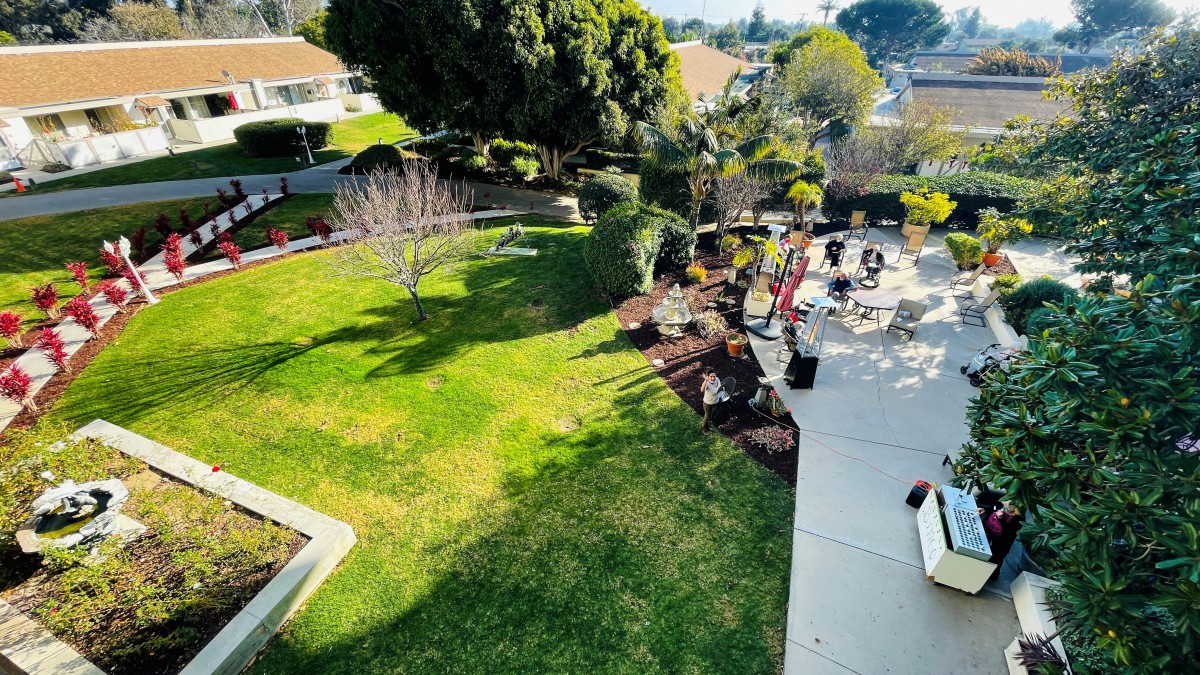
    A vibrant garden blooms in the courtyard of an apartment building.
  • Kitchen

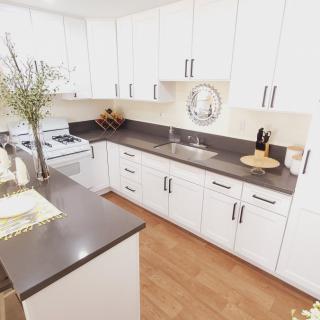
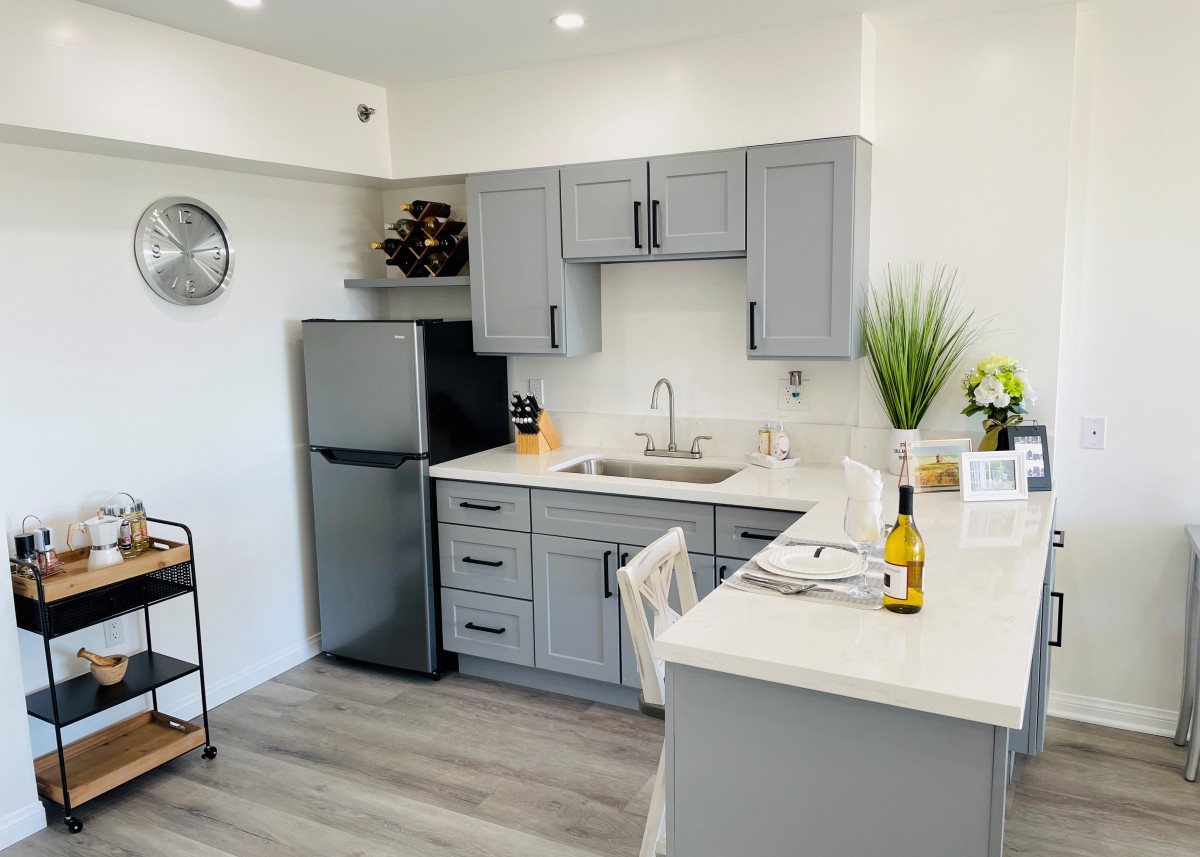
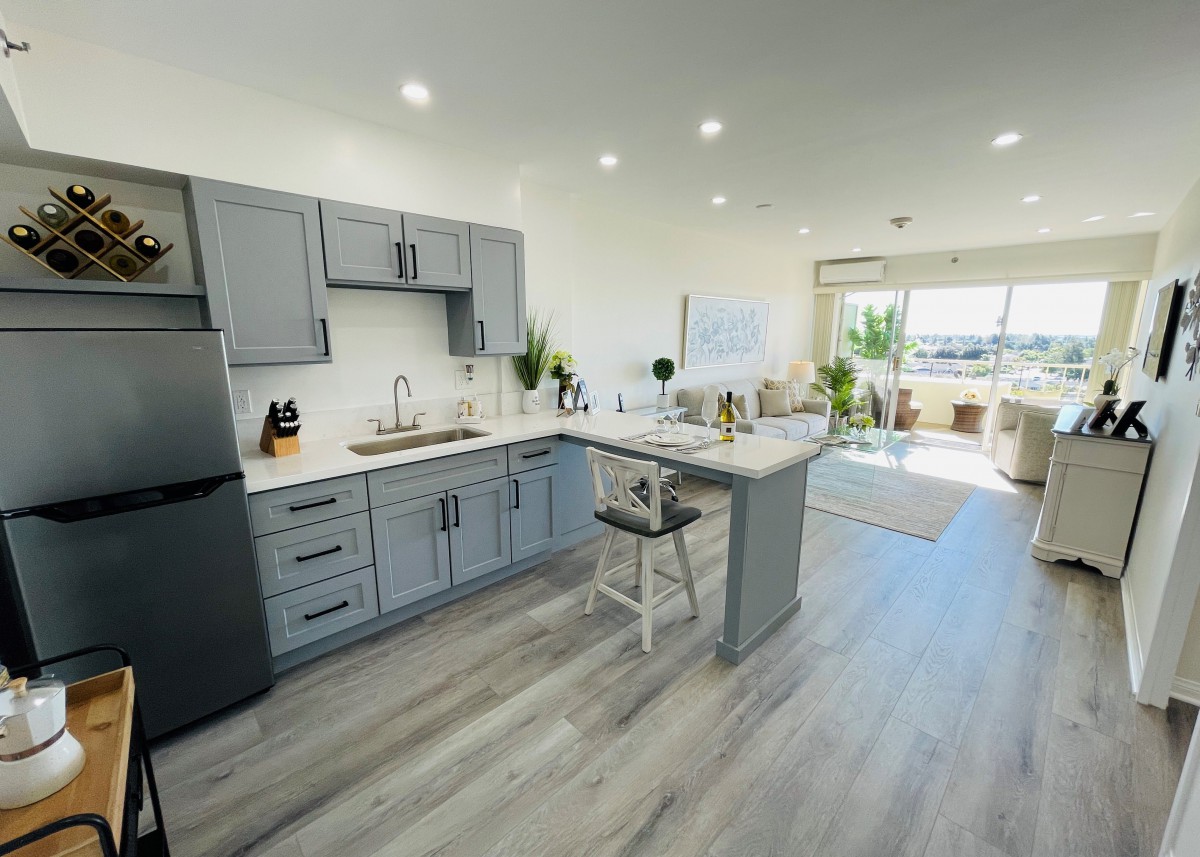
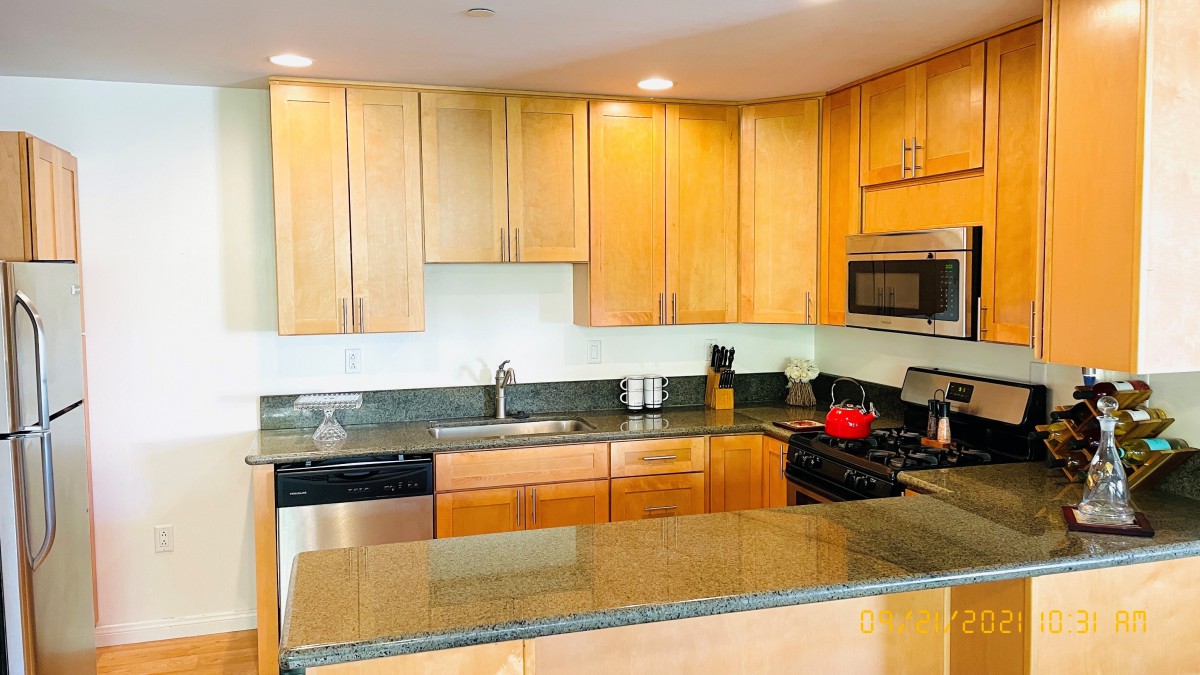
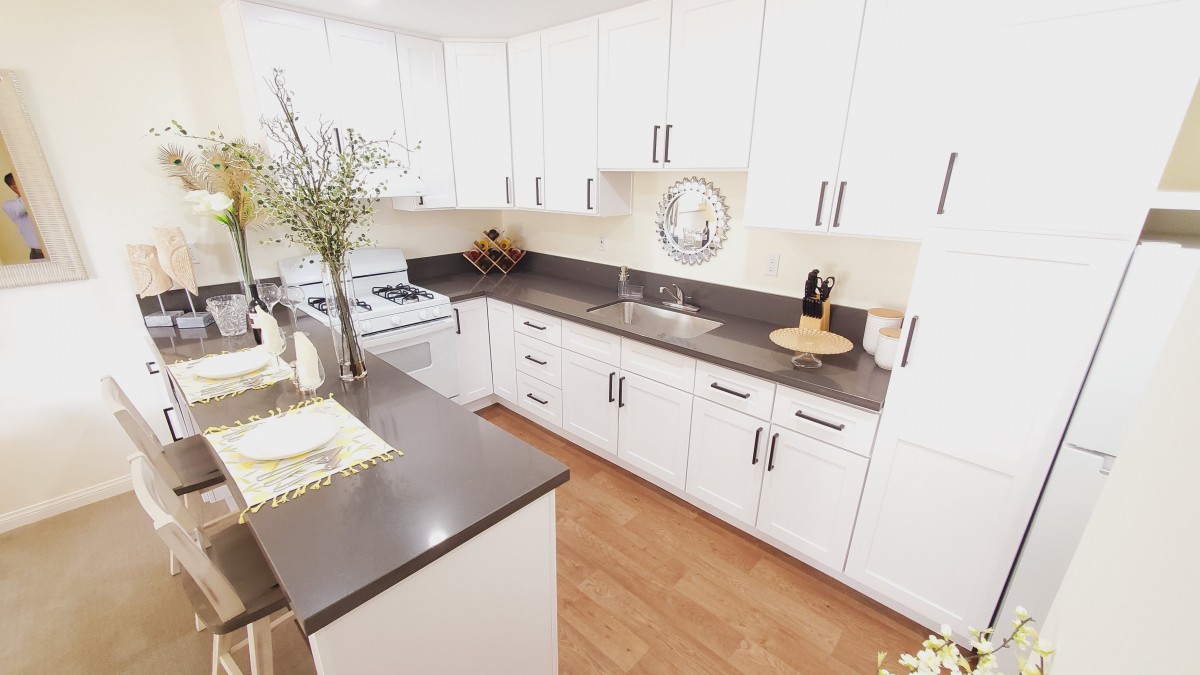
    A modern kitchen with white cabinets and a sleek gray countertop.
  • Garden

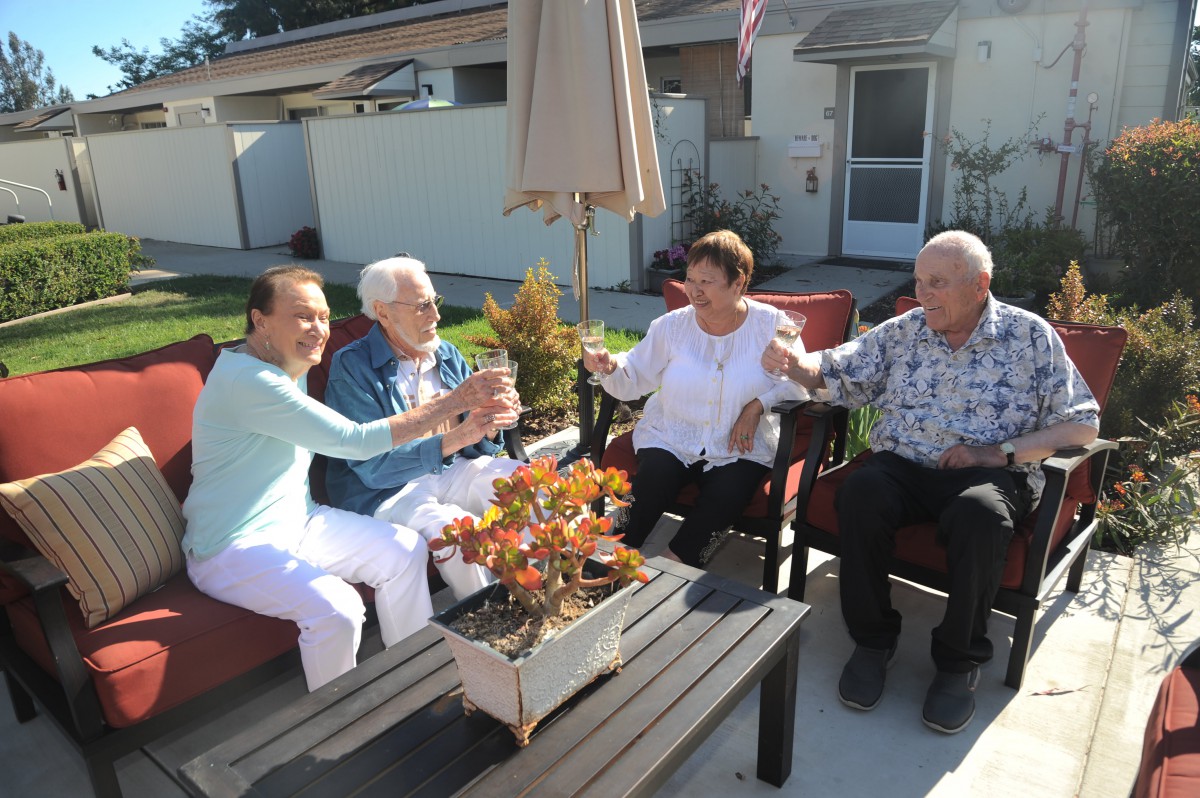
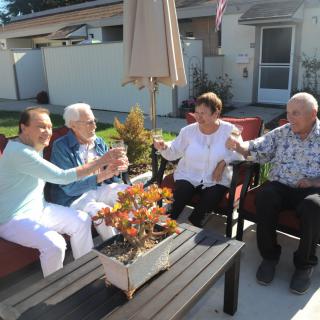
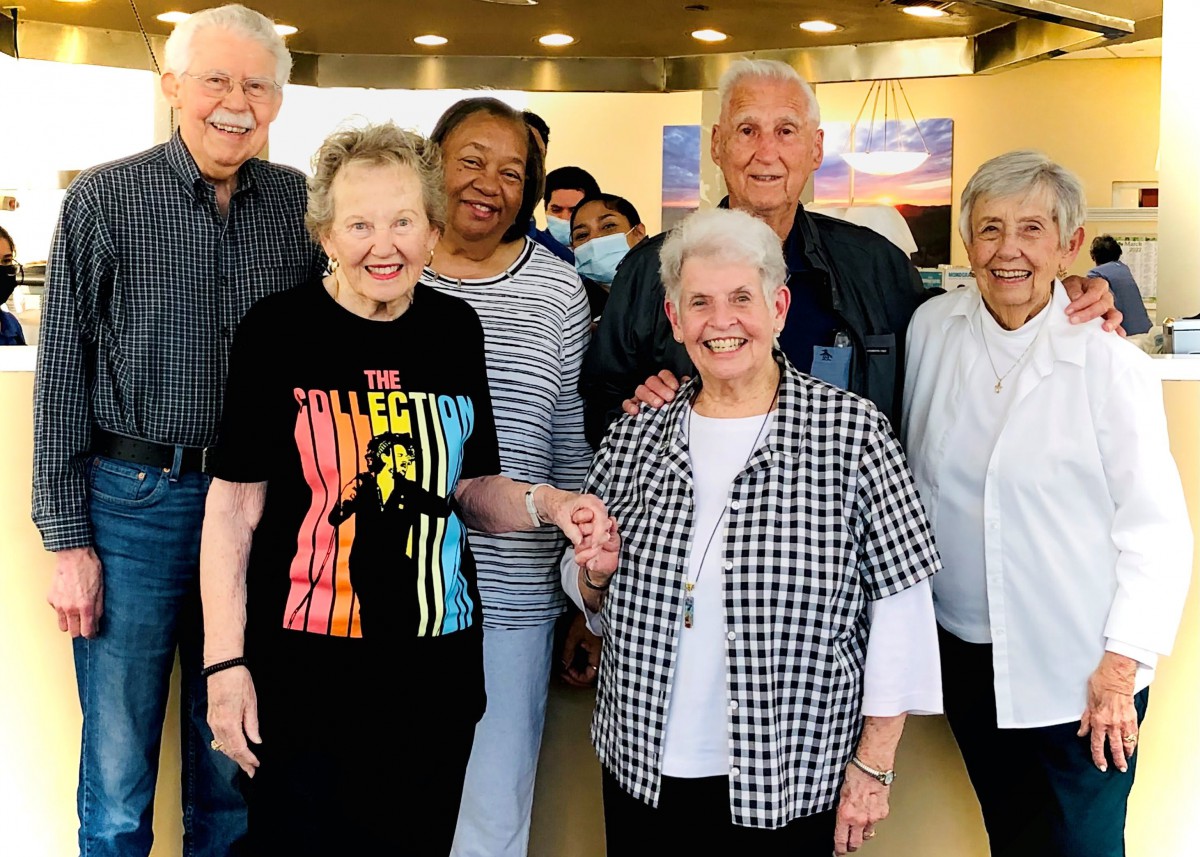
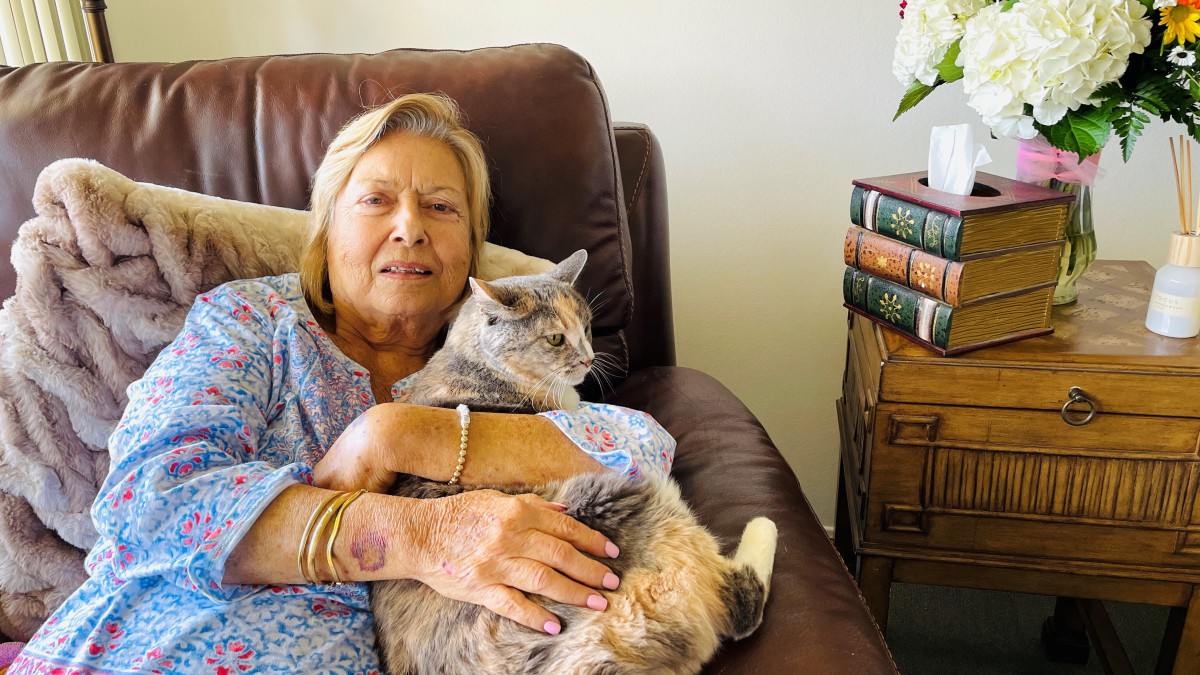
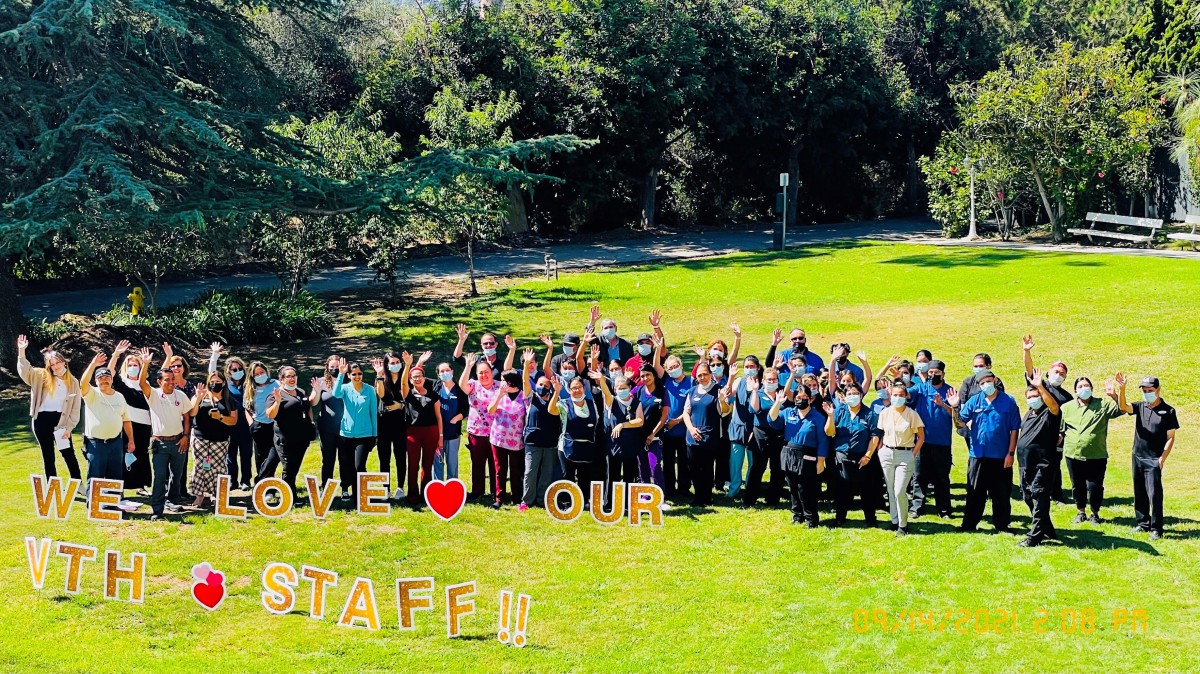
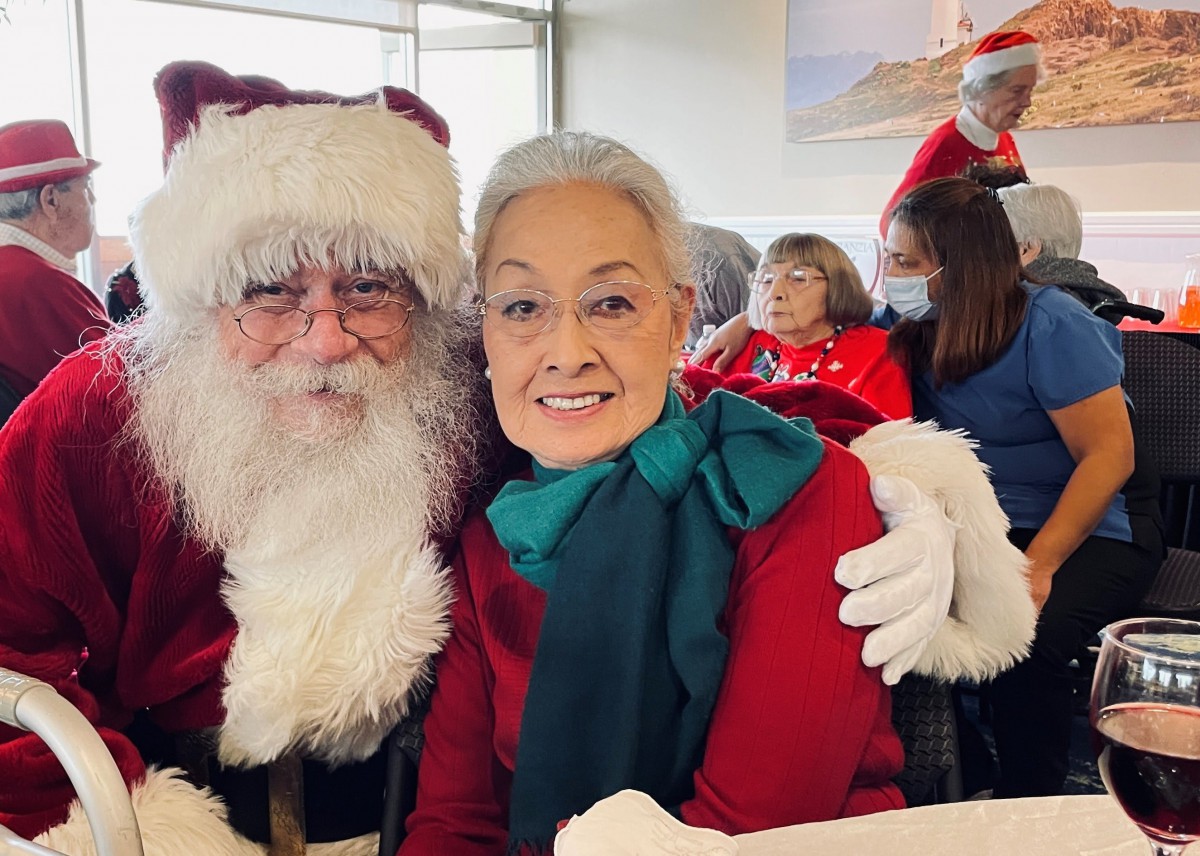
    A group of seniors enjoying a sunny day together in the garden.
  • Artwork

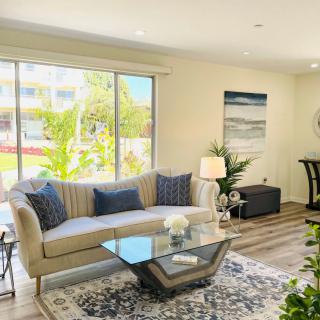
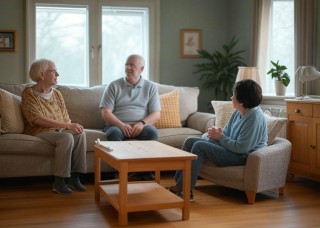
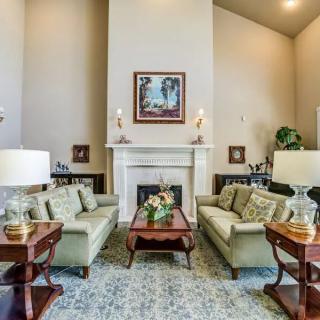
    A bright and modern living room with a glass coffee table, comfortable sofa, and stylish decor.

Ventura Townehouse in Ventura, CA

4900 Telegraph Rd, Ventura, CA 93003

For more information about senior living options: (844) 490-3973

4.5 from 202 reviews
5 stars
146
4 stars
41
3 stars
5
2 stars
0
1 stars
10

Assisted Living Independent Living Memory Care Skilled Nursing Facility

Ventura Townehouse Costs & Pricing

Ventura Townehouse offers competitive pricing for its accommodations, often below the average costs found in both Ventura County and the broader state of California. For instance, a studio at Ventura Townehouse is priced at $2,995 per month, significantly lower than the county's average of $4,021 and the state average of $4,145. Similarly, while semi-private rooms are offered at $3,495 - slightly above the county rate but still under the state's average - one-bedroom units are available for $4,795, which surpasses both regional and state figures. However, it's in the two-bedroom category where Ventura Townehouse stands out with a monthly rate of $6,995 that exceeds both local ($5,606) and state averages ($5,270). Overall, these pricing dynamics indicate that Ventura Townehouse provides a range of options that can accommodate diverse budgets while maintaining quality living standards.

Floor plansVentura TownehouseVentura CountyCalifornia
Studio$2,995$4,021$4,145
Semi-Private$3,495$3,438$3,333
1 Bedroom$4,795$4,513$4,340
2 Bedrooms$6,995$5,606$5,270

Overall Review of Ventura Townehouse

Pros

  • pro The Townehouse is a good community that is continually improving to be even nicer.
  • pro The staff are exceptionally helpful and friendly.
  • pro The environment is lovely with beautiful grounds and ocean views.
  • pro NeuroFit led by Coach Pam is engaging, fun, and beneficial for residents' physical and mental health.
  • pro There are endless activities and social events that foster great camaraderie among residents.
  • pro The Townehouse feels like a family, with staff who know residents by name and show genuine care.
  • pro The dining options are plentiful and the food is consistently good, accommodating various needs.
  • pro The memory care unit provides attentive, compassionate care in a well-organized and welcoming atmosphere.

Cons

  • pro Some memory care staff neglect residents.
  • pro Management is a problem, with understaffing and overtime causing issues.
  • pro The director of resident care lacks healthcare training, negatively affecting mom's care.
  • pro The facility is unprofessional and discriminates against workers who have disabilities; Chef Bryan is described as mean and hypocritical.
  • pro The internet should be included in the price and transportation to banks and doctors is challenging.
  • pro Visitor parking is terrible.
  • pro The building feels old and could use updates; some floors could use fresh paint and remodeling.
  • pro The dining staff sometimes lack warmth, wait times for meals can be long, and the food is not consistently good.
  • pro The doors are hard to open and swing back aggressively, posing a safety risk.

Review

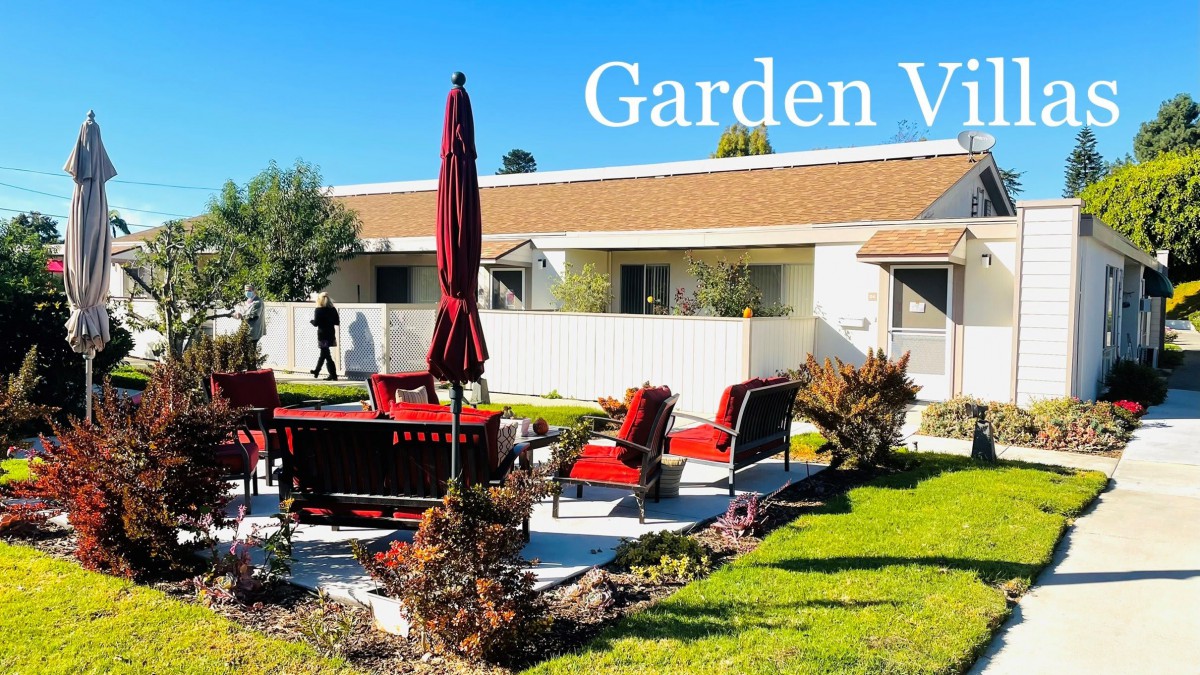
Ventura Townehouse is best suited for active seniors who want a resort-like, socially rich living environment with the option to stay independent while memory care is available on site. It serves residents who crave a robust calendar of programming, generous grounds, and a dining scene that feels restaurant-style rather than transitional. The campus blends garden cottages with a mid-rise building, offering a choice of living options, including single and multi-bedroom layouts, plus outdoor walkways and ocean-facing views. For families seeking a true continuum - independent living that can transition to assisted or memory care without uprooting - the Townehouse offers a cohesive, engaging setting that keeps residents socially connected rather than isolated.

Prospective residents who require rigorous medical oversight or have budget constraints should consider alternatives. While many families report standout experiences when memory care is well run, there are persistent cautions about uneven attention from memory care staff and gaps in leadership at times. Several reviews note turnover or a leadership gap in care management, which can complicate advocacy during health fluctuations. In addition, despite a robust activity slate and dining program, some critics point to variability in meal quality and service speed, and portions of the property show aging touches that remodeling has not yet fully refreshed. The Townehouse is not universally ideal for every level of care or every price point.

On the positives, the ambience and people drive the Townehouse's strongest value. Staff are broadly praised for warmth, responsiveness, and familiarity with residents, and the community tends to feel like a close-knit neighborhood where neighbors know one another. The activity ecosystem - NeuroFit with Pam, arts and crafts, outings, music, and social clubs - helps both body and brain stay engaged. In memory care, when properly staffed, the atmosphere is described as calm, organized, and well supervised, with directors who monitor daily needs and maintain open lines of communication with families. The grounds invite outdoor time with mature trees, walking paths, and balconies; the dining room operates with a flexible model that accommodates varying appetites and guest dining, reinforcing a sense of hospitality and inclusion.

Yet the downsides require careful planning. Leadership and care consistency emerge as recurring concerns, especially around care decisions and staffing patterns in memory care. Several accounts reference short-staffing episodes, overtime pressures on aides, and questions about the continuity of care leadership, all of which can undermine confidence during important health moments. Parking for visitors is frequently cited as problematic, and some floors or rooms show wear consistent with an older building - items that can clash with the premium-market impression. Internet access and some amenities often come with extra costs, making the actual value proposition more nuanced for families comparing multiple options. For families seeking a consistently flawless experience across care levels, these gaps matter.

Even with these caveats, the balance often tips toward a favorable equation for many families. The campus scale - extensive programming, a dining operation that feels like a dining room rather than a facility, and an integrated continuum from independent to assisted living - creates a protective, social ecosystem that can significantly elevate daily life. The proximity to memory care, the opportunity to move between levels as needs evolve, and the true sense of a supportive community bring genuine peace of mind. The scenic setting, abundant walking spaces, and on-site wellness activities provide daily enrichment beyond basic supervision. When care leadership aligns with family goals, Ventura Townehouse frequently operates like a well-run, welcoming resort rather than a clinical enclave.

For families deciding whether Ventura Townehouse fits, a disciplined diligence process is essential. Target memory-care needs should trigger a direct discussion with the care director to confirm expertise, staffing plans, and response protocols. Inspect the memory-care wing and request specifics on caregiver-to-resident ratios, scheduling, and rotation practices. Clarify what is included in the base price - meals, housekeeping, transportation - and what costs are extra, especially for therapies or premium services. Visit during a busy event or mealtime to gauge service flow, and consider a trial of the dining experience and guest policies. With these assurances, Ventura Townehouse presents a compelling, action-oriented option for seniors seeking a connected, vibrant community where life can continue to be lived fully without sacrificing care continuity.
Features

Housing

  • 1-bedroom apartments 1-bedroom apartments1-bedroom apartments are important for seniors because they provide a sense of independence, privacy, and autonomy while still offering the necessary space for comfortable living. These apartments allow seniors to maintain their own personal space and lifestyle preferences in a supportive community setting.
  • 2-bedroom apartments 2-bedroom apartments2-bedroom apartments are important for seniors because they provide extra space for guests, hobbies, and caregivers, as well as potential for additional income through roommates or rental.
  • Condos / townhomes Condos / townhomesCondos and townhomes provide seniors with a low-maintenance, community-oriented living option that allows for social interaction and access to amenities while also offering the freedom of independent living.
  • Studio apartments Studio apartmentsStudio apartments are important for seniors because they offer a smaller, more manageable living space that is easier to navigate and maintain as physical abilities decline. Additionally, studio apartments provide seniors with independence and privacy while still being part of a community that offers support and social opportunities.

Types of Care

  • Assisted Living Assisted LivingAssisted living facilities provide crucial support and care for seniors who may need help with daily tasks such as medication management, bathing, and meal preparation. These communities offer a safe and comfortable environment where seniors can maintain their independence while receiving the assistance they need to thrive in their golden years.
  • Independent Living Independent LivingIndependent living communities are important for seniors because they offer a safe and supportive environment where older adults can live independently while still having access to amenities and services that enhance their quality of life. These communities provide social opportunities, recreational activities, and assistance with daily tasks, promoting overall well-being and allowing seniors to maintain their independence for as long as possible.
  • Memory Care Memory CareMemory care is crucial for seniors as it provides specialized support and services for individuals with dementia or Alzheimer's disease. These programs offer a safe and secure environment where residents receive personalized care, cognitive stimulation, and help with daily activities. Memory care helps seniors maintain their independence, quality of life, and dignity while also providing peace of mind for their families.
  • Skilled Nursing Facility Skilled Nursing FacilitySkilled Nursing Facilities are crucial for seniors as they provide round-the-clock medical care, rehabilitation services, and assistance with daily activities. These facilities ensure that seniors receive the specialized care they need to maintain their health and well-being as they age.

Pets

  • Cats allowed Cats allowed"Pet friendly" senior living communities are important for seniors because pets provide companionship, reduce feelings of loneliness and depression, promote physical activity and mental stimulation, and offer a sense of purpose and responsibility. Pets can improve overall well-being and quality of life for seniors in many ways.
  • Dogs allowed Dogs allowed"Pet friendly" senior living communities are important for seniors because pets provide companionship, reduce feelings of loneliness and depression, promote physical activity and mental stimulation, and offer a sense of purpose and responsibility. Pets can improve overall well-being and quality of life for seniors in many ways.

Amenities

  • Activities off-site Activities off-siteEngaging in off-site activities is crucial for seniors to maintain social connections, stay active, and stimulate their minds. It promotes overall well-being and helps combat feelings of isolation and loneliness.
  • Activities on-site Activities on-siteActivities on-site are important for seniors because they provide opportunities for socialization, mental stimulation, physical activity, and overall well-being. Engaging in activities can help seniors stay active, maintain their independence, and improve their quality of life.
  • Air-conditioning Air-conditioningAir conditioning is important for seniors as they are more vulnerable to heat-related illnesses and may have underlying health conditions that make it difficult for them to regulate their body temperature. It helps to keep them comfortable, safe, and healthy in hot weather.
  • Bath tubs Bath tubsBath tubs are important for seniors because they provide a safe and relaxing way to bathe, helping to prevent slips and falls while promoting independence and overall well-being.
  • Beautician on-site Beautician on-siteHaving a beautician on-site at a senior living community is important for seniors as it allows them to easily access grooming and personal care services, boosting their self-esteem and overall well-being. It also provides convenience and helps seniors maintain their sense of independence and personal style.
  • Beauty salon Beauty salonBeauty salons are important for seniors because they provide a space for them to feel pampered, socialize, and maintain their personal grooming and hygiene. Regular visits to a beauty salon can help boost seniors' self-esteem and overall well-being.
  • Cable or satellite TV Cable or satellite TVCable or satellite TV is important for seniors because it provides entertainment, news, and companionship, helping to combat loneliness and boredom. It also offers a wide range of programming options tailored to different interests and preferences.
  • Computer center Computer centerA computer center is essential for seniors as it provides access to technology, communication tools, and resources that can enhance their daily lives. It allows them to stay connected with loved ones, engage in online activities, and learn new skills, ultimately promoting socialization and mental stimulation.
  • Devotional services off-site Devotional services off-siteDevotional services off-site are important for seniors as they provide spiritual nourishment, social engagement, and a sense of community outside of the senior living facility. This can enhance overall well-being and help combat feelings of isolation and loneliness often experienced by older adults.
  • Devotional services on-site Devotional services on-siteDevotional services on-site provide seniors with spiritual support and a sense of community, as well as an opportunity for reflection and guidance during their senior living experience. This can promote emotional well-being and connection to others, leading to a more fulfilling and enriching lifestyle in their later years.
  • Dining room Dining roomDining rooms are important for seniors as they provide a space for socialization, connection, and nutritious meals. They offer opportunities for residents to bond over shared meals, foster a sense of community, and promote healthy eating habits. Dining rooms also ensure that seniors have access to well-balanced meals tailored to their dietary needs and preferences.
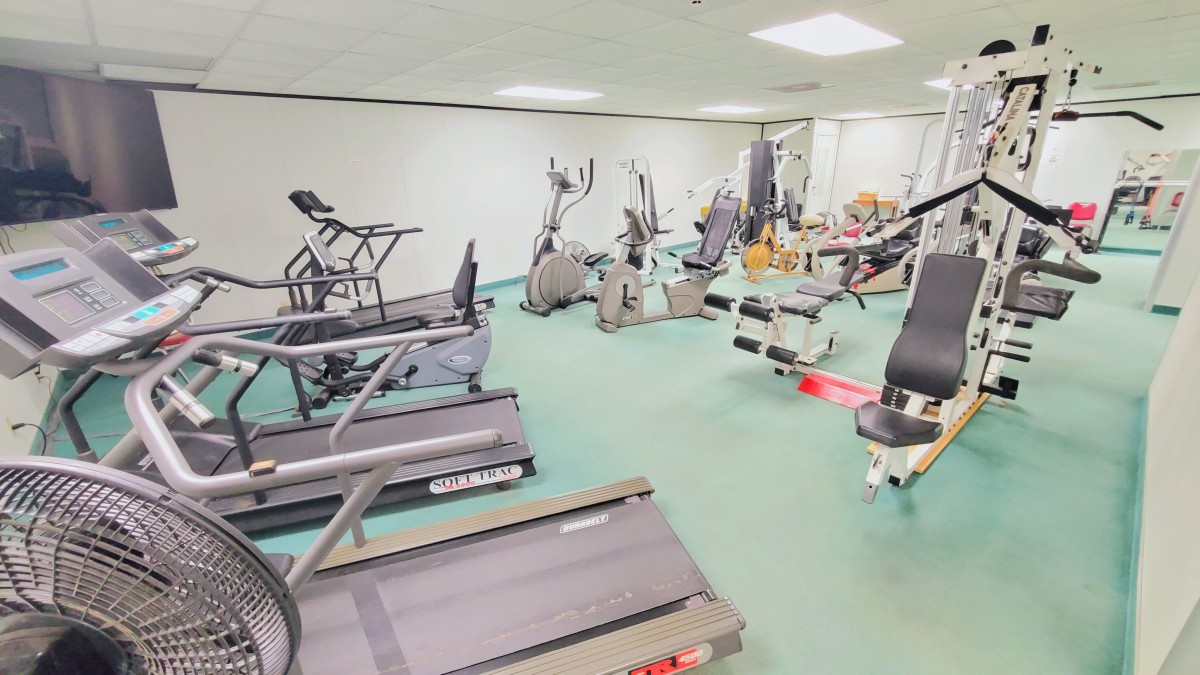
  • Fitness room Fitness roomHaving a fitness room in a senior living community is essential for seniors to stay active, maintain their physical health, and improve their overall well-being. Regular exercise can help prevent falls, reduce the risk of chronic diseases, and promote mental sharpness. It also provides social opportunities for residents to connect with others and enjoy a sense of community.
  • Full kitchen Full kitchenHaving a full kitchen in a senior living facility is important for seniors because it allows them to maintain their independence and prepare their own meals. This promotes healthy eating habits, saves money on dining out, and provides a sense of familiarity and comfort for residents.
  • Fully furnished Fully furnishedFully furnished senior living communities are important for seniors because they provide convenience, comfort, and a hassle-free moving experience. Seniors can easily settle into their new living space without the stress of having to buy and move furniture. This allows them to focus on enjoying their new home and community.
  • Gaming room Gaming roomGaming rooms are important for seniors as they provide a fun and engaging environment for socializing, cognitive stimulation, and physical activity. Games can improve memory, problem-solving skills, and overall mental well-being while fostering friendships and reducing feelings of isolation.
  • Garden GardenGardens are important for seniors as they provide a peaceful and therapeutic environment for relaxation, physical activity, and socialization. Being in nature has been shown to reduce stress, improve mood, and promote overall well-being. Gardens also offer opportunities for seniors to engage in gardening activities, which can improve mobility, flexibility, and cognitive function. Additionally, gardens create a sense of community and connection with others who share a passion for plants and outdoor spaces.
  • Guasts at mealtime Guasts at mealtime"Guests at mealtime" offer seniors the opportunity for social interaction, companionship, and a sense of community during meals, which can help combat feelings of loneliness and isolation commonly experienced in senior living environments. It can also enhance their overall dining experience and improve their mental and emotional well-being.
  • Guest parking Guest parkingGuest parking is important for seniors because it allows their friends and family members to visit them easily and safely. Having convenient parking options can help combat feelings of isolation and loneliness, promote regular social interaction, and improve overall mental and emotional well-being for seniors in senior living communities.
  • Housekeeping services Housekeeping servicesHousekeeping services are important for seniors because they help maintain a clean and safe living environment, promote independence, and reduce the risk of accidents or illnesses. Additionally, having assistance with household chores can alleviate physical strain and allow seniors to focus on other aspects of their well-being.
  • Indoor common areas Indoor common areasIndoor common areas are crucial for seniors as they provide a space for socialization, recreation, and community engagement, promoting overall well-being and reducing feelings of isolation and loneliness.
  • Kitchenette KitchenetteKitchenettes are important for seniors living in senior living communities because they provide the convenience and independence of being able to prepare simple meals and snacks in the comfort of their own living space. This can help promote a sense of autonomy and well-being for seniors, allowing them to maintain some level of control over their dietary choices and daily routines.
  • Laundry LaundryLaundry services are important for seniors as they may have difficulty with physical tasks such as bending, lifting, or carrying heavy loads. Having access to laundry services can help seniors maintain personal hygiene, cleanliness, and independence in their daily lives.
  • Move-in coordination Move-in coordinationMove-in coordination is important for seniors because it helps ease the transition into their new living environment. It ensures that all logistics, such as packing, organizing movers, and setting up utilities are taken care of, allowing seniors to focus on settling in and adjusting to their new home. Having a smooth move-in process can alleviate stress and anxiety, making the transition smoother and more enjoyable for seniors.
  • Outdoor common areas Outdoor common areasOutdoor common areas are important for seniors as they provide a space for socialization, physical activity, and relaxation. Being outside in nature can improve mood and overall well-being, while also encouraging movement and engagement with others. These spaces can help combat feelings of isolation and promote a sense of community among residents.
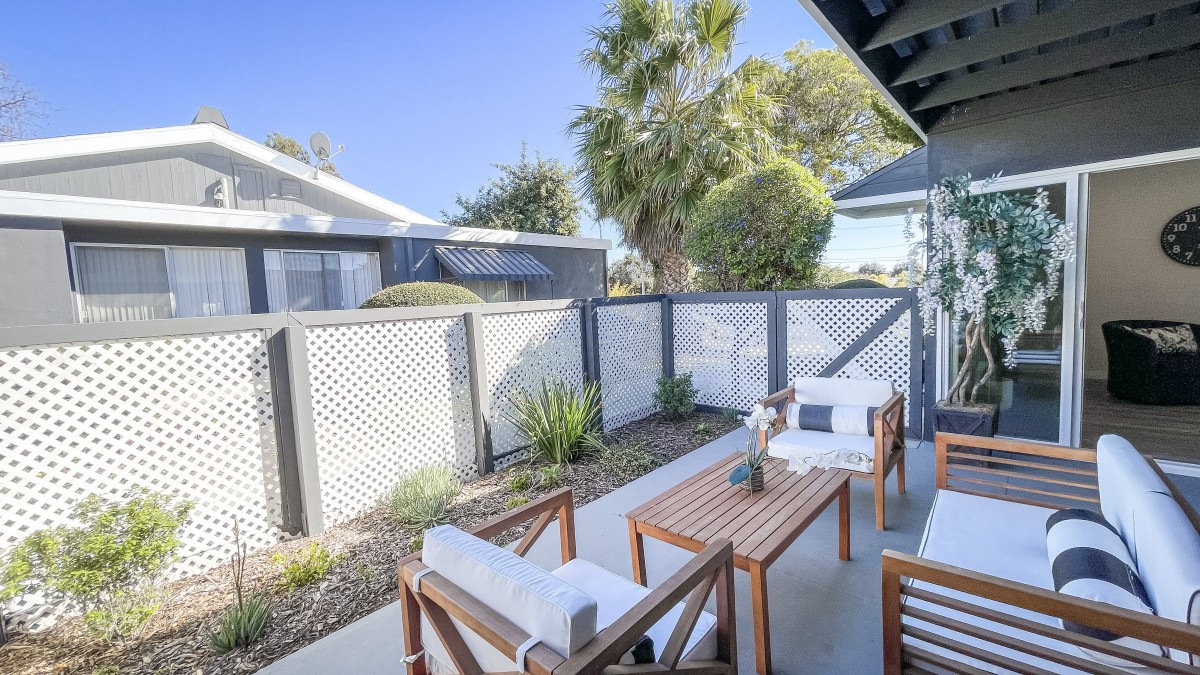
  • Outdoor space Outdoor spaceOutdoor spaces are important for seniors as they provide opportunities for physical activity, social interaction, exposure to natural light and fresh air, and a sense of connection to nature. Having access to outdoor spaces can improve overall well-being and quality of life for older adults living in senior communities.
  • Party space Party spaceHaving access to party space is important for seniors as it provides opportunities for socialization, connection, and enjoyment. These spaces allow seniors to celebrate special occasions, host gatherings with friends and family, and participate in community events, enhancing their overall well-being and quality of life.
  • Private bathrooms Private bathroomsPrivate bathrooms are important for seniors in senior living communities because they provide independence, dignity, and comfort. Having a private bathroom allows seniors to maintain their personal hygiene routines without the need for assistance, promoting a sense of autonomy and privacy. Additionally, private bathrooms help prevent the spread of infections and provide a safe and clean environment for seniors to navigate safely.
  • Resident parking Resident parkingResident parking is crucial for seniors in a senior living community as it provides convenience, accessibility, and safety for residents who may have limited mobility or rely on personal vehicles for transportation. Having designated parking spaces ensures that seniors can easily access their homes without having to walk long distances or navigate crowded parking lots, ultimately enhancing their overall quality of life and sense of independence.
  • Respite or short term stays offered Respite or short term stays offeredRespite or short term stays provide seniors with a temporary solution when their regular caregiver is unavailable, offering them the opportunity to receive additional care and support during times of need, while also giving caregivers a chance to rest and recharge.
  • Restaurant-style dining Restaurant-style diningRestaurant-style dining is important for seniors because it allows them to enjoy delicious, nutritious meals in a social and upscale setting. This enhances their dining experience, promotes healthy eating habits, and fosters socialization with fellow residents, ultimately contributing to their overall well-being and quality of life.
  • Small library Small librarySmall libraries are important for seniors as they provide access to a variety of reading materials, including books, newspapers, and magazines. This can help stimulate their minds, keep them engaged, and provide a sense of community through book clubs and other social activities. Additionally, reading has been shown to improve cognitive function and overall mental well-being in older adults.
  • Telephone TelephoneTelephones are important for seniors as they provide a lifeline for communication with loved ones, emergency services, and healthcare providers. They offer a sense of security and independence, enabling seniors to stay connected and access assistance when needed.
  • Wellness center Wellness centerWellness centers are important for seniors because they offer a variety of programs and services that promote physical, mental, and emotional well-being. These centers provide opportunities for exercise, socialization, education, and relaxation, helping seniors maintain their overall health and quality of life.
  • Wheelchair accessible showers Wheelchair accessible showersWheelchair accessible showers are crucial for seniors as they provide a safe and independent bathing option for those with mobility challenges. These showers help prevent falls and allow seniors to maintain their dignity and autonomy while ensuring they can bathe comfortably.
  • Wi-Fi/high-speed internet available Wi-Fi/high-speed internet availableWi-Fi/high-speed internet is important for seniors to stay connected with loved ones, access online resources, and participate in virtual activities to combat feelings of loneliness and isolation. It also allows them to easily manage healthcare needs, access entertainment, and engage in lifelong learning opportunities.

Transportation

  • Oxnard (5 miles away) Oxnard (5 miles away)
  • Community operated transportation Community operated transportationCommunity operated transportation is crucial for seniors as it provides them with the means to access essential services, social activities, and medical appointments. It allows seniors to maintain their independence and quality of life by ensuring they can participate in activities outside of their homes. Additionally, community-operated transportation services offer a safe and reliable way for seniors to travel without having to rely on family or friends for assistance.
  • Transportation & parking Transportation & parkingTransportation and parking are vital for seniors as they offer access to essential services, activities, and social interactions. Reliable transportation options can help seniors maintain independence, stay connected within their community, and enjoy a higher quality of life. Additionally, convenient parking facilities ensure that seniors can easily access necessary resources and amenities without added stress or difficulty.
  • Transportation arrangement Transportation arrangementTransportation arrangements are crucial for seniors as they may face challenges with driving, mobility, or access to public transportation. Having reliable transportation services ensures that seniors can easily attend appointments, social activities, and maintain their independence and quality of life.

Care Services

  • 24-hour call system 24-hour call system24-hour call systems are important for seniors because they provide peace of mind and immediate assistance in case of emergencies. This technology ensures that help is always available, promoting safety and security for elderly individuals living alone or in assisted living facilities.
  • 24-hour supervision 24-hour supervision24-hour supervision is important for seniors to ensure their safety, well-being, and access to immediate assistance in case of emergencies or health issues. This constant support provides peace of mind for both seniors and their loved ones, allowing them to age in place with dignity and security.
  • Activities of daily living assistance Activities of daily living assistanceActivities of daily living assistance are important for seniors because they provide essential support with tasks such as eating, bathing, dressing, and mobility. This assistance helps seniors maintain their independence, dignity, and overall quality of life as they age.
  • Ambulatory care Ambulatory care"Ambulatory care services provide essential medical support and treatment to seniors without requiring hospitalization, allowing them to maintain their independence and quality of life while managing chronic conditions or receiving routine medical care."
  • Assistance with bathing Assistance with bathingAssistance with bathing is crucial for seniors as it helps maintain personal hygiene, prevents infections, and ensures their overall well-being and comfort. It also provides a sense of dignity and independence for seniors who may struggle with this task on their own.
  • Assistance with dressing Assistance with dressingAssistance with dressing is important for seniors because it helps maintain their independence, promotes personal hygiene, prevents accidents and injuries, and improves overall quality of life. This service ensures that seniors can continue to dress comfortably and confidently, despite any physical limitations they may have.
  • Assistance with transfers Assistance with transfersAssistance with transfers is crucial for seniors as it helps prevent falls and injuries, maintains their independence, and ensures they can safely navigate their living environment. It also provides peace of mind for both seniors and their loved ones.
  • Diabetes diet Diabetes dietA diabetes diet is crucial for seniors as it helps manage blood sugar levels, reduce risks of complications, and improve overall health and well-being. By following a balanced and nutritious diet tailored to their specific needs, seniors can better control their diabetes and enhance their quality of life.
  • Incontinence care Incontinence careIncontinence care is essential for seniors to maintain their dignity, hygiene, and overall quality of life. By addressing incontinence issues promptly and effectively, seniors can enjoy a sense of independence and comfort in their daily activities.
  • Meal preparation and service Meal preparation and serviceMeal preparation and service are crucial for seniors as they may have limited mobility or energy to cook nutritious meals. Having access to healthy and convenient food options can ensure they are getting the proper nutrition needed to maintain their overall health and well-being.
  • Medication management Medication managementMedication management is crucial for seniors to ensure they are taking the right medications at the correct dosages and times. This helps prevent adverse drug interactions, reduces the risk of medication errors, and promotes overall health and well-being. Proactive management also allows for adjustments as needed based on changing health conditions or new prescriptions.
  • Mental wellness program Mental wellness programMental wellness programs are essential for seniors as they promote cognitive stimulation, emotional support, and social engagement. These programs help prevent isolation, depression, and cognitive decline, ultimately enhancing the overall quality of life for older adults.
  • Mild cognitive impairment Mild cognitive impairment"Mild cognitive impairment" is important for seniors because it is an early stage of cognitive decline that can potentially progress to more severe conditions such as dementia. Recognizing and addressing mild cognitive impairment can help seniors receive appropriate care and support to maintain their quality of life and independence for as long as possible.
  • Physical therapy Physical therapyPhysical therapy is essential for seniors to maintain and improve their mobility, strength, and overall quality of life. It helps reduce pain, prevent falls, and enhance independence in daily activities. By promoting movement and function, physical therapy can help seniors stay active, healthy, and engaged in their communities.
  • Special dietary restrictions Special dietary restrictionsSpecial dietary restrictions are important for seniors because age-related changes in metabolism and health conditions can make it difficult for their bodies to process certain foods. By following a diet tailored to their specific needs, seniors can maintain their overall health and well-being, manage chronic conditions, and reduce the risk of complications such as malnutrition or food interactions with medications.
  • Specialized memory care programming Specialized memory care programmingSpecialized memory care programming is crucial for seniors with cognitive impairments such as dementia or Alzheimer's disease. These programs provide a safe and supportive environment tailored to the unique needs of individuals with memory loss, helping them maintain their independence, dignity, and quality of life.

Dining

  • Diabetes diet Diabetes dietA diabetes diet is crucial for seniors as it helps manage blood sugar levels, reduce risks of complications, and improve overall health and well-being. By following a balanced and nutritious diet tailored to their specific needs, seniors can better control their diabetes and enhance their quality of life.
  • Meals provided Meals provided"Meals provided" are crucial for seniors in assisted living communities as it ensures they have access to nutritious, balanced meals without the stress of meal planning and preparation. This can help promote overall health and well-being for seniors who may have limited mobility or cognitive abilities.
  • Special dietary restrictions Special dietary restrictionsSpecial dietary restrictions are important for seniors because age-related changes in metabolism and health conditions can make it difficult for their bodies to process certain foods. By following a diet tailored to their specific needs, seniors can maintain their overall health and well-being, manage chronic conditions, and reduce the risk of complications such as malnutrition or food interactions with medications.
  • Special dining programs Special dining programsSpecial dining programs are important for seniors because they provide nutritious meals tailored to their dietary needs and preferences. These programs also offer socialization opportunities, promote overall health and well-being, and can help prevent malnutrition.
  • Vegetarian VegetarianA vegetarian diet is important for seniors because it can help lower the risk of chronic diseases, maintain a healthy weight, and provide essential nutrients needed for aging bodies. Additionally, plant-based diets are often easier on digestive systems and can contribute to overall well-being in older adults.

Activities

  • Activities off-site Activities off-siteEngaging in off-site activities is crucial for seniors to maintain social connections, stay active, and stimulate their minds. It promotes overall well-being and helps combat feelings of isolation and loneliness.
  • Activities on-site Activities on-siteActivities on-site are important for seniors because they provide opportunities for socialization, mental stimulation, physical activity, and overall well-being. Engaging in activities can help seniors stay active, maintain their independence, and improve their quality of life.
  • Community-sponsored activities Community-sponsored activitiesCommunity-sponsored activities are important for seniors as they provide opportunities for social interaction, mental stimulation, and physical activity. These activities can help improve overall well-being, combat loneliness and isolation, and promote a sense of belonging and purpose among older adults.
  • Concierge services Concierge servicesConcierge services are essential for seniors as they provide assistance with daily tasks and errands, enhance their quality of life by offering convenience and personalized care, and promote a sense of safety and security.
  • Devotional activities offsite Devotional activities offsiteDevotional activities offsite are important for seniors because they provide social engagement, spiritual growth, and a sense of community outside of their living environment. This can improve overall well-being, mental health, and combat feelings of isolation or loneliness.
  • Devotional activities on-site Devotional activities on-siteDevotional activities on-site provide seniors with a sense of community, spiritual fulfillment, and emotional support, promoting overall well-being and a positive sense of purpose in their lives.
  • Fitness programs Fitness programsFitness programs are crucial for seniors as they help improve strength, flexibility, balance, and overall well-being. Staying active can reduce the risk of chronic diseases, improve mental health, and enhance quality of life in older adults.
  • Light therapy programs Light therapy programsLight therapy programs are important for seniors because they can help improve mood, regulate sleep patterns, and reduce symptoms of depression and anxiety. Exposure to natural light can also have positive effects on cognitive function and overall well-being in older adults.
  • Montessori programs Montessori programsMontessori programs are important for seniors because they promote a sense of independence, dignity, and purpose through engaging activities and personalized care. These programs help seniors maintain cognitive abilities, physical health, and emotional well-being, ultimately enhancing their overall quality of life in a supportive and stimulating environment.
  • Planned day trips Planned day tripsPlanned day trips are important for seniors because they offer opportunities for socialization, mental stimulation, and physical activity. They provide a change of scenery and help seniors stay engaged and connected to their community, promoting overall well-being and quality of life.
  • Religious services Religious servicesReligious services provide seniors with a sense of community, support, and spiritual fulfillment, which can improve their overall well-being and mental health. It also offers them opportunities for socialization and connection with others who share their beliefs.
  • Reminiscence programs Reminiscence programsReminiscence programs are vital for seniors as they provide opportunities for them to reflect on their life experiences, share memories with others, and maintain cognitive function. These programs can improve mood, stimulate social interaction, and enhance overall well-being for older adults.
  • Resident-run activities Resident-run activitiesResident-run activities are important for seniors as they encourage social interaction, creativity, and a sense of autonomy. These activities empower seniors to stay engaged and active in their community while fostering meaningful connections with their peers.
  • Scheduled daily activities Scheduled daily activitiesScheduled daily activities are important for seniors because they provide structure, socialization, mental stimulation, and physical activity. Engaging in regular activities can improve overall well-being and quality of life for seniors living in a community setting.
  • Sensory-based programs Sensory-based programsSensory-based programs are important for seniors as they can help stimulate their senses, improve cognitive function, reduce feelings of isolation, and enhance overall quality of life. These programs engage residents in a variety of sensory activities such as music therapy, aromatherapy, tactile stimulation, and reminiscence therapy, providing mental and emotional benefits for older adults in senior living communities.

Languages Spoken

  • English EnglishEnglish is important for seniors as it allows them to communicate effectively with healthcare providers, understand important information related to their health and medications, stay connected with loved ones, and engage in social activities within their communities. It also opens up opportunities for lifelong learning and intellectual stimulation.

Description

Ventura Townehouse is an assisted living community located in Ventura, CA. We offer various housing options including 2-bedroom apartments, condos/townhomes, and studio apartments to cater to the diverse needs of our residents. Our community provides different types of care such as independent living, memory care, and skilled nursing facility services.

At Ventura Townehouse, we pride ourselves on providing a wide range of amenities to enhance the quality of life for our residents. Some of these amenities include activities on-site, air-conditioning, bath tubs, a beautician on-site with a beauty salon, cable or satellite TV, community operated transportation, a computer center, devotional services off-site and on-site, a dining room for communal meals and restaurant-style dining options.

We also offer numerous facilities and services to ensure the comfort and convenience of our residents. These include a fitness room equipped with exercise equipment and programs catered towards physical wellness. Our common areas are perfect for socializing with other residents or enjoying quiet moments alone. Additionally, our fully furnished apartments come equipped with full kitchens or kitchenettes for those who prefer to prepare their own meals.

Furthermore, we understand the importance of maintaining an active lifestyle and promoting social interaction among our residents. This is why we have gaming rooms available for recreational activities as well as outdoor spaces with gardens where residents can connect with nature. We also organize regular resident-run activities and scheduled daily activities to keep our residents engaged.

In terms of care services, Ventura Townehouse offers around-the-clock supervision to ensure the safety and well-being of our residents. Our dedicated staff assists with activities of daily living such as bathing, dressing, transfers, meal preparation and service. We also provide medication management and specialized memory care programming for individuals requiring additional support.

Our dining experience at Ventura Townehouse is tailored to meet the dietary needs of our residents. Delicious meals are provided while catering to special dietary restrictions such as vegetarian or diabetes diets. We also offer special dining programs and emphasize the importance of nutrition in maintaining good health.

Residents at Ventura Townehouse enjoy a vibrant community with a multitude of activities to participate in. These include community-sponsored activities, fitness programs, planned day trips, religious services, and sensory-based programs. Additionally, our residents have convenient access to nearby cafes, parks, pharmacies, physicians, restaurants, places of worship, theaters, and hospitals.

Overall, Ventura Townehouse aims to provide a comfortable and enriching environment for our residents while ensuring their physical well-being and mental wellness. Our compassionate staff is committed to delivering personalized care and attention to meet the unique needs of each resident.

Nearby Places of Interest

This part of Ventura, California offers a convenient location with various amenities within close proximity. There are several dining options ranging from casual fast food establishments like Denny's and McDonald's to more upscale restaurants like Lalo's Ristorante Italiano. Medical care is easily accessible with multiple physicians' offices and hospitals nearby, including the Center for Family Health Ashwood Clinic and VCMC. Parks such as Thille Park and Arroyo Verde Park provide opportunities for outdoor recreation and relaxation. Pharmacies like CVS and Cabrillo Pharmacy are available for medication needs, while cafes like The Coffee Bean and Tea Leaf offer cozy spots to socialize or enjoy a cup of coffee. Places of worship such as Church Of The Foothills cater to spiritual needs, and entertainment options include movie theaters like Century Theatres for leisure activities. Overall, this area provides a well-rounded environment for those considering senior living in Ventura.

Restaurants

  • Snapper Jack's Taco Shack (0.2 miles)
  • Rincon Brewery (0.6 miles)
  • Denny's (0.6 miles)
  • Sharky's Woodfired Mexican Grill (0.8 miles)
  • McDonald's (0.9 miles)
  • Chick-Fil-A (0.9 miles)
  • Lalo's Ristorante Italiano (1 miles)

Physicians

  • Center for Family Health Ashwood Clinic (0.6 miles)
  • Sheehy J Timothy, MD (0.7 miles)
  • Primary Medical Group Ventura County (1.1 miles)
  • Shapiro Laser Eye Center (1.3 miles)
  • Pediatric Diagnostic Center (1.3 miles)
  • Medicine Specialty Center (1.3 miles)
  • Fresenius Medical Care Ventura (1.3 miles)

Hospitals

  • Ventura Convalescent Hospital (0.7 miles)
  • VCMC (1.3 miles)
  • Hospital Procedure Consultants (1.4 miles)
  • Aids Testing & Services (1.4 miles)
  • Ventura County Medical Center/Ventura Hillmont Adult Services (1.4 miles)
  • CMH Same Day Surgery (1.6 miles)
  • Community Memorial Hospital (4.3 miles)

Parks

  • Thille Park (0.8 miles)
  • Marion Cannon Park (1.1 miles)
  • Arroyo Verde Park (1.2 miles)
  • Rainbow Bridge Park (1.5 miles)
  • Ventura Community Park (2.1 miles)
  • Marina Park (2.6 miles)
  • San Buenaventura State Beach (2.8 miles)

Pharmacies

  • CVS Pharmacy (0.9 miles)
  • CVS Pharmacy (1.5 miles)
  • Cabrillo Pharmacy (1.6 miles)
  • The Medicine Shoppe Ventura (1.9 miles)
  • CVS Pharmacy (2.2 miles)
  • CVS Pharmacy (3.7 miles)
  • Rite Aid (4.3 miles)

Cafes

  • The Coffee Bean and Tea Leaf (0.9 miles)
  • Starbucks (1.6 miles)
  • Singing Sun (2.4 miles)
  • Cafe Nouveau (2.9 miles)
  • Frontside Cafe (3.2 miles)
  • Prospect Coffee Roasters (3.2 miles)
  • Starbucks (3.7 miles)

Places of Worship

  • Church Of The Foothills (1.3 miles)
  • St Paul's Episcopal Church & Parish Day School (1.3 miles)
  • Orchard Community Church (2.6 miles)

Theaters

  • Century Theatres (3.6 miles)
  • Century Riverpark 16 and XD (3.9 miles)

Frequently Asked Questions

How much does it cost to live at Ventura Townehouse in Ventura, CA?
What floor plans and room types does Ventura Townehouse offer?
Where is Ventura Townehouse?
Does Ventura Townehouse provide care for residents with dementia or Alzheimer's disease?
Does Ventura Townehouse allow residents to have pets?
What photos are available for Ventura Townehouse in Ventura, California?

Nearby Communities

  • Coastal View Health Care

    Coastal View Health Care

    Ventura, CA

    3.9 from 63 reviews
     

    pro Extensive on-site/off-site activities, devotional services, and respite options with Wi?Fi access.

  • Coastal View Healthcare Center

    Coastal View Healthcare Center

    Ventura, CA

    3.9 from 66 reviews
     

    pro Clean, welcoming environment with attentive staff and engaging activities.

  • Aegis Living Ventura

    Aegis Living Ventura

    Ventura, CA

    3.9 from 38 reviews
     

    pro Beautiful, well-maintained setting with caring staff and engaging memory-care programs.

  • Aegis of Ventura

    Aegis of Ventura

    Ventura, CA

    4 from 50 reviews
    $4,500 to $7,500 / month

    pro Caring staff with strong family communication; clean, well-maintained facility with engaging activities and varied dining.

  • The Varsity Manor

    The Varsity Manor

    Ventura, CA

     
    $4,500 to $5,000 / month

    pro Comprehensive care options (assisted living, board and care, memory care) with 24/7 supervision and robust on-site amenities.

  • Home Sweet Home Duvali

    Home Sweet Home Duvali

    Ventura, CA


    pro Small, homelike setting with furnished accommodations and comprehensive care.

  • The Lexington Assisted Living

    The Lexington Assisted Living

    Ventura, CA

    4.2 from 122 reviews
    $2,500 to $5,200 / month

    pro Friendly staff with an active social scene and on-site amenities.

  • Glenwood Care Center

    Glenwood Care Center

    Oxnard, CA

    3.7 from 64 reviews
     

    pro Qualified, attentive staff with effective rehabilitation services.

  • Glen Park at Ojai

    Glen Park at Ojai

    Ojai, CA

    4.2 from 11 reviews
    $4,725 to $6,059 / month

    pro Caring staff and engaging activities.

Related Resources

  • va nursing homeComprehensive Guide to VA Nursing Homes: A Crucial Long-Term Care Resource for Veterans

    VA nursing homes, or Community Living Centers (CLCs), offer tailored long-term care for veterans, featuring medical attention and rehabilitation in a supportive environment. The guide covers facility types, eligibility criteria, financial assistance options, quality of care standards, and alternatives to full-time nursing home placement.

  • in home dementia care costsEstimating the Expenses of At-Home Dementia Care: A Detailed Exploration

    At-home dementia care expenses vary widely based on care levels, location, and caregiver expertise, with monthly costs for home health aides exceeding $4,500 and specialized care potentially surpassing $100,000 annually. While families favor in-home care for its comfort and personalized attention, they must consider financial planning and the challenges of caregiver fatigue.

  • end stage dementiaComprehensive Insights on the Late Stages of Dementia: What to Expect and How to Provide Care
    The article discusses the late stages of dementia, detailing the progression from mild to severe impairment and highlighting key characteristics such as profound cognitive decline and dependency in daily activities. It emphasizes care strategies focused on comfort and dignity, the importance of advance directives, and the emotional support needed for family caregivers facing this challenging journey.