
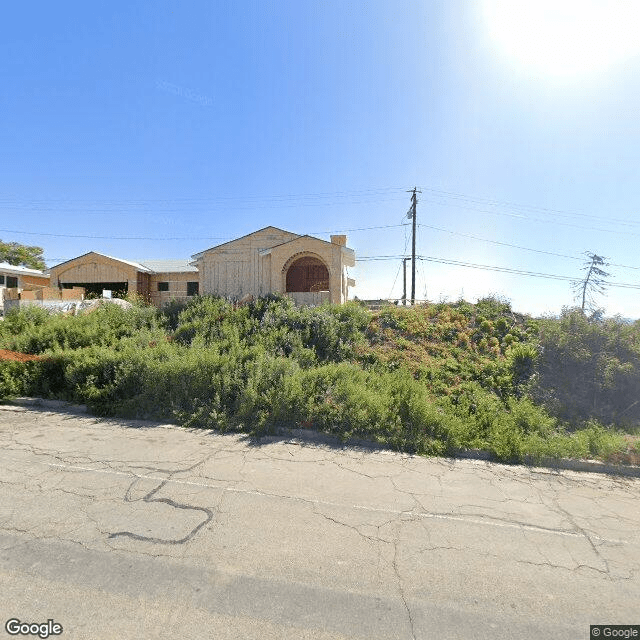
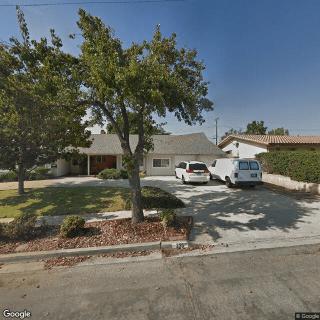
896 Via Ondulando, Ventura, CA 93003
For more information about senior living options: (866) 208-4318
Ocean View Cottage Costs & Pricing
Ocean View Cottage offers competitive pricing across its various room types, with semi-private accommodations available at $3,000 per month, which is notably lower than both the Ventura County average of $3,438 and the state average of $3,333. For studio options, Ocean View Cottage's rate of $3,800 is slightly more favorable than Ventura County's average of $4,021 and remains below California's overall average of $4,145. However, it's interesting to note that the private rooms at Ocean View Cottage are priced at $4,500 per month - higher than both the county's average of $4,082 and California's average of $3,939. This pricing structure highlights a blend of affordability and quality within the context of local and state trends.
| Floor plans | Ocean View Cottage | Ventura County | California |
|---|---|---|---|
| Semi-Private | $3,000 | $3,438 | $3,333 |
| Studio | $3,800 | $4,021 | $4,145 |
| Private | $4,500 | $4,082 | $3,939 |
Memory care communities with a similar price nearby
-
About the same
Navita Residence Edgemont Drive
$3,000 / month10.0 miles away -
from -$500 / mo
Familycare Cottage IV
$2,500 to $4,500 / month20.3 miles away -
About the same
Happy Home Care
$3,000 to $3,500 / month17.9 miles away -
from +$500 / mo
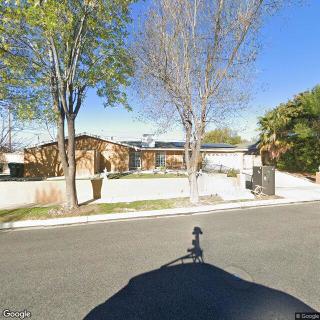
Lovely Community II
$3,500 to $4,500 / month19.9 miles away -
About the same
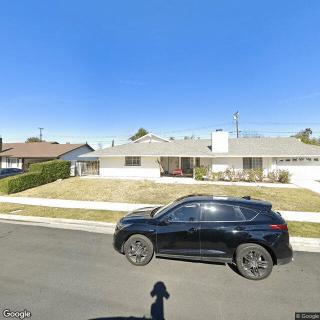
Arianah Place
$3,000 / month20.1 miles away
Overall Review of Ocean View Cottage
Pros
 The staff are friendly and courteous.
- They have always answered questions well.
- Nancy seems quite happy and contented there and continues to appear well.
Cons
 Some staff members are difficult to understand due to language barriers.
Review
Ocean View Cottage in Ventura, California is best suited for seniors who prize a warm, approachable care environment where staff friendliness translates into reliable day-to-day assistance. Families seeking reassurance that questions are answered promptly and that a resident’s wellbeing remains visible in everyday interactions will find a good fit here. The lone representative review highlights a culture of courtesy and accessibility: staff members are described as friendly and quick to respond, and a resident named Nancy appears happy, well, and content with her daily routine. This suggests a stable, low-friction setting where residents can settle in without facing rigid, impersonal management.
That said, this community may not be ideal for everyone. Those who require flawless, language-consistent communication across every shift or robust multilingual care coordination should consider alternatives. The review notes a language barrier: while staff are generally courteous and responsive, there are occasions when understanding or being understood by certain staff members proves challenging due to language differences. For residents who depend on precise instructions, timely coordination of appointments, or detailed medical discussions, that friction can become meaningful enough to warrant comparing other options.
The practical strengths stand out clearly and carry real weight for decision-making. The staff’s friendliness and courtesy create a welcoming daily atmosphere, where questions are answered well and confusion is minimized. That dynamic reduces family anxiety and supports residents who thrive on predictable routines. The observed happiness and steady demeanor of Nancy reinforce a sense that daily care tasks are carried out with attention and respect. In environments where the human touch drives the resident experience, these pros represent a substantial portion of the value delivered, especially for residents who prefer a simple, straightforward care cadence and personal interactions over high-tech or highly clinical environments.
Yet the main con, the language gap, resists full offset. When critical care tasks, instructions, or nuanced preferences must be conveyed, language differences can slow processes, trigger miscommunications, or require extra steps such as translation support or repeated clarification. The positive influence of courteous staff can mitigate this risk to a degree, but it does not erase it. Families should probe during tours about how translation is handled, whether there is a fixed bilingual point person for the resident, and whether care notes are routinely provided in the resident’s preferred language. Concrete answers on these points will determine whether the modest extra effort required to bridge language gaps is acceptable.
From a practical standpoint, prospective residents should assess staffing stability and the level of medical oversight against their loved one’s needs. The review offers no red flags about clinical capacity, but the absence of detail means questions about staff-to-resident ratios, escalation protocols, and specialist involvement deserve direct answers. If a trial visit or a careful observation of interactions can be arranged, watch how staff respond when questions arise, how information is documented, and whether caregivers appear consistently assigned to the same resident. Continuity matters, and a familiar caregiver can make language differences less daunting through established routines and rapport.
In the end, Ocean View Cottage delivers a compelling value for families prioritizing warmth, accessibility, and a down-to-earth care culture. The main caveat remains the language barrier, which can complicate communication and care coordination for some residents. Those whose top priority is unequivocal, multilingual communication and deeper medical oversight should compare other options more closely. For families seeking a comfortable, personable environment with responsive staff who routinely address questions, this community stands out as a strong contender. Use a guided tour to confirm language needs, caregiver continuity, and practical documentation processes before making a final choice.
 6 resident community capacity
 Assisted Living
 Board and Care Home
 Memory Care
 Cats allowed
 Dogs allowed
 Cable or satellite TV
 Dining room
 Fully furnished
 Garden
 Housekeeping services
 Move-in coordination
 Outdoor space
 Private
 Telephone
 Wi-Fi/high-speed internet available
 Oxnard (6 miles away)
 24-hour supervision
 Activities of daily living assistance
 Assistance with bathing
 Assistance with dressing
 Assistance with transfers
 Diabetes diet
 Meal preparation and service
 Medication management
 Special dietary restrictions
 Transportation arrangement (medical)
 Transportation to doctors appointments

 Memory Care Pathways: A Holistic Guide to Dementia Support
 Comprehending Evening Confusion in Dementia: Causes, Manifestations, and Support
 Delirium and Dementia: Unraveling the Key Differences