
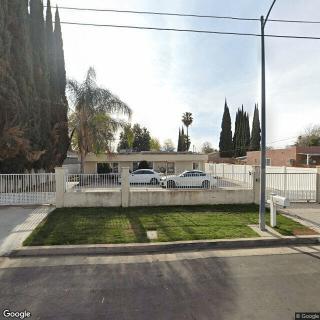
16017 Bassett Street, Van Nuys, CA 91406
For more information about senior living options: (866) 208-4318
Overall Review of Care Palace
Pros
 The Care Center on Hazeltine provides comfortable and pleasant care during a difficult stay.
- The staff is attentive and genuinely committed to residents' comfort.
- The facility is praised for compassionate caregivers and strong support.
- The administrator is supportive and informative, contributing to clear communication.
- The nurses and clinicians are competent and deliver high-quality care.
- The meals are good, and food quality is exceptional for a small facility.
- The facility is clean, well-maintained, and welcoming, with 24/7 visiting.
- Families feel grateful and fortunate that their loved ones are in this facility.
Cons
 The facility is focused on Medicare and Medical dollars rather than caring for the elderly.
- The staff wanted the patient out of the facility after her benefits ended.
- They failed to take the patient to the hospital for her head injury after she fell.
- After benefits were exhausted, they sent her to the hospital just to get her out of the facility to access custodial funds.
- They would not take her back after discharge.
- The facility is not clean.
- The doctor in charge never provided a callback or a report when asked.
- The food was not good.
Review
Care Palace in Van Nuys is best suited for families who want a small, tightly run skilled-nursing and rehab environment where staff accessibility and personal attention count more than impersonal scale. The community clearly serves residents who need consistent hands-on care, short-term post-acute rehab, and ongoing support for complex needs, including dementia-related care and substantial therapy services. It works particularly well for loved ones who value regular, transparent updates from a steady team and who appreciate a setting where the care crew feels invested in recovery and daily wellbeing.
Those who should consider alternatives are residents whose needs demand larger, more corporate systems with broader hospital-network integration, or who require a spotless record of crisis-level medical responsiveness in every moment. A minority of reviews raise red flags about discharge timing tied to funding changes, and about perceived gaps in medical oversight or cleanliness. While these concerns are not the majority view, prospective families should verify care planning, hospital transfer procedures, and the facility’s cleaning standards in detail before committing. A mismatch between expectations and how benefits or admissions decisions are handled can tilt the experience away from peace of mind.
The strongest positives revolve around the staff and the care culture. Reviews repeatedly emphasize attentive, compassionate caregivers who are genuinely invested in each resident’s comfort and recovery. Administrators and social workers are described as supportive, informative, and hands-on, with specific staff members noted for going the extra mile during rehab and transitions. The facility’s small size enables more consistent face time with nurses, CNAs, and therapists, which translates into frequent updates and a sense that someone truly knows the resident’s routines, preferences, and progress. Cleanliness and a well-functioning therapy program, physical, occupational, and speech, are recurring themes that reinforce a steady path toward rehabilitation goals.
On the cons side, the most credible caution centers on discharge decisions and financial leverage. In one account, benefits ending triggered a push to move a resident out, along with criticisms about medical follow-through and hospital transfer decisions after a head injury or infection was discovered. While other reviews counter by praising the resident’s ongoing care and the team’s responsiveness, this tension highlights a real risk: when funding changes intersect with care planning, the risk of abrupt transitions can undermine stability. Families should secure a clear, documented care plan, confirm who makes medical decisions, and insist on prompt communication if a hospital transfer or changes in benefit coverage are contemplated.
For families weighing this community against rehab and ongoing high-need care needs, Care Palace offers a compelling blend of intimacy and competence. The emphasis on hands-on therapy, routine family updates, and a welcoming, home-like environment makes it a practical choice for short-term recovery or extended care where continuity matters. Those with relatives who thrive on predictable routines, easy visitations, and a team that remembers personal details will find the day-to-day experience reassuring. It is especially suitable for dementia care and residents requiring significant daytime activity and social engagement, all delivered in a setting small enough to feel personalized.
The practical next steps are straightforward and non-negotiable. Schedule an in-person tour and observe the daily flow: how quickly staff respond to requests, how clean common areas and resident rooms are, and whether therapy sessions fit the resident’s needs without rushing. Speak with the admissions coordinator and the nurse manager about discharge planning, hospital transfer procedures, and the point person for medical questions. Ask for current references, families who can speak to real-time care decisions, not just glossy brochures. Finally, verify the facility’s current licensing status, staffing ratios, and medication-management practices to ensure the plan aligns with long-term security and the resident’s evolving needs.
 6 resident community capacity
 Assisted Living
 Board and Care Home
 Cable or satellite TV
 Dining room
 Fully furnished
 Garden
 Housekeeping services
 Move-in coordination
 Outdoor space
 Telephone
 Wi-Fi/high-speed internet available
 Burbank-Glendale-Pasadena (7 miles away)
 24-hour supervision
 Activities of daily living assistance
 Assistance with bathing
 Assistance with dressing
 Assistance with transfers
 Diabetes diet
 Meal preparation and service
 Medication management
 Special dietary restrictions
 Transportation arrangement (medical)
 Transportation to doctors appointments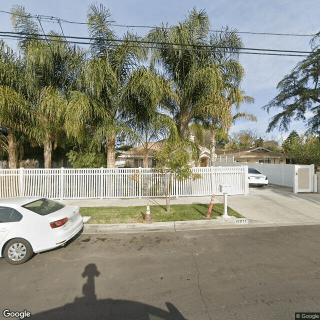






 Is Assisted Living Deductible on Your Taxes? Understanding the Complexities of Assisted Living Expenses and Deductions
 Assisted Living Support for Veterans: A Complete and Detailed Overview
 Exploring the Contrasts Between Assisted Living and Skilled Nursing