
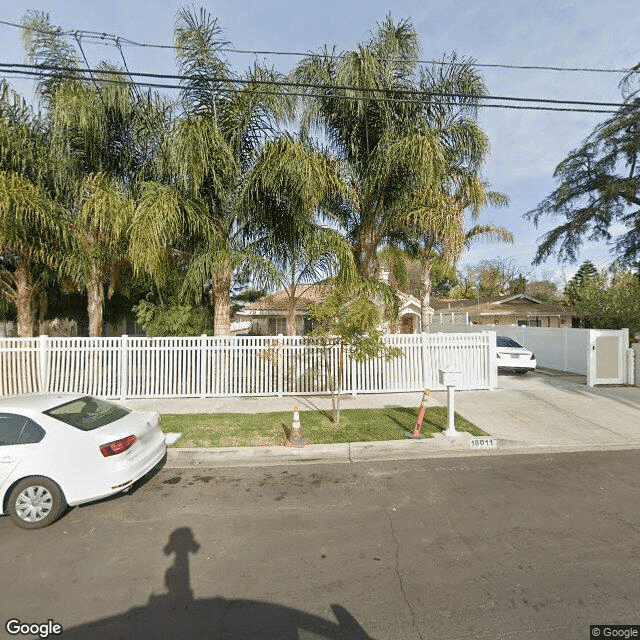
16011 Bassett Street, Van Nuys, CA 91406
For more information about senior living options: (866) 208-4318
Care Castle Costs & Pricing
At Care Castle, the cost for a private room ranges between $3,000 and $5,025 per month. This pricing structure offers flexibility to accommodate different needs and preferences while remaining competitive within the broader market. In comparison, Los Angeles County averages around $4,197 for similar accommodations, while the state of California overall lists an average at approximately $3,939. Thus, Care Castle presents a range that not only aligns with but also potentially undercuts local options, making it an appealing choice for those seeking quality care in a more budget-conscious setting.
| Floor plans | Care Castle | Los Angeles County | California |
|---|---|---|---|
| Private | $3,000 to $5,025 | $4,197 | $3,939 |
Memory care communities with a similar price nearby
-
from +$500 / mo
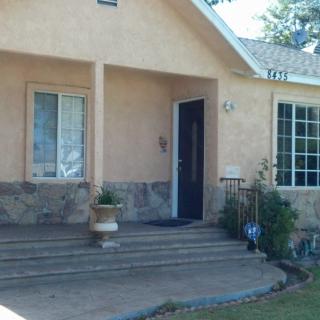
Paradise Senior Living 1
$3,500 to $4,500 / month4.6 miles away -
from -$250 / mo
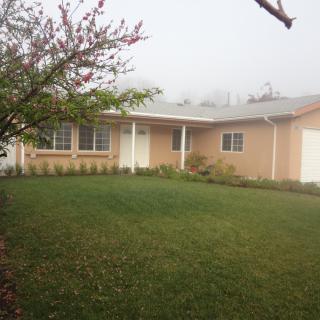
Dignity Care Home 1
$2,750 to $4,150 / month2.4 miles away -
from +$500 / mo
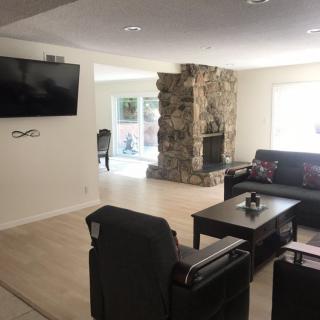
Hollywood Healthy Living
$3,500 to $5,000 / month8.0 miles away -
from +$500 / mo

California Senior Of Sherman Oaks
$3,500 to $4,000 / month2.9 miles away -
from +$500 / mo
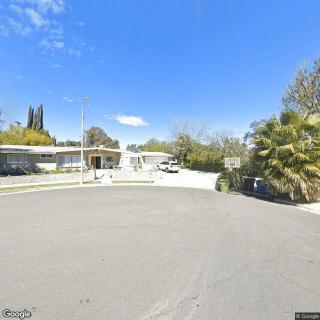
Assisted Comfort Home
$3,500 to $6,000 / month9.5 miles away
Overall Review of Care Castle
Pros
 The Care Center on Hazeltine makes a difficult IV antibiotic program tolerable, comfortable, and pleasant.
- The staff are attentive and genuinely want residents to be comfortable.
- The facility is highly recommended for a loved one or for future care.
- The food is good, especially for a small facility.
- The administrator is supportive and informative, and the staff are competent.
- The facility is clean.
- The caregivers are incredibly compassionate.
- The loving care from the staff supports rehabilitation.
- Care Castle is a private, high-comfort medical establishment with committed and professional staff.
Cons
 They claim the facility is not clean and would rate it only a C.
 - They allege the staff care more about Medicare dollars than about the elderly.
- They accuse the center of delaying a hospital transfer after a head injury to obtain custodial care funds.
- They state there was no callback or doctor’s report when requested.
- They complain about poor food quality, noting soggy eggs and a cool sandwich breakfast.
- They feel pressured to stay for financial reasons after Medicare benefits ended.
Review
Care Castle in Van Nuys is best suited for families seeking an intimate, hands-on skilled-nursing environment where staff know residents well and care plans can be tailored around dementia or rehab needs. The setting leans toward a homey, six-resident model with private rooms and hospital-style equipment that allows real-time monitoring and quick response. For residents who thrive on consistent faces, predictable routines, and team members who form genuine relationships with both patient and family, this facility delivers a level of personalized attention that larger campuses struggle to sustain. It is a compelling match for those who value a warm, relationship-driven approach over glossy, impersonal amenities.
Those considering alternatives should weigh whether the resident’s medical complexity requires broader hospital-level resources or a facility with extensive on-site specialists. Families needing robust acute-care oversight, rapid emergency transfers, or more expansive therapy programs may find larger, hospital-affiliated SNFs better suited to ongoing high-acuity needs. Additionally, care decisions tied to Medicare/Medicaid coverage can become contentious in some cases, and families should be prepared to compare post-100-day funding dynamics and administrative responsiveness across options. If governance and medical continuity feel uncertain, it is prudent to explore other facilities with longer-established medical-director visibility and clearer post-acute pathways.
The strongest pros here are the consistently compassionate, professional staff and the disciplined, attentive administration. Families repeatedly highlight attentive nurses, competent therapists, and a social-work team that actively supports families through rehabilitation and transitions. The environment remains clean and well-maintained, with visiting opportunities around the clock that reduce isolation and ease communication. The small scale supports frequent updates and direct access to caregivers, making it easier to align care with a loved one’s evolving needs. Residents with dementia or post-acute rehab goals benefit from routines that emphasize medication accuracy, timely doctor visits, and coordinated therapy.
Yet there are meaningful caveats tied to a couple of negative experiences that deserve attention. One family painted a troubling picture of financial pressure after a fixed Medicare/Medical window ended, suggesting discharge decisions were tied to funding rather than resident welfare. Another account questioned hospital-transfer timeliness after a head injury, questioned the handling of a UTI, and criticized a perceived lack of transparency in medical reporting and overall cleanliness. These concerns contrast sharply with the overwhelmingly positive experiences and cannot be dismissed; they underscore the reality that a small, intimate setting can still face gaps in medical oversight and documentation, particularly around transitions and funding-driven decisions.
Despite the concerns, the core advantages often outweigh the drawbacks for the right resident. The facility’s design supports careful medication management and precise coordination of therapies, while staff investment translates into meaningful progress in rehabilitation and daily comfort. Families report regular, candid updates and a level of attention that minimises the sense of abandonment common in larger centers. The private-room arrangement, coupled with a high standard for nutrition and sanitation, contributes to a dignified, patient-centered experience that accelerates recovery and reduces anxiety for both residents and families.
For families weighing Care Castle, the decision hinges on fit with medical needs and comfort with the care philosophy. If dementia-focused care, rehab-oriented routines, a small-team culture, and highly accessible staff top the list, this community is a strong match. If medical acuity, hospital-grade oversight, or strict post-acute funding neutrality are non-negotiables, it is wise to compare other small-to-mid-size SNFs or hospital-affiliated options. In any case, a careful tour should be followed by concrete questions: who is the medical director on site, how are care plans reviewed, what is the exact post-100-day funding policy, and how promptly are hospital referrals or consultations acted upon? The answers will reveal whether Care Castle can deliver the consistent, compassionate, medically solid care sought by families facing difficult decisions.
 6 resident community capacity
 Assisted Living
 Board and Care Home
 Memory Care
 Cats allowed
 Dogs allowed
 Activities off-site
 Bath tubs
 Cable or satellite TV
 Dining room
 Fully furnished
 Garden
 Housekeeping services
 Indoor common areas
 Move-in coordination
 Outdoor common areas
 Private
 Telephone
 Wheelchair accessible showers
 Wi-Fi/high-speed internet available
 Burbank-Glendale-Pasadena (7 miles away)
 24-hour supervision
 Assistance with bathing
 Assistance with dressing
 Assistance with transfers
 Diabetes diet
 Diabetic care
 Incontinence care
 Meal preparation and service
 Medication management
 Special dietary restrictions
 Transportation arrangement (medical)
 Transportation to doctors appointments



 Understanding Dementia Behaviors: Practical Insights and Strategies for Caregivers
 When Dementia Sparks Anger and Aggression: Understanding the Connection and Ways to Cope
 Dementia Behaviors: In-Depth Understanding and Effective Coping Strategies