North San Antonio Senior Care II in Upland, CA

Save
North San Antonio Senior Care II

North San Antonio Senior Care II in Upland, CA

938 West 22Nd Street, Upland, CA 91784

For more information about senior living options: (844) 490-3973

4.8 from 8 reviews
5 stars
7
4 stars
0
3 stars
1
2 stars
0
1 stars
0

Assisted Living Board and Care Home Memory Care

North San Antonio Senior Care II Costs & Pricing

North San Antonio Senior Care II offers a range of pricing options that reflect both the quality of care provided and the regional market dynamics. For semi-private accommodations, the monthly cost is $3,500, which is notably higher than the average rate in San Bernardino County at $2,958 but slightly below the California state average of $3,333. When it comes to one-bedroom units, North San Antonio maintains a competitive price of $4,250, closely aligning with the county's average of $3,548 while being on par with California's state average of $4,340. The facility also provides private room options at $4,250 per month - this aligns more closely with the California state average of $3,939 while surpassing San Bernardino County's typical cost of $3,561. Overall, North San Antonio Senior Care II positions itself as an attractive option for seniors seeking robust care within a supportive environment while reflecting broader trends in healthcare costs throughout California and its counties.

Floor plansNorth San Antonio Senior Care IISan Bernardino CountyCalifornia
Semi-Private$3,500$2,958$3,333
Private$4,250$3,561$3,939
1 Bedroom$4,250$3,548$4,340

What level of care are you interested in?

Assisted Living

Memory Care

Independent Living

Skilled Nursing Facility

Continuing Care Retirement Community (CCRC)CCRC

Other


Request a tour at North San Antonio Senior Care II

    Overall Review of North San Antonio Senior Care II

    Pros

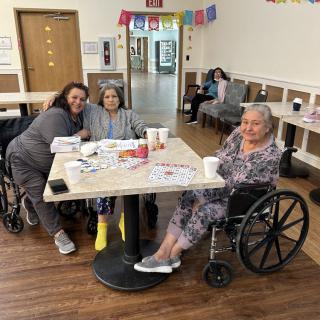
    • pro The facility is small, reasonably staffed, and looks like a good place.
    • pro The staff are very good and work hard.
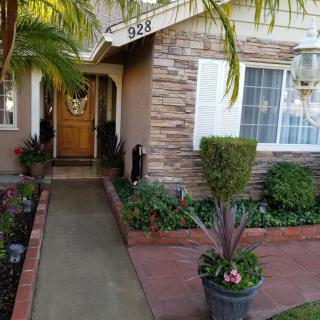
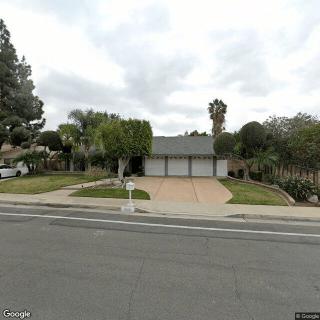
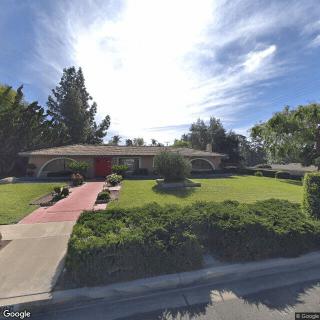
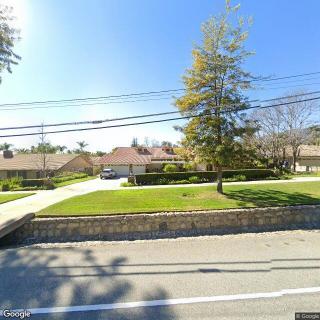
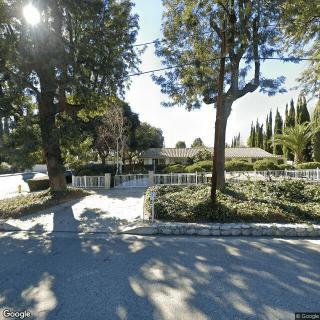
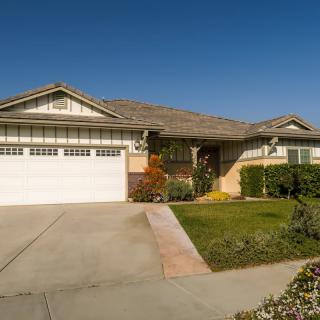
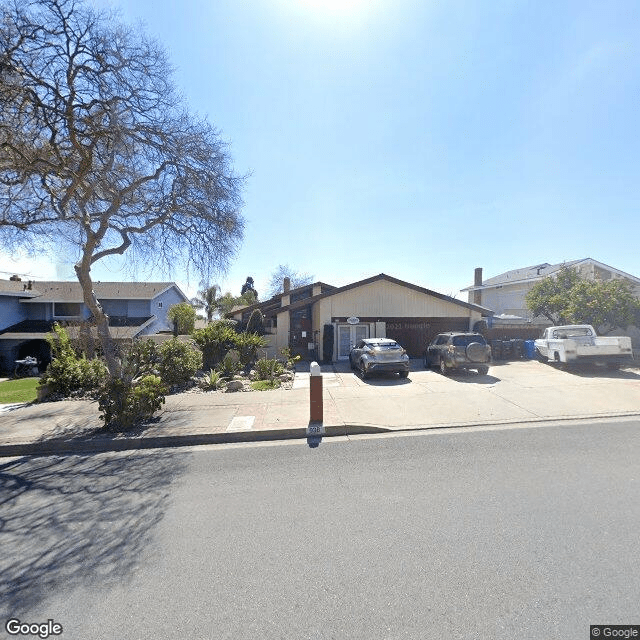
    • pro It looks like a normal home in a nice neighborhood.
    • pro They take good care of their residents.
    • pro The facility is always clean and well maintained.
    • pro The staff are friendly, polite, and very nice.
    • pro The care at this community is superior to other places.
    • pro There are enough staff for the residents, allowing time to spend with each person.
    • pro The food is good.
    • pro Residents quickly feel at home and comfortable.
    • pro The home is warm and clean and not like a sterile, industrial facility.
    • pro The home offers a family-oriented, personable approach to care.

    Cons

    • pro It was not the loved one's choice.
    • pro The price was out of range at $100 per day.

    Review

    North San Antonio Senior Care II is best suited for families seeking a genuinely small, home-like setting where seniors receive attentive, personalized care. The house-like layout accommodates only a handful of residents, with two caregivers on site and a rhythm that emphasizes hands-on interaction rather than bureaucracy. Reviews consistently describe a warm, clean environment that feels like a private home in a quiet neighborhood, not a clinical campus. For seniors who need daily assistance but thrive on familiarity, routine, and close caregiver relationships, this community delivers a level of attention that larger facilities often struggle to sustain. The dementia and end-of-life care moments captured by families show the place can sustain compassionate, patient-focused support through difficult times, reinforcing its suitability for residents who value dignity and individualized attention.

    This setting may not be the right fit for everyone, however. Families needing a larger network of services, more structured medical oversight, or extensive on-site clinical programs should consider alternatives. The small scale means fewer high-tech amenities and less "hotel-like" polish, and some families may want broader social and educational programming that a bigger campus typically provides. Those with budget constraints or a strong preference for contemporary, expansive rooms and more formal dining amenities could find the trade-offs uncomfortable. While the surroundings are warm and resident-centered, the trade-off is a quieter, less varied environment that may not meet every expectation for breadth of services.

    On balance, the strongest pros are the daily realities that translate into real security and belonging. Staffing is consistently described as sufficient for the resident load, with a favorable caregiver-to-resident ratio that allows meaningful conversation, timely assistance, and steady supervision. Cleanliness is a common refrain, and the homey feel extends to the layout - own furniture is welcome, a separate dining room exists, and residents routinely move through a simple, predictable day that includes outdoor time and accessible activities. The food is described as good to occasionally excellent, with enough variety to support comfort eating and social dining. Most importantly, families note that residents quickly adapt, feel part of the "family," and maintain a sense of normalcy and dignity in a setting that feels safe and personal.

    Those advantages offset several potential drawbacks by design. The intimate scale guarantees residents are not just numbers; caregivers can spend real time with each person, which matters for memory care and for those who require reassurance during transitions. The ability to bring personal furniture helps preserve familiarity and a sense of home, reducing the stress of moving into a care setting. Activities - board games, gardening, outings to the family room, and communal meals - prevent withdrawal and help preserve routine, social engagement, and purpose. In short, the small-house philosophy converts what could be perceived as a limitation (fewer on-site programs) into a strength: more hands-on, meaningful interaction and continuity of care.

    Cost emerges as the clearest, most concrete hurdle revealed in the reviews. One reviewer labeled the price as "out of range," and a cited figure of around $100 per day underscores that the care provided comes with a premium. For families balancing budget against the value of highly-personalized care and the peace of mind of a low-stress, family-like environment, this is the point where decisions hinge on financial reality. Prospective residents should request a detailed breakdown of what is included (care services, meals, medications, activities, transportation, and any add-ons) and compare against other small homes and larger facilities. Determine whether any discounts, private-pay plans, or insurance offsets are available, and scrutinize room options to understand total monthly costs.

    The bottom line is practical and decisive. North San Antonio Senior Care II is a compelling choice for seniors who thrive in intimate, hands-on settings where staff attention is consistently high, the atmosphere is warm, and daily life resembles a familiar home rhythm. It excels for dementia- and end-of-life?care moments within a family-forward model and for residents who value predictability, cleanliness, and personal touches over breadth of amenities. Families seeking a larger, more clinical, or less costly option should look elsewhere. Tours, concrete staffing ratios, and a clear cost sheet will illuminate whether this intimate, home-like community aligns with clinical needs, financial realities, and long-term preferences.

    Features

    Housing

    • 6 resident community capacity 6 resident community capacity
    • Detached homes Detached homesDetached homes are important for seniors because they provide independence and privacy, allowing them to maintain a sense of autonomy in their living space. Additionally, detached homes often offer more space for hobbies and activities, as well as outdoor areas for gardening or relaxation. This can contribute to a better quality of life and overall well-being for seniors.

    Types of Care

    • Assisted Living Assisted LivingAssisted living facilities provide crucial support and care for seniors who may need help with daily tasks such as medication management, bathing, and meal preparation. These communities offer a safe and comfortable environment where seniors can maintain their independence while receiving the assistance they need to thrive in their golden years.
    • Board and Care Home Board and Care HomeBoard and care homes provide a smaller, more intimate setting for seniors who require assistance with daily tasks but do not need the level of care offered by a nursing home. They offer personalized care, meals, and social activities in a homelike environment, ensuring that seniors receive individualized attention and support in their golden years.
    • Memory Care Memory CareMemory care is crucial for seniors as it provides specialized support and services for individuals with dementia or Alzheimer's disease. These programs offer a safe and secure environment where residents receive personalized care, cognitive stimulation, and help with daily activities. Memory care helps seniors maintain their independence, quality of life, and dignity while also providing peace of mind for their families.

    Amenities

    • Activities on-site Activities on-siteActivities on-site are important for seniors because they provide opportunities for socialization, mental stimulation, physical activity, and overall well-being. Engaging in activities can help seniors stay active, maintain their independence, and improve their quality of life.
    • Cable or satellite TV Cable or satellite TVCable or satellite TV is important for seniors because it provides entertainment, news, and companionship, helping to combat loneliness and boredom. It also offers a wide range of programming options tailored to different interests and preferences.
    • Dining room Dining roomDining rooms are important for seniors as they provide a space for socialization, connection, and nutritious meals. They offer opportunities for residents to bond over shared meals, foster a sense of community, and promote healthy eating habits. Dining rooms also ensure that seniors have access to well-balanced meals tailored to their dietary needs and preferences.
    • Fully furnished Fully furnishedFully furnished senior living communities are important for seniors because they provide convenience, comfort, and a hassle-free moving experience. Seniors can easily settle into their new living space without the stress of having to buy and move furniture. This allows them to focus on enjoying their new home and community.
    • Garden GardenGardens are important for seniors as they provide a peaceful and therapeutic environment for relaxation, physical activity, and socialization. Being in nature has been shown to reduce stress, improve mood, and promote overall well-being. Gardens also offer opportunities for seniors to engage in gardening activities, which can improve mobility, flexibility, and cognitive function. Additionally, gardens create a sense of community and connection with others who share a passion for plants and outdoor spaces.
    • Housekeeping services Housekeeping servicesHousekeeping services are important for seniors because they help maintain a clean and safe living environment, promote independence, and reduce the risk of accidents or illnesses. Additionally, having assistance with household chores can alleviate physical strain and allow seniors to focus on other aspects of their well-being.
    • Indoor common areas Indoor common areasIndoor common areas are crucial for seniors as they provide a space for socialization, recreation, and community engagement, promoting overall well-being and reducing feelings of isolation and loneliness.
    • Move-in coordination Move-in coordinationMove-in coordination is important for seniors because it helps ease the transition into their new living environment. It ensures that all logistics, such as packing, organizing movers, and setting up utilities are taken care of, allowing seniors to focus on settling in and adjusting to their new home. Having a smooth move-in process can alleviate stress and anxiety, making the transition smoother and more enjoyable for seniors.
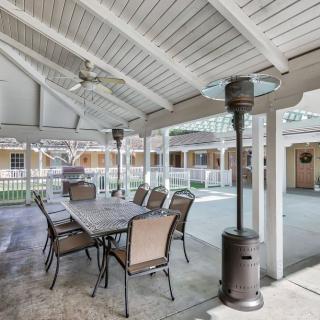
    • Outdoor common areas Outdoor common areasOutdoor common areas are important for seniors as they provide a space for socialization, physical activity, and relaxation. Being outside in nature can improve mood and overall well-being, while also encouraging movement and engagement with others. These spaces can help combat feelings of isolation and promote a sense of community among residents.
    • Outdoor space Outdoor spaceOutdoor spaces are important for seniors as they provide opportunities for physical activity, social interaction, exposure to natural light and fresh air, and a sense of connection to nature. Having access to outdoor spaces can improve overall well-being and quality of life for older adults living in senior communities.
    • Private PrivatePrivacy is important for seniors as it allows them to maintain their independence, dignity, and sense of control over their own lives. It also gives them the space and freedom to relax, reflect, and engage in activities that bring them joy and fulfillment. Creating private spaces within senior living facilities is crucial for promoting overall well-being and quality of life.
    • Respite or short term stays offered Respite or short term stays offeredRespite or short term stays provide seniors with a temporary solution when their regular caregiver is unavailable, offering them the opportunity to receive additional care and support during times of need, while also giving caregivers a chance to rest and recharge.
    • Telephone TelephoneTelephones are important for seniors as they provide a lifeline for communication with loved ones, emergency services, and healthcare providers. They offer a sense of security and independence, enabling seniors to stay connected and access assistance when needed.
    • Wheelchair accessible showers Wheelchair accessible showersWheelchair accessible showers are crucial for seniors as they provide a safe and independent bathing option for those with mobility challenges. These showers help prevent falls and allow seniors to maintain their dignity and autonomy while ensuring they can bathe comfortably.
    • Wi-Fi/high-speed internet available Wi-Fi/high-speed internet availableWi-Fi/high-speed internet is important for seniors to stay connected with loved ones, access online resources, and participate in virtual activities to combat feelings of loneliness and isolation. It also allows them to easily manage healthcare needs, access entertainment, and engage in lifelong learning opportunities.

    Transportation

    • Ontario International (7 miles away) Ontario International (7 miles away)

    Care Services

    • 24-hour supervision 24-hour supervision24-hour supervision is important for seniors to ensure their safety, well-being, and access to immediate assistance in case of emergencies or health issues. This constant support provides peace of mind for both seniors and their loved ones, allowing them to age in place with dignity and security.
    • Activities of daily living assistance Activities of daily living assistanceActivities of daily living assistance are important for seniors because they provide essential support with tasks such as eating, bathing, dressing, and mobility. This assistance helps seniors maintain their independence, dignity, and overall quality of life as they age.
    • Assistance with bathing Assistance with bathingAssistance with bathing is crucial for seniors as it helps maintain personal hygiene, prevents infections, and ensures their overall well-being and comfort. It also provides a sense of dignity and independence for seniors who may struggle with this task on their own.
    • Assistance with dressing Assistance with dressingAssistance with dressing is important for seniors because it helps maintain their independence, promotes personal hygiene, prevents accidents and injuries, and improves overall quality of life. This service ensures that seniors can continue to dress comfortably and confidently, despite any physical limitations they may have.
    • Assistance with transfers Assistance with transfersAssistance with transfers is crucial for seniors as it helps prevent falls and injuries, maintains their independence, and ensures they can safely navigate their living environment. It also provides peace of mind for both seniors and their loved ones.
    • Coordination with health care providers Coordination with health care providersCoordination with health care providers is crucial for seniors to ensure proper medical care, medication management, and overall well-being. This collaboration helps prevent overlapping treatments, track progress more effectively, and provide comprehensive support tailored to individual needs.
    • Diabetes diet Diabetes dietA diabetes diet is crucial for seniors as it helps manage blood sugar levels, reduce risks of complications, and improve overall health and well-being. By following a balanced and nutritious diet tailored to their specific needs, seniors can better control their diabetes and enhance their quality of life.
    • Incontinence care Incontinence careIncontinence care is essential for seniors to maintain their dignity, hygiene, and overall quality of life. By addressing incontinence issues promptly and effectively, seniors can enjoy a sense of independence and comfort in their daily activities.
    • Meal preparation and service Meal preparation and serviceMeal preparation and service are crucial for seniors as they may have limited mobility or energy to cook nutritious meals. Having access to healthy and convenient food options can ensure they are getting the proper nutrition needed to maintain their overall health and well-being.
    • Medication management Medication managementMedication management is crucial for seniors to ensure they are taking the right medications at the correct dosages and times. This helps prevent adverse drug interactions, reduces the risk of medication errors, and promotes overall health and well-being. Proactive management also allows for adjustments as needed based on changing health conditions or new prescriptions.
    • Special dietary restrictions Special dietary restrictionsSpecial dietary restrictions are important for seniors because age-related changes in metabolism and health conditions can make it difficult for their bodies to process certain foods. By following a diet tailored to their specific needs, seniors can maintain their overall health and well-being, manage chronic conditions, and reduce the risk of complications such as malnutrition or food interactions with medications.
    • Transportation arrangement (medical) Transportation arrangement (medical)Transportation arrangements for medical purposes are essential for seniors as they may have difficulty driving themselves to appointments or accessing public transportation. Having reliable and safe transportation options ensures that seniors can receive timely medical care and maintain their health and well-being.
    • Transportation to doctors appointments Transportation to doctors appointmentsTransportation to doctors' appointments is crucial for seniors as it ensures they have access to necessary medical care and support for their health needs. Without reliable transportation, seniors may struggle to attend important appointments, leading to potential delays in treatment and health complications. Providing transportation services helps seniors maintain their overall well-being and quality of life.
    Dining

    • Diabetes diet Diabetes dietA diabetes diet is crucial for seniors as it helps manage blood sugar levels, reduce risks of complications, and improve overall health and well-being. By following a balanced and nutritious diet tailored to their specific needs, seniors can better control their diabetes and enhance their quality of life.
    • Kosher KosherKosher options are important for seniors because they adhere to dietary laws that are significant to many Jewish individuals, providing them with peace of mind and an opportunity to maintain their cultural traditions and beliefs while living in a senior living community.
    • Meals provided Meals provided"Meals provided" are crucial for seniors in assisted living communities as it ensures they have access to nutritious, balanced meals without the stress of meal planning and preparation. This can help promote overall health and well-being for seniors who may have limited mobility or cognitive abilities.
    • Special dietary restrictions Special dietary restrictionsSpecial dietary restrictions are important for seniors because age-related changes in metabolism and health conditions can make it difficult for their bodies to process certain foods. By following a diet tailored to their specific needs, seniors can maintain their overall health and well-being, manage chronic conditions, and reduce the risk of complications such as malnutrition or food interactions with medications.
    • Vegetarian VegetarianA vegetarian diet is important for seniors because it can help lower the risk of chronic diseases, maintain a healthy weight, and provide essential nutrients needed for aging bodies. Additionally, plant-based diets are often easier on digestive systems and can contribute to overall well-being in older adults.

    Activities

    • Activities on-site Activities on-siteActivities on-site are important for seniors because they provide opportunities for socialization, mental stimulation, physical activity, and overall well-being. Engaging in activities can help seniors stay active, maintain their independence, and improve their quality of life.
    • Community-sponsored activities Community-sponsored activitiesCommunity-sponsored activities are important for seniors as they provide opportunities for social interaction, mental stimulation, and physical activity. These activities can help improve overall well-being, combat loneliness and isolation, and promote a sense of belonging and purpose among older adults.
    • Scheduled daily activities Scheduled daily activitiesScheduled daily activities are important for seniors because they provide structure, socialization, mental stimulation, and physical activity. Engaging in regular activities can improve overall well-being and quality of life for seniors living in a community setting.

    Description

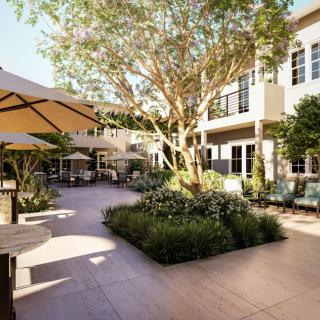
    North San Antonio Senior Care II is an assisted living community located in Upland, CA. It offers a comfortable and homely environment for seniors who require assistance with their activities of daily living. The community provides both board and care home as well as memory care services.

    Residents at North San Antonio Senior Care II enjoy a range of amenities and services to enhance their quality of life. Each room is fully furnished, providing a cozy space for residents to relax. They can also enjoy cable or satellite TV and Wi-Fi/high-speed internet access to stay connected with the outside world. Housekeeping services ensure that their living spaces are always clean and well-maintained.

    The community features both indoor and outdoor common areas where residents can socialize and engage in various activities. There is a dining room where delicious meals are served, accommodating special dietary restrictions such as diabetes diet, kosher, vegetarian, and more. Additionally, the staff assists with meal preparation and medication management to ensure that each resident's specific needs are met.

    At North San Antonio Senior Care II, residents have access to transportation arrangement for medical purposes and appointments with health care providers. The community is conveniently located near numerous pharmacies, physicians' offices, restaurants, theaters, parks, cafes, places of worship, hospitals ensuring easy accessibility for residents.

    The dedicated staff at North San Antonio Senior Care II provides personalized assistance with activities of daily living like bathing, dressing, transfers while ensuring proper coordination with health care providers when needed. Regularly scheduled activities keep the residents engaged while community-sponsored activities foster social interactions among the seniors.

    If short-term stays or respite care is required by the residents or their families during any period of transition or when caregivers need temporary relief from caregiving responsibilities; North San Antonio Senior Care II offers such options within its available offerings.

    Overall, North San Antonio Senior Care II provides a supportive and compassionate environment where seniors can age gracefully while receiving the assistance they need in a beautiful and comfortable setting.

    Nearby Places of Interest

    This part of Upland, California offers a variety of amenities that cater to the needs of seniors looking for a peaceful and convenient living environment. With multiple places of worship nearby such as St Anthony's Catholic Church and First Presbyterian Church, residents can easily maintain their spiritual practices. In terms of healthcare, there are several pharmacies and physicians in close proximity, ensuring easy access to medication and medical services. The presence of San Antonio Medical Center and other hospitals provides reassurance in case of any emergencies. Additionally, the area boasts well-maintained parks for leisurely strolls and relaxation. The availability of public transportation options like the Montclair Metrolink Station further adds to the convenience for seniors looking to explore beyond the neighborhood. Overall, this part of Upland offers a desirable blend of essential services, recreational facilities, and transportation options for seniors seeking a comfortable living environment.

    Places of Worship

    • St Anthony's Catholic Church (0.3 miles)
    • First Presbyterian Church Upland (2.7 miles)
    • Hillside Community Church (5.1 miles)
    • Charisma Life Church (5.9 miles)

    Pharmacies

    • CVS Pharmacy (2.1 miles)
    • Walgreens (2.5 miles)
    • CVS Pharmacy (2.7 miles)
    • Ken Pharmacy (2.7 miles)
    • CVS Pharmacy (2.8 miles)
    • Walgreens (2.9 miles)
    • Rite Aid (2.9 miles)

    Physicians

    • Womens View Medical Group (2.5 miles)
    • Tarick Smaili, MD (2.5 miles)
    • Heavenly 3D 4D Ultrasounds (2.5 miles)
    • City Of Hope Upland (3.3 miles)
    • Care For Womens Medical Group (3.3 miles)
    • Face And Body Cosmetic Surgery Upland (3.3 miles)
    • Dr Robert. Armada (3.4 miles)

    Restaurants

    • McDonald's (2.7 miles)
    • The Hat (3.1 miles)
    • McDonald's (3.2 miles)
    • Vince's Spaghetti (3.4 miles)
    • McDonald's (4.1 miles)
    • Lazy Dog Restaurant & Bar (4.1 miles)
    • Bardot (4.4 miles)

    Hospitals

    • San Antonio Medical Center (3.3 miles)
    • San Antonio Community Hospital Maternity Information Services (3.4 miles)
    • Pomona Valley Hospital Medical Center (6.7 miles)
    • Casa Bonita (8 miles)

    Parks

    • Citrus Park (3.6 miles)
    • Central Park (6.1 miles)

    Transportation

    • Montclair Metrolink Station (3.7 miles)
    • Pomona Station (6.1 miles)
    • Ontario International Airport - Terminal 2 (6.8 miles)
    • Baggage Claim T2 (6.9 miles)
    • Rancho Cucamonga Metrolink Train Station (7 miles)
    • Ontario International Airport (ONT) (7.2 miles)
    • Ontario Int'L-Terminal 4 (7.2 miles)

    Theaters

    • AMC DINE-IN Montclair Place 12 (4.3 miles)
    • AMC DINE-IN Ontario Mills 3 (8 miles)
    • Regal Edwards Ontario Palace Screenx, Imax & RPX (8.1 miles)

    Cafes

    • Starbucks (4.8 miles)
    • Panera Bread (5.7 miles)
    • Starbucks (6.2 miles)
    • Starbucks (7.2 miles)
    • Starbucks (7.6 miles)
    • Starbucks (7.7 miles)

    Frequently Asked Questions

    How much does it cost to live at North San Antonio Senior Care II in Upland, CA?
    What floor plans and room types does North San Antonio Senior Care II offer?
    Where is North San Antonio Senior Care II?
    Does North San Antonio Senior Care II provide care for residents with dementia or Alzheimer's disease?

    Nearby Communities

    • North San Antonio Senior Care

      North San Antonio Senior Care

      Upland, CA

      5 from 1 review
      $1,800 to $3,000 / month

      pro Competitive pricing with private room options.

    • Mountain View

      Mountain View

      Upland, CA

      4.6 from 7 reviews
      $2,900 to $4,000 / month

      pro Personalized, attentive care in a calm, home-like setting.

    • Gracious Living

      Gracious Living

      Upland, CA

      4.1 from 12 reviews
      $3,500 to $4,500 / month

      pro Attentive staff and a clean, well-maintained facility.

    • Oakmont of San Antonio Heights

      Oakmont of San Antonio Heights

      Upland, CA

      4.5 from 125 reviews
      $4,095 to $7,795 / month

      pro Friendly, engaged staff in a well-maintained, amenity-rich community.

    • Euclid House

      Euclid House

      Upland, CA

      3.7 from 6 reviews
      $3,000 to $4,000 / month

      pro Caring staff and engaging activities.

    • Zen Garden

      Zen Garden

      Upland, CA

      5 from 1 review
      $3,900 / month

      pro Compassionate staff with personalized care and a strong sense of community.

    • Allara Senior Living

      Allara Senior Living

      Rancho Cucamonga, CA

      4.7 from 90 reviews
      $3,995 to $4,995 / month

      pro Compassionate staff with modern, clean facilities and strong memory-care programming.

    • Sunlit Gardens

      Sunlit Gardens

      Alta Loma, CA

      4.5 from 69 reviews
      $3,043 to $4,500 / month

      pro Caring staff with personalized attention in a warm, engaging environment and strong memory-care focus.

    • Las Colinas Post Acute

      Las Colinas Post Acute

      Ontario, CA

      2.8 from 108 reviews
       

      pro Caring staff, engaging activities, and spacious rooms with strong physical therapy.

    Related Resources

    • does my mom have dementia quiz5 Early Indicators of Dementia and What You Can Do

      The content outlines five key early indicators of dementia, including significant memory loss and confusion about time and place, while emphasizing the need for professional evaluation and emotional support for both individuals showing symptoms and their caregivers. It encourages family members to monitor these signs closely and use online quizzes for initial awareness.

    • when should someone with dementia go into a care home8 Important Indicators That Memory Care May Be Necessary

      The article highlights eight indicators that a loved one with dementia may require specialized memory care, emphasizing the emotional and logistical challenges families encounter in this decision. It discusses signs such as difficulties with daily tasks, safety concerns, and caregiver burnout, suggesting that memory care facilities can provide the necessary support and structured environments for those experiencing cognitive decline.

    • what do dementia patients think aboutDelving into the Inner World of Dementia: Insights into Thoughts and Awareness

      Dementia, primarily caused by Alzheimer's disease but also linked to other conditions, leads to cognitive decline impacting memory and daily functioning, with individuals experiencing varied awareness of their impairments. Despite memory loss, emotional connections persist, enabling responses to familiar stimuli, highlighting the need for caregivers to provide compassionate support that recognizes both limitations and retained emotional depth.


    Get Pricing Ask A Question Schedule A Tour Contact Senior Advisor