
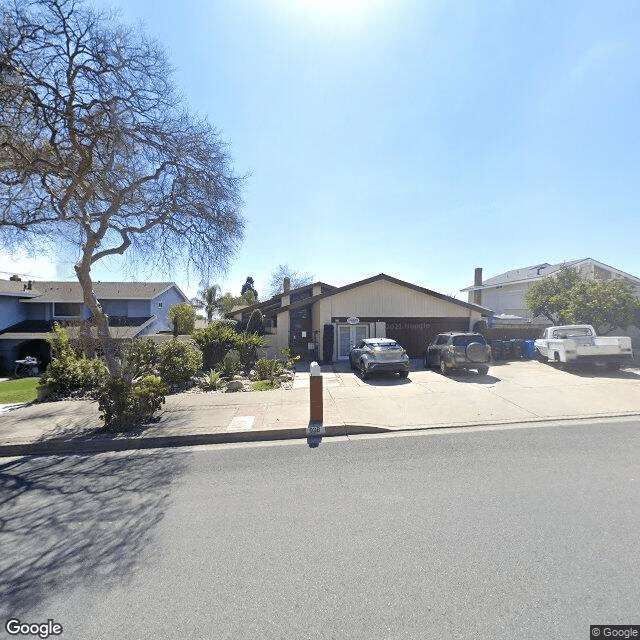
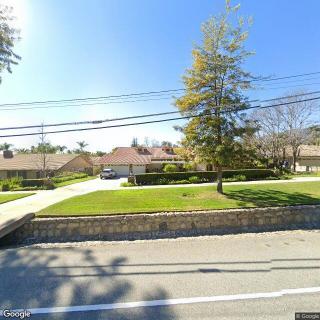
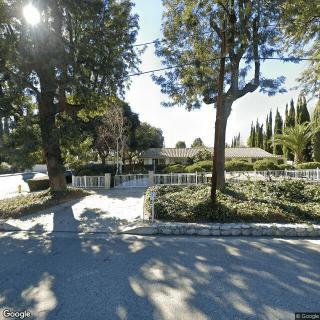
938 W. 22nd St., Upland, CA 91786
To contact a resident: (909) 931-2121
For more information about senior living options: (866) 208-4318
North San Antonio Senior Care Costs & Pricing
North San Antonio Senior Care offers competitive pricing for its services, particularly when compared to the broader market rates in San Bernardino County and across California. For a semi-private room, the monthly cost is $1,800, significantly lower than the county average of $2,958 and well beneath the state average of $3,333. Similarly, for those seeking a private room, North San Antonio maintains an affordable rate of $3,000 per month, which again compares favorably to both the San Bernardino County rate of $3,561 and California's average of $3,939. These figures highlight North San Antonio Senior Care's commitment to providing quality senior living options at more accessible price points, making it an attractive choice for families seeking care solutions without compromising on quality or comfort.
| Floor plans | North San Antonio Senior Care | San Bernardino County | California |
|---|---|---|---|
| Semi-Private | $1,800 | $2,958 | $3,333 |
| Private | $3,000 | $3,561 | $3,939 |
Senior living communities with a similar price nearby
-
from +$200 / mo
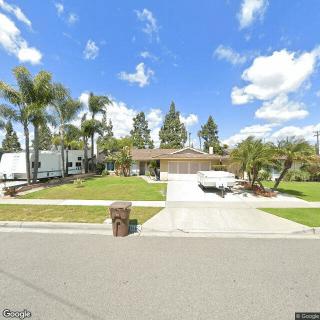
Tess Loving Home
$2,000 to $2,500 / month24.6 miles away -
from +$200 / mo
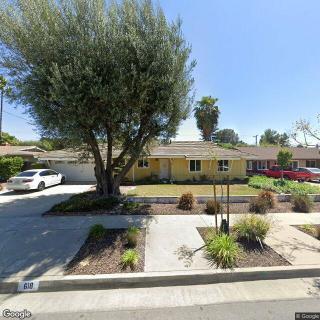
House Of Grace
$2,000 to $4,200 / month4.6 miles away -
from +$150 / mo
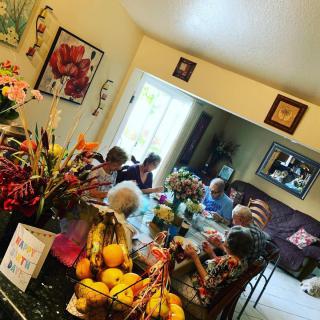
Select Senior Care, LLC
$1,950 to $6,200 / month20.6 miles away -
from +$200 / mo
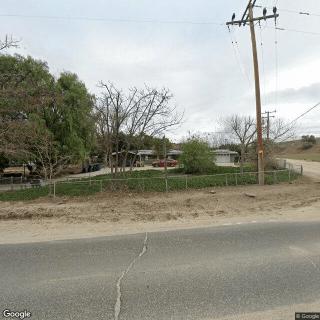
Milam Manor
$2,000 to $3,600 / month24.0 miles away -
from +$200 / mo
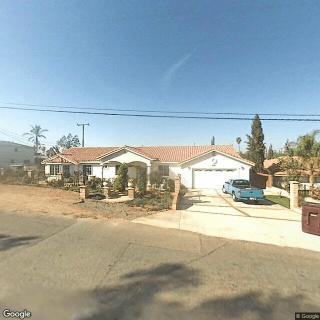
For His Glory Premium Senior Care Home
$2,000 to $2,800 / month24.3 miles away
Overall Review of North San Antonio Senior Care
Pros
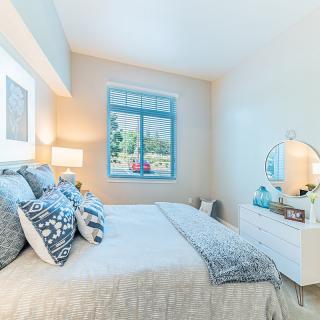
 The home is warm and clean, avoiding the cold, sterile environment of larger facilities.
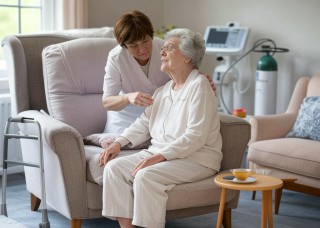
- The personable, family-oriented caretakers provide attentive, end-of-life care.
- The staff are like family to visitors, who continue to visit after the resident’s passing.
- The home offers around-the-clock care in a simple, comfortable living environment.
- Residents enjoy delicious, custom home-cooked meals in a welcoming setting.
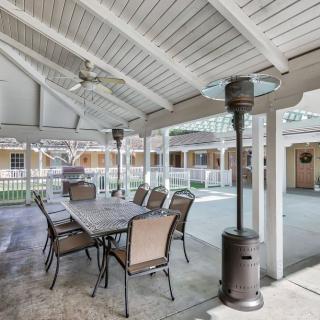
- Located in a quiet residential area, the home provides a peaceful, simple living experience.
Review
North San Antonio Senior Care in Upland, CA is best suited for families seeking a warm, home-like setting where a loved one with dementia can receive around-the-clock attention in a small, intimate environment. This community shines for those who value personal, hands-on caregiving, where staff are described as personable and genuinely devoted to the resident and family. It works well for families that want continuous, relationship-driven care rather than a impersonal, institutional feel, and for residents who thrive on routine, comfort, and a sense of belonging in a familiar, domestic atmosphere.
Those considering alternatives should note this setting may not be ideal for families prioritizing hospital-level medical oversight, highly structured dementia programming, or large-scale amenities. If a loved one needs aggressive management of complex medical conditions, frequent access to specialists, or a facility with substantial on-site nursing resources and a wide array of services, a larger senior-living campus might deliver the scale and diversity of care those needs require. Similarly, households seeking a highly social environment with a broad slate of organized activities may find a smaller home-to-be model limiting.
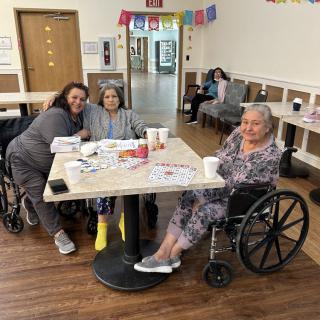
From the perspective of practical care impact, the strongest advantages are the unmistakable warmth and continuity of care. The staff’s family-oriented approach translates into consistent, attentive assistance around the clock, which can lessen the burden on family members and reduce stress in crisis moments. The home-like setting, clean, welcoming, and away from the antiseptic feel of larger facilities, contributes to calmer days for a resident facing dementia. Residents eat together in a group dining area and enjoy home-cooked meals, which reinforces a comforting daily routine and supports dignity in care. When dementia advances, the presence of caregivers who treat residents as part of a family can help preserve a sense of identity and safety, a factor families consistently value in end-of-life moments.
The review highlights a clear strength in the social fabric of the home: relationships that extend beyond the resident’s stay. Families report they remain connected and visit not only the resident but also the staff who become like a second family. This relational depth can be a decisive advantage for long-term comfort and peace of mind, particularly as the end of life approaches. The ability to stay connected, receive updates, and know that the care team shares a genuine commitment to the resident’s quality of life can offset the absence of more formal clinical programming found in larger facilities. In short, emotional well-being and a sense of belonging are strong compensating factors here.
Yet, prudent families should acknowledge potential trade-offs. The absence of explicit cons in the review suggests a very favorable impression, but practical considerations warrant verification. The intimate, home-based model may translate to fewer on-site medical interventions or specialty services than a larger campus, and staffing patterns could vary with time. For families evaluating options, it is wise to explore how the home handles late-stage dementia needs, what medical oversight exists, and how quickly trained personnel can respond to sudden changes. Additionally, understand the schedule of activities and whether the social calendar meets broader preferences for stimulation and engagement.
In the end, North San Antonio Senior Care is a compelling choice for those prioritizing a peaceful, familial atmosphere where dementia care is delivered with dignity, warmth, and continuity. Prospective families should visit with questions clearly focused on medical oversight, staffing levels, and the scope of services to ensure alignment with the loved one’s current and anticipated needs. If the goal is a nurturing, home-grounded daily life, where care partners feel like family and end-of-life moments are treated with tenderness, this community deserves strong consideration. For care plans demanding more clinical infrastructure or a busier social scene, alternatives should be explored to ensure a perfect match.
 Board and Care Home
 Private
 Ontario International (7 miles away)
 Home Health Care Demystified: A Comprehensive Guide for Families and Caregivers
 Seniors and Modern Transportation: Exploring Uber, Lyft, and Other Ride-Hailing Options
 Comprehensive Guide to Qualifying for Home Health Care Services