
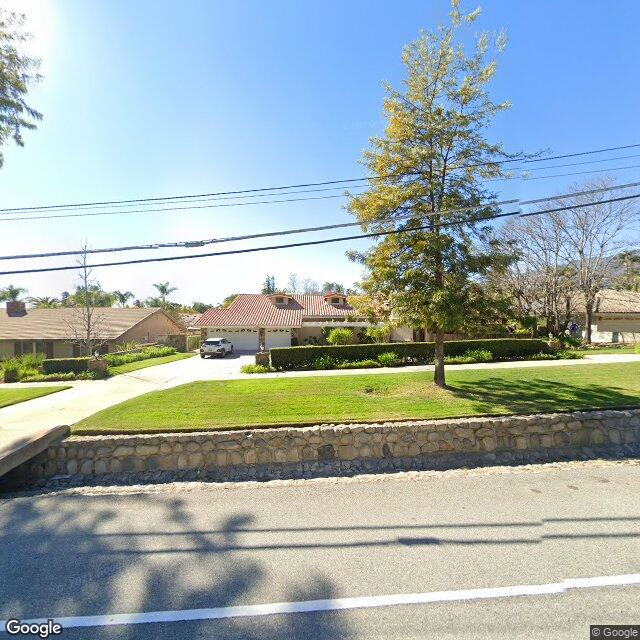
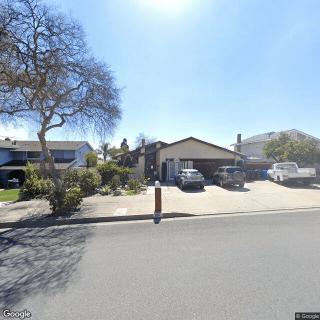
2141 North Euclid Avenue, Upland, CA 91784
For more information about senior living options: (866) 208-4318
Gracious Living Costs & Pricing
Gracious Living offers a range of accommodation options that reflect its commitment to quality and comfort, albeit at a premium compared to the broader market. For a semi-private room, residents can expect to pay $3,500 per month, which is notably higher than the average cost of $2,958 in San Bernardino County and slightly above California's state average of $3,333. Meanwhile, those opting for a private room will find the monthly fee set at $4,500. This figure exceeds both the county's average of $3,561 and the statewide rate of $3,939. While Gracious Living's pricing may position it on the higher end of the spectrum, it likely reflects enhanced services or amenities designed to enrich residents' experiences within their community.
| Floor plans | Gracious Living | San Bernardino County | California |
|---|---|---|---|
| Semi-Private | $3,500 | $2,958 | $3,333 |
| Private | $4,500 | $3,561 | $3,939 |
Assisted Living communities with a similar price nearby
-
from +$495 / mo
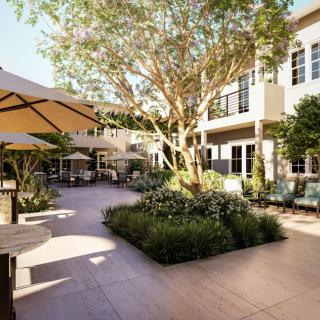
Cadence Brea
$3,995 to $5,500 / month20.7 miles away -
About the same

Sam's Homecare
$3,500 to $5,500 / month18.8 miles away -
About the same
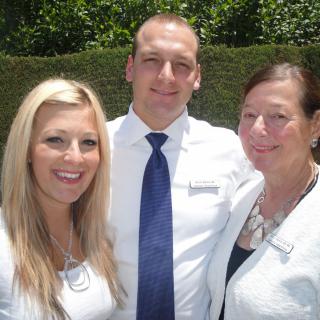
Genesis Manor VI
$3,600 to $4,200 / month3.2 miles away -
About the same
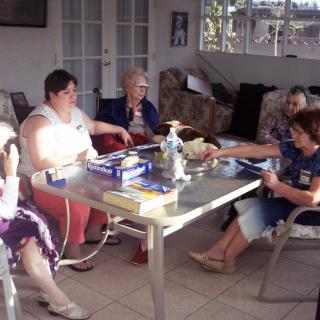
Golden Life Manor
$3,500 to $4,000 / month24.9 miles away -
from -$500 / mo
Kozy Quarters 4 Seniors
$3,000 to $3,500 / month24.0 miles away
Overall Review of Gracious Living
Pros
 The staff are wonderful and responsive, and the facility is clean.
- The administrator is often on site, and he and his son check in frequently to ensure residents' needs are met.
- Families are happy to have found Gracious Living for their loved ones.
- It is a real nice place with pretty good care.
- Paul, the son who helps run the home, is exceptional, and Dave and Paul are wonderful people.
- The home is very nice; doctors and placement services recommended Gracious Living, and families would recommend it to anyone.
Cons
 The reviewer has bad thoughts about Gracious Living.
- The reviewer states the mother became bedridden, deteriorated rapidly, and died soon after moving in.
- The reviewer claims the facility's dementia/Alzheimer's care claim is misleading because residents look near death.
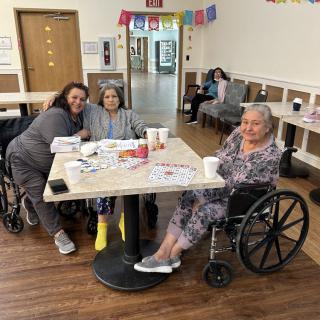
- The reviewer reports there were no activities at the facility, with only one man watching TV.
- The reviewer would not recommend Gracious Living for a loved one unless they are near death.
Review
Gracious Living in Upland is best suited for families seeking a small, home-like assisted living option where hands-on, owner-operated supervision and a consistently clean, well-kept environment deliver reliable daily support. It works well for seniors who want a personable, intimate setting rather than a large, institutional facility, and who value immediate access to leadership and staff who know the residents by name. The model is especially attractive to families who prioritize responsive communication, timely problem-solving, and a positive, respectful tone from the people actually helping their loved one. In short, this community serves well when the priority is a warm, manageable footprint with visible oversight from the owners and on-site administrators.
Those considering alternatives should note that Gracious Living may not be the right fit for every care plan. Families looking for robust dementia programming, heavy structured activities, or care for someone who is bed-ridden or at an advanced stage of illness may want to explore other memory-care-focused options. Several reviewers flagged the pace of engagement and the activity lineup as a weakness, suggesting that meaningful social and cognitive stimulation could be limited. For a loved one who thrives on a brisk calendar of group events, excursions, or intensive daily programming, a larger community with formal memory-care services could be a better match.
The strongest positives here center on the people in the building. Staff are described as wonderful and responsive, with the administrator frequently on-site and actively checking in to ensure needs are met. Family praise consistently highlights Paul and his father as the heart of the operation: the home is described as pleasant, the care as pretty solid, and the admission process as supportive. The sense of accountability and hands-on leadership helps offset expectations that come with a smaller, non-corporate setting. Cleanliness and a home-like ambiance further reinforce the appeal for families who want to avoid sterile, hospital-like environments.
Yet, the pros do not fully erase the main drawbacks. The most recurring concern is insufficient activity and engagement for residents, particularly for those who desire social interaction or meaningful cognitive stimulation beyond passive TV time. Some reviews also raise questions about dementia-specific care, with one account implying that residents appeared severely frail and that the facility’s emphasis on dementia care may not align with every loved one’s stage or needs. The contrast between a highly attentive, personable staff and limited programming creates a tension: strong daily care and oversight can compensate to a degree, but they cannot substitute for a robust activity and memory-care framework when those needs are central.
For families evaluating Gracious Living, a practical plan is essential. Schedule time to meet Paul and Dave, walk through a typical day, and examine the activity calendar and any dementia-specific programming. Inquire about staff-to-resident ratios, care planning, and how attention shifts if a resident’s needs intensify. Ask for a trial period or a daytime observation to see firsthand how the team engages residents and how the environment supports meaningful interaction. Confirm that the level of care aligns with the loved one’s current needs and any anticipated changes, and compare with alternatives that offer more structured dementia services if cognitive engagement is a priority.
In the end, Gracious Living delivers a solid, dependable option for families prioritizing a warm, intimate setting with hands-on leadership and a clean, well-maintained home. It stands out for its responsive staff, consistent administrative presence, and a genuine sense of care from the owners. The bottom line is clear: this is a strong choice for seniors who want daily oversight and a home atmosphere more than a program-driven campus. If dementia-specific programming and vibrant activity calendars are non-negotiables, however, it pays to look at alternatives that foreground memory-care services and scheduled enrichment. Families can proceed with confidence by validating programming plans and observing daily operations during a visit, then deciding whether the balance of care, oversight, and engagement fits their loved one’s trajectory.
 6 resident community capacity
 Assisted Living
 Board and Care Home
 Activities on-site
 Beautician on-site
 Cable or satellite TV
 Dining room
 Fully furnished
 Garden
 Housekeeping services
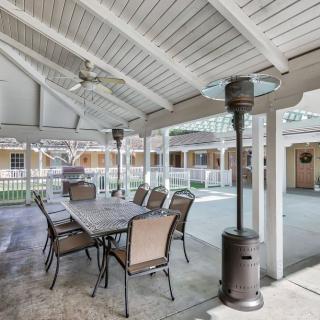
 Indoor common areas
 Move-in coordination
 Outdoor common areas
 Private
 Private bathrooms
 Respite or short term stays offered
 Telephone
 Wheelchair accessible showers
 Wi-Fi/high-speed internet available
 Ontario International (7 miles away)
 24-hour supervision
 Ambulatory care
 Assistance with bathing
 Assistance with dressing
 Assistance with transfers
 Diabetes diet
 High acuity care
 Incontinence care
 Meal preparation and service
 Medication management
 Special dietary restrictions
 Transportation arrangement (medical)
 Transportation to doctors appointments
 Securing Financial Support for Assisted Living: A Comprehensive Overview
 Social Security Benefits and Assisted Living: Navigating Options Across the U.S.
 An Extensive Exploration of the VA Aid and Attendance Benefit