Sunlit Gardens offers competitive pricing for its various living arrangements compared to both San Bernardino County and the broader California market. For a private room, residents pay $3,043 per month, significantly lower than the county average of $3,561 and the state figure of $3,939. In terms of studio accommodations, Sunlit Gardens' rate of $4,500 aligns with the higher end of local options, exceeding the county's average of $3,455 but remaining on par with California's average of $4,145. Meanwhile, semi-private rooms are priced at $4,500 as well; however, they are notably above the county rate of $2,958 and the state average of $3,333. Overall, while Sunlit Gardens offers attractive pricing for private rooms that undercuts regional averages significantly, its studio and semi-private offerings highlight a more premium price point within a competitive landscape.
Floor plans
Sunlit Gardens
San Bernardino County
California
Private
$3,043
$3,561
$3,939
Studio
$4,500
$3,455
$4,145
Semi-Private
$4,500
$2,958
$3,333
Memory care communities with a similar price nearby
Residents and families most often describe caring, communicative staff.
Across many reviews, families say staff are kind, friendly, and attentive to day-to-day needs, and that they respond promptly when families ask for help. Several reviewers also mention feeling welcomed and kept informed, including regular communication from nursing or the care team. A few negative reviews criticize staffing levels and management behavior, but even those comments include that some caregivers were trying to help.
common18 reviews mention this
Activities keep residents engaged
Many reviews credit the community for offering varied daily activities.
Residents are described as having activities throughout the day, with some families pointing to events like family nights, themed happenings, and outings. Reviewers also mention resident choice and engagement—especially in memory care—along with activity directors who help keep things running. One reviewer notes limited activities at a particular time, and another says staffing for activities could improve, but the overall emphasis in reviews is on staying busy.
differentiator14 reviews mention this
Food quality and special diets
Dining stands out, including options for dietary restrictions.
Multiple reviews say meals are good or amazing, and several families highlight that residents are supported with eating and fluids. Dining also comes up alongside routine care for residents who need structured meals, and some reviewers specifically reference special dietary needs being handled. The community offers restaurant-style dining and supports multiple nutrition needs, which aligns with the way residents and families talk about meal quality and accommodation.
common16 reviews mention this
Clean, well-kept facility
Reviews repeatedly mention cleanliness across rooms and common areas.
Many reviewers describe the buildings, rooms, and grounds as clean and well maintained, often saying they noticed no odors and tidy living spaces. Some also mention that rooms are kept clean regularly and that the overall environment feels cared for. A couple of negative reviews cite cleanliness problems, including pest or sanitation issues, but these are in the minority compared with the frequent positive feedback.
caveat11 reviews mention this
Cost and staffing concerns
Some residents and families report concerns about staffing and rising costs.
A recurring theme in the less-positive reviews is that staffing can be short, which some reviewers connect to delays in help and worse outcomes like falls or incomplete assistance. Several also mention concerns about management, including communication and responsiveness when problems are reported. Pricing comes up as well: some families call it pricey or say the cost increased, even while others still recommend the community.
How we summarize
Counts show how many written reviews mention each theme; a review can touch several themes, and only frequently mentioned themes are displayed.
Features
Housing
100 resident community capacity
Types of Care
Assisted Living
Memory Care
Pets
Cats allowed
Dogs allowed
Amenities
Activities off-site
Activities on-site
Air-conditioning
Beautician on-site
Beauty salon
Cable or satellite TV
Computer center
Devotional services off-site
Devotional services on-site
Dining room
Fitness room
Fully furnished
Gaming room
Garden
Ground floor units
Housekeeping services
Indoor common areas
Kitchenette
Move-in coordination
Outdoor common areas
Outdoor space
Pet friendly
Private bathrooms
Respite or short term stays offered
Restaurant-style dining
Small library
Telephone
Wellness center
Wheelchair accessible showers
Wi-Fi/high-speed internet available
Transportation
Ontario International (5 miles away)
Community operated transportation
Transportation arrangement
Transportation arrangement (non-medical)
Transportation to doctors appointments
Care Services
12-16 hour nursing
24-hour call system
24-hour supervision
Activities of daily living assistance
Ambulatory care
Assistance with bathing
Assistance with dressing
Assistance with transfers
Coordination with health care providers
Dementia waiver
Diabetes diet
Diabetic care
Hospice waiver
Incontinence care
Meal preparation and service
Medication management
Mental wellness program
Mild cognitive impairment
Special dietary restrictions
Specialized memory care programming
Transportation arrangement (medical)
Transportation to doctors appointments
Dining
Diabetes diet
Guest meals
International cuisine
Low / no sodium
Meals provided
No Sugar
Professional chef
Room service
Special dietary restrictions
Activities
Art classes
Community-sponsored activities
Concierge services
Cooking classes
Day trips and outings
Devotional activities offsite
Devotional activities on-site
Educational speakers / life long learning
Fitness programs
Forever fit
Karaoke
Live dance or theater performances
Live musical performances
Live well programs
Planned day trips
Resident-run activities
Scheduled daily activities
Nearby Places of Interest
This part of Alta Loma, California, offers a convenient and accessible location with a variety of amenities nearby. Within a short distance, you will find several pharmacies such as Rite Aid and CVS Pharmacy, as well as restaurants like McDonald's and Vince's Spaghetti. There are also cafes like Starbucks for your daily coffee fix. For spiritual fulfillment, there are places of worship including Hillside Community Church and St Anthony's Catholic Church within a few miles. In terms of healthcare, there are physicians' offices like Cohen Medical Center and hospitals like San Antonio Medical Center in close proximity. Additionally, transportation options such as the Rancho Cucamonga Metrolink Train Station and Ontario International Airport provide easy access for travel. Overall, this area offers a blend of convenience and essential services for those considering senior living in Alta Loma.
Pharmacies
Alta Loma Square (0.8 miles)
Rite Aid (0.8 miles)
Walgreens (0.9 miles)
Walgreens (1.4 miles)
Gemmel Pharmacy Group (1.9 miles)
CVS Pharmacy (1.9 miles)
CVS Pharmacy (2.1 miles)
Restaurants
McDonald's (1.2 miles)
McDonald's (1.5 miles)
McDonald's (1.9 miles)
K-Towne 88 (2.3 miles)
Vince's Spaghetti (2.4 miles)
The Habit Burger Grill (2.6 miles)
McDonald's (2.9 miles)
Cafes
Starbucks (1.9 miles)
Panera Bread (2.3 miles)
Starbucks (4 miles)
Starbucks (4.6 miles)
Starbucks (4.8 miles)
Places of Worship
Hillside Community Church (2.1 miles)
St Anthony's Catholic Church (3.5 miles)
First Presbyterian Church Upland (3.6 miles)
Parks
Central Park (2.4 miles)
Citrus Park (4.7 miles)
Olive Grove Park (5.9 miles)
Physicians
John Andrew Fagan (2.6 miles)
Cohen Medical Center (2.8 miles)
Face And Body Cosmetic Surgery Upland (2.8 miles)
Haven Family Medical Center (2.9 miles)
Care For Womens Medical Group (2.9 miles)
Children's Choice Pediatrics (3 miles)
Rancho Wellness: Ravinder Singh, MD (3 miles)
Hospitals
San Antonio Medical Center (2.9 miles)
San Antonio Community Hospital Maternity Information Services (3.1 miles)
Transportation
Rancho Cucamonga Metrolink Train Station (3.8 miles)
Ontario International Airport - Terminal 2 (5 miles)
Sunlit Gardens offers competitive pricing for its various living arrangements compared to both San Bernardino County and the broader California market. For a private room, residents pay $3,043 per month, significantly lower than the county average of $3,561 and the state figure of $3,939. In terms of studio accommodations, Sunlit Gardens' rate of $4,500 aligns with the higher end of local options, exceeding the county's average of $3,455 but remaining on par with California's average of $4,145. Meanwhile, semi-private rooms are priced at $4,500 as well; however, they are notably above the county rate of $2,958 and the state average of $3,333. Overall, while Sunlit Gardens offers attractive pricing for private rooms that undercuts regional averages significantly, its studio and semi-private offerings highlight a more premium price point within a competitive landscape.
Sunlit Gardens' comprehensive features are designed to create a supportive environment for residents with dementia or Alzheimer's disease, promoting their well-being and independence. The 24-hour supervision ensures safety and immediate assistance, while personalized help with activities of daily living such as bathing, dressing, and transfers fosters dignity and enhances quality of life. Coordination with healthcare providers ensures that medical needs are met effectively, supplemented by specialized memory care programming tailored to cognitive abilities. The provision of incontinence care and meal preparation demonstrates a commitment to comfort and nutrition, while medication management helps residents adhere to treatment plans. Additionally, a mental wellness program addresses cognitive challenges associated with mild cognitive impairment, further supporting emotional health. Transportation arrangements for medical appointments facilitate access to necessary healthcare services, ensuring that residents receive the attention they need in a timely manner.
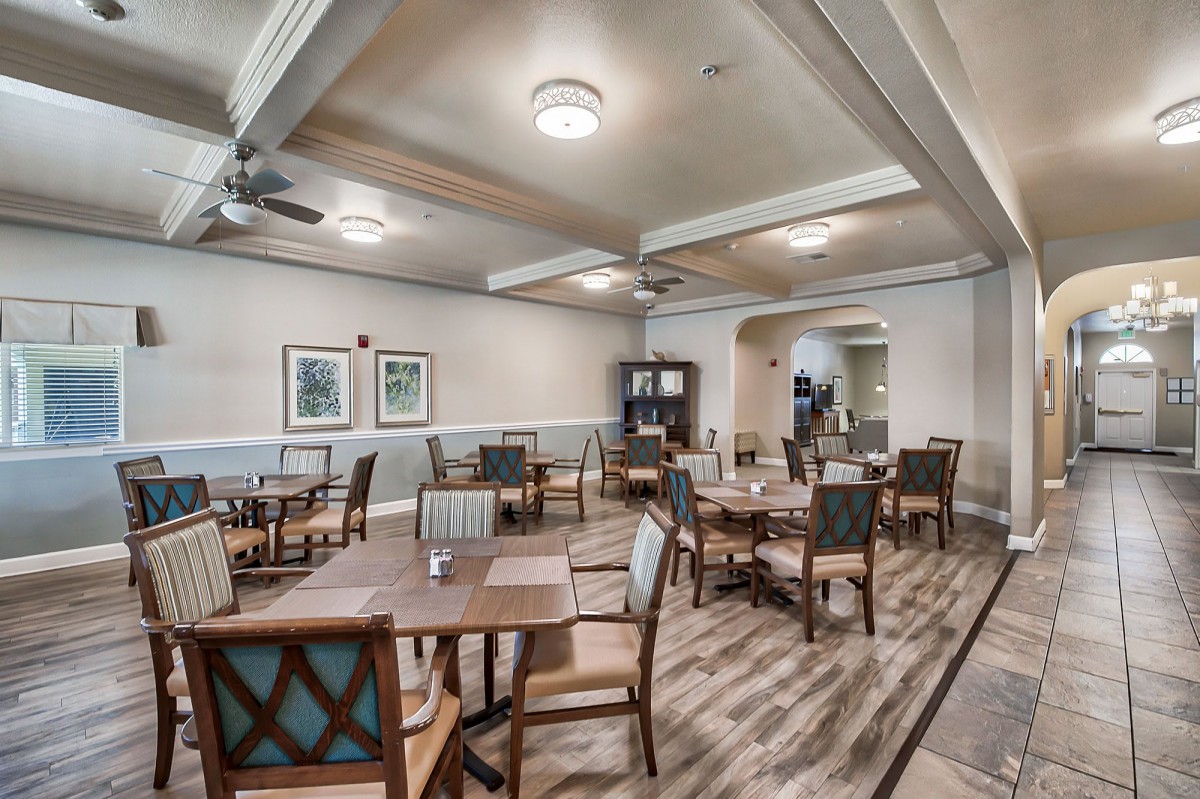
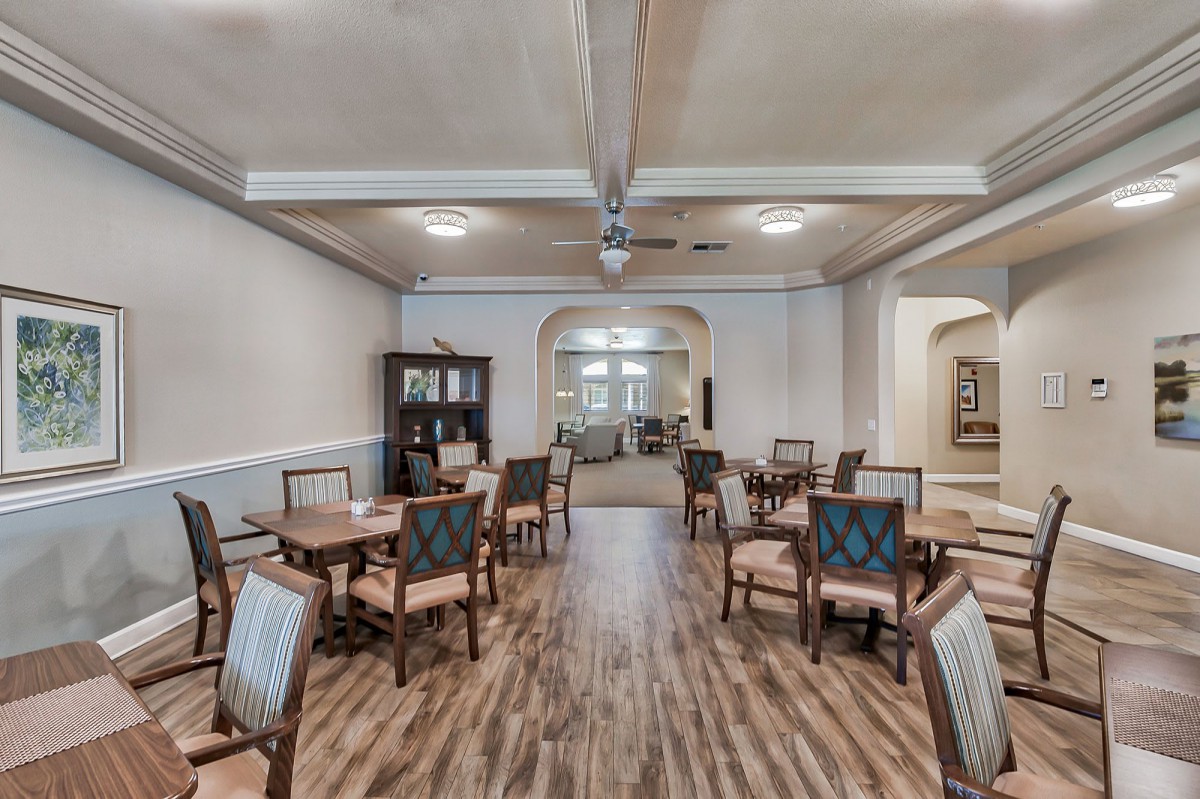
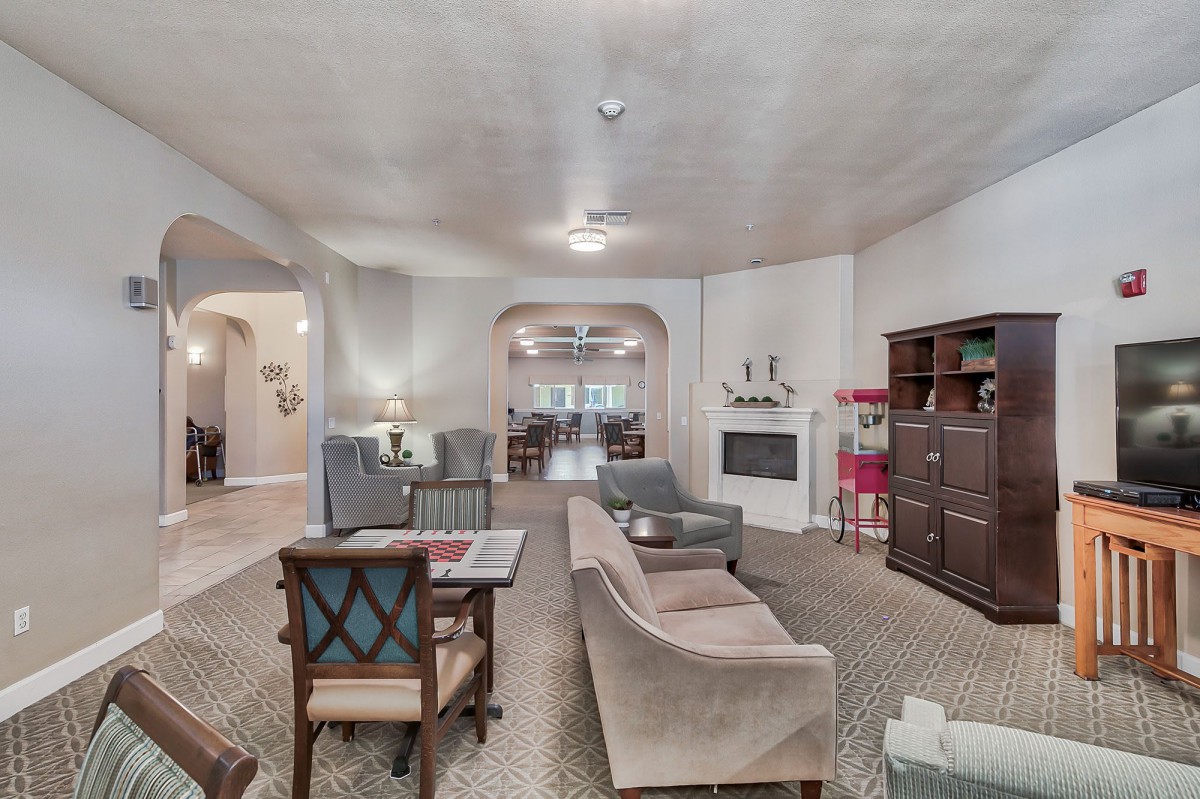
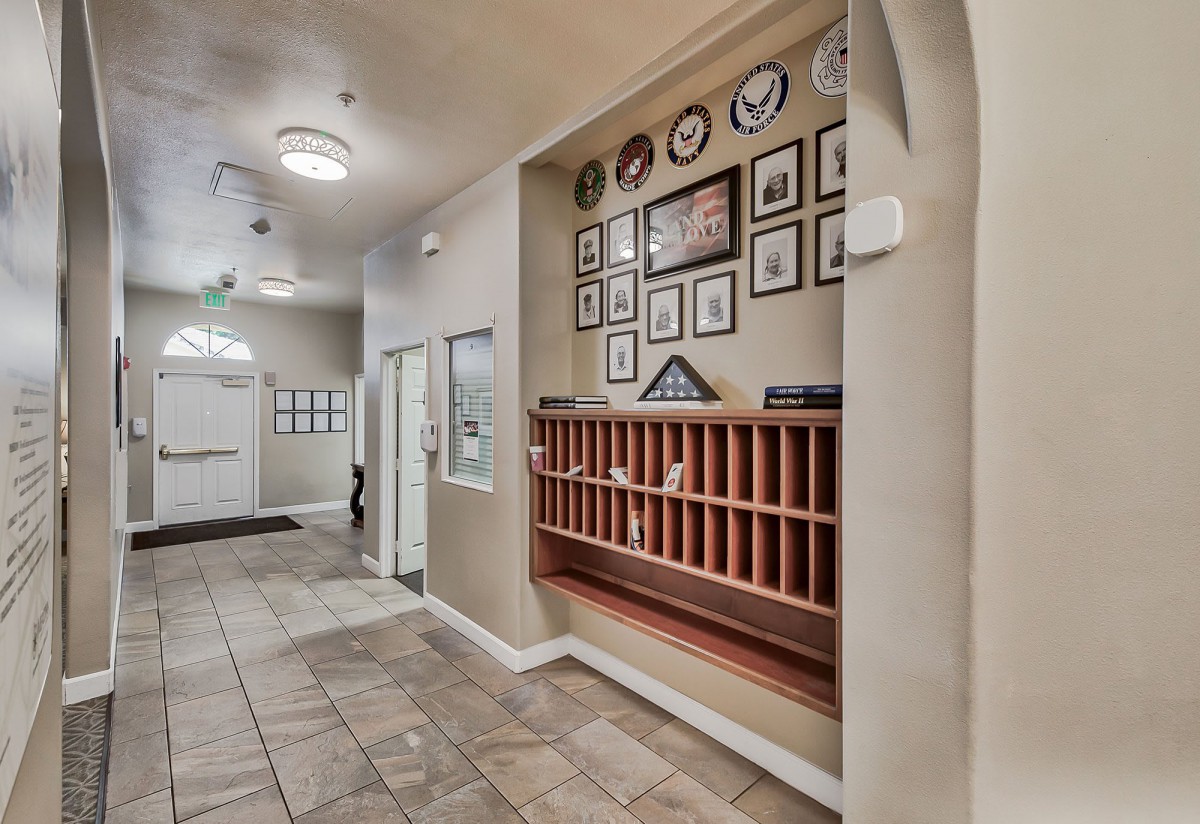
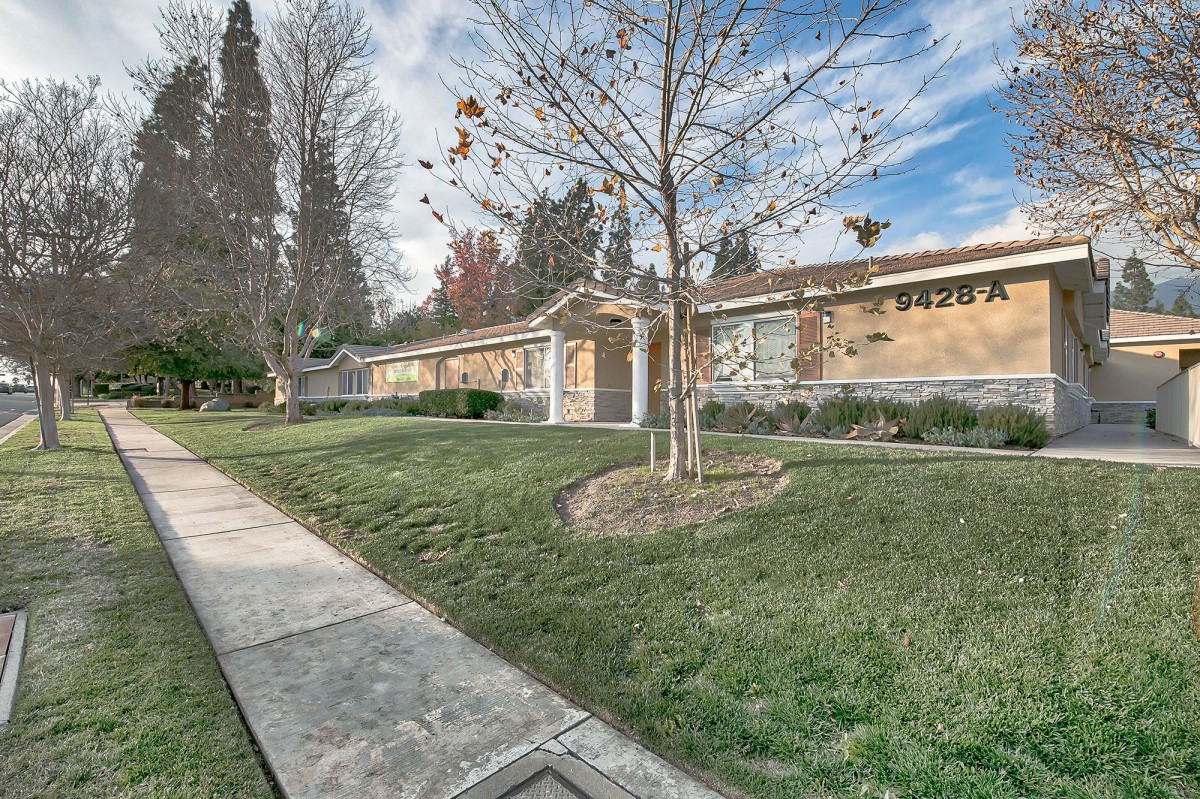
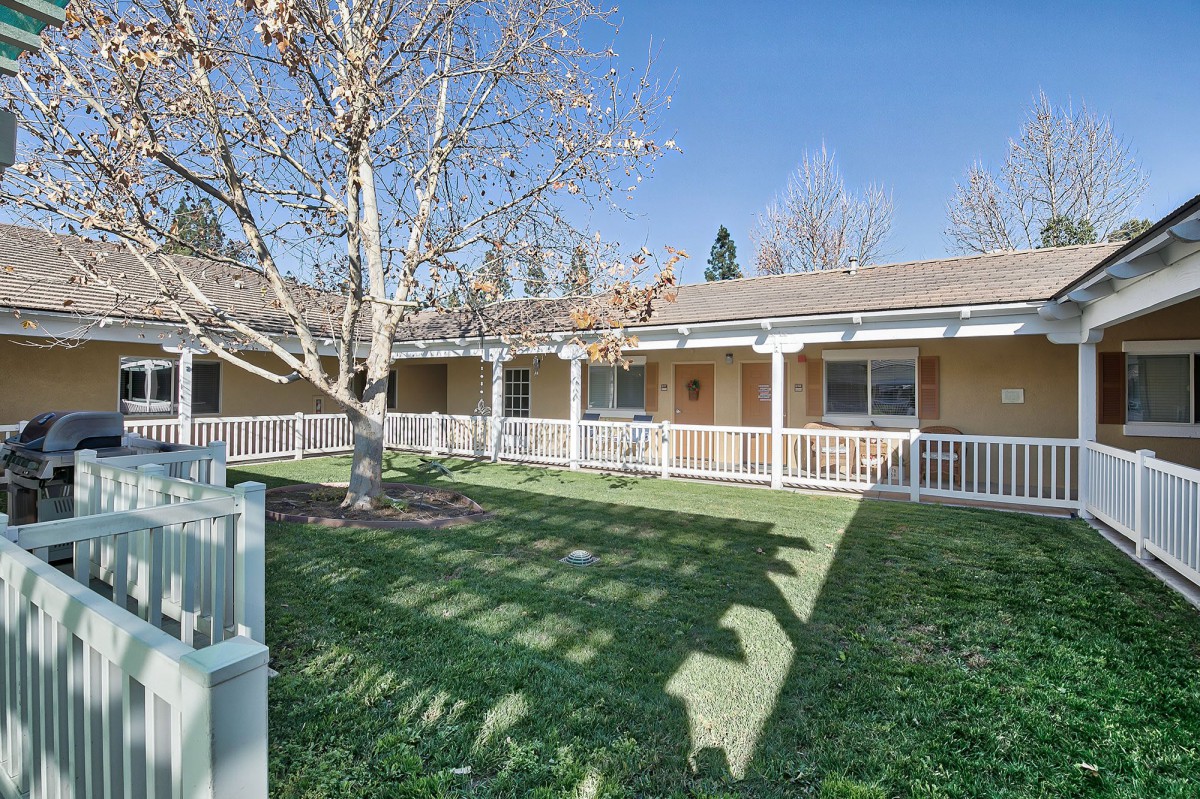
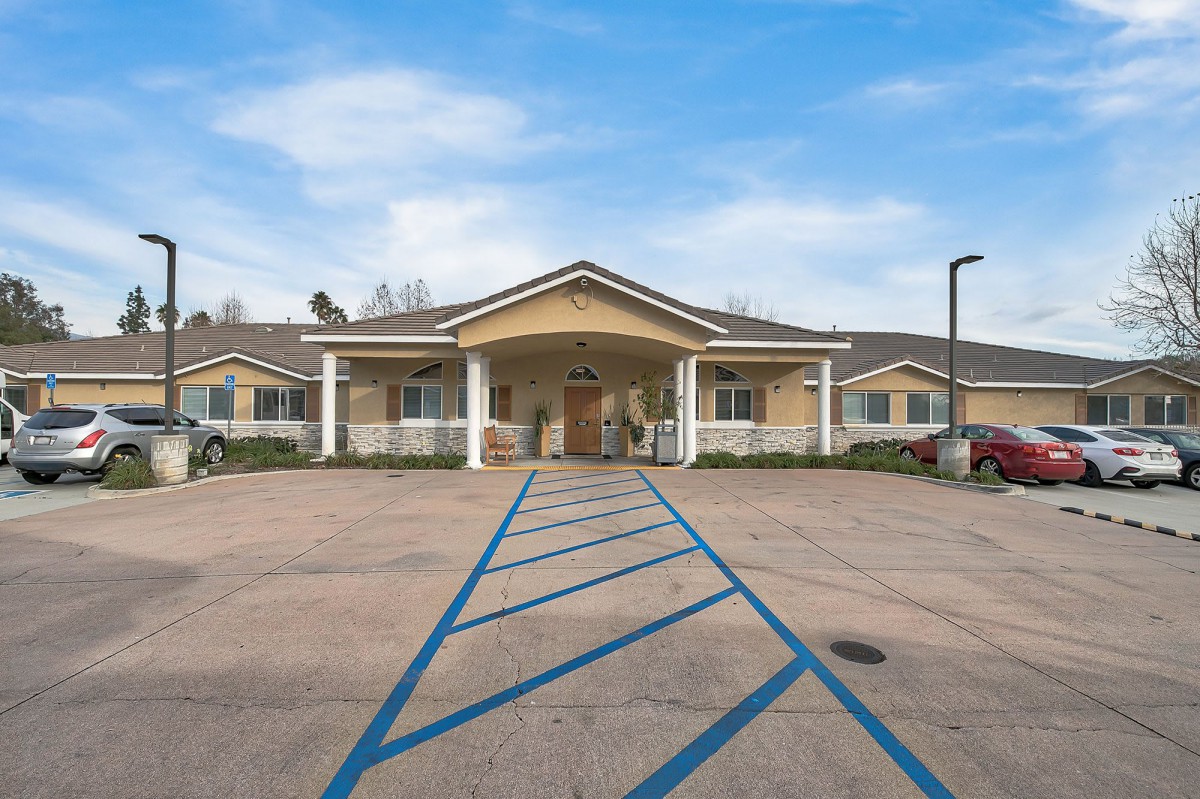
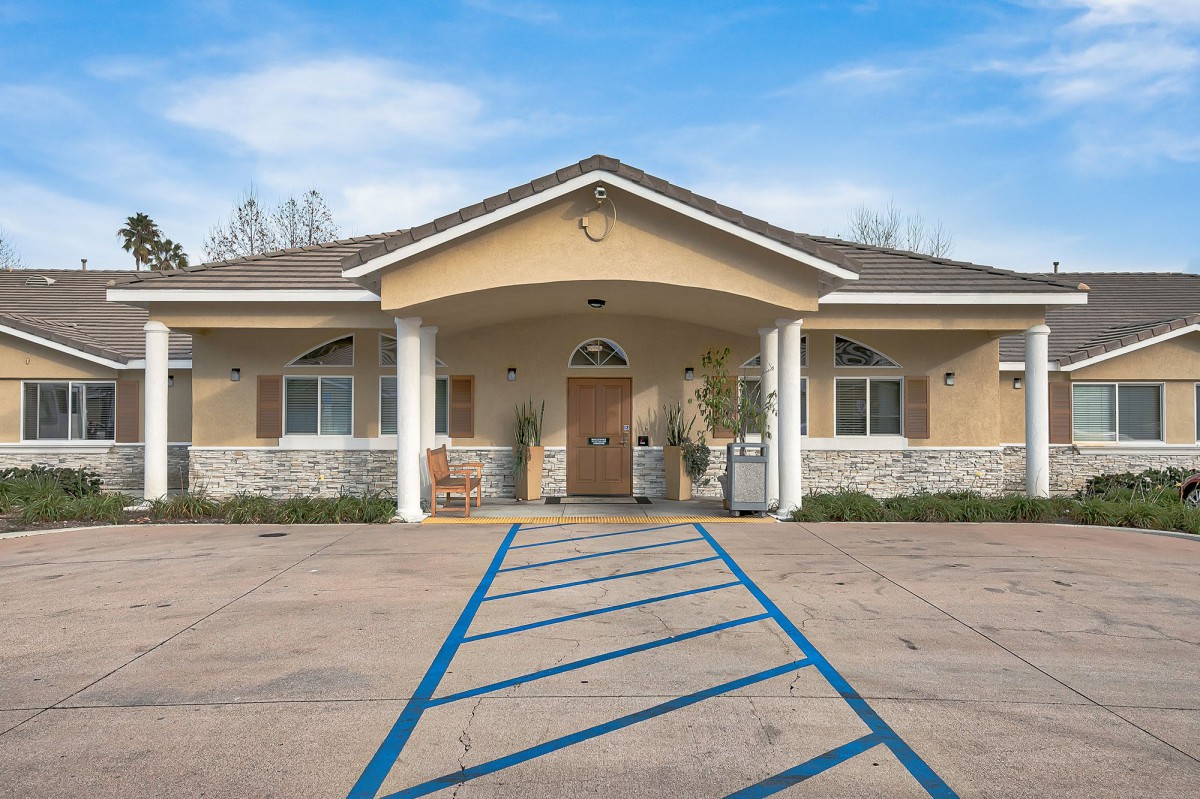
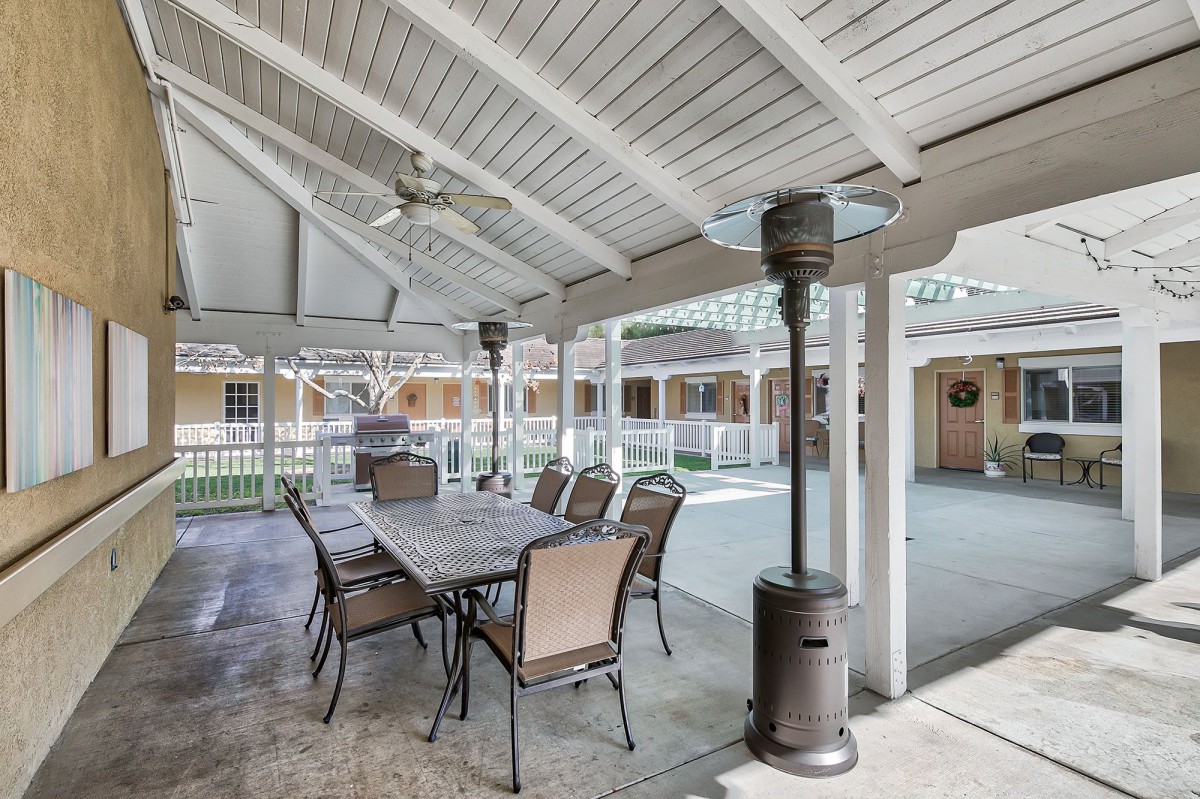
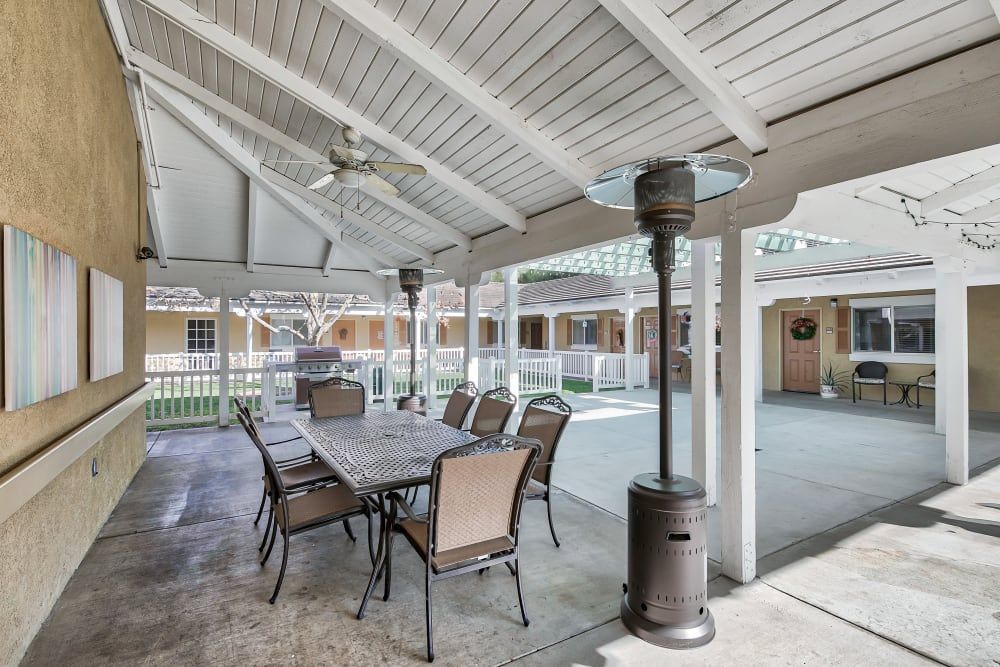
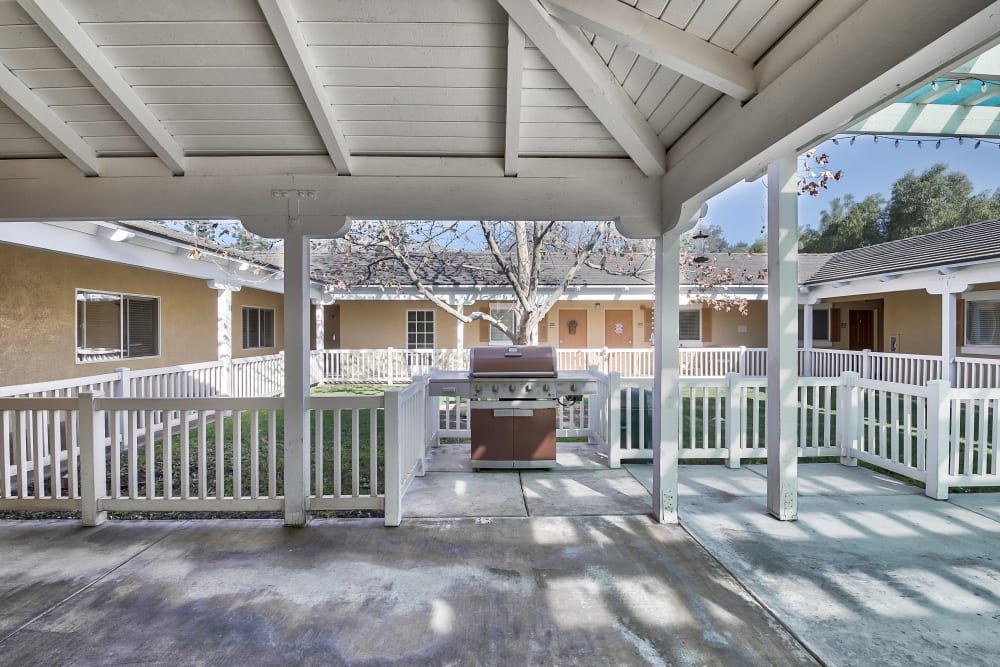
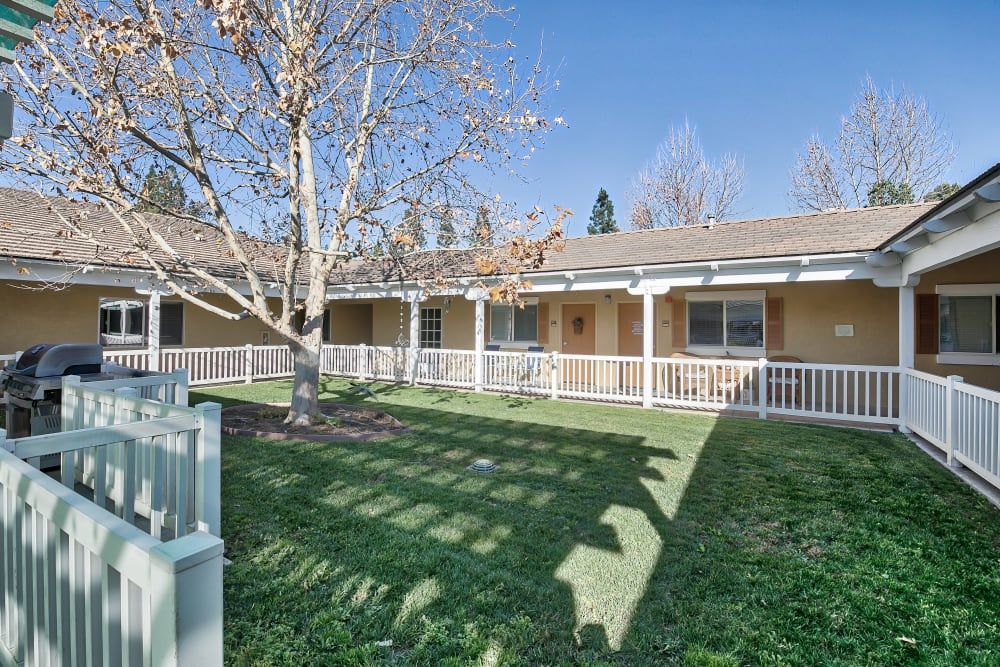
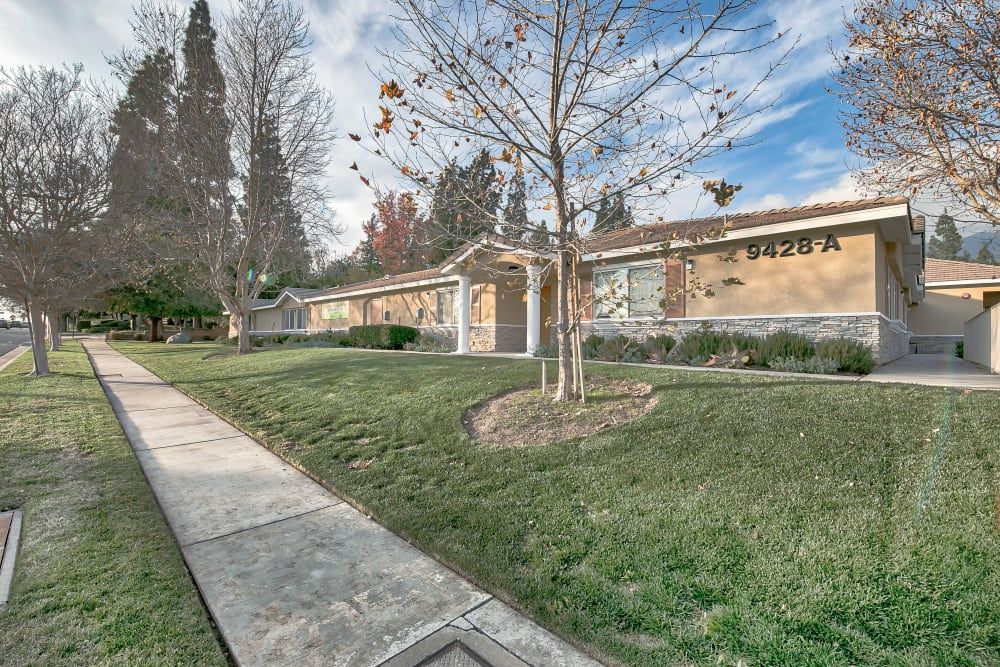
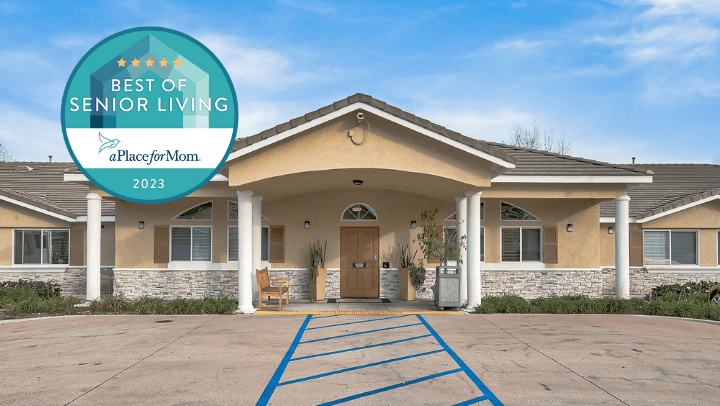
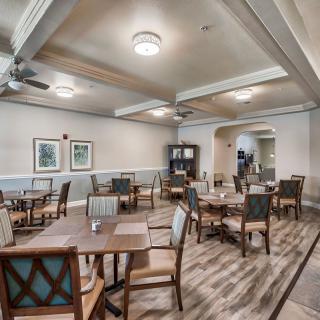
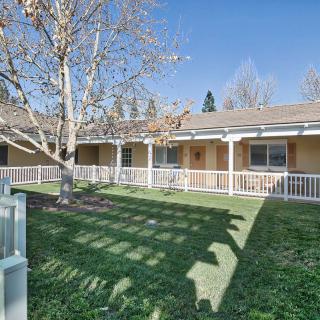
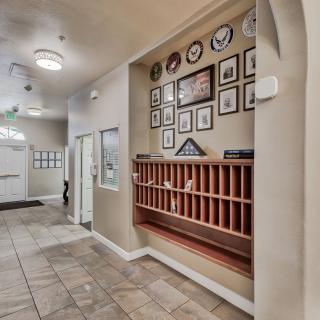
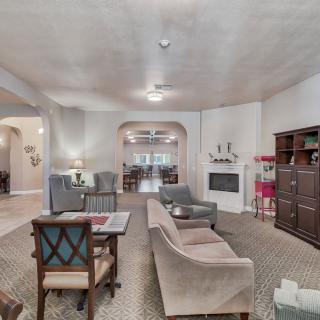
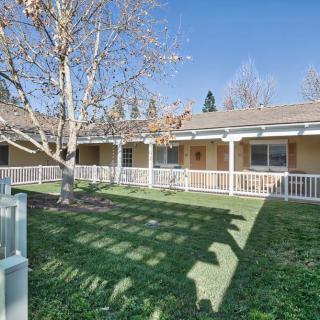
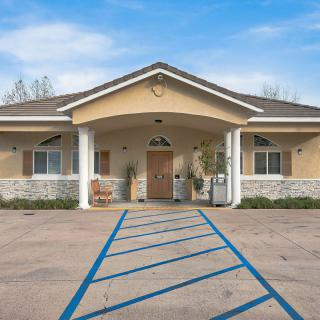
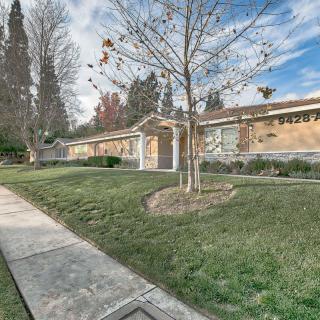
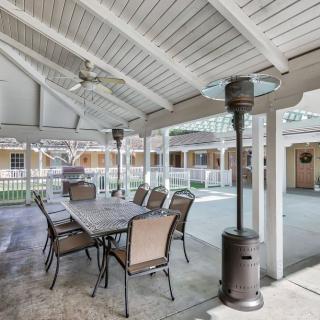
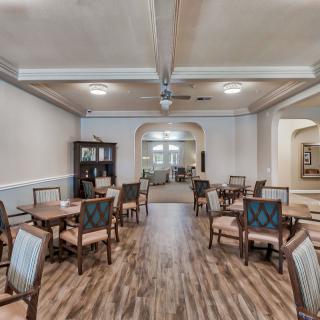
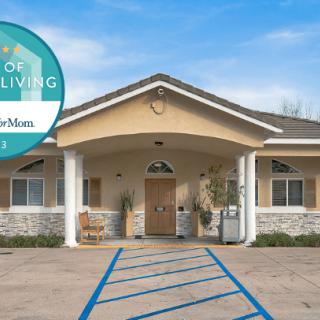
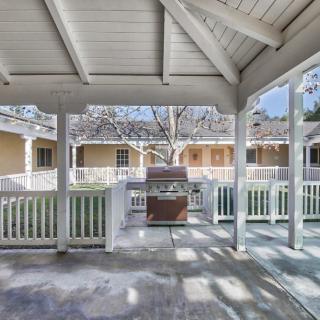
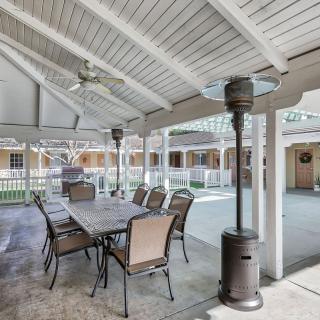
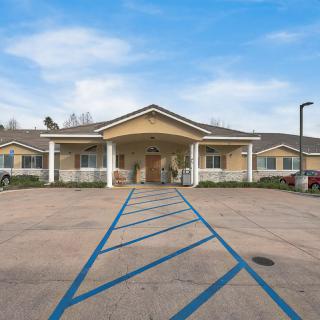
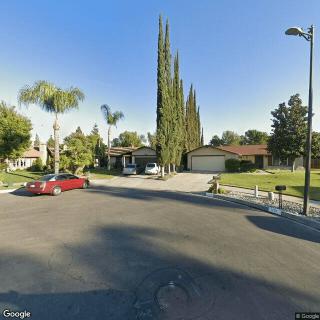
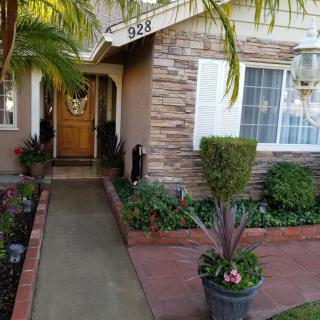
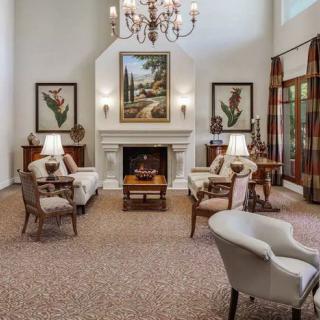
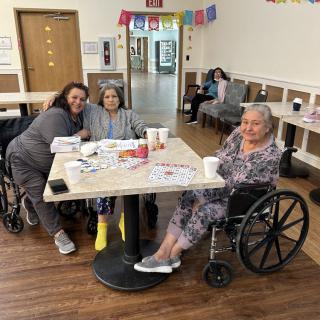
Sunlit Gardens on seniors.fyi includes 16 photos including images showing parking, building, interior, patio, dining, entrance, landscaping, covered area, and more.
Nearby Communities
Allara Senior Living
Rancho Cucamonga, CA
4.7 from 98 reviews
$3,995 to $4,995 / month
Compassionate staff with modern, clean facilities and strong memory-care programming.
Rudolph Hendrickson Apartments for Seniors
Rancho Cucamonga, CA
Strong access to healthcare, dining, parks, and cultural venues nearby.
Paradise For The Elderly 2
Rancho Cucamonga, CA
Comprehensive assisted living with 24-hour supervision, ADL support, diabetes-friendly dining, meal service, transportation, and care coordination.
Genesis Manor VI
Rancho Cucamonga, CA
5 from 16 reviews
$3,600 to $4,200 / month
Bright, clean, home-like setting with attentive staff and home-cooked meals.
Halcyon Place I
Rancho Cucamonga, CA
4.6 from 11 reviews
$2,900 / month
Personable staff with attentive care in a clean, quiet setting.
Ivy Cottage II
Alta Loma, CA
Fully furnished living spaces with personalized care, diabetes-friendly meals, and transportation to medical appointments.
Oakmont of San Antonio Heights
Upland, CA
4.5 from 131 reviews
$4,095 to $7,795 / month
Friendly, engaged staff in a well-maintained, amenity-rich community.
Las Colinas Post Acute
Ontario, CA
2.9 from 117 reviews
Caring staff, engaging activities, and spacious rooms with strong physical therapy.
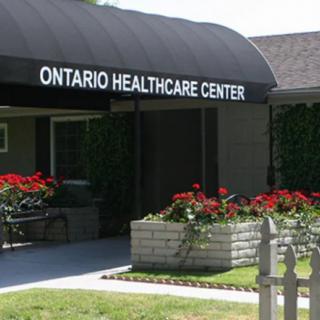
Ontario Healthcare Center
Ontario, CA
4.2 from 52 reviews
Small, clean facility with attentive, personalized care.
"Memory Care Pathways: A Holistic Guide to Dementia Support" outlines the complexities of dementia and its various types, emphasizing early detection, patient-centered care strategies, caregiver support, and long-term care options while addressing legal and financial considerations to enhance the quality of life for individuals with dementia and their families.
Sundown syndrome, or sundowning, is a phenomenon in dementia patients characterized by increased confusion and agitation during late afternoon and evening, influenced by factors like disrupted circadian rhythms and fatigue. Effective caregiver strategies include establishing routines and managing environmental light while addressing caregiver stress through support services.
Delirium is a rapidly onset, reversible cognitive disturbance often caused by acute medical issues, while dementia is a gradual and irreversible decline due to chronic neurodegenerative diseases. Accurate differentiation between the two is essential for appropriate treatment and management in older adults.
Get PricingAsk A QuestionSchedule A TourContact Senior Advisor
By clicking submit, you agree to our Partner's Terms of Use. You
also consent to receive calls and texts, which may be autodialed, from our Partner. Your consent is not a condition to
using our Partner's service. Please visit our Partner's Privacy Policy for information about their privacy practices.


 100 resident community capacity
 Assisted Living
 Memory Care
 Cats allowed
 Dogs allowed
 Activities off-site
 Air-conditioning
 Beautician on-site
 Cable or satellite TV
 Computer center
 Devotional services off-site
 Dining room
 Fitness room
 Fully furnished
 Gaming room
 Garden
 Ground floor units
 Housekeeping services
 Indoor common areas
 Kitchenette
 Move-in coordination
 Outdoor common areas
 Pet friendly
 Private bathrooms
 Respite or short term stays offered
 Restaurant-style dining
 Small library
 Telephone
 Wellness center
 Wheelchair accessible showers
 Wi-Fi/high-speed internet available
 Ontario International (5 miles away)
 Community operated transportation
 12-16 hour nursing
 24-hour call system
 Ambulatory care
 Assistance with bathing
 Assistance with dressing
 Assistance with transfers
 Diabetes diet
 Diabetic care
 Hospice waiver
 Incontinence care
 Medication management
 Mental wellness program
 Special dietary restrictions
 Transportation arrangement (medical)
 Art classes
 Concierge services
 Cooking classes
 Day trips and outings
 Educational speakers / life long learning
 Karaoke
 Live dance or theater performances
 Live musical performances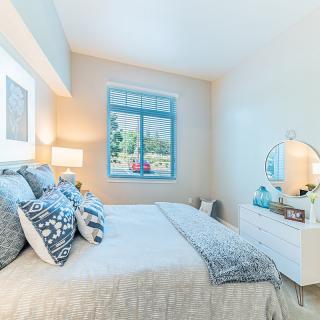
 Compassionate staff with modern, clean facilities and strong memory-care programming.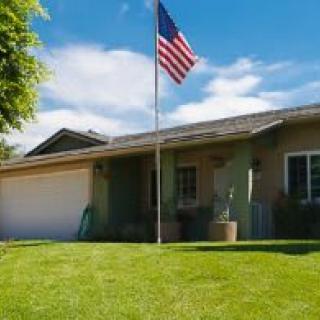
 Memory Care Pathways: A Holistic Guide to Dementia Support
 Comprehending Evening Confusion in Dementia: Causes, Manifestations, and Support
 Delirium and Dementia: Unraveling the Key Differences