
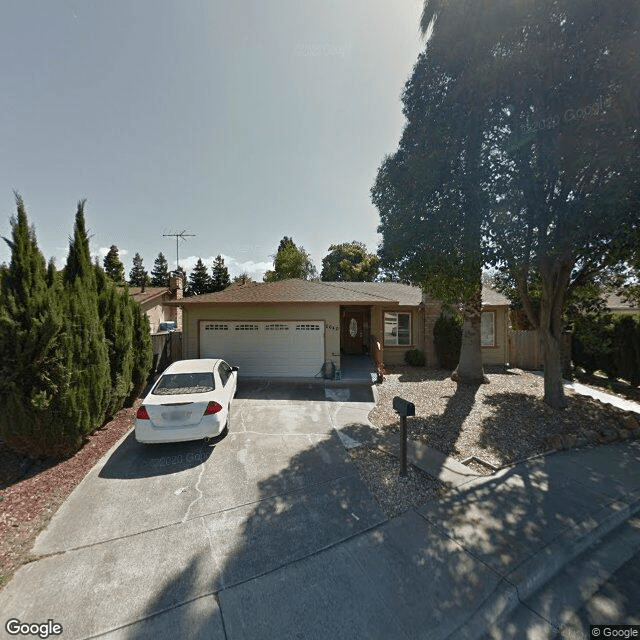
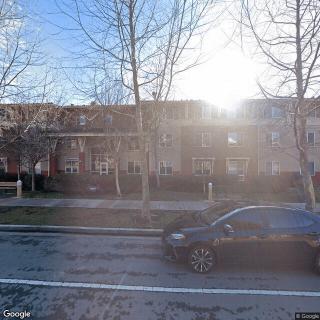
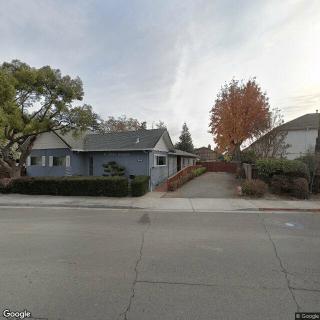
2640 Mallard Court, Union City, CA 94587
To contact a resident: (510) 673-4451
For more information about senior living options: (866) 208-4318
Mallard Court Care Home Costs & Pricing
Mallard Court Care Home offers competitive pricing for its residential care services, particularly when compared to the averages in Alameda County and across California. For a semi-private room, Mallard Court charges $2,000 per month, significantly lower than the county rate of $3,273 and the state average of $3,333. Similarly, their private room option at $3,000 also undercuts both local and statewide averages of $3,748 and $3,939 respectively. This makes Mallard Court not only an appealing choice for families seeking quality care but also a financially prudent one in comparison to other facilities in the region.
| Floor plans | Mallard Court Care Home | Alameda County | California |
|---|---|---|---|
| Semi-Private | $2,000 | $3,273 | $3,333 |
| Private | $3,000 | $3,748 | $3,939 |
Senior living communities with a similar price nearby
-
About the same
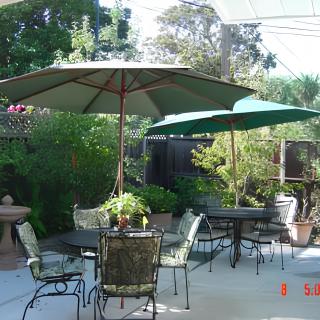
Sunny Orchard Place
$1,995 to $3,700 / month16.1 miles away -
from +$300 / mo
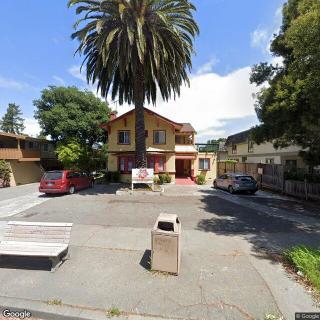
Jla Healthcare Services
$2,300 to $3,200 / month17.7 miles away -
from +$222 / mo
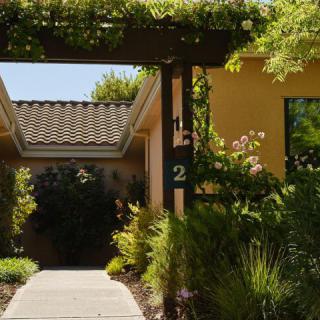
The Forum At Rancho San Antonio
$2,222 / month17.6 miles away -
About the same

Cogir of Fremont
$1,950 to $3,495 / month3.7 miles away -
About the same
Heritage Hills
$2,000 to $3,800 / month20.2 miles away
Overall Review of Mallard Court Care Home
Pros
 Romel and the staff provided excellent care by addressing the father's needs.
- This attentive care decreased the father's agitation, allowing him to relax.
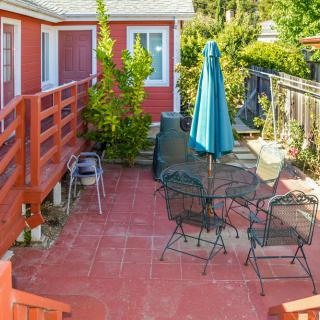
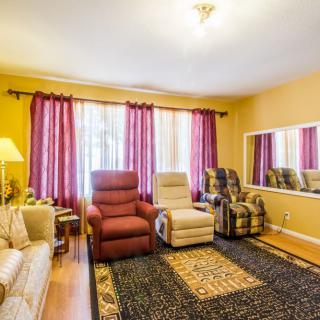
- The home is clutter-free, clean, neat, well maintained, and every room has access to the backyard.
- The staff are very kind, and the facility is clean, welcoming, and accommodating.
- The care and love shown in the father's final days were deeply appreciated.
Cons
 The father wasn't getting proper care at another facility near St. Therese Care Home II.
Review
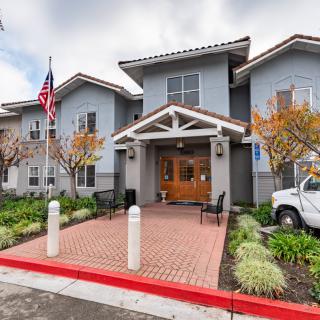
Mallard Court Care Home in Union City is best suited for families seeking a calm, clean, home-like assisted living environment where staff attentiveness, a clutter-free setting, and easy outdoor access anchor daily life. The available testimonials point to the power of a responsive care team: when needs are addressed promptly, residents tend to settle and experience less agitation. One account describes a resident who moved from a neighboring facility and found relief as Romel and the staff addressed his needs, helping him relax in a tidy, orderly home. The environment described, clear, well-maintained spaces with every room opening to a backyard, signals a level of order and safety many families prize. For seniors who want predictable routines in a warm, residential setting, Mallard Court appears to offer a convincing match.
However, there are clear reasons some families should consider alternatives. The two positive reviews highlight kindness, cleanliness, and accommodation, but they do not reveal depth of medical nursing coverage, memory-care capabilities, or robust programming for complex conditions. Families facing advanced dementia, frequent medical procedures, or the need for around-the-clock nursing oversight should compare facilities with dedicated memory-care wings or higher-acuity nursing teams. If transportation to appointments, structured therapeutic activities, or highly specialized dietary management are priorities, other options may deliver more consistent coverage. The small sample means performance could shift as resident needs evolve, so verification is essential.
On the strength side, the core asset is a compassionate, responsive staff capable of addressing needs promptly, reducing distress, and helping residents relax. Clean, welcoming spaces described as clutter-free and well maintained contribute to dignity and safety, while easy backyard access adds tangible benefits for mood and engagement. An accommodating approach from the staff minimizes friction during daily routines, medication administration, and care tasks. When warmth, predictability, and a tidy physical environment align, families gain confidence that daily life for a loved one will feel stable rather than clinical. Taken together, these features create meaningful value that can offset concerns about care pace or impersonal institutional settings.
The practical implications of these strengths matter in everyday decision-making. A clean, well-kept space lowers housekeeping burdens and reduces risks associated with clutter, while a straightforward layout supports navigation and fall prevention. Outdoor access through a backyard invites fresh air and gentle activity, contributing to overall well-being. A staff ethos that prioritizes accommodation and responsiveness builds trust, eases transitions, and smooths caregiving tasks. For families, such alignment translates into clearer expectations about daily life, social interaction, and the consistency of routines. In essence, Mallard Court shows the kind of quiet reliability that many seniors and families rely on when choosing a long-term home.
Given the small number of published experiences, due diligence remains essential. Prospective residents should request current staffing ratios, the level of nursing care available on-site, and how care plans are coordinated with medical providers. Inquire about memory-care options, meal variety and dietary accommodations, activity calendars, and transportation for appointments or social events. Speak with current residents or their families about daily routines, response times, and any challenges. Compare with nearby options that offer more explicit dementia programming, higher-acuity care, or different pricing structures. The goal is to ensure the setting truly matches medical needs, personal rhythms, and family expectations before committing.
In sum, Mallard Court Care Home presents a practical, well-structured option for seniors who prize a tidy, welcoming, staff-driven environment with straightforward access to outdoor space. It is especially well-suited for residents who thrive on consistent caregiving, predictable routines, and a home-like atmosphere where staff responsiveness can meaningfully reduce agitation and stress. Those requiring intensive medical oversight, complex wound care, or specialized memory care should explore alternatives that advertise such capabilities. For families ready to verify fit, tours, conversations with caregivers, and a careful review of care plans will yield a clear picture of whether Mallard Court aligns with the resident’s needs and the family’s expectations. A careful, informed decision should center safety, dignity, and sustained quality of life.
 Board and Care Home
 Private
 Metropolitan Oakland International (14 miles away)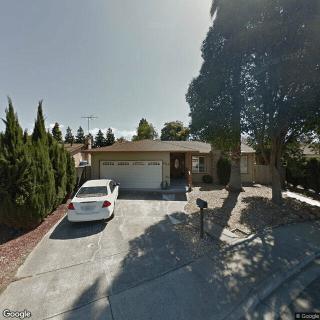


 Understanding the Nuances of Palliative Care and Hospice: A Comprehensive Exploration
 Fecal Incontinence in Older Adults: A Comprehensive Guide
 Recognizing the Journey: Understanding and Navigating Anticipatory Grief