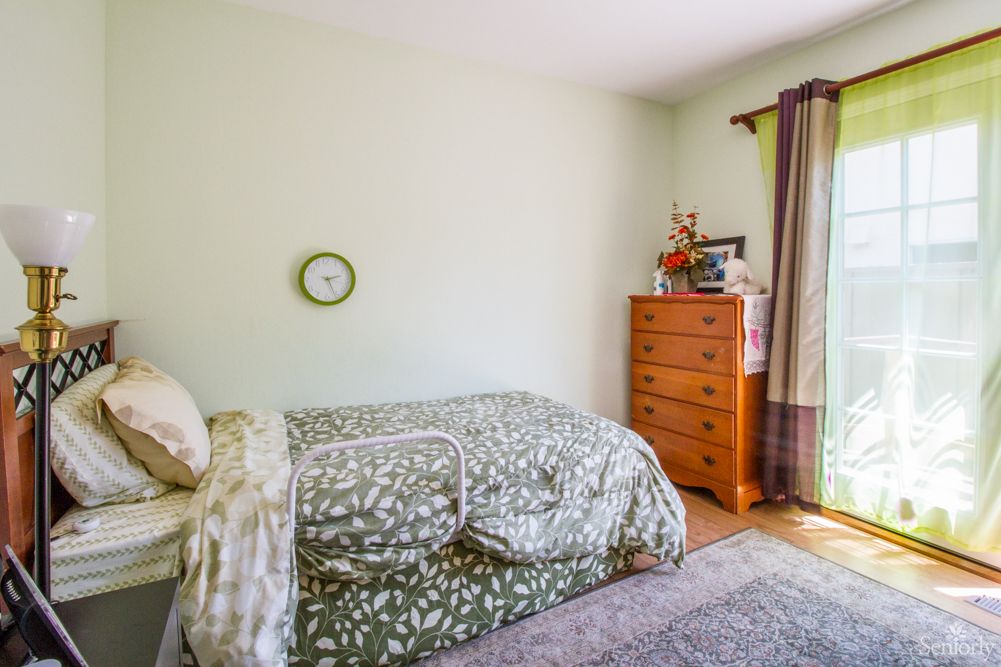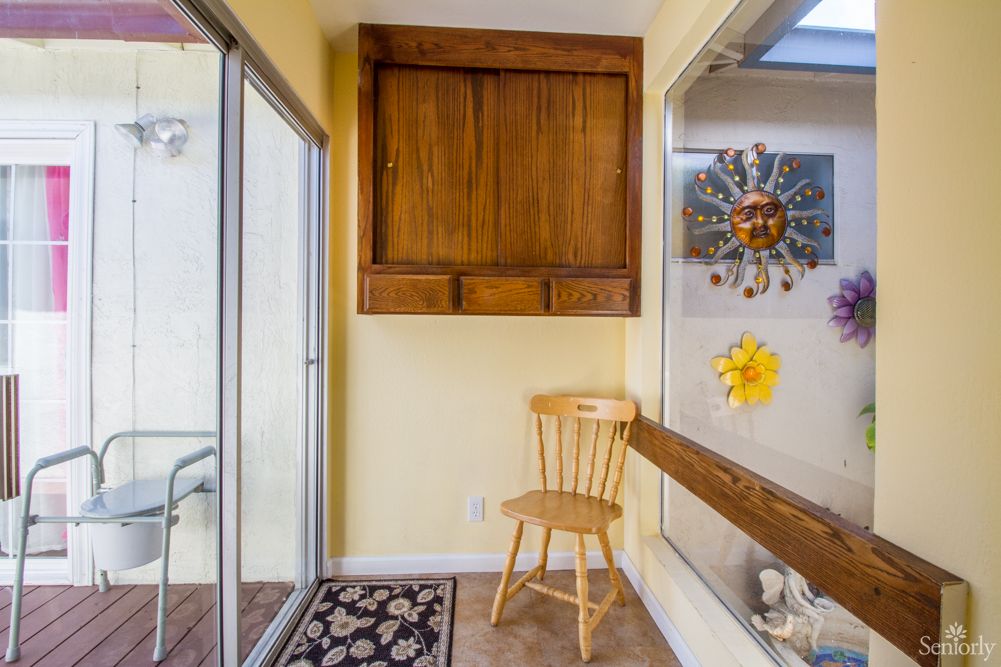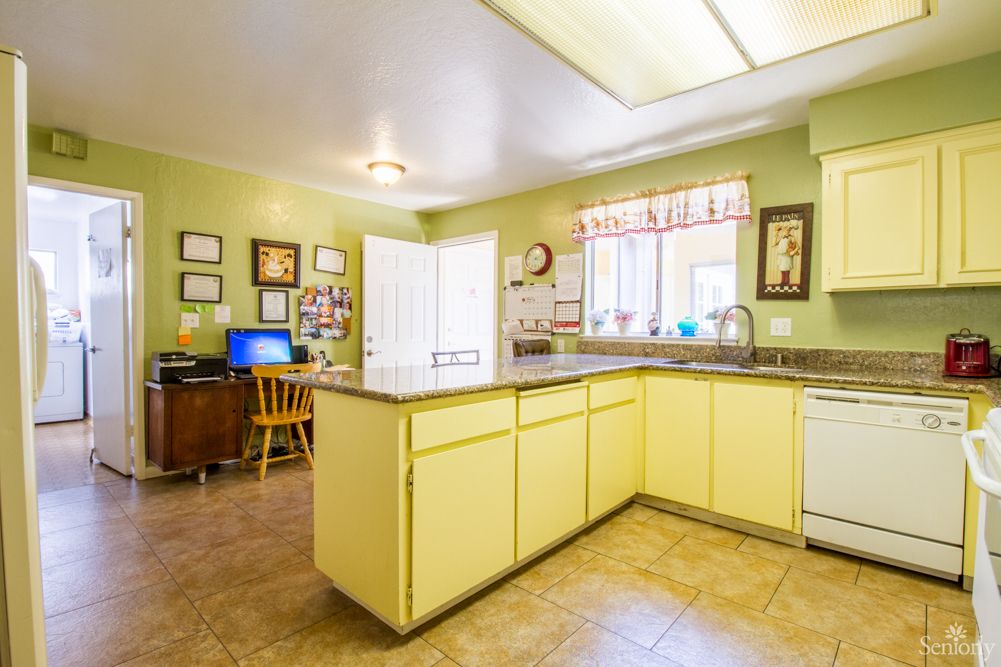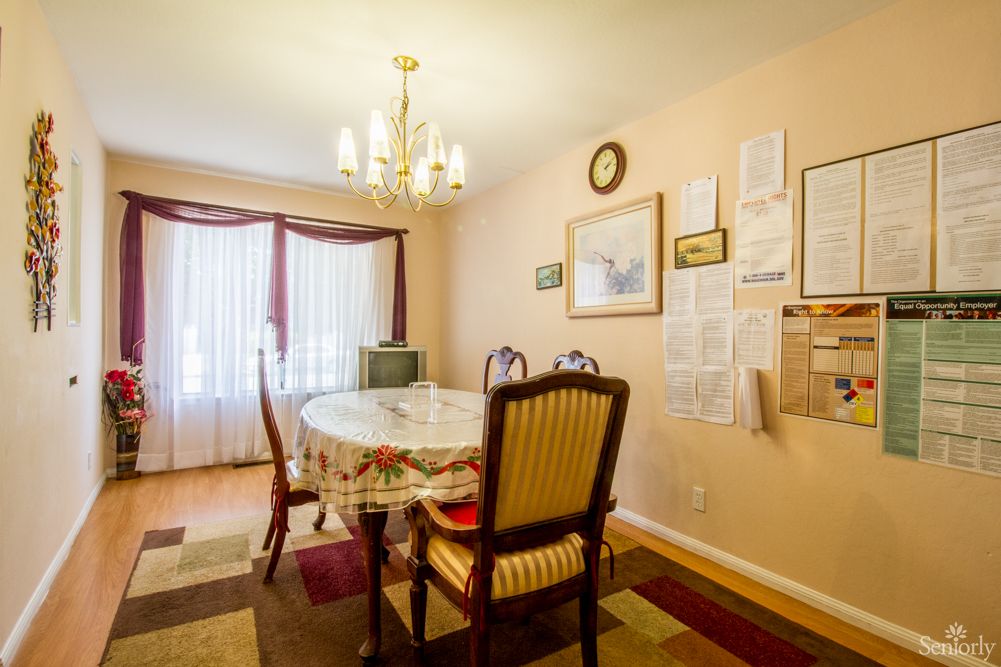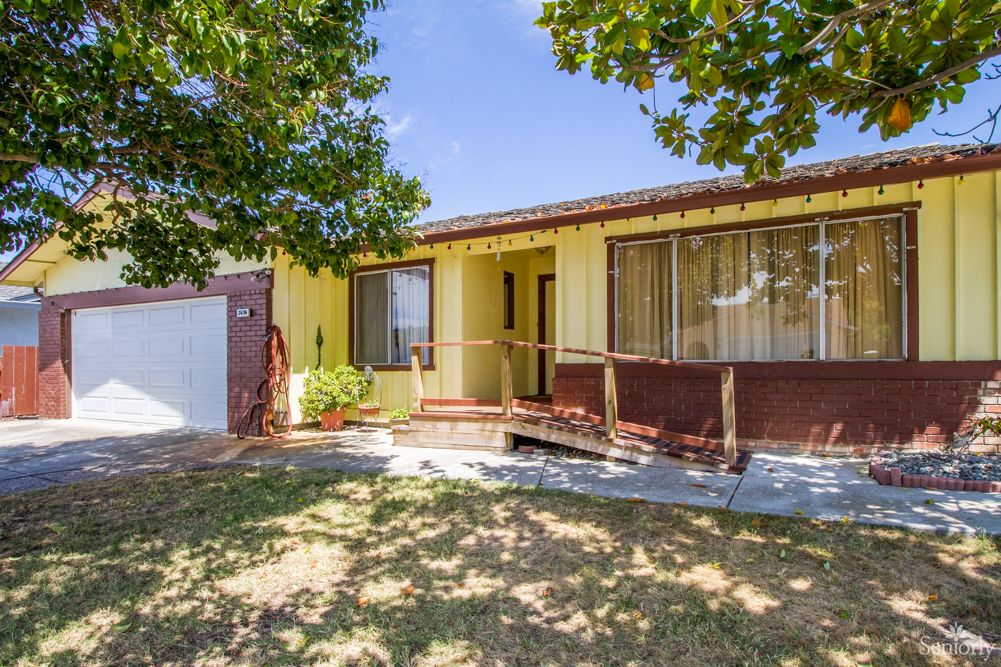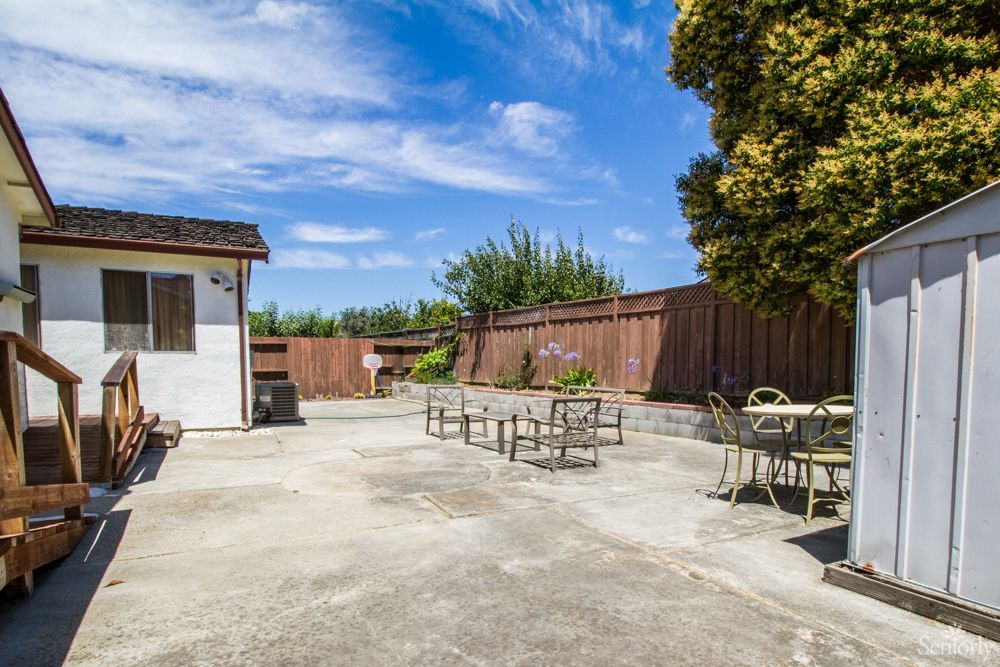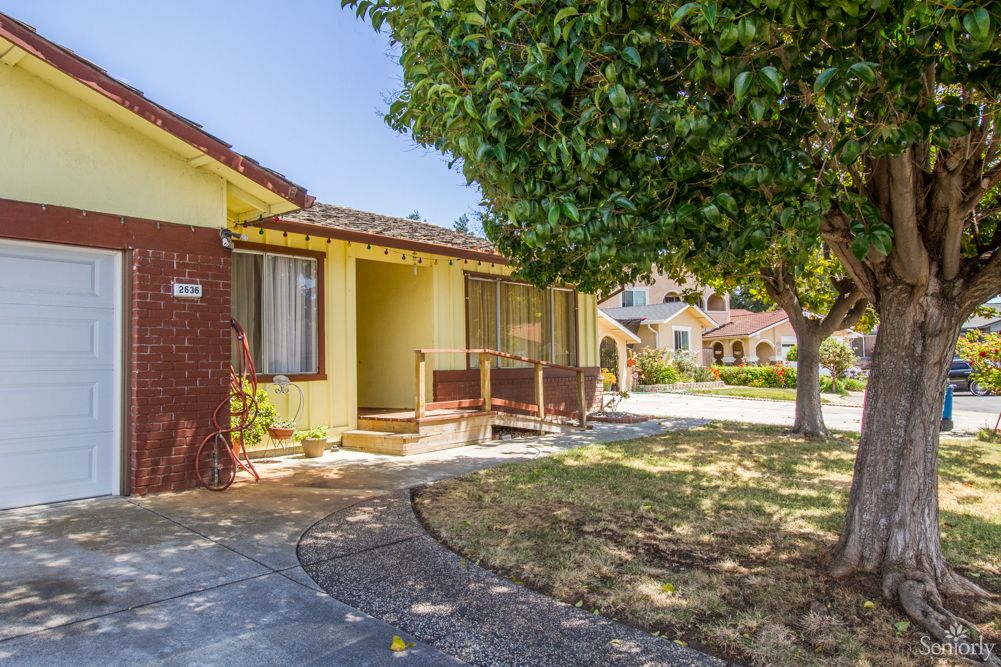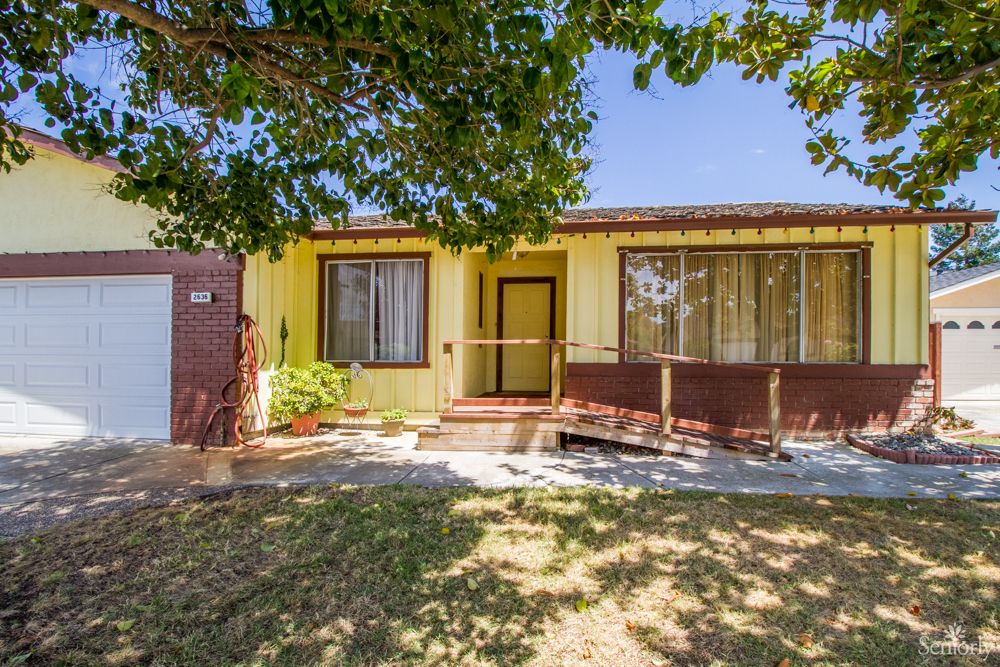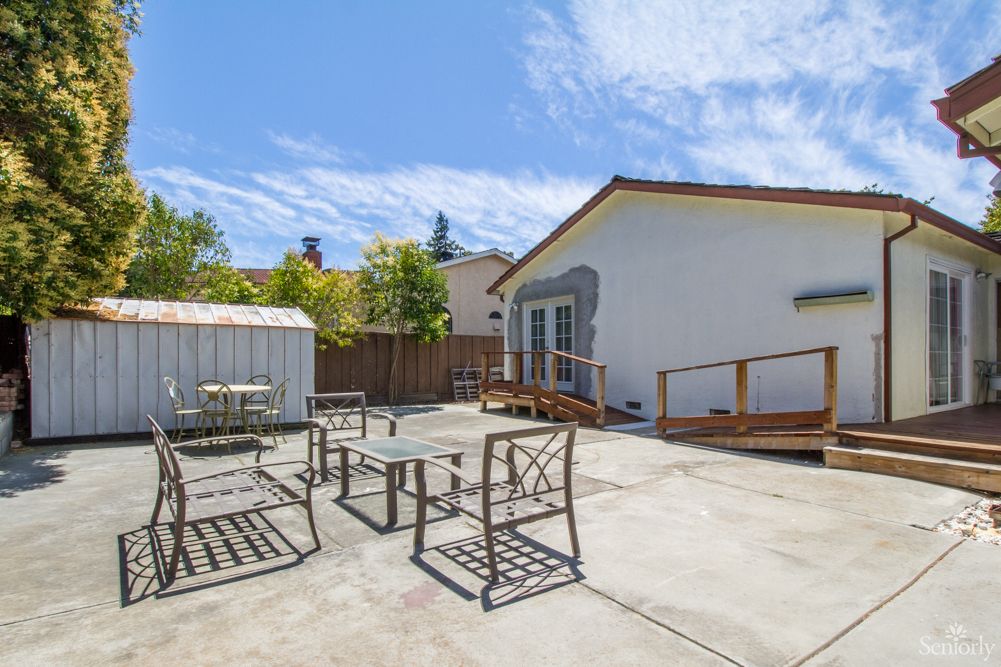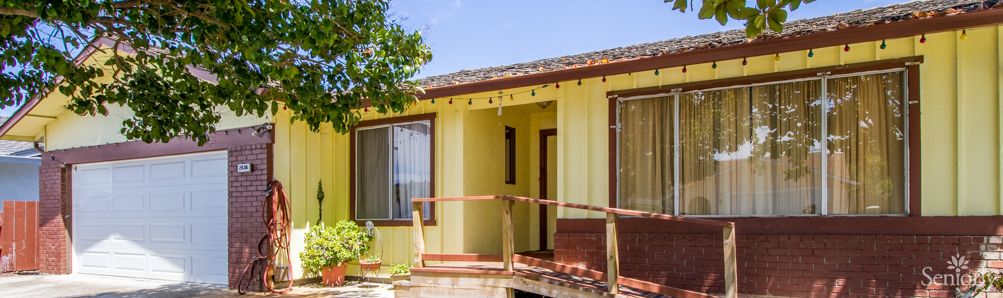
2636 Nevada Street, Union City, CA 94587
For more information about senior living options: (866) 208-4318
Ageway Boarding Care 3 Costs & Pricing
Ageway Boarding Care 3 offers competitive pricing for its services compared to the broader market in Alameda County and California. For a semi-private room, residents can expect to pay $4,500 per month, which is notably higher than the county average of $3,273 and the state average of $3,333. In terms of private accommodations, the monthly cost rises to $5,500 - again above both local and statewide averages of $3,748 and $3,939 respectively. While Ageway Boarding Care 3's rates exceed those of many alternatives in the region, they may reflect a commitment to quality care and enhanced services that prospective residents might find valuable.
| Floor plans | Ageway Boarding Care 3 | Alameda County | California |
|---|---|---|---|
| Semi-Private | $4,500 | $3,273 | $3,333 |
| Private | $5,500 | $3,748 | $3,939 |
Assisted Living communities with a similar price nearby
-
from +$500 / mo
Blessing Home
$5,000 to $6,000 / month9.2 miles away -
from -$500 / mo
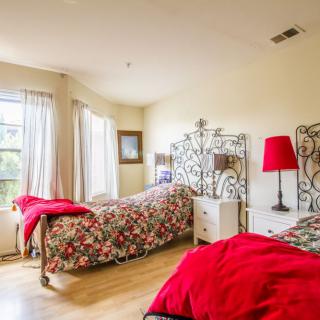
Golden Age Of Channing Way
$4,000 to $5,000 / month16.0 miles away -
About the same
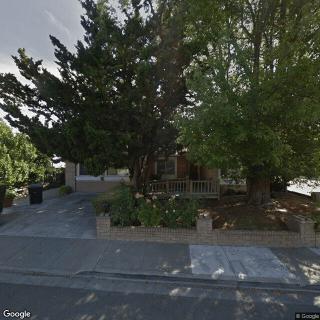
Pleasanton Senior Care Villa
$4,500 / month9.0 miles away -
from -$500 / mo
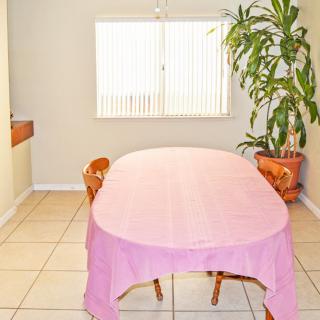
Grace Garden
$4,000 to $5,000 / month21.6 miles away -
About the same
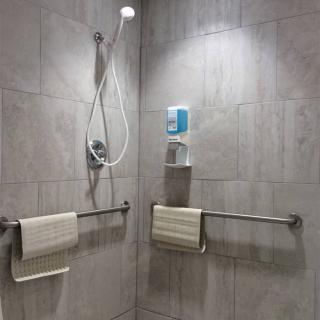
Milan Villa Senior Living
$4,600 to $9,200 / month15.1 miles away
Overall Review of Ageway Boarding Care 3
Pros
 The facility is clean and well maintained, with residents kept groomed.
- The owner/manager is attentive and responsive to requests.
- The staff are friendly, kind, and caring.
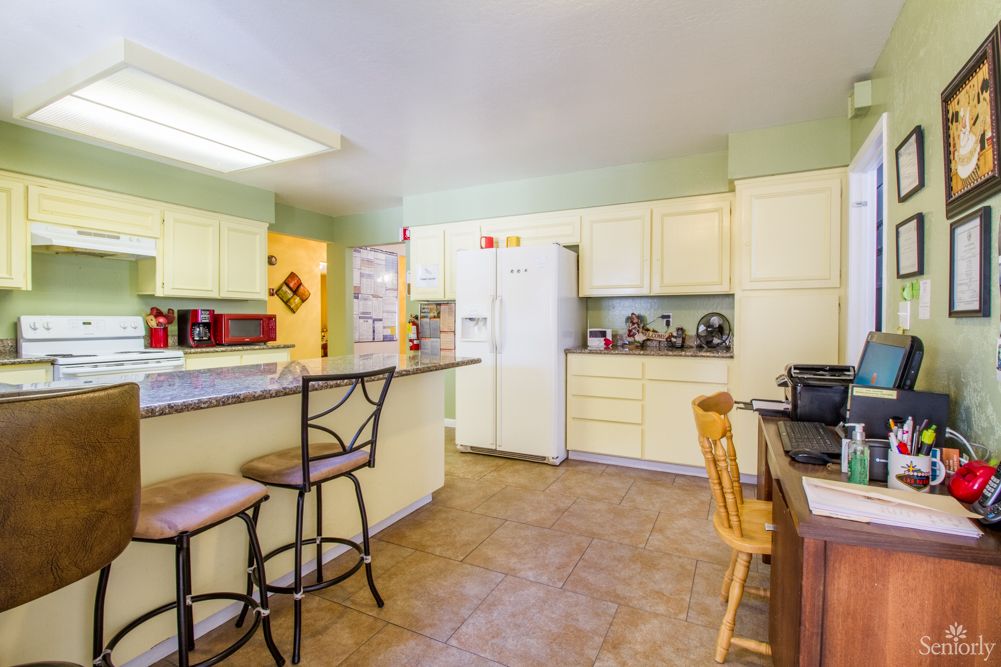
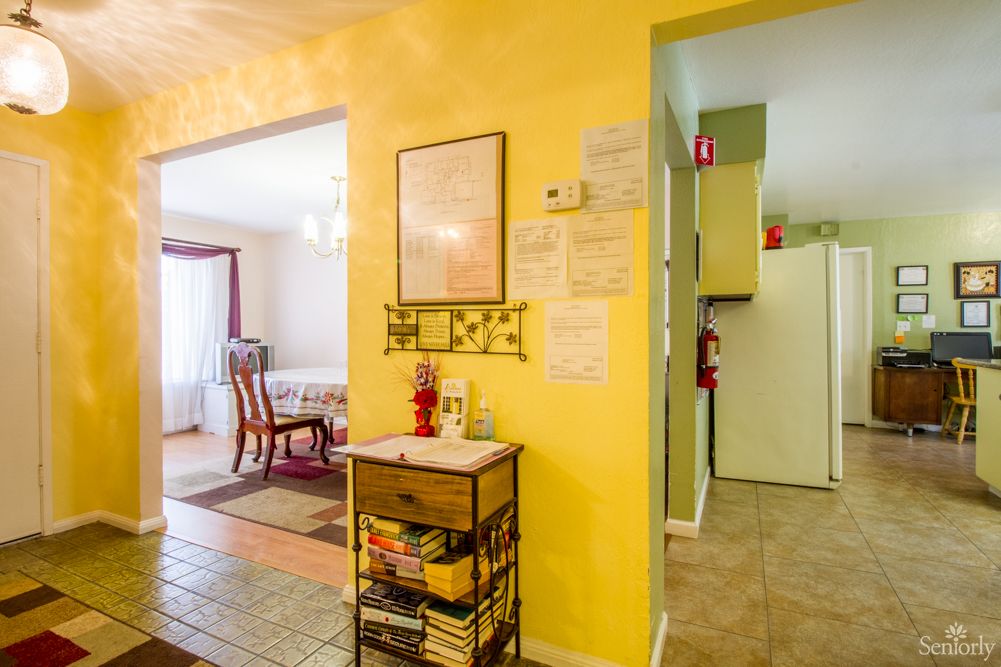
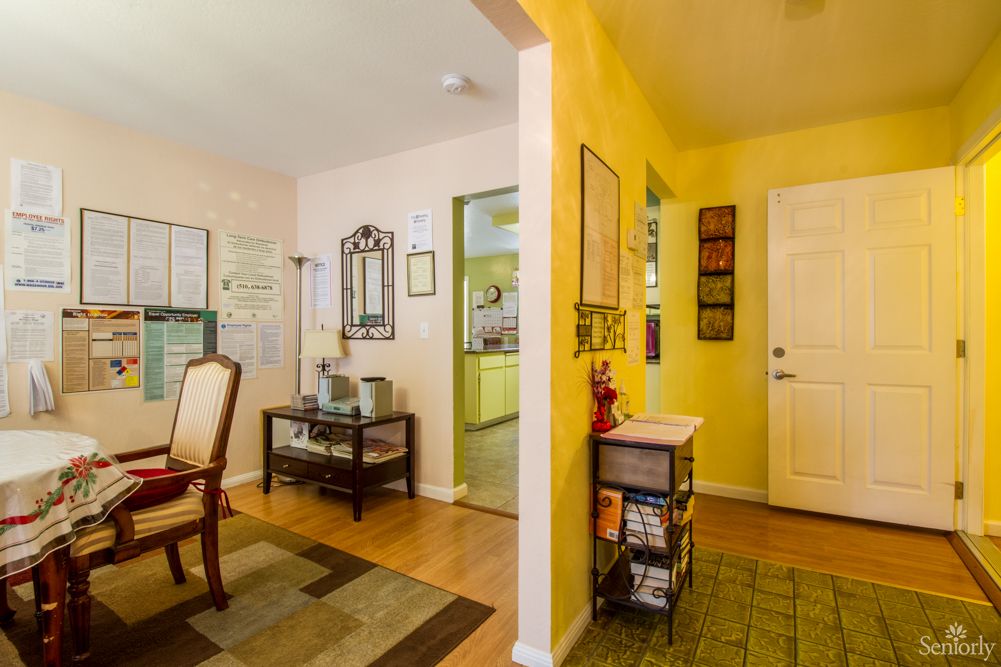
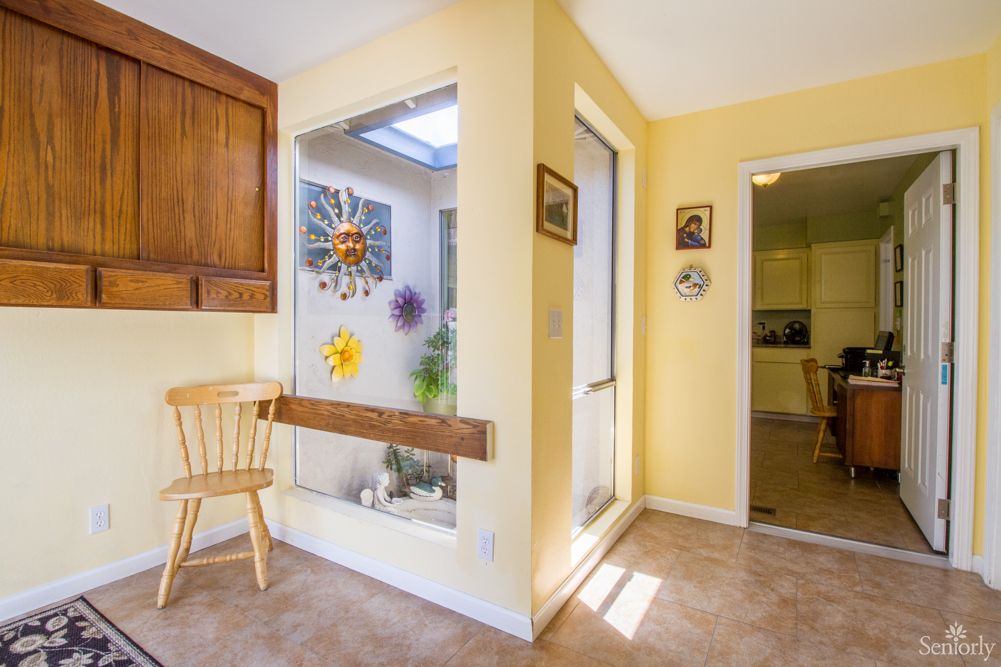
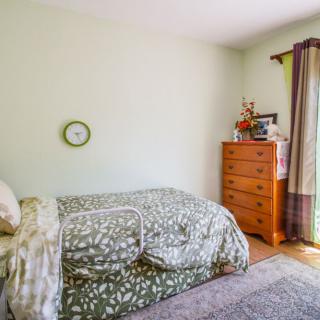
- The environment feels homey and not institutional.
- Caregivers provide excellent, around-the-clock care, including dressing and bathing residents.
- The meals are nourishing and the menu is good.
Cons
 Communication with some caregivers is hindered by language barriers.
- He is not happy with the cooking.
- The cost is very high with no explanation of added value.
- The staff member did not seem interested in helping.
Review
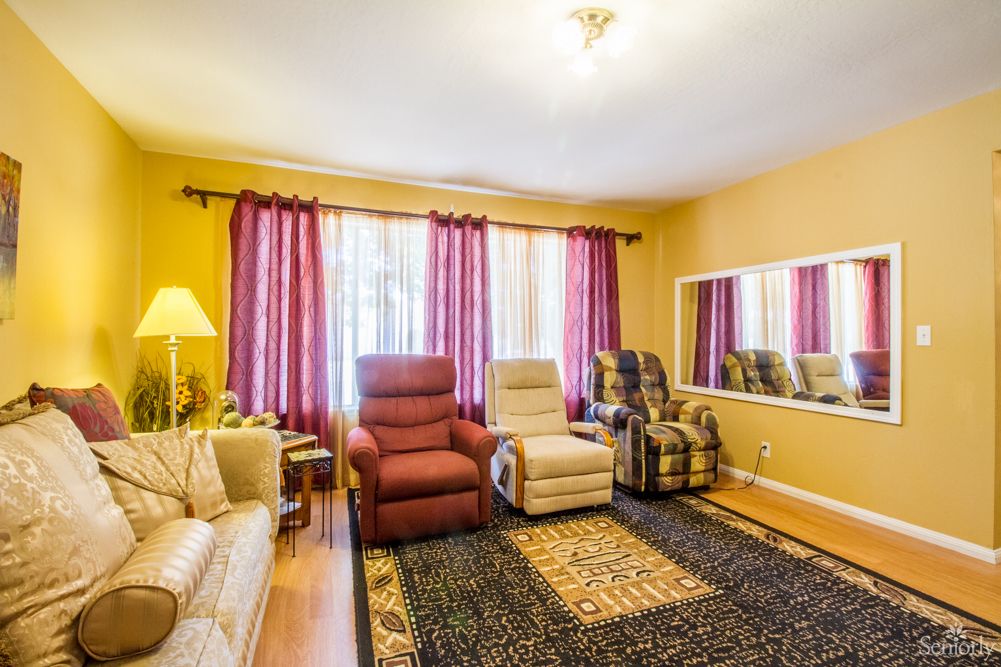
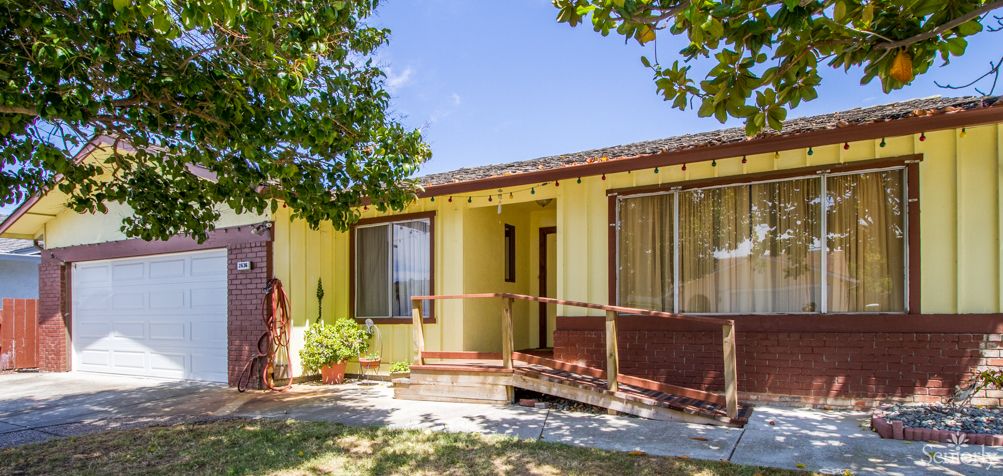
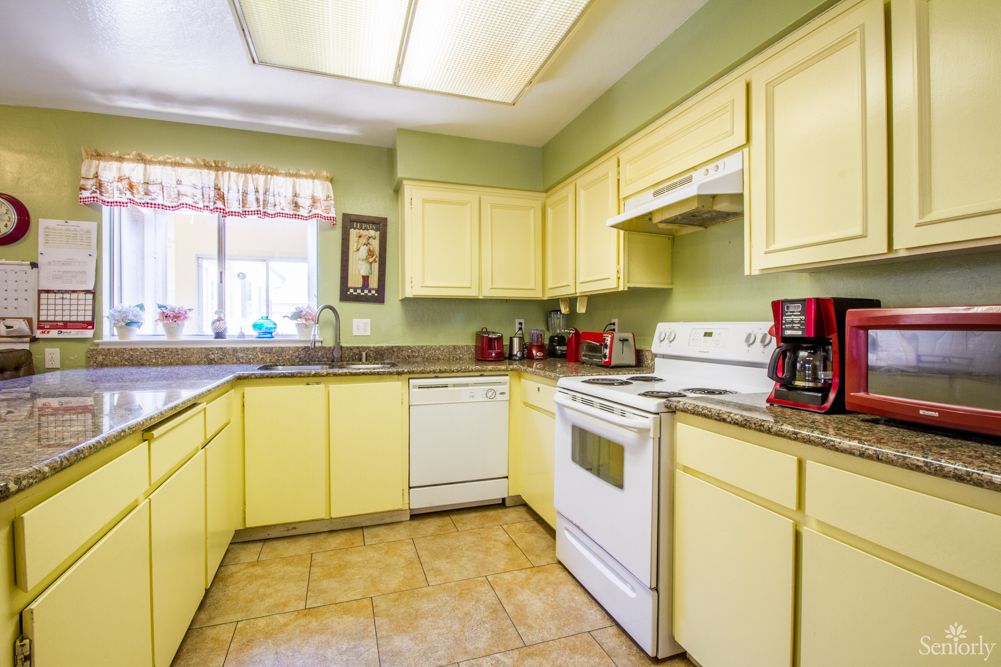
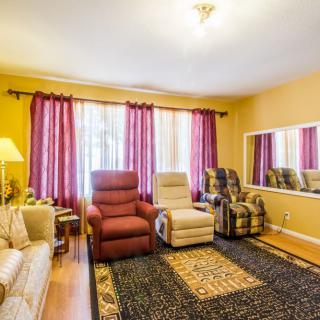
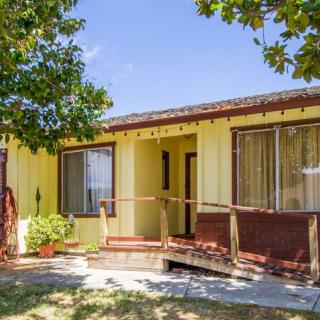
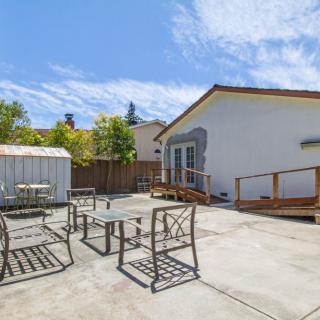
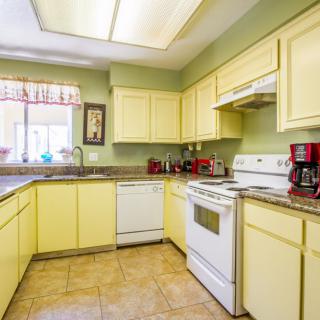
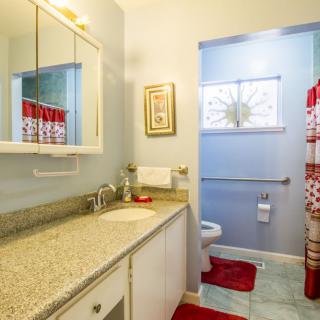
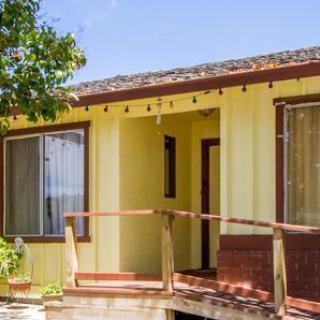
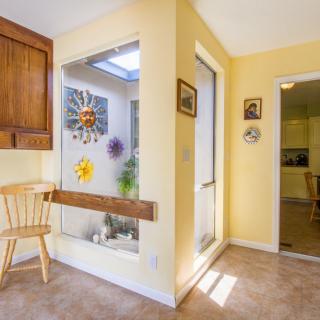
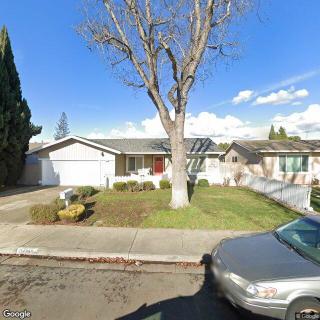
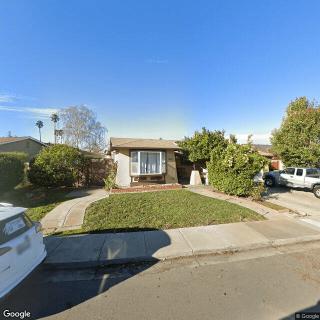
Ageway Boarding Care 3 in Union City is best suited for families seeking a small, home-like boarding care option where staff deliver hands-on, personalized daily care in a quiet, residential setting. The converted-house environment, with 24-hour caregiving coverage, translates into reliable safety, steady grooming, and a reassuring level of attention for residents who value routine, regular meals, and a non-institutional vibe. This is the kind of place where staff seem to know residents well, and where the atmosphere feels more family-like than clinical, which matters for seniors who respond to familiarity and consistent caregiving rhythms.
For families weighing alternatives, the most salient considerations are cost transparency and communication support. Those who need clear, itemized pricing and a thorough explanation of what added value justifies the expense may want to shop around. Likewise, if language fluency and easy back-and-forth with caregivers are non-negotiable, or if a resident requires more structured programming, higher levels of medical oversight, or broader meal and activity options, a larger assisted living setting or a facility with dedicated memory care might be a better fit. In short, value clarity and communication ease can be the decisive factors driving a move elsewhere.
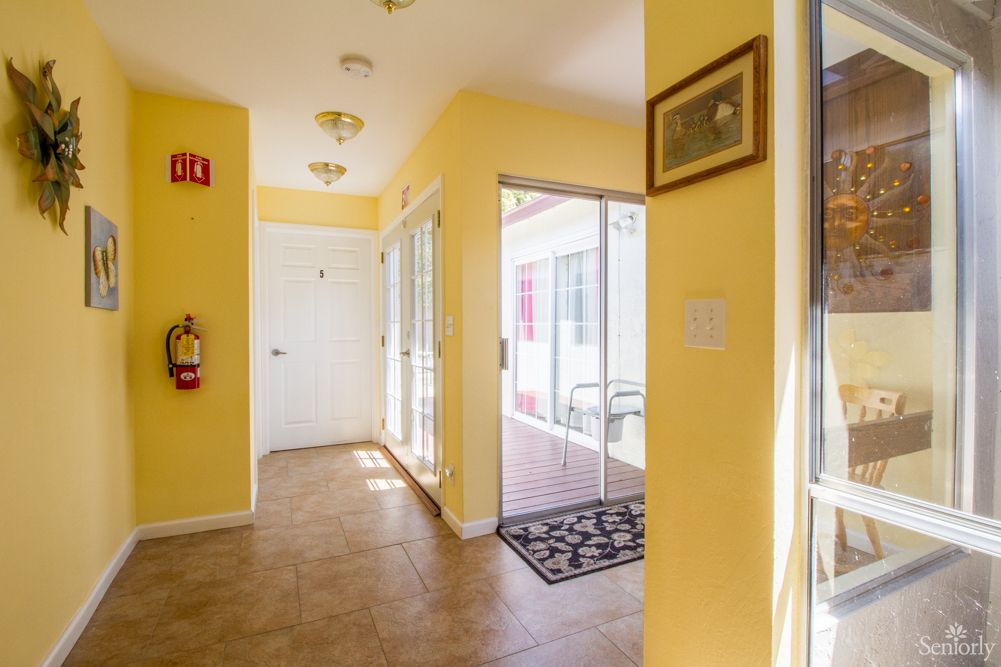
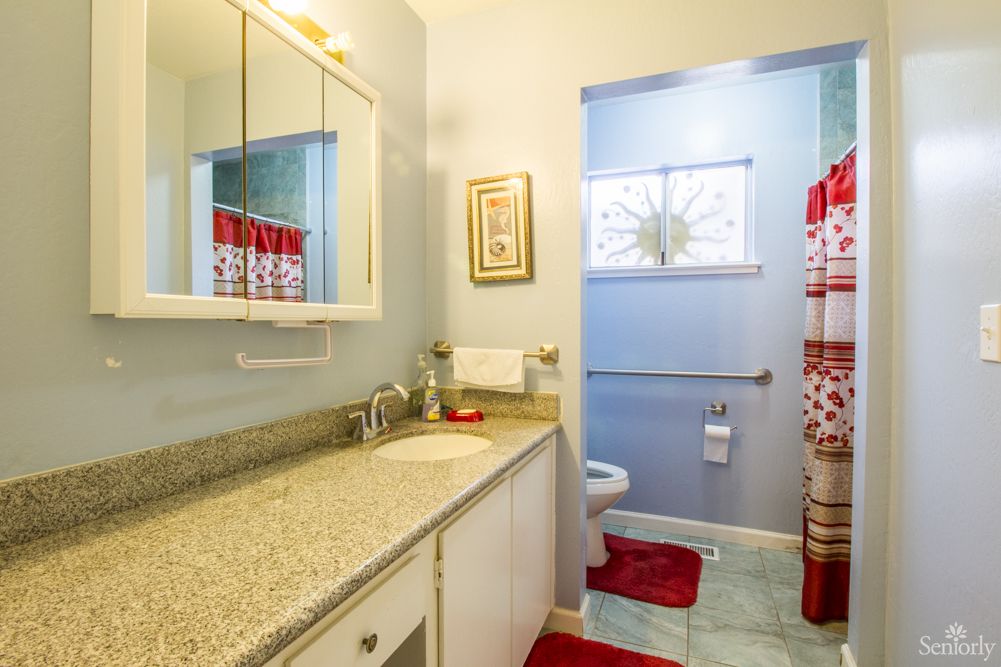
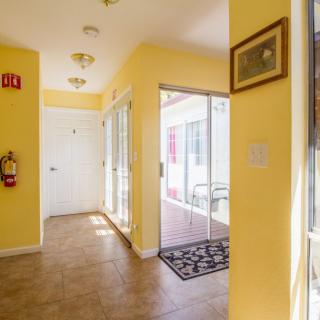
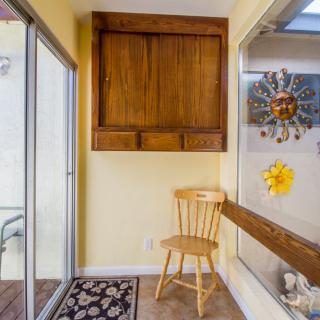
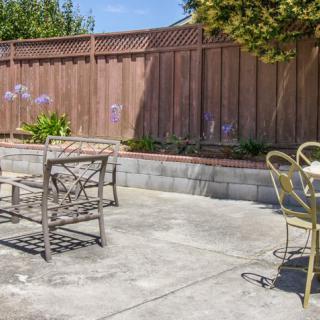
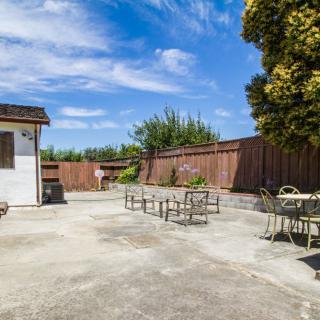
The strongest positives, cleanliness, a homey vibe, attentive staff, and dependable daily care, read clearly in the reviews and help offset most downsides. Residents are described as being kept clean, dressed, and groomed, with nourishment and safety emphasized by 24-hour staffing. The owner and manager are noted as responsive and engaged, which is a meaningful advantage in boarding-care settings where quick problem-solving and personalized attention matter daily. The setting is described as calm, well-maintained, and free of the negative smells sometimes associated with care facilities, reinforcing a sense of dignity and comfort for residents who flourish in a small, intimate environment. Parking and the residential neighborhood context also add practical appeal for families visiting or coordinating care.
However, the downsides are real enough to influence decisions. A recurring concern is the language barrier between some caregivers and family members, which can complicate communications about daily needs or changes in care. Another notable con is pricing, with at least one family perceiving the cost as very high and lacking a clear explanation of what justifies the added expense. These factors don’t negate the care quality, but they do temper the overall value proposition for families prioritizing seamless, cost-transparent experiences or robust multilingual communication.
From a decision-making standpoint, this community excels for families seeking a warm, non-institutional environment where the caregiver team can offer highly personal attention, frequent grooming, and reliable supervision. If the resident benefits from a safe, predictable routine, loved ones will appreciate the owner’s visible involvement and the staff’s day-to-day attentiveness. Cleanliness and a nourishing menu strengthen confidence that physiological needs are well-managed, which is often the deciding factor when choosing a place over home-based care. The core trade-off is cost clarity and language compatibility; when those are acceptable givens, Ageway Boarding Care 3 becomes a compelling option worth pursuing.
In the end, Ageway Boarding Care 3 is a strong fit for seniors who value a small, home-like setting with consistent daily care, a clean environment, and a hands-on caregiver presence. It may be less suitable for families where price transparency, straightforward billing, or multilingual communication take priority over intimacy and atmosphere. For those evaluating options, prioritize a thorough tour, ask for a clear pricing breakdown, and request an opportunity to meet the owner and a cross-section of staff. Compare closely with larger facilities or in-home care paths to ensure the chosen route matches budget, communication needs, and the desired level of hands-on, person-centered care.
 6 resident community capacity
 Assisted Living
 Board and Care Home
 Respite Care
 Cable or satellite TV
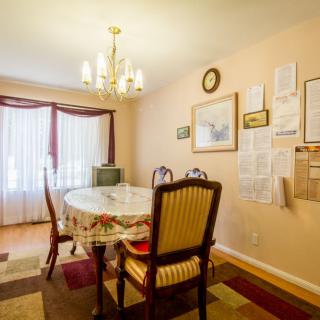
 Dining room
 Fully furnished
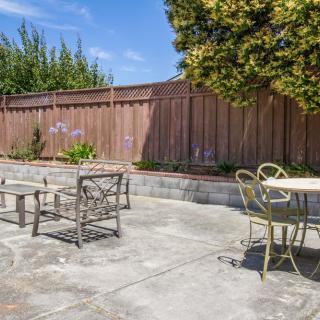
 Garden
 Housekeeping services
 Move-in coordination
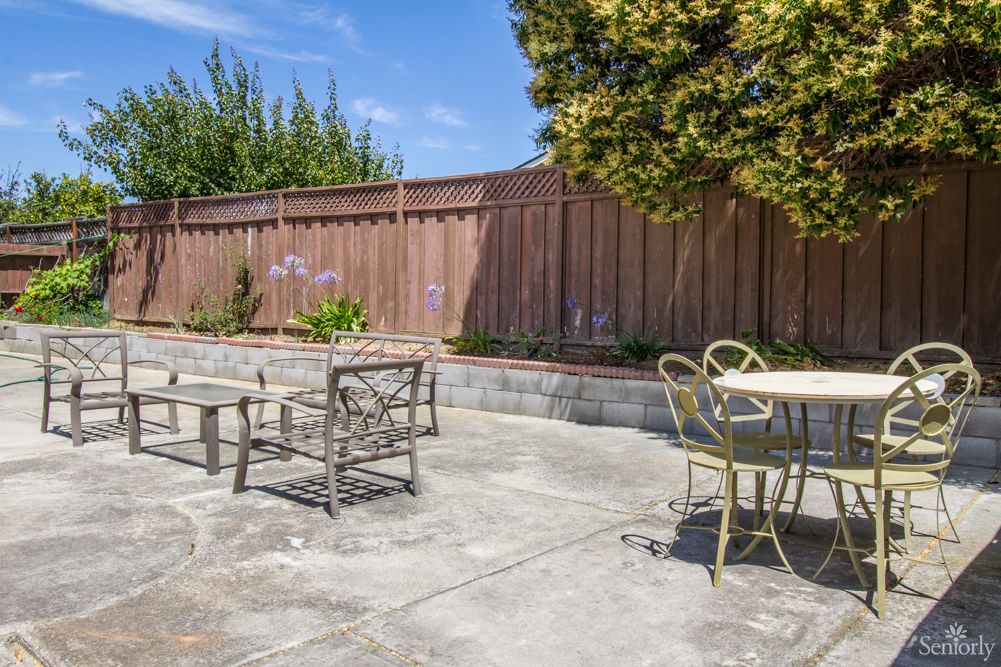
 Outdoor space
 Private
 Small library
 Telephone
 Metropolitan Oakland International (14 miles away)
 24-hour supervision
 Activities of daily living assistance
 Assistance with bathing
 Assistance with dressing
 Assistance with transfers
 Diabetes diet
 Incontinence care
 Meal preparation and service
 Medication management
 Special dietary restrictions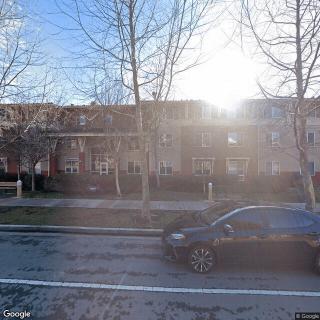

 Assisted Living and Memory Care: Understanding Their Core Differences
 Beyond the Bingo Hall: 50+ Enriching Activities for Seniors in Assisted Living
 Understanding the Distinctions: Assisted Living and Memory Care Explained