
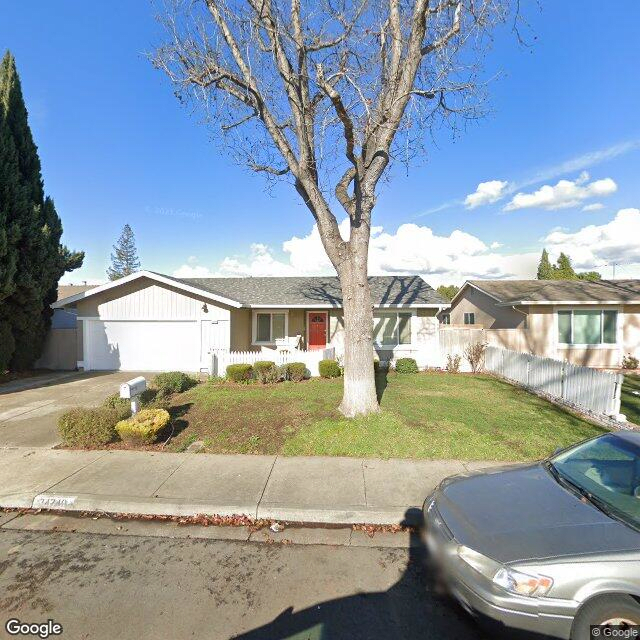
34240 Tartarian Way, Union City, CA 94587
For more information about senior living options: (866) 208-4318
Greengables Villa II Costs & Pricing
Greengables Villa II offers competitive pricing for its accommodations, particularly when compared to the broader market in Alameda County and across California. The monthly cost for a semi-private room at Greengables Villa II is $2,500, significantly lower than the county average of $3,273 and the state average of $3,333. For those seeking more privacy, the private room option is priced at $3,000, again favorably positioned against Alameda County's average of $3,748 and California's average of $3,939. This reflects Greengables Villa II's commitment to providing quality care while ensuring affordability for residents in comparison to regional standards.
| Floor plans | Greengables Villa II | Alameda County | California |
|---|---|---|---|
| Semi-Private | $2,500 | $3,273 | $3,333 |
| Private | $3,000 | $3,748 | $3,939 |
Assisted Living communities with a similar price nearby
-
About the same
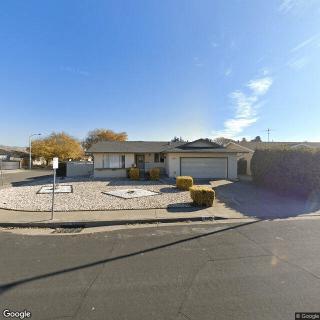
Ava Bella Care Home
$2,500 to $3,000 / month1.9 miles away -
About the same

San Carlos Elms
$2,500 to $5,880 / month13.9 miles away -
from -$200 / mo
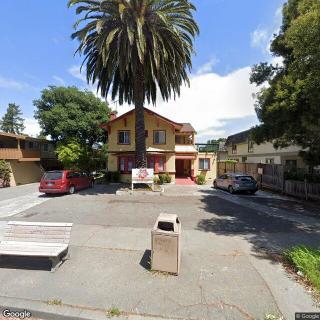
Jla Healthcare Services
$2,300 to $3,200 / month18.3 miles away -
from -$278 / mo
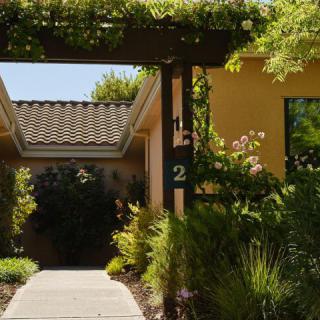
The Forum At Rancho San Antonio
$2,222 / month17.5 miles away -
from +$300 / mo
Peninsula Reflections
$2,800 to $9,040 / month24.2 miles away
Overall Review of Greengables Villa II
Pros
 They praise the staff for their friendliness toward both guests and visiting families.
- Green Gables Villa in Union City was exactly what they were looking for for their mother.
- The house was very clean and well kept, with staff who were friendly and professional.
- The room their mother occupied was airy and light, which made her happy.
- The owners were very helpful and caring for their residents.
- It is their top pick, and they look forward to visiting the home again to verify the monthly cost.
Review
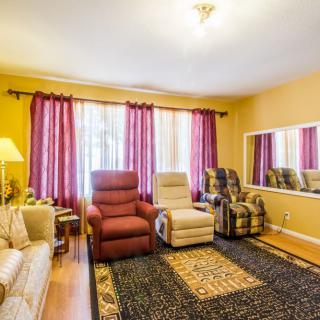
Greengables Villa II in Union City is best suited for families seeking a warm, home-like assisted living experience where seniors receive personal, attentive care in a small, manageable setting. The community excels in delivering a welcoming, family-friendly vibe, with staff and owners who actively engage residents and visiting relatives. The environment is clean, well kept, and bright, giving residents a sense of safety and comfort from the moment of move-in. For seniors who prize a quieter, intimate atmosphere over a large campus, this option offers the daily rhythms, familiarity, and human scale that minimize adjustment stress. In short, this is a place where courtesy, cleanliness, and a genuine sense of home are foundational, not afterthoughts.
Those weighing alternatives should note a few realities. The strongest appeal here rests on personal attention and a homelike setting, which may not meet needs that require broader on-site medical services, expansive activity calendars, or the visibility of a larger senior living campus. Prospective residents who insist on fixed, easily articulated pricing with comprehensive inclusions may want to compare other communities that publish detailed rate breakdowns and care-level tiers. If the priority includes a robust portfolio of medical supports, rehabilitation services, or highly structured programs, it makes sense to explore larger facilities or those explicitly advertising extensive clinical staffing.
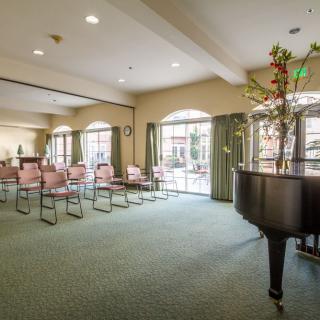
The core advantages are striking and consistent across assessments. The staff’s friendliness extends beyond residents to visiting family, creating a sense of welcome and reassurance for worried loved ones. Cleanliness is evident in the living spaces and common areas, which supports comfort and peace of mind. The rooms are described as airy and light, contributing positively to mood and daily experience, an important factor for seniors seeking a bright, uplifting environment. Owners are highlighted as helpful and caring, reinforcing trust and reliability in daily operations. Taken together, these elements form a cohesive, low-stress living experience that many families prize during transitions.
Yet the strengths do not erase the realities of a smaller operation. The most meaningful trade-off is the potential trade-off in breadth, fewer on-site services, less formal programming, and less visibility of round-the-clock medical care than some larger facilities. However, the responsive, personable care model can offset these gaps for residents who thrive on individualized attention and a home-like routine. The pros, clean, bright spaces; genuinely caring staff; an inviting atmosphere for families, often mitigate concerns about program breadth, especially for residents who are relatively independent and ready for assistance in a comfortable, intimate setting.
Cost transparency also warrants careful inquiry. One reviewer signaled a desire to verify the monthly cost, signaling that prospective families should request a detailed breakdown of what is included (meals, housekeeping, assistance levels, utilities) and what may incur additional charges. While the qualitative experience appears consistently strong, the financial piece remains a critical variable for decision-making. Visits should be paired with precise price disclosures, a clear outline of care plans, and a discussion of how care needs evolve and are managed as those needs change.
Overall, Greengables Villa II stands as a robust choice for families prioritizing warmth, cleanliness, and a personal touch in a singular, home-like setting. It delivers on comfort, attentiveness, and a welcoming environment that can greatly ease the transition to assisted living. It is less clearly suited for those seeking extensive medical programming, a large social ecosystem, or fixed, published pricing without conversations about care levels and expansions. For families who value a small-community feel, attentive owners, and staff who treat residents like neighbors, this is a strong, practical match. The next step is a focused visit: meet the caregivers and owners, tour a sample room, and obtain a transparent cost outline to confirm that the fit aligns with care needs and budget.
 6 resident community capacity
 Assisted Living
 Board and Care Home
 Activities off-site
 Bath tubs
 Beautician on-site
 Cable or satellite TV
 Devotional services off-site
 Dining room
 Fully furnished
 Garden
 Housekeeping services
 Indoor common areas
 Move-in coordination
 Outdoor common areas
 Private
 Private bathrooms
 Respite or short term stays offered
 Telephone
 Wheelchair accessible showers
 Wi-Fi/high-speed internet available
 Metropolitan Oakland International (14 miles away)
 24-hour supervision
 Assistance with bathing
 Assistance with dressing
 Assistance with transfers
 Diabetes diet
 Diabetic care
 High acuity care
 Incontinence care
 Meal preparation and service
 Medication management
 Special dietary restrictions
 Transportation arrangement (medical)
 Transportation to doctors appointments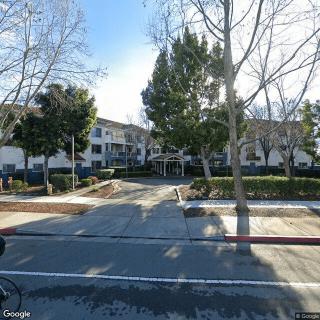

 Assisted Living Expenses and Long-Term Care Insurance: A Comprehensive Exploration
 Securing Financial Support for Assisted Living: A Comprehensive Overview
 Social Security Benefits and Assisted Living: Navigating Options Across the U.S.