
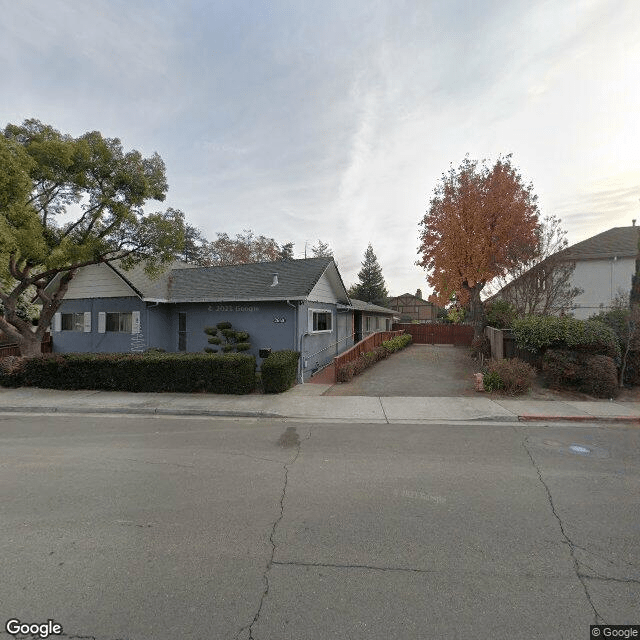
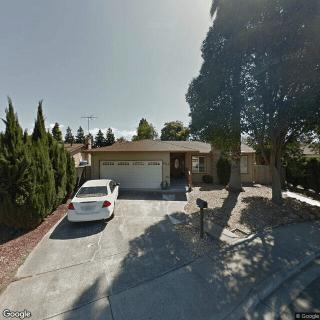
2660 Hop Ranch Road, Union City, CA 94587
For more information about senior living options: (866) 208-4318
C & L Home For The Elderly Costs & Pricing
C & L Home For The Elderly offers competitive pricing for its residents, particularly when compared to the average costs in Alameda County and across California. For semi-private rooms, C & L charges $3,000 per month, which is notably lower than both the county's average of $3,273 and the state average of $3,333. Similarly, their private room rate of $3,500 also presents a more affordable option relative to Alameda County's average of $3,748 and California's statewide average of $3,939. These cost advantages make C & L Home For The Elderly an appealing choice for families seeking quality elder care in a budget-conscious manner while maintaining high standards of service and comfort.
| Floor plans | C & L Home For The Elderly | Alameda County | California |
|---|---|---|---|
| Semi-Private | $3,000 | $3,273 | $3,333 |
| Private | $3,500 | $3,748 | $3,939 |
Assisted Living communities with a similar price nearby
-
About the same

Palm Garden Home Care
$3,000 to $4,000 / month16.4 miles away -
from -$500 / mo
Ava Bella Care Home
$2,500 to $3,000 / month0.8 miles away -
from +$195 / mo
Harbor Bay Assisted Living
$3,195 to $5,000 / month15.4 miles away -
from +$400 / mo
An Oak Grove Manor
$3,400 to $3,800 / month22.9 miles away -
About the same

Eden Assisted Living
$3,000 / month8.4 miles away
Overall Review of C & L Home For The Elderly
Pros
 The Director was very nice.
- The residents seem well cared for.
Cons
 The backyard wasn't very nice.
- Nothing green, only a paved patio.
Review
C & L Home For The Elderly in Union City is best suited for families seeking a small, home-like setting where personal attention from a reachable director translates into steady, predictable care. It works well for residents who value a warm, less clinical atmosphere over flashy amenities and who prioritize reliable supervision and daily contact with a friendly administrator. The community will appeal to those comfortable with modest common spaces and a simpler environment rather than resort-style features. For families who prize lush outdoor space, expansive programming, or highly structured memory-care environments, this option may not satisfy.
Two elements stand out in the available observations. First, leadership and daily care appear to be reliable assets, the director is described as very nice, and residents seem well cared for, a signal that the core caregiving is attentive and compassionate. A highly favorable review reinforces that, when operations run smoothly, residents receive dependable oversight and respectful, consistent care. In practical terms, this translates to a setting where families can feel confident about watchfulness, routine, and the day-to-day experience of a resident who needs hands-on support.
Yet the physical setting introduces a tangible downside. The backyard is described as unremarkable at best, no greenery, just a paved patio, which can blunt outdoor mood and limit opportunities for casual outdoor activities, sunlight exposure, or relaxed visits outside. For many seniors, outdoor time and a connection to nature are meaningful components of well-being; this limitation can feel like a missed opportunity, particularly for residents who thrive on fresh air, garden accessibility, or socializing in a more inviting outdoor area. In short, the environment does not reinforce an expansive, vibrant life outside the four walls.
These outdoor constraints do not negate the evident strengths, but they do tilt the balance for families weighing options. The standout care and the director’s approachable leadership can offset modest grounds for those who prioritize safety, steadiness, and a familiar routine. When a community demonstrates warmth and consistent caregiving, families often tolerate some drawbacks in ambiance or programming. However, the scale of amenities and the outdoor milieu will matter more to others, particularly those seeking frequent social events, garden-based activities, or a more modern, activity-rich setting.
This is a thoughtful fit for residents who place high value on personal attention and a calm atmosphere over breadth in programming. Alternatives to consider include larger assisted living campuses or homes that offer expansive outdoor spaces, more pronounced social calendars, or specialized programming such as memory care or rehabilitation services. For families needing robust outdoor amenities, diverse daily activities, or a more contemporary aesthetic, it makes sense to compare other options in Union City and the surrounding area. The strength of care here should be weighed against how much value is placed on outdoor environment and program variety.
The practical next step is a guided visit: tour the community with an eye toward the director’s availability and responsiveness, ask to observe a meal, activity, and residents’ routine, and request to meet caregiving staff. Inquire specifically about current outdoor access, whether there are any nearby courtyards, garden corners, or supervised outdoor times, and verify the staffing ratios, training, and how emergencies are handled. Clarify costs, what’s included, and how potential changes in care needs would be managed. If outdoor enjoyment, garden access, and a broader activity slate are non-negotiables, it is prudent to compare with other options before making a final commitment, while keeping sight of the clear care strengths this community can deliver.
 6 resident community capacity
 Assisted Living
 Board and Care Home
 Activities off-site
 Cable or satellite TV
 Devotional services off-site
 Dining room
 Fully furnished
 Garden
 Housekeeping services
 Indoor common areas
 Move-in coordination
 Outdoor common areas
 Private
 Private bathrooms
 Respite or short term stays offered
 Telephone
 Wheelchair accessible showers
 Wi-Fi/high-speed internet available
 Metropolitan Oakland International (13 miles away)
 24-hour supervision
 Assistance with bathing
 Assistance with dressing
 Assistance with transfers
 Diabetes diet
 Diabetic care
 High acuity care
 Meal preparation and service
 Medication management
 Special dietary restrictions
 Transportation arrangement (medical)
 Transportation to doctors appointments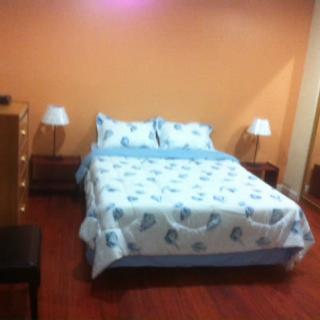

 Assisted Living Expenses and Long-Term Care Insurance: A Comprehensive Exploration
 Securing Financial Support for Assisted Living: A Comprehensive Overview
 Social Security Benefits and Assisted Living: Navigating Options Across the U.S.